
For millions of Americans, the arrival of a direct deposit is the most significant financial event of the month. It dictates when bills are paid, when savings goals are met, and when discretionary spending can occur. As one of the largest financial institutions in the United States, JPMorgan Chase processes a staggering volume of electronic transfers daily. Understanding the precise timing of when these funds become available is not just a matter of curiosity; it is a fundamental component of effective cash flow management.
While many assume that a direct deposit is an instantaneous event, the reality is a multi-step journey involving the employer, the Federal Reserve, and the bank’s internal processing systems. For Chase customers, knowing the “when” and “how” can prevent the frustration of pending transactions and help ensure that every dollar is accounted for the moment it arrives.
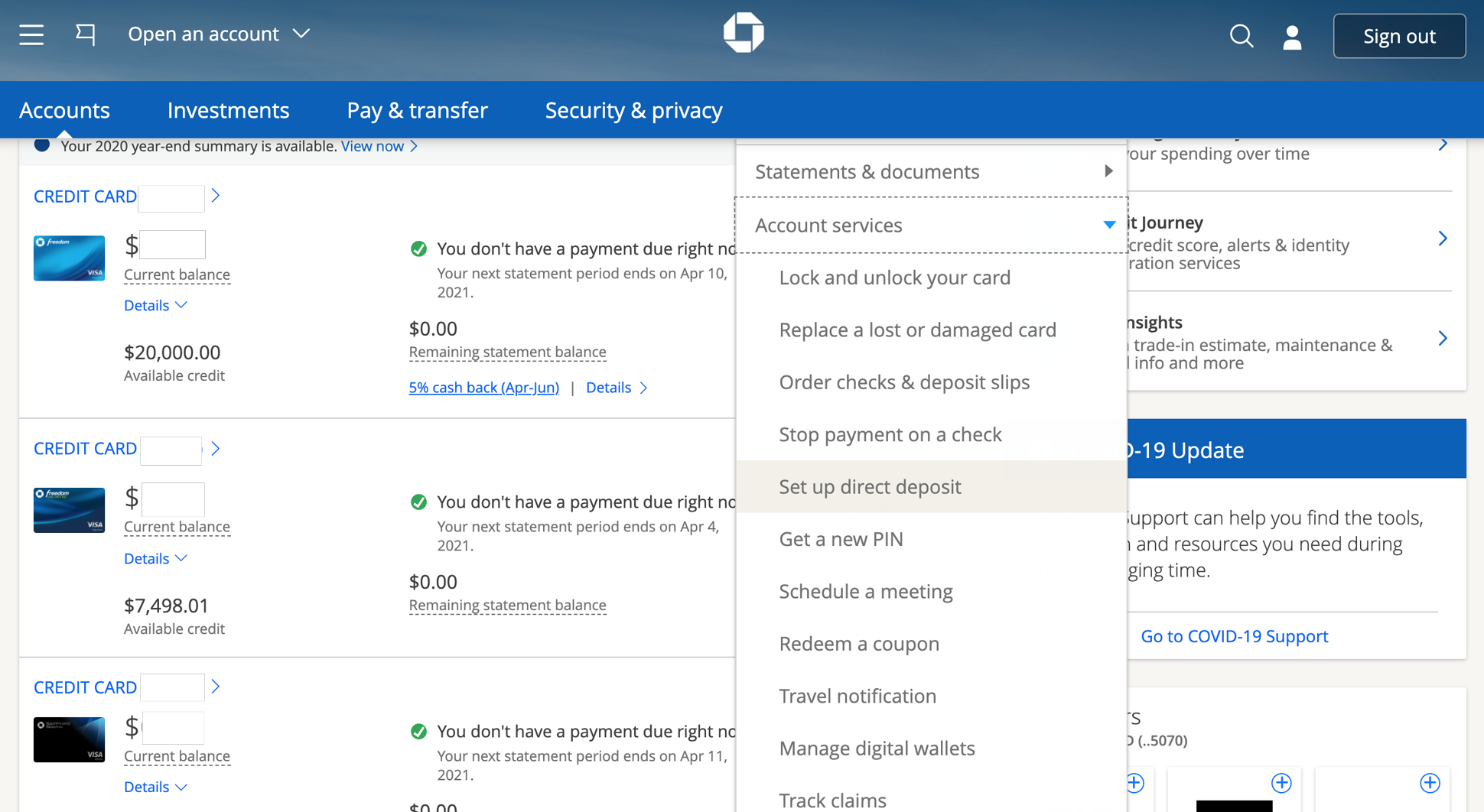
Understanding the Chase Direct Deposit Timeline
The most common question Chase customers ask is the specific hour their money will appear in their account. Generally, Chase posts direct deposits on the business day the bank receives the funds from your employer or the government agency. For the vast majority of users, this means funds are typically available by 3:00 AM to 5:00 AM Eastern Time on the scheduled payday.
The Standard Processing Window
Chase operates on a batch processing system. Unlike real-time transfers which might occur through peer-to-peer apps, traditional payroll direct deposits move through the Automated Clearing House (ACH) network. These batches are processed overnight. If your employer schedules your payday for Friday, Chase usually receives the instructions and the “memo” for the funds a day or two prior. However, the bank waits until the actual settlement date to make those funds fully available to you.
It is important to note that while the funds may show as “Pending” in your Chase Mobile app or online portal a day early, you generally cannot withdraw them or use them to cover debits until the morning of the effective date. Chase is known for its reliability in this area; if the funds are scheduled for a specific date, they are almost universally there before the average person starts their workday.
The Impact of Weekends and Federal Holidays
The banking system does not operate on weekends or federal holidays. This is a critical distinction for anyone expecting a paycheck on a non-business day. If your scheduled payday falls on a Saturday or Sunday, the timing of your deposit depends largely on your employer’s payroll policy. Most employers choose to move the deposit date up to the preceding Friday.
However, if your employer submits the payroll late or doesn’t adjust for the weekend, the funds may not hit your Chase account until the following Monday. The same logic applies to federal holidays like Labor Day or Juneteenth. Because the Federal Reserve’s ACH network is closed, no data moves through the system. To avoid liquidity issues, it is wise to consult your company’s payroll calendar at the start of each year to identify these potential shifts.
The Mechanics of ACH Transfers and Chase Processing
To understand why your money arrives when it does, one must look under the hood of the American financial system. Direct deposit is facilitated by the Automated Clearing House (ACH) network, a centralized system that moves money between bank accounts across the country.
How the Automated Clearing House Works
The process begins with your employer (the Originator). They send a file to their bank (the Originating Depository Financial Institution, or ODFI) containing the names, account numbers, routing numbers, and payment amounts for all employees. This bank then sends the file to an ACH Operator—usually the Federal Reserve.
The Federal Reserve then sorts the entries and sends them to the respective banks, such as Chase (the Receiving Depository Financial Institution, or RDFI). This cycle typically takes one to two business days. Chase receives these instructions in batches. The reason your money appears in the early hours of the morning is that Chase’s systems process these incoming files during the “dead of night” when transaction volumes are lower, ensuring the ledger is updated before branches open.
Chase’s Internal Batch Processing
Once Chase receives the ACH file from the Federal Reserve, the bank’s internal software runs a series of checks. It verifies that the account number is active and that the name on the deposit matches the account holder. This automated “scrubbing” is why direct deposit is significantly more secure than paper checks.
For Chase customers, the internal processing window is highly optimized. Because of the bank’s massive infrastructure, they can handle millions of these transfers simultaneously. This infrastructure is what allows for the consistent 3:00 AM to 5:00 AM availability window. If you reside on the West Coast, you may even see your funds appear as early as midnight or 1:00 AM local time, as the bank often synchronizes its updates across the national network.
Chase Secure Banking and the Rise of Early Direct Deposit

In recent years, the landscape of personal finance has shifted. Fintech competitors began offering “Early Direct Deposit,” a feature that gives users access to their paychecks up to two days before the official payday. To remain competitive and serve the needs of its diverse customer base, Chase introduced its own version of this feature, primarily through the Chase Secure Banking℠ account.
Accessing Funds Up to Two Days Early
With Chase Early Direct Deposit, the bank essentially grants you a short-term, interest-free credit based on the incoming ACH notification. When your employer’s bank sends the payroll file to the ACH network, Chase receives a “notice” that money is coming. While the actual cash might not settle for another 48 hours, Chase Secure Banking allows the user to access those funds immediately.
This can be a game-changer for individuals living paycheck to paycheck or those with bills due mid-week. If your official payday is Friday, having the funds available on Wednesday afternoon or Thursday morning provides a significant buffer for financial planning.
Eligibility and Account Types
It is important to distinguish which accounts qualify for this accelerated timeline. Currently, the early direct deposit feature is most commonly associated with Chase Secure Banking. Traditional accounts, like Chase Total Checking®, may still follow the standard payday schedule.
To utilize this, you must have a qualifying direct deposit. This usually excludes person-to-person transfers (like Zelle or Venmo) or tax refunds, though some government benefits may qualify. If you are a Chase customer and timing is your primary concern, upgrading to or opening an account specifically designed for early access is a strategic move for your personal finance toolkit.
Common Reasons for Direct Deposit Delays
Even with a system as robust as Chase’s, delays can happen. When a deposit doesn’t hit by the expected 5:00 AM window, it often triggers concern. However, the root cause is rarely the bank itself; rather, it is usually a breakdown in the chain of transmission.
Incorrect Routing or Account Numbers
The most frequent cause of a failed direct deposit is a clerical error. If you recently changed accounts or set up a new direct deposit, a single transposed digit in your account or routing number will cause the ACH transfer to fail. In these instances, the funds are usually returned to the employer’s bank. This process can take several business days to resolve, as the employer must then re-issue the payment, often via a manual paper check.
Employer Payroll Submission Errors
Chase can only process what it receives. If your employer misses the submission deadline for the ACH file—typically two days before payday—the funds will not arrive on time. Small businesses, in particular, may occasionally face these administrative hurdles. If your co-workers who use different banks are also experiencing delays, the issue is almost certainly with the employer’s payroll provider rather than Chase.
New Account Verification Periods
If you have just opened a Chase account and set up your first direct deposit, there might be a “pre-note” phase. Some payroll systems send a zero-dollar transaction to verify that the account is active before sending the actual funds. This can sometimes cause a one-cycle delay where you receive a paper check for your first pay period before the electronic system fully engages.
Maximizing Your Cash Flow with Direct Deposit Tools
Direct deposit is more than just a convenience; it is a tool for financial empowerment. By leveraging the features Chase provides, you can automate your financial life and reduce the stress associated with payday.
Setting Up Alerts and Notifications
One of the best ways to manage your money is to remove the “guessing game.” The Chase Mobile app allows you to set up real-time push notifications or email alerts for deposits. Instead of logging in repeatedly to check your balance, you can receive a notification the second the funds hit your account. This allows you to immediately move money into savings or pay down high-interest debt, ensuring that your money starts working for you the moment it arrives.

Budgeting Strategies for Incoming Funds
With the reliability of Chase’s direct deposit timing, you can practice sophisticated “payday budgeting.” Many financial experts recommend the 50/30/20 rule (50% for needs, 30% for wants, and 20% for savings/debt). Because you know your funds will be available by 5:00 AM on payday, you can schedule automatic transfers for your savings and investment accounts for 6:00 AM the same day.
This “pay yourself first” mentality is significantly easier to maintain when you have confidence in your bank’s processing schedule. By the time you wake up and check your phone, your bills are covered, your savings are growing, and you know exactly what is left for your daily expenses.
Ultimately, Chase’s direct deposit system is a cornerstone of its banking experience. Whether you are using a standard checking account or taking advantage of early access features, understanding the mechanics of the ACH network and the specific timing of Chase’s batch processing allows you to navigate your financial life with precision and confidence. In the modern economy, where timing is everything, being informed is the first step toward true financial stability.
aViewFromTheCave is a participant in the Amazon Services LLC Associates Program, an affiliate advertising program designed to provide a means for sites to earn advertising fees by advertising and linking to Amazon.com. Amazon, the Amazon logo, AmazonSupply, and the AmazonSupply logo are trademarks of Amazon.com, Inc. or its affiliates. As an Amazon Associate we earn affiliate commissions from qualifying purchases.