
In the intricate world of modern finance, where trillions of dollars move across digital networks every day, the routing number serves as the essential GPS for your money. Whether you are setting up a direct deposit for a new job, paying a utility bill online, or sending funds to a family member, the routing number is the silent architect ensuring that capital moves from Point A to Point B without getting lost in the vast sea of financial data. Understanding what this number is, how it functions, and why it remains a cornerstone of the American banking system is vital for anyone looking to manage their personal or business finances with precision and security.
The Fundamentals: Defining the Routing Number
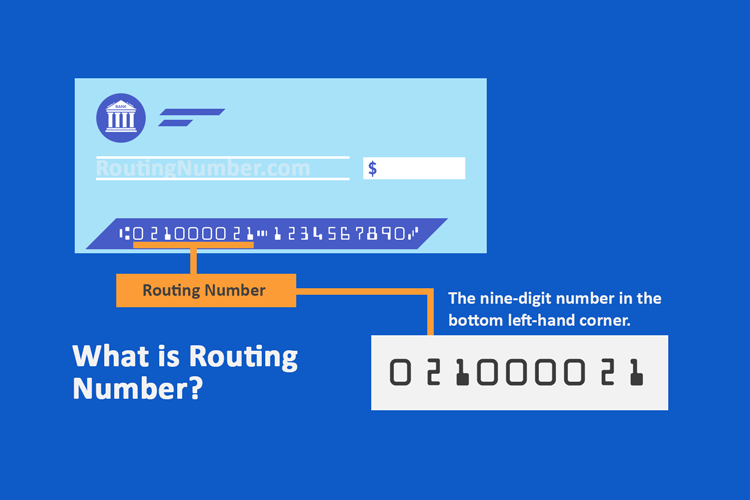
A routing number, often referred to officially as an ABA (American Bankers Association) Routing Transit Number (RTN), is a nine-digit code used to identify a specific financial institution within the United States. Established in 1910, this system was designed to facilitate the sorting and shipping of paper checks. While the financial world has largely transitioned to digital transactions, the routing number remains the primary identifier for domestic financial transfers.
The nine digits of a routing number are not random. They follow a specific structure dictated by the Federal Reserve and the ABA:
The Anatomy of the Nine-Digit Code
-
The First Four Digits: These digits represent the Federal Reserve routing symbol. Specifically, the first two digits indicate which of the 12 Federal Reserve districts the bank is located in, while the next two indicate the specific Federal Reserve check processing center.
-
The Next Four Digits: These are the unique identifier for the specific financial institution itself. Each bank or credit union has its own designated code that distinguishes it from every other entity in the country.
-
The Final Digit: Known as the “check digit,” this ninth number is calculated using a complex mathematical formula based on the previous eight digits. Its purpose is to act as a verification tool. If a routing number is typed incorrectly, the check digit will likely fail the checksum test, signaling an error before the transaction is processed.
The Role of the American Bankers Association
The ABA serves as the registrar for the routing number system. By maintaining this registry, they ensure that every bank has a unique “address” in the electronic payment network. This consistency allows for the seamless integration of thousands of disparate banks, credit unions, and savings associations into a singular, functional national economy.
Why Routing Numbers Are Essential for Your Financial Life
While many consumers focus on their account balance or interest rates, the routing number is the engine under the hood that allows your financial life to operate. It is required for a wide array of transactions that most of us take for granted.
Facilitating Direct Deposits and Payroll
For most employees, payday is synonymous with an automatic update to their bank balance. This is made possible through the Automated Clearing House (ACH) network, which uses your routing number to find your specific bank and then uses your account number to find your specific wallet within that bank. Without an accurate routing number, payroll departments cannot bridge the gap between corporate accounts and employee accounts.
Managing Automated Bill Payments
Utility companies, mortgage lenders, and subscription services frequently offer the option to pay via “e-check” or direct debit. This method is often preferred over credit cards because it avoids high merchant fees. To authorize these payments, you must provide your routing number. This allows the service provider to request funds directly from your institution.
Government Transactions and Tax Refunds
When you file your taxes, the IRS requires a routing number if you wish to receive your refund via direct deposit. Similarly, for those receiving Social Security benefits or other government assistance, the routing number is the secure link that ensures public funds reach the correct individual without the delays and risks associated with physical mail.
Peer-to-Peer and Business Transfers
While apps like Venmo and Cash App often use their own internal ledgers, “cashing out” those funds to a traditional bank account requires a routing number. For business owners, paying vendors via wire transfer or ACH also necessitates these codes. In these contexts, the routing number acts as a verification of the institution’s legitimacy and location.
How to Locate Your Routing Number
Finding your routing number is usually a straightforward process, though it can vary slightly depending on the type of banking you perform.
Using a Physical Check
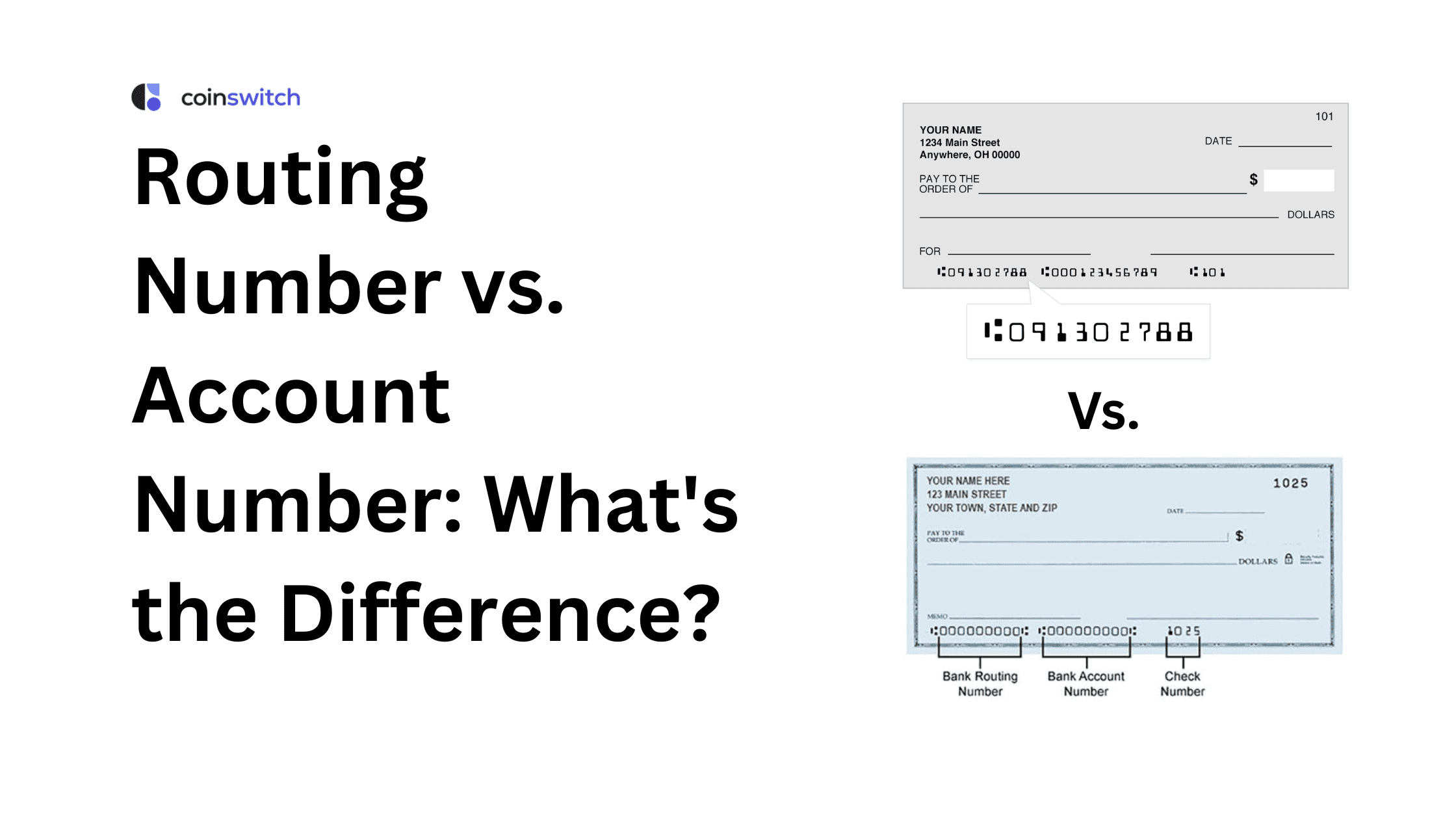
The most traditional way to find your routing number is to look at a physical check. At the bottom of every check, there is a string of numbers printed in a specialized font (MICR).
-
The first set of nine digits on the far left is almost always your routing number.
-
The second set of digits is typically your account number.
-
The third set of digits represents the individual check number.
Mobile Banking and Online Portals
In an era of paperless banking, many people no longer carry checkbooks. Most banks now place the routing number prominently within their mobile apps or online dashboards. Usually, you can find it by clicking on a specific account and looking for “Account Details” or “Direct Deposit Information.”
Financial Statements and Bank Websites
Your monthly bank statement—whether delivered via mail or PDF—will list your routing number alongside your account information. Additionally, most large national banks list their routing numbers publicly on their websites. It is important to note, however, that some large institutions use different routing numbers for different states or for different types of transactions (such as one for ACH and another for wire transfers).
Routing Numbers vs. Account Numbers vs. SWIFT Codes
One of the most common points of confusion in personal finance is the distinction between the various numbers associated with a bank account. Distinguishing between these is critical for avoiding failed transfers and potential fees.
Routing Number vs. Account Number
Think of the routing number as the zip code for your bank. It tells the financial system which “building” your money needs to go to. The account number, on the other hand, is like your specific apartment number within that building. You need the “zip code” (routing number) to find the right building, and the “apartment number” (account number) to find the right person.
Domestic vs. International: The SWIFT/BIC Code
The routing number is a strictly American invention used for domestic transactions. If you are sending or receiving money internationally, you will likely need a SWIFT code (Society for Worldwide Interbank Financial Telecommunication) or a BIC (Bank Identifier Code). These codes function similarly to routing numbers but operate on a global scale. While some US routing numbers are integrated into international systems, most cross-border transactions require these specialized international identifiers.
Wire Transfer Routing Numbers
Some banks utilize separate routing numbers specifically for wire transfers. A wire transfer is a real-time, high-speed method of sending money that differs from the ACH system. Because wires are processed through the Fedwire service, a bank might use a specific routing number to ensure these high-priority transactions are handled by the correct internal department. Always verify with your bank whether you should use the “ACH routing number” or the “Wire routing number” before initiating a large transfer.
Security, Privacy, and the Future of Routing Numbers
A common concern among bank customers is whether sharing a routing number poses a security risk. In the context of the broader financial ecosystem, routing numbers are not considered private information. In fact, you can find the routing numbers for major banks like Chase, Bank of America, or Wells Fargo with a simple Google search.
Is Your Routing Number a Secret?
The routing number itself is public knowledge. However, the combination of your routing number and your private account number is what grants access to your funds. While someone cannot do much with just a routing number, having both numbers allows for the creation of fraudulent checks or unauthorized ACH withdrawals. Therefore, you should only provide these numbers to trusted entities, such as your employer, the government, or established billing companies.
The Evolution of Digital Payments
As we move toward “real-time payments” (RTP) and services like FedNow, the way we use routing numbers is evolving. New financial technologies are seeking to make transfers even faster, reducing the multi-day “float” traditional ACH transfers often require. Despite these technological leaps, the underlying architecture of the routing number remains the most stable and trusted method for identifying financial institutions.

Best Practices for Financial Safety
To ensure your finances remain secure while using routing numbers:
-
Double-check every digit: A single typo can send your money to the wrong institution or cause a transaction to bounce, leading to late fees.
-
Use secure portals: Never send your routing and account numbers through unencrypted email or text messages.
-
Monitor your accounts: Regularly review your bank statements for any unauthorized ACH “pulls” that you did not set up.
The routing number is a testament to the longevity of well-designed financial systems. Though it originated in an era of paper and ink, it has successfully transitioned into the age of silicon and fiber optics. By understanding this nine-digit code, you empower yourself to navigate the complexities of personal finance with confidence, ensuring that your hard-earned money always finds its way home.
aViewFromTheCave is a participant in the Amazon Services LLC Associates Program, an affiliate advertising program designed to provide a means for sites to earn advertising fees by advertising and linking to Amazon.com. Amazon, the Amazon logo, AmazonSupply, and the AmazonSupply logo are trademarks of Amazon.com, Inc. or its affiliates. As an Amazon Associate we earn affiliate commissions from qualifying purchases.