
In the rapidly evolving world of digital finance, the distinction between a “bank” and a “financial technology company” has become increasingly important for consumers to understand. If you have been searching for the answer to “what bank is Current under,” you are likely exploring the safety, legitimacy, and infrastructure of one of the most popular neobanks in the United States. Current is not a bank itself; rather, it is a financial technology company that provides banking services through partnerships with established, FDIC-insured institutions. Specifically, Current partners with Choice Financial Group and Cross River Bank to provide its suite of financial products.
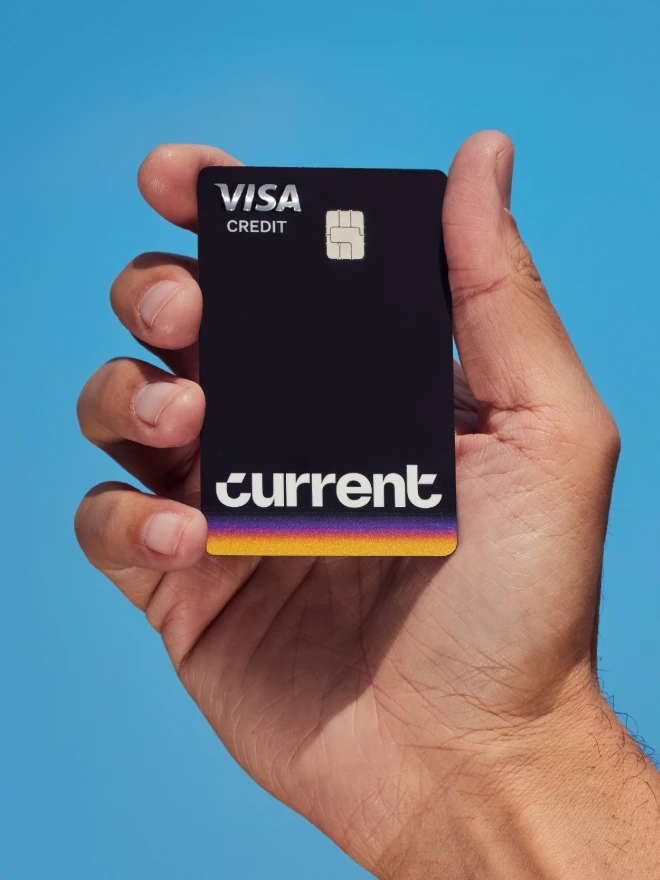
Understanding this relationship is crucial for any savvy consumer navigating the modern “Money” landscape. It involves looking beyond a sleek mobile interface to see the regulatory and physical backbone that protects your capital. By leveraging the licenses of traditional banks, Current is able to offer high-tech features like early direct deposits and automated savings pods while ensuring that user funds are protected by federal insurance.
The Core Partnership: Identifying Current’s Financial Backbone
When you open an account with Current, you are entering a tripartite relationship between yourself, the fintech interface (Current), and the charter-holding banks that manage the actual movement and storage of your money. Current utilizes two primary partners: Choice Financial Group and Cross River Bank. These institutions are the “banks” behind the brand, and they are Member FDIC.
Choice Financial Group and Cross River Bank
Choice Financial Group, headquartered in North Dakota, and Cross River Bank, based in New Jersey, are the heavy lifters in the world of “Banking-as-a-Service” (BaaS). While you may not interact with their tellers or visit their physical branches, these banks hold your deposits and issue the debit cards associated with your Current account. By utilizing these partners, Current can focus on building a superior user experience, while the partner banks handle the complex regulatory compliance, liquidity management, and clearinghouse functions required by the Federal Reserve.
The Distinction Between a Fintech and a Bank
The rise of the neobank has created some confusion regarding what constitutes a “bank.” Under U.S. law, a bank must possess a state or federal charter. Obtaining such a charter is an arduous, multi-year process involving massive capital requirements and strict oversight. Fintechs like Current bypass this hurdle by partnering with existing banks. This allows them to offer “banking services” without being a “bank” in the legal sense. For the user, this means you get the agility of a tech company with the security of a traditional financial institution.
How Current Operates in the Modern Financial Ecosystem
To understand why Current chooses this model, one must look at the efficiency of the modern financial ecosystem. By operating without physical branches, Current eliminates the massive overhead costs associated with real estate, security personnel, and local maintenance. These savings are then passed on to the consumer in the form of higher interest rates on savings and lower fees.
The Role of FDIC Insurance
The most common question regarding neobanks is: “Is my money safe?” Because Current’s partners, Choice Financial Group and Cross River Bank, are members of the Federal Deposit Insurance Corporation (FDIC), your deposits are insured up to $250,000 per depositor, per insured bank, for each account ownership category. This means that even if Current were to go out of business, your funds are backed by the full faith and credit of the U.S. government through the partner banks. This structural safety net is the cornerstone of trust in the digital banking age.
Regulatory Compliance and Consumer Protection
While Current manages the app and customer service, the partner banks are responsible for ensuring that all transactions comply with anti-money laundering (AML) and Know Your Customer (KYC) regulations. This partnership ensures that your account is monitored for fraudulent activity and that the institution adheres to the Electronic Fund Transfer Act (Regulation E), which protects consumers during unauthorized transactions. This dual-layer approach provides a robust security framework that matches the standards of traditional “big banks.”
Analyzing the Financial Tools and Benefits Offered by Current
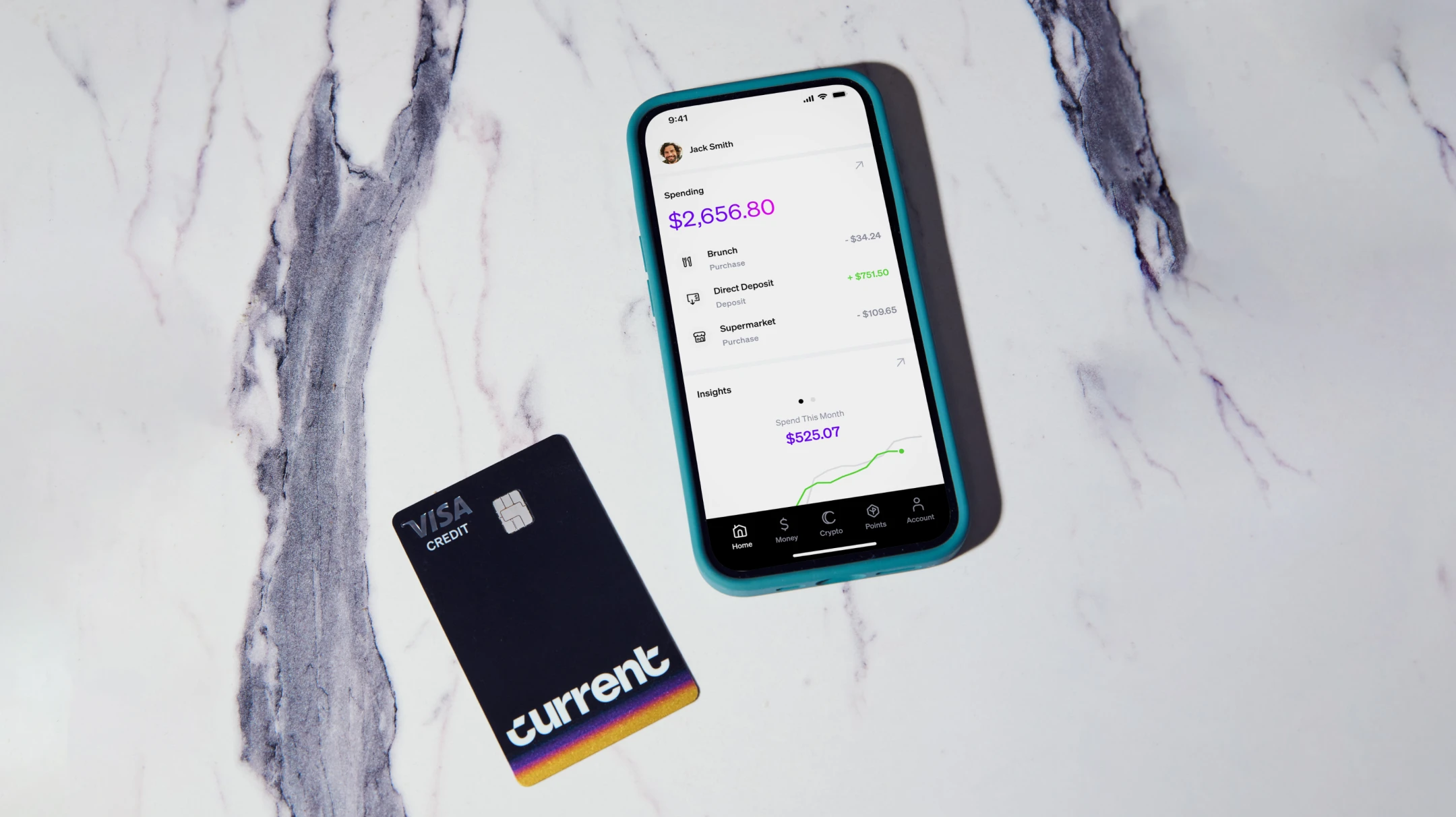
The financial utility of Current extends far beyond simple checking accounts. By leveraging their digital-first infrastructure, they offer a suite of tools designed to maximize personal liquidity and wealth-building for the modern worker, particularly those in the gig economy or younger generations who value speed and automation.
High-Yield Savings Pods
One of the primary draws of Current is its “Savings Pods.” While traditional brick-and-mortar banks often offer dismal interest rates—sometimes as low as 0.01%—Current frequently offers much higher Annual Percentage Yields (APY) on balances within these pods. This is a direct result of their low-overhead business model. Users can set “round-ups,” where every purchase is rounded to the nearest dollar and the change is automatically transferred into a savings pod, making the process of investing in one’s future passive and painless.
Early Direct Deposit and Fast Access to Capital
In the realm of personal finance, “time is money.” Current excels in its ability to process direct deposits up to two days earlier than traditional institutions. This is achieved by the bank crediting the user’s account as soon as they receive notification of the incoming payment from the employer, rather than waiting for the funds to settle fully. For individuals living paycheck to paycheck or those looking to move money into investments faster, this two-day window can be a significant financial advantage.
The Build Card: Navigating Credit Building
Current also offers a specialized tool known as the “Build Card.” This is a secured credit card designed to help users improve their credit scores without the risk of falling into high-interest debt. Unlike traditional credit cards, the Build Card uses the money you already have in your Current account to set your limit. By making regular purchases and having Current report those on-time payments to credit bureaus, users can build a positive credit history. This is an essential tool for financial wellness, as a higher credit score leads to lower interest rates on future mortgages, auto loans, and insurance premiums.
Comparing Current to Traditional Banking Institutions
When deciding where to place your capital, it is helpful to compare the fintech model—backed by Choice Financial Group and Cross River Bank—against traditional institutions like Chase, Wells Fargo, or Bank of America.
Fee Structures and Accessibility
Traditional banks often rely on a “fee-heavy” model to maintain their physical infrastructure. Monthly maintenance fees, minimum balance requirements, and overdraft fees are common. Current has disrupted this by eliminating many of these hurdles. They offer a “no-fee” approach to basic banking, which includes no monthly fees and no minimum balance requirements. Furthermore, their “Overdrive” feature allows eligible users to overdraft up to a certain amount on debit card purchases without incurring the standard $35 fee seen at traditional banks.
Digital-First Experience vs. Physical Branches
The trade-off for the high-yield and low-fee environment is the lack of physical branch access. If you are someone who frequently deals in large volumes of physical cash or requires in-person notary services and safety deposit boxes, a neobank might not be your primary solution. However, for the digital native who manages their “Money” life via smartphone, the 24/7 accessibility of Current’s mobile platform often outweighs the need for a physical location. Current provides access to over 40,000 fee-free ATMs, ensuring that cash access remains a priority even without a branded branch on every corner.
Is Current the Right Financial Tool for You?
Choosing a financial partner is a strategic decision that depends on your specific goals, income style, and comfort with technology. By understanding that Current is under Choice Financial Group and Cross River Bank, you can make an informed choice based on institutional stability.
Security Measures and Fraud Prevention
Beyond FDIC insurance, Current employs modern security protocols that often surpass traditional banks. These include the ability to instantly “lock” your card from the app if it is lost or stolen, biometric login requirements, and real-time transaction notifications. These features provide a level of transparency that helps users catch unauthorized charges immediately, rather than waiting for a monthly statement.

Strategic Considerations for Digital Banking
For those looking to optimize their personal finance strategy, Current serves as an excellent primary or secondary account. It is particularly effective for managing “side hustle” income or setting up dedicated savings goals. The transparency of seeing exactly which bank is “under” Current—Choice Financial Group and Cross River Bank—removes the mystery and allows users to enjoy the benefits of a cutting-edge financial interface with the peace of mind that their money is held by regulated, insured, and experienced banking institutions.
In conclusion, Current represents the successful marriage of Silicon Valley innovation and Main Street banking stability. By partnering with Choice Financial Group and Cross River Bank, Current offers a secure, high-yield, and fee-transparent environment that challenges the status quo of the American financial system. Whether you are looking to build credit, save faster, or simply get your paycheck earlier, understanding the banking backbone of Current is the first step in mastering your modern financial journey.
aViewFromTheCave is a participant in the Amazon Services LLC Associates Program, an affiliate advertising program designed to provide a means for sites to earn advertising fees by advertising and linking to Amazon.com. Amazon, the Amazon logo, AmazonSupply, and the AmazonSupply logo are trademarks of Amazon.com, Inc. or its affiliates. As an Amazon Associate we earn affiliate commissions from qualifying purchases.