
In the modern financial landscape, your bank account number serves as the foundational identifier for your personal economy. It is the unique string of digits that distinguishes your funds from millions of others within a financial institution. Whether you are setting up a direct deposit for a new job, authorizing an automated bill payment, or initiating a wire transfer to purchase property, knowing how to quickly and securely locate this number is a fundamental skill in personal finance management.
While it may seem like a simple piece of information, the account number is often shielded behind layers of security to protect your assets. Understanding the various methods to retrieve it—ranging from digital portals to traditional paper documents—is essential for seamless financial operations.
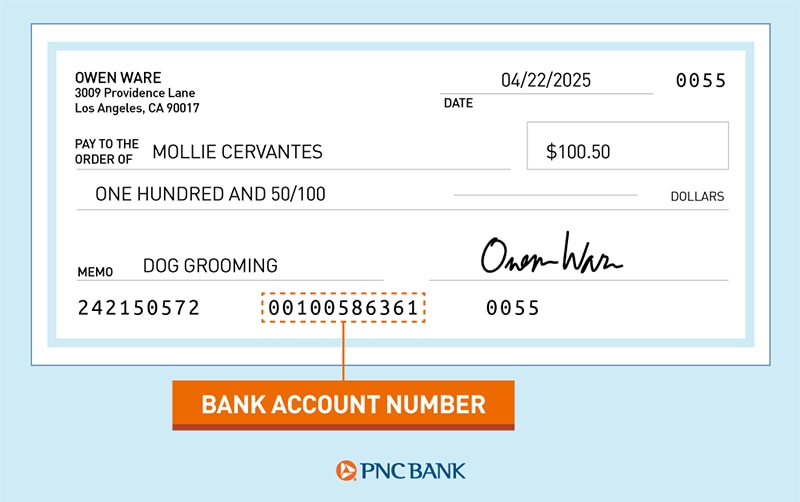
Understanding the Role of Your Account Number in Personal Finance
Before diving into the retrieval methods, it is crucial to distinguish the account number from other numerical identifiers you might encounter. In the United States and many other banking systems, your financial identity for a specific transaction is usually defined by a combination of a routing transit number (RTN) and your unique account number.
Account Number vs. Routing Number
The routing number is a nine-digit code that identifies the specific financial institution. Think of it as the “address” of the bank itself. The account number, conversely, identifies your specific “apartment” within that building. While everyone who banks at a specific branch of a national bank may share the same routing number, no two people share the same account number at that institution.
Why You Need Your Account Number
You will frequently need this number for several key financial activities:
-
Direct Deposits: Ensuring your salary or government benefits are funneled directly into your savings or checking account.
-
Automated Clearing House (ACH) Transfers: Used for paying utilities, credit card bills, or mortgage payments directly from your balance.
-
Wire Transfers: For high-value transactions that require immediate settlement.
-
Linking Financial Apps: When connecting your primary bank to investment platforms, budgeting software, or peer-to-peer payment apps.
Digital Methods: Accessing Information via Mobile and Online Banking
In the era of FinTech, the fastest way to retrieve your account number is through digital channels. Banks have invested heavily in user experience, making this information accessible within a few clicks or taps, provided you can clear the necessary security hurdles.
Using Mobile Banking Applications
Most consumers now manage their wealth through smartphone applications. To find your account number here:
-
Authenticate: Use biometric data (FaceID or fingerprint) or your passcode to enter the app.
-
Select the Account: Tap on the specific checking or savings account you are inquiring about.
-
Find “Account Details”: Look for a “Details,” “Settings,” or an “i” (info) icon.
-
Reveal the Number: For security reasons, many apps “mask” the account number, showing only the last four digits (e.g., ****6789). There is typically an “eye” icon or a “Show” button that, when pressed, reveals the full string of digits.
Navigating Online Banking Portals
If you are working from a desktop, the process is similar but often provides more comprehensive documentation. Once logged into your bank’s secure website, the account number is usually listed on the main dashboard or within the “Account Summary” page. If it is masked, clicking on the account name will usually take you to a detailed view where the full number is displayed.
Electronic Statements (e-Statements)
If the dashboard does not immediately show the full number, the most reliable digital document is your monthly statement. Most banks provide a “Statements and Documents” section. Downloading a PDF of your most recent statement will invariably show the full account number, usually located in the top right or left corner of the first page. This is often the preferred method if you need to provide “proof of account” to a third party, as the statement serves as an official bank document.
Traditional Physical Methods: Locating Numbers Offline
Despite the digital shift, physical documents remain a highly reliable way to find your financial identifiers. In many cases, these methods are faster if you do not have immediate access to your online credentials or are in an area with poor connectivity.
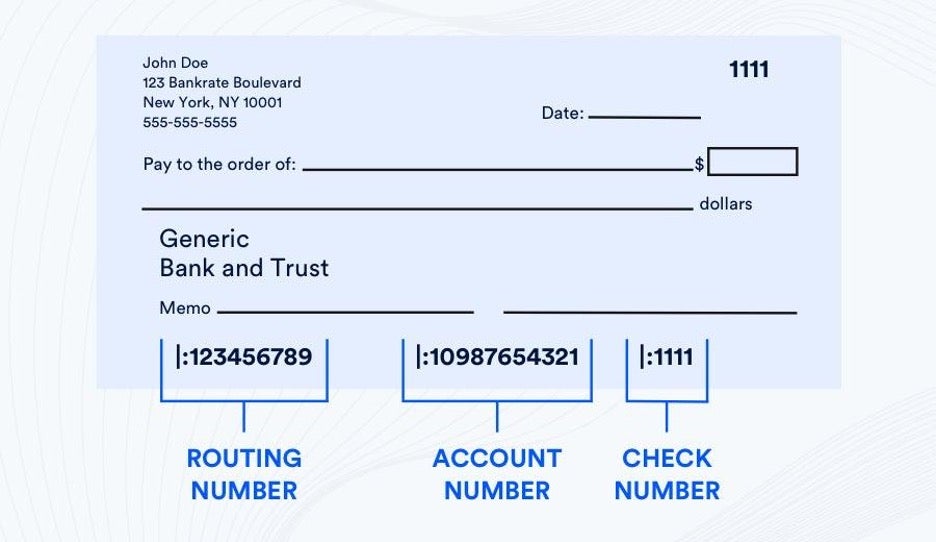
The Anatomy of a Personal Check
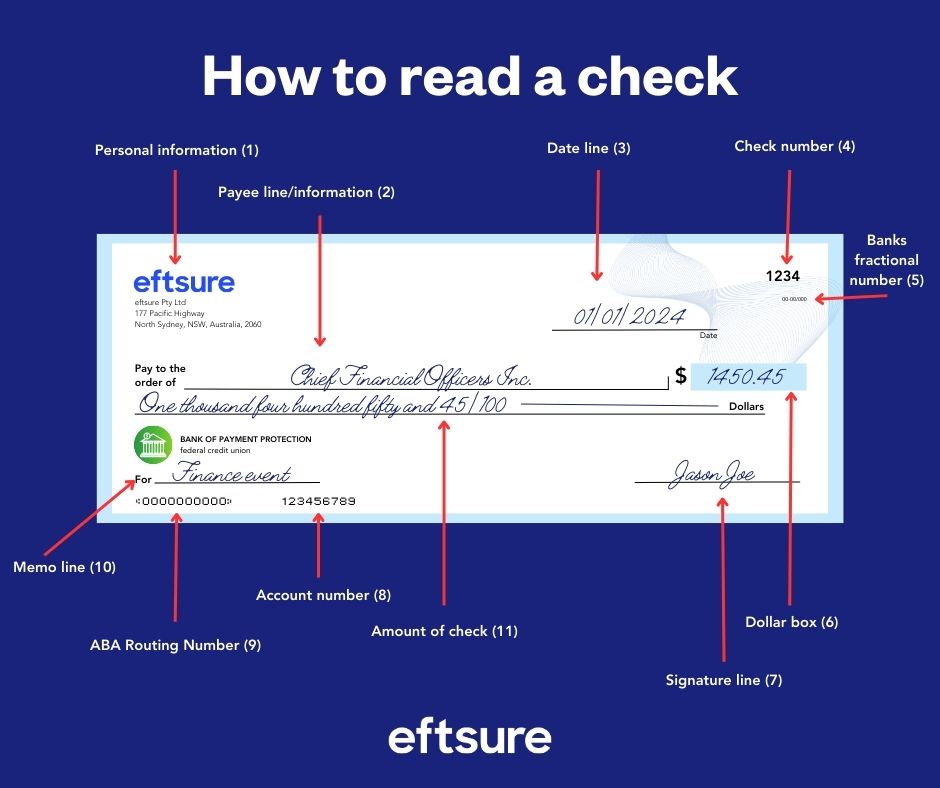
If you still use a physical checkbook, your account number is printed directly on every check. At the bottom of a standard check, you will see three sets of numbers printed in a special font (known as MICR, or Magnetic Ink Character Recognition):
-
The Routing Number: The first nine digits on the left.
-
The Account Number: The middle set of numbers. It is important to note that the length of this number varies by bank, ranging from 8 to 12 digits.
-
The Check Number: The final, shorter set of digits on the right, which matches the number in the top right corner of the check.
Bank Correspondence and Welcome Kits
When you first opened your account, the bank likely provided a “Welcome Kit” or a “New Account Disclosure” packet. This paperwork contains your permanent account details. Additionally, if you receive paper statements in the mail, your full account number is printed on these documents. It is a best practice in personal finance to keep these documents in a fireproof safe or a locked filing cabinet.
Visiting a Local Branch
If you are unable to find your number through digital or paper means, you can visit a physical branch of your bank. For security and anti-money laundering (AML) compliance, you will be required to present a valid government-issued photo ID, such as a driver’s license or passport. A personal banker can then provide you with your account details and even print a “direct deposit form” that includes both your routing and account numbers for your convenience.
Security Best Practices for Your Financial Identification
Because your account number is the “key” to your funds, it must be handled with the same level of care as your Social Security number or your digital passwords. In the realm of business finance and personal security, a leaked account number can lead to unauthorized ACH withdrawals or identity theft.
Guarding Against Identity Theft
Never provide your account number over the phone or via email unless you initiated the contact and are certain of the recipient’s identity. Scammers often use “phishing” or “vishing” (voice phishing) tactics, pretending to be bank representatives or government officials to extract this information. Real financial institutions will never ask you to send your full account number via an unencrypted email.
Best Practices for Sharing Information
When you must share your account number—for instance, when setting up a payroll connection—use secure, encrypted portals whenever possible. If you are sending a copy of a voided check, ensure you are using a secure file-transfer service rather than a standard email attachment. Furthermore, always monitor your account activity weekly. If you see unauthorized “micro-deposits” or small withdrawals you don’t recognize, it may be a sign that your account number has been compromised.
Specialized Scenarios: Credit Unions and International Transfers
Depending on the type of financial institution or the geographic location of your transactions, the process for identifying your account number may involve additional complexity.
Credit Unions and Member Numbers
In the world of credit unions, there is often a distinction between a “Member Number” and an “Account Number.” Your member number identifies you as an owner-member of the credit union, while you may have separate account numbers for your checking, savings, and money market accounts. When setting up transfers, ensure you are using the specific account number rather than the general member number, as using the latter can result in rejected transactions.
International Transfers: IBAN and SWIFT
If you are conducting business finance or sending money internationally, a standard domestic account number is often insufficient. Most of the world uses the International Bank Account Number (IBAN) system. An IBAN is an alphanumeric string that includes a country code, check digits, the bank identifier, and the domestic account number.
If you are receiving money from abroad into a U.S. account, you will typically need to provide your domestic account number along with a SWIFT/BIC code. You can usually find your bank’s SWIFT code on their website under “International Wiring Instructions.” Understanding these global identifiers is essential for anyone engaged in the modern gig economy or international investing.
Business Accounts and Sub-Accounts
For entrepreneurs and business owners, managing multiple sub-accounts for taxes, payroll, and operations is common. It is vital to keep a precise ledger of which account number corresponds to which business function. Mixing these up can lead to significant accounting errors and complications during tax season. Many business banking platforms allow you to “nickname” accounts in the digital interface, which helps prevent errors when retrieving numbers for different vendors.
By mastering the retrieval and protection of your account number, you fortify the foundation of your financial life. Whether through a high-tech app or a traditional paper check, having this information at your fingertips ensures that you can move capital efficiently and securely in an increasingly fast-paced economic environment.
aViewFromTheCave is a participant in the Amazon Services LLC Associates Program, an affiliate advertising program designed to provide a means for sites to earn advertising fees by advertising and linking to Amazon.com. Amazon, the Amazon logo, AmazonSupply, and the AmazonSupply logo are trademarks of Amazon.com, Inc. or its affiliates. As an Amazon Associate we earn affiliate commissions from qualifying purchases.