
In the modern financial landscape, precision is the cornerstone of every transaction. Whether you are setting up a direct deposit for a new job, authorizing an automated bill payment, or transferring funds between different financial institutions, you will inevitably be asked for your bank’s routing number. Often referred to as an ABA routing transit number (RTN), this nine-digit code serves as the digital address for your bank, ensuring that money moves through the Federal Reserve’s electronic systems to the correct destination.
Understanding how to locate and verify this number is a fundamental skill in personal finance management. While it may seem like a minor technical detail, using an incorrect routing number can lead to significant delays, rejected transactions, or even funds being directed to the wrong institution. This guide provides a comprehensive overview of how to find your routing number and why this information is vital for your financial operations.

Understanding the Significance of Your Bank Routing Number
Before searching for the digits, it is essential to understand what a routing number actually represents. This knowledge helps you distinguish between different types of financial codes and ensures you are providing the correct information for the specific type of transaction you are performing.
What is an ABA Routing Number?
The American Bankers Association (ABA) developed the routing number system in 1910 to simplify the sorting and shipment of paper checks. Today, it serves as a critical identifier in the electronic age. A routing number is a nine-digit sequence that identifies a specific financial institution in the United States.
The number is structured logically: the first four digits identify the Federal Reserve district where the bank is located, the next four represent the specific bank itself, and the final digit is a “check digit” used by computers to verify the validity of the previous eight numbers. This system allows the Automated Clearing House (ACH) and the Federal Reserve to route trillions of dollars annually with near-perfect accuracy.
Why the Routing Number Matters for Your Financial Health
In the world of personal finance, the routing number is the bridge between your private account and the broader banking network. You need it for several key activities:
-
Direct Deposit: To receive your paycheck or government benefits (like Social Security or tax refunds) electronically.
-
Automatic Bill Pay: To allow utility companies or mortgage lenders to withdraw funds directly from your account.
-
Wire Transfers: To send or receive large sums of money quickly, often for real estate transactions or high-value investments.
-
Peer-to-Peer Transfers: Linking your bank account to apps like Venmo, PayPal, or Cash App.
Without a valid routing number, your account exists in isolation, unable to interact with the external financial ecosystem.
Proven Methods to Locate Your Routing Number Quickly
Finding your routing number does not require a trip to a physical bank branch. Because this number is public-facing information for the bank (unlike your private account number), it is accessible through several convenient channels.
Checking Your Paper Checks
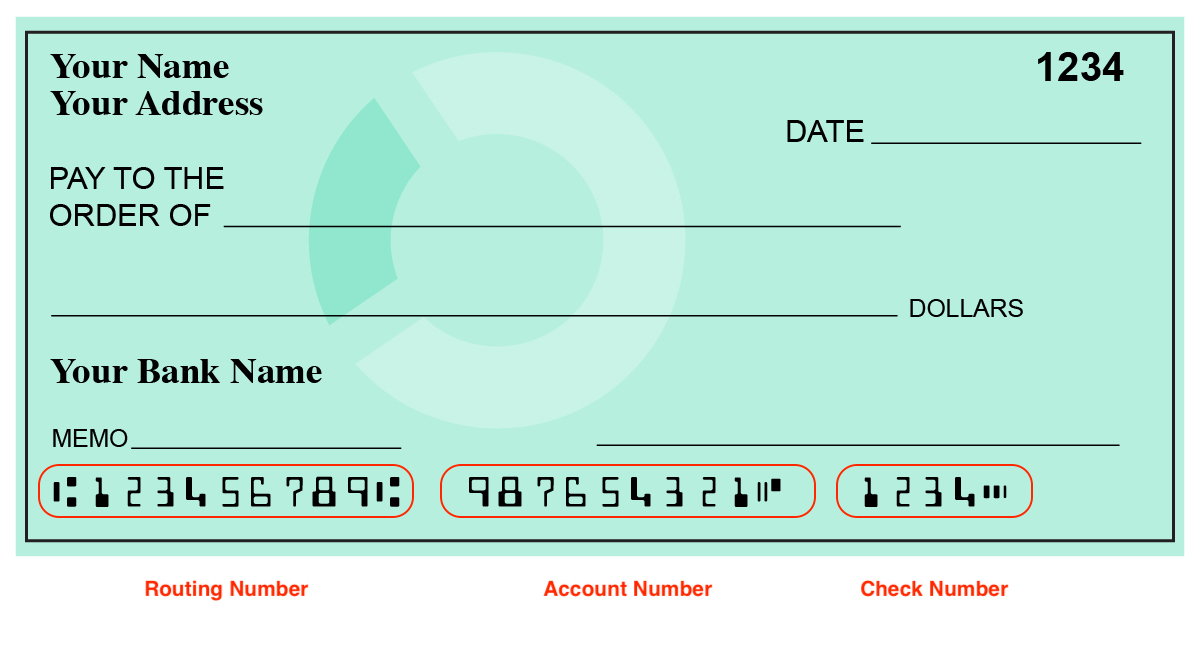
The most traditional and often fastest way to find your routing number is by looking at a physical check associated with your account. If you look at the bottom of a check, you will see a string of numbers printed in a specialized font (known as MICR, or Magnetic Ink Character Recognition).
There are typically three sets of numbers at the bottom of a check:
-
The Routing Number: This is almost always the first set of nine digits on the far left. It is encased by two identical symbols that look like a vertical line and a colon.
-
The Account Number: This is the middle set of numbers. It is unique to you and should be protected.
-
The Check Number: This is the short sequence on the far right that corresponds to the number in the top-right corner of the check.
If you are using a deposit slip rather than a check, be cautious. Some banks use different routing numbers for deposits than they do for electronic payments. Always verify with the primary check layout if possible.
Utilizing Mobile Banking and Online Portals
As digital banking becomes the standard, most consumers find their routing numbers via a mobile app or a web browser. Once you log into your secure banking portal, navigate to the “Account Details” or “Account Summary” section.
Most major financial institutions provide a “Show Details” or “Routing Information” link near your balance. One significant advantage of using the app is that it often distinguishes between the routing number for “ACH/Direct Deposit” and the routing number for “Wire Transfers.” These are not always the same, and using the wrong one can cause a transaction to fail.
Reviewing Monthly Bank Statements
If you do not have a checkbook and cannot access your mobile app, your monthly bank statement is a reliable secondary source. Statements are typically provided as PDF downloads in your online banking account or mailed to your home.
The routing number is usually located at the top of the statement, near the bank’s logo or within the account summary box. If you have multiple accounts at the same bank (such as a checking and a savings account), check each section carefully, as they may share the same routing number but have different account numbers.
Advanced Scenarios: Wire Transfers, International Payments, and Multiple Routing Numbers
While most people use a single routing number for everything, sophisticated financial management often involves scenarios where a standard ABA number is insufficient or incorrect.
Routing Numbers vs. SWIFT/BIC Codes
If you are receiving money from an international source or sending funds abroad, an ABA routing number is usually not enough. International transactions utilize the SWIFT (Society for Worldwide Interbank Financial Telecommunication) network.
In these cases, you will need a SWIFT code or a BIC (Bank Identifier Code). While the ABA routing number identifies banks within the U.S., the SWIFT code identifies banks globally. Most U.S. banks have a specific SWIFT code that is distinct from their domestic routing number. If you are involved in international business or personal transfers, ensure you have both the domestic routing number and the SWIFT code on hand.
Why Some Banks Have Multiple Routing Numbers
Large national banks often have dozens of routing numbers. This is usually a result of mergers and acquisitions. For example, if a large bank in New York buys a smaller bank in California, the accounts in California might retain their original routing number for years to ensure continuity for customers.
Furthermore, banks frequently use separate routing numbers for different types of transactions:
-
ACH Routing Number: Used for direct deposits and electronic bill payments.
-
Wire Routing Number: Used specifically for domestic wire transfers.
-
Paper/Check Routing Number: Used for processing physical checks.
Before initiating a high-value transfer, it is a best practice to visit the bank’s official website and use their “Routing Number Lookup” tool to confirm you have the specific code for the type of transfer you are performing.
Protecting Your Sensitive Financial Information
In the realm of personal finance, security is just as important as accessibility. While routing numbers are not strictly “secret,” how you handle them matters for your overall digital security.
Is a Routing Number Sensitive Data?
A routing number by itself is public information. You can find the routing numbers for major banks like Chase, Wells Fargo, or Bank of America with a simple Google search. Knowing a bank’s routing number does not allow someone to access your funds.
However, the combination of your routing number and your account number is highly sensitive. With these two pieces of information, an unauthorized individual could potentially initiate an ACH withdrawal from your account. Therefore, you should never post photos of your checks on social media or provide these numbers to unverified sources over email or text.
Recognizing Common Financial Fraud Tactics
Phishing remains a significant threat to financial security. Fraudsters often pose as bank representatives or government officials, claiming they need your routing and account numbers to “verify” an account or “issue a refund.”
Legitimate institutions will almost never ask for this information via an unsolicited phone call or email because they already have it on file. Always initiate contact with your bank through their verified customer service line or secure messaging portal if you are asked to provide your banking details.

Troubleshooting Common Issues When Locating Banking Information
Despite the availability of this information, consumers often run into hurdles. One common issue occurs when a bank undergoes a merger. During a transition, the old routing number may remain valid for a “grace period,” but eventually, the bank will require all customers to switch to a new number. If your direct deposits suddenly stop working, a change in the bank’s routing number is a likely culprit.
Another common point of confusion is the difference between a checking and savings routing number. While many banks use the same routing number for all personal accounts, some use different ones to manage their internal ledgers. When setting up a transfer, always double-check the specific account “Details” tab in your mobile app to ensure accuracy.
By mastering the simple task of finding and verifying your routing number, you gain better control over your financial transactions. Whether you are building a side hustle that requires digital payments or simply organizing your household bills, having this nine-digit code ready ensures that your money moves efficiently and securely through the global financial network.
aViewFromTheCave is a participant in the Amazon Services LLC Associates Program, an affiliate advertising program designed to provide a means for sites to earn advertising fees by advertising and linking to Amazon.com. Amazon, the Amazon logo, AmazonSupply, and the AmazonSupply logo are trademarks of Amazon.com, Inc. or its affiliates. As an Amazon Associate we earn affiliate commissions from qualifying purchases.