
Navigating the modern financial landscape requires a fundamental understanding of the tools and identifiers that keep the global banking system moving. Among the most critical pieces of information for any bank account holder are the routing and account numbers. These digits act as the digital coordinates for your money, ensuring that deposits, transfers, and payments reach the correct destination with precision. Whether you are setting up direct deposit for a new job, linking a brokerage account for investment purposes, or paying monthly bills via ACH, knowing exactly where to find and how to verify these numbers is a cornerstone of personal financial management.

Understanding the Anatomy of Your Bank Account
Before diving into the methods of locating these numbers, it is essential to understand what they represent and why they are structured the way they are. In the United States, the banking system relies on a standardized numerical system to facilitate the trillions of dollars moved every year.
What is a Routing Number?
A routing transit number (RTN) is a nine-digit code used to identify a specific financial institution within the United States. Developed by the American Bankers Association (ABA) in 1910, this number was originally designed to make the processing of paper checks more efficient. Today, it serves as the primary identifier for electronic transactions.
The nine digits are not random. The first two digits indicate the Federal Reserve district where the bank is located. The third digit identifies the Federal Reserve check processing center assigned to that bank. The fourth digit represents the state where the bank is headquartered. The remaining digits identify the specific bank itself and include a “check digit” at the end to verify the authenticity of the entire string through a specific mathematical formula.
What is an Account Number?
While the routing number identifies the bank, the account number identifies you. It is a unique string of digits—typically between 8 and 12, though it can vary by institution—that points directly to your specific checking, savings, or money market account. Unlike the routing number, which is shared by thousands of customers at the same institution, your account number is private and unique to your financial relationship with the bank.
The Difference Between ABA and ACH Routing Numbers
It is a common misconception that every bank has only one routing number. Many large financial institutions utilize different routing numbers depending on the type of transaction or the geographic region where the account was opened. For instance, you might have one routing number for paper checks and domestic wire transfers (the ABA number) and a slightly different one for electronic transfers and direct deposits (the ACH number). Always verify which specific number is required for the transaction you are initiating to avoid delays or rejected transfers.
Common Methods to Locate Your Numbers
In an era of multi-channel banking, there are several ways to access your financial identifiers. Depending on whether you prefer physical documents or digital interfaces, you can find your routing and account numbers in seconds.
Reading a Personal Check
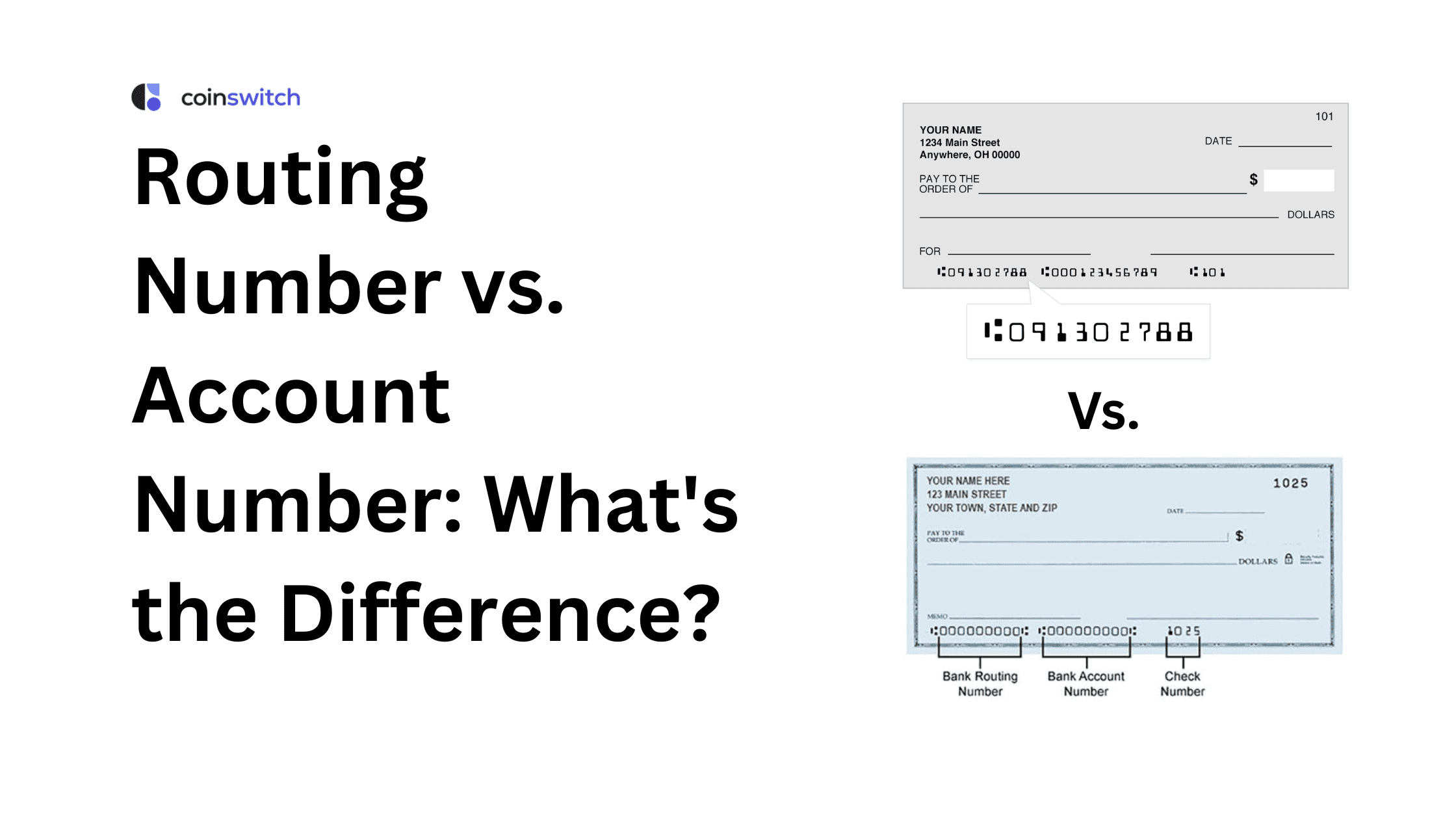
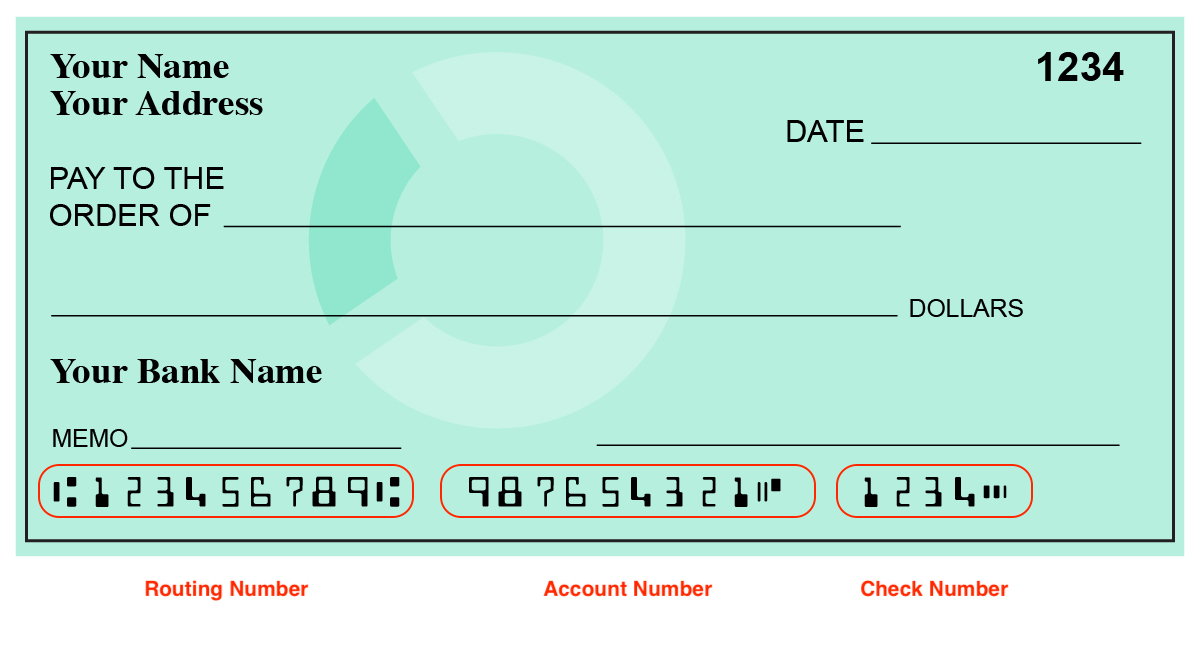
The most traditional and often the easiest way to find these numbers is by looking at a physical check from your checkbook. If you look at the bottom of a check, you will see a string of numbers printed in a specialized font known as MICR (Magnetic Ink Character Recognition). This string is generally divided into three distinct sections:
-
The Routing Number: This is the first nine-digit sequence on the far left. It is always flanked by a specific symbol that looks like a vertical line and a colon.
-
The Account Number: This is the middle sequence of numbers. It is usually followed by a symbol that resembles a small square or a dash.
-
The Check Number: This is the last, shortest sequence on the right. It should match the check number printed in the top-right corner of the document.
Note that some banks may flip the order of the account and check numbers, so it is vital to look for the symbols to distinguish between them.
Using Online Banking and Mobile Apps
For those who have moved away from paper checks, digital banking platforms provide instant access to account details. Most modern mobile apps have a streamlined “Account Details” or “Manage Account” section. After logging in through secure biometric or two-factor authentication, you can typically tap on a specific account (e.g., “Total Checking”) to view its details.
In many apps, the account number is masked for security (showing only the last four digits). You will usually find an “eye” icon or a “Show full number” button that allows you to reveal the complete string. The routing number is often listed right next to it, labeled as “Routing” or “Transit Number.”
Reviewing Monthly Bank Statements
Your monthly bank statement—whether received via mail or downloaded as a PDF—is a legal record of your financial activity and contains all necessary identifying information. These numbers are typically located at the top of the first page, near the bank’s logo and your personal contact information. The statement will clearly label the “Account Number” and often provide the “Routing Number” for use in reconciling the statement or setting up external transfers.
Digital Tools and Alternative Discovery Methods
If you do not have a checkbook or access to your online portal, there are still several professional avenues to retrieve your information securely.
The Bank’s Official Website
Many banks provide their routing numbers publicly on their websites because, unlike account numbers, routing numbers are not private. You can often find them by searching the bank’s name followed by “routing number” and your state of residence. Most major banks have a dedicated “Help” or “FAQ” page that lists their routing numbers based on the type of transaction (ACH vs. Wire) and the state where the account was opened.
Contacting Customer Service
If you are unsure about which routing number to use, the most reliable method is to contact the bank directly. You can call the customer service number found on the back of your debit card. After verifying your identity through their security protocols, the representative can provide the exact routing number needed for your specific transaction type. This is particularly important for international wire transfers, which may require a SWIFT/BIC code in addition to or instead of a standard domestic routing number.
Third-Party Financial Apps
If you have already linked your bank account to a reputable financial app like a budgeting tool or a payment platform (such as Venmo or PayPal), you may be able to see the linked account details within that app’s settings. However, for security reasons, many of these platforms only display the last four digits of the account number. While this can help you confirm which bank you have linked, it is rarely a reliable way to retrieve the full number for a new setup.
Security Best Practices for Your Financial Data
Because your routing and account numbers are the keys to your financial house, protecting them is a vital aspect of modern money management. If a bad actor gains access to both numbers, they can potentially initiate unauthorized ACH withdrawals or create fraudulent checks.
Protecting Your Account Information from Fraud
-
Secure Your Physical Checks: Treat your checkbook like cash. Store it in a locked drawer or a safe. When you run out of checks or close an account, shred any remaining blanks.
-
Use Secure Networks: Never access your online banking or view your account numbers over public Wi-Fi. Always use a secure, private connection or a VPN (Virtual Private Network).
-
Enable Alerts: Most banks allow you to set up notifications for any “Card Not Present” transactions or ACH transfers. This acts as an early warning system if your account numbers have been compromised.
-
Practice Smart Sharing: Only provide your routing and account numbers to trusted, verified entities. This includes your employer for payroll, government agencies for tax refunds, and established utility or service providers.
When to Share Your Numbers—and When Not To
In the world of personal finance, there is a clear distinction between a “Push” and a “Pull” transaction. When you “push” money (like using a bill pay service inside your bank’s app), you are in control. When you “pull” money (giving your numbers to a gym or a utility company to automatically debit your account), you are granting that entity permission to access your funds. Be selective about who you grant “pull” access to, as it can be more difficult to stop these payments once they are initiated.
Why These Numbers Matter for Your Financial Health
Understanding how to find and use these numbers is not just a clerical task; it is an essential part of optimizing your financial life. Accurate usage of these identifiers facilitates the speed and reliability of your money’s movement.
Streamlining Direct Deposits and Automatic Payments
The fastest way to grow wealth is to automate your savings. By correctly identifying your routing and account numbers, you can set up direct deposits that split your paycheck between a checking account for spending and a high-yield savings account for investing. This “pay yourself first” strategy is the bedrock of many successful financial plans, and it relies entirely on the accuracy of your banking identifiers.
Facilitating Wire Transfers and International Transactions
For large financial moves, such as a down payment on a home or an international investment, wire transfers are often the required method of payment. These transactions are typically irreversible and involve large sums, making the accuracy of your routing and account numbers paramount. A single digit error can lead to a “misdirected wire,” which can take days or even weeks of professional intervention to resolve.
Consolidating Financial Tools
As you expand your financial portfolio to include brokerage accounts, IRAs, and various fintech apps, you will constantly be asked for your “funding source.” Being able to quickly and accurately provide your routing and account numbers ensures that your financial ecosystem remains interconnected. This connectivity allows for seamless rebalancing of assets and ensures that your capital is always working for you, rather than sitting idle due to a failed transfer or a “return to sender” error.
In conclusion, your routing and account numbers are more than just a string of digits; they are the fundamental building blocks of your digital financial identity. By knowing where to find them and understanding how to protect them, you empower yourself to navigate the world of personal finance with confidence, security, and efficiency. Whether you are managing daily expenses or building long-term wealth, these numbers are the essential connectors that keep your financial journey on track.
aViewFromTheCave is a participant in the Amazon Services LLC Associates Program, an affiliate advertising program designed to provide a means for sites to earn advertising fees by advertising and linking to Amazon.com. Amazon, the Amazon logo, AmazonSupply, and the AmazonSupply logo are trademarks of Amazon.com, Inc. or its affiliates. As an Amazon Associate we earn affiliate commissions from qualifying purchases.