
In the modern financial landscape, your bank account number serves as the primary gateway for your capital. It is the unique identifier that ensures funds are directed to the correct recipient, whether you are receiving a paycheck, paying a mortgage, or setting up an automated investment plan. Despite its importance, many individuals find themselves searching for this critical piece of information during pivotal moments. Understanding how to locate and verify your bank account number is not just a matter of convenience; it is a fundamental aspect of financial literacy and security.
As we transition further into a digital-first economy, the methods for accessing financial data have evolved. While the traditional paper check remains a reliable source, digital platforms offer instantaneous access that aligns with the pace of contemporary business. This guide explores the various channels available for retrieving your account number, the structural differences between various financial identifiers, and the security protocols necessary to protect your financial identity.
Primary Methods to Locate Your Bank Account Number
The ability to quickly and accurately identify your account number is essential for managing personal and business finances. Fortunately, financial institutions provide multiple touchpoints for customers to access this data securely.
Utilizing Physical Personal Checks
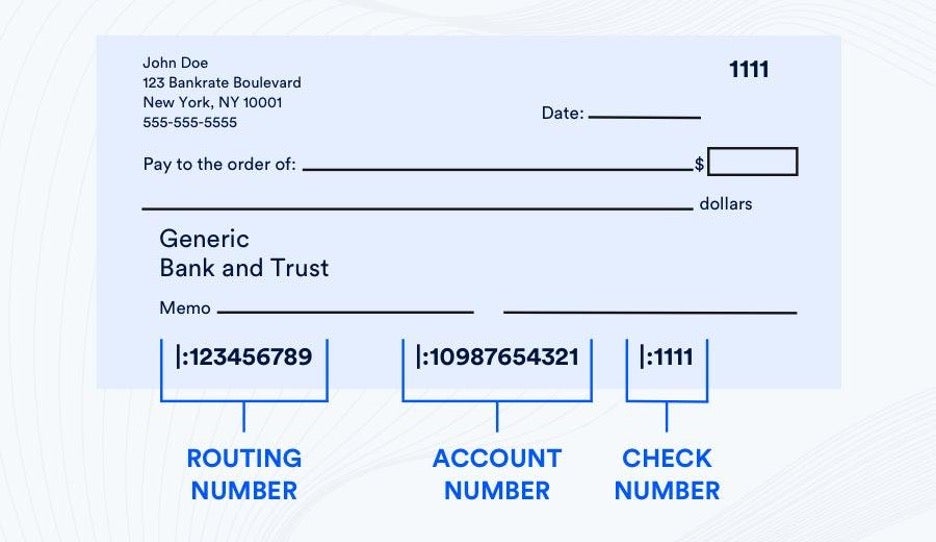
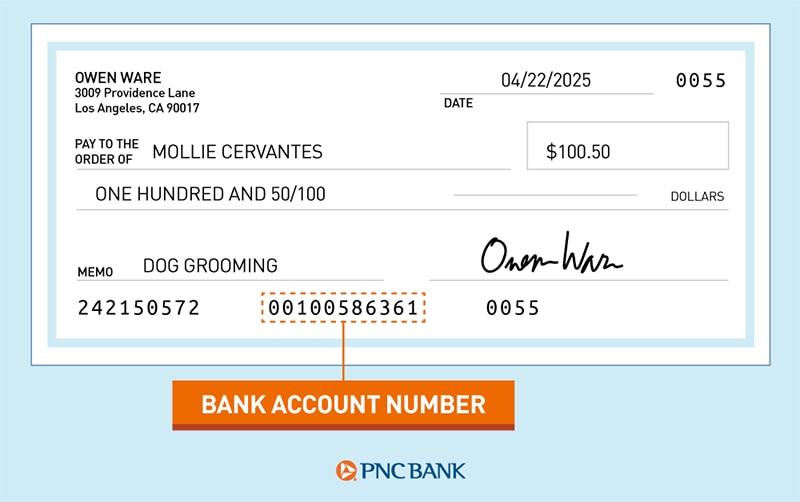
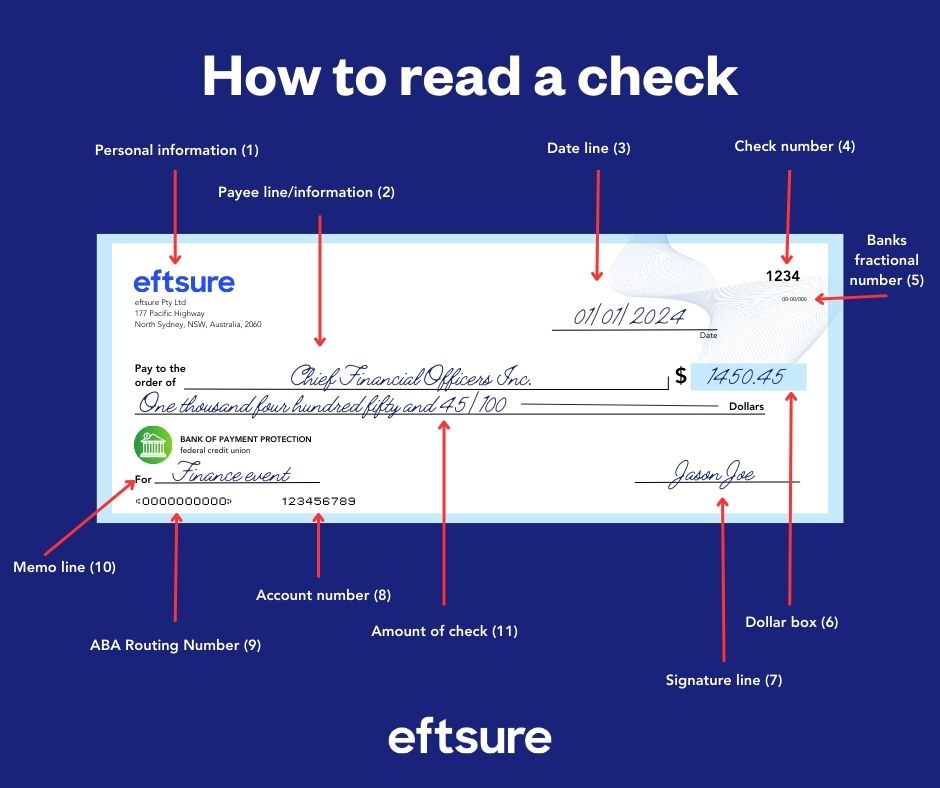
For many, the most direct way to find a bank account number is by looking at a personal check. At the bottom of every check, there is a string of numbers printed in a special font known as MICR (Magnetic Ink Character Recognition). This line typically contains three distinct sets of numbers:
-
The Routing Number: Usually the first nine-digit sequence on the left. This identifies the specific financial institution.
-
The Account Number: Generally the middle sequence of numbers. While lengths can vary by bank, this is your unique internal identifier.
-
The Check Number: The final, shorter sequence on the right, which corresponds to the number in the top right corner of the check.
When providing your account number for a direct deposit or an ACH transfer, it is vital to exclude the check number and focus solely on the middle sequence.
Leveraging Mobile and Online Banking Platforms
In the era of FinTech, mobile apps and online banking portals have become the primary tools for account management. Most banks hide account numbers behind a “mask” (e.g., ****6789) for security purposes. To view the full number, you typically need to:
-
Log in to your secure portal: Navigate to the specific account (Checking, Savings, etc.).
-
Select “Account Details” or “Show Details”: Banks often include an icon—frequently an “eye” symbol—that allows you to reveal the full digits.
-
Authentication: Many apps will require a second layer of authentication, such as a biometric scan or a one-time passcode, before displaying the sensitive information.
This method is highly secure and ensures that you are viewing the most current information associated with your digital profile.
Reviewing Bank Statements and Paper Correspondence
If you do not have a checkbook or access to digital banking, your monthly bank statement is a definitive legal document that contains your account number. Whether you receive these via physical mail or as a downloaded PDF (e-statement), the account number is prominently displayed, usually at the top of the first page.
It is important to note that some institutions may also truncate the number on physical mail to prevent identity theft in the event of mail interception. In such cases, the digital PDF version found within your secure online portal is usually the most complete version available.
Understanding the Architecture of Financial Identifiers
To manage money effectively, one must distinguish between the various strings of numbers that facilitate global and domestic commerce. Confusing an account number with a routing number or an IBAN can lead to failed transactions, late fees, and administrative headaches.
Account Numbers vs. Routing Numbers
The distinction between these two identifiers is fundamental to the American banking system. A routing number (also known as an ABA routing transit number) acts like an address for the bank itself. It tells the financial system which “building” the money needs to go to. In contrast, the account number identifies the specific “room” within that building where the funds belong.
For those involved in business finance or side hustles, providing both numbers is mandatory for setting up payment gateways or receiving client payments. While a routing number might be shared by thousands of customers at the same institution, your account number is your unique financial fingerprint.
The Complexity of International Banking: IBAN and SWIFT
For individuals engaged in international trade, investing in foreign markets, or sending money to family abroad, the standard domestic account number is often insufficient. Most of the world (outside the United States) utilizes the International Bank Account Number (IBAN) system.
The IBAN is an expanded version of your account information that includes a country code, check digits, and the domestic bank code. Similarly, the SWIFT or BIC code is used to identify specific banks globally during international wire transfers. When checking for your account number for international purposes, ensure you are retrieving the IBAN format, which is often listed separately in your online banking “International Transfers” section.
Safeguarding Your Financial Identity
The bank account number is a sensitive piece of “Personally Identifiable Information” (PII). In the wrong hands, it can be used for unauthorized ACH withdrawals or as a component of a larger identity theft scheme. Professional financial management requires a proactive approach to data security.
Security Protocols for Sharing Account Information
When you are required to share your account number—such as when setting up a new utility bill or a direct deposit for a new job—ensure the channel is secure.
-
Avoid Email: Never send your full account and routing numbers via unencrypted email. Email is one of the most common vectors for data interception.
-
Use Secure Portals: When connecting accounts to investment platforms or budgeting apps, look for integrations like Plaid, which use high-level encryption to link accounts without exposing your raw credentials to the third-party service.
-
Verify the Recipient: Before providing information over the phone, confirm that you have initiated the call to a verified customer service number. Banks will almost never call you and ask for your full account number out of the blue.
Recognizing and Avoiding Financial Phishing
Phishing remains a significant threat to personal finance. Scammers often send sophisticated emails or text messages masquerading as your bank, claiming there is an “issue” with your account and asking you to “verify” your account number.
A legitimate financial institution will never ask you to provide your full account number via a link in a text message. If you receive such a request, the safest course of action is to navigate directly to the bank’s official website or app independently of the message to check for alerts.
The Strategic Importance of Your Account Number in Modern Finance
Beyond mere identification, your bank account number is a tool for building wealth and streamlining your financial life. When used strategically, it enables the automation that is the hallmark of successful personal finance.
Streamlining Direct Deposits and Automated Payments
One of the most effective ways to build a “Side Hustle” or a robust savings account is through the use of direct deposit. By providing your account number to your employer’s payroll department, you can often split your paycheck so that a portion goes directly into a high-yield savings account or an investment brokerage before you even see it. This “pay yourself first” mentality is facilitated entirely by the accuracy of your account number data.
Similarly, setting up automated bill pay ensures that your credit score remains protected by avoiding late payments. Understanding how to correctly input your account number into these systems is the first step toward a “set it and forget it” financial strategy.
Integration with Financial Management Tools
For those serious about investing and budgeting, the account number is the link that connects various pieces of the financial puzzle. Modern budgeting tools and net-worth trackers require these numbers to aggregate data, providing you with a holistic view of your financial health.
When you check for your account number to link these services, you are essentially creating a map of your capital. This allows for better tracking of expenses, analysis of investment performance, and the identification of redundant fees that might be draining your wealth.
Conclusion: Mastery of Your Financial Data
Checking for your bank account number may seem like a basic administrative task, but it is a vital component of professional financial management. Whether you are retrieving it from the bottom of a check, a secure mobile app, or a formal bank statement, accuracy and security should be your top priorities.
By understanding the difference between routing numbers, account numbers, and international codes, you position yourself to navigate the global economy with confidence. Protecting this information with the same diligence you use for your Social Security number or your digital passwords ensures that your hard-earned capital remains secure while it works for you in the various avenues of saving, spending, and investing. Mastery of these details is the foundation upon which a secure and prosperous financial future is built.
aViewFromTheCave is a participant in the Amazon Services LLC Associates Program, an affiliate advertising program designed to provide a means for sites to earn advertising fees by advertising and linking to Amazon.com. Amazon, the Amazon logo, AmazonSupply, and the AmazonSupply logo are trademarks of Amazon.com, Inc. or its affiliates. As an Amazon Associate we earn affiliate commissions from qualifying purchases.