
In the landscape of American banking, JPMorgan Chase stands as a titan, serving millions of individual and corporate clients. For many, the daily interaction with their bank happens via a smartphone screen or a tap of a plastic card, making the specific details of account architecture feel secondary. However, the moment you need to set up a direct deposit, link a third-party investment app, or initiate a wire transfer, the specifics of your account number become paramount. Knowing exactly how many digits make up a Chase bank account number—and understanding how that number functions within the broader financial system—is a fundamental pillar of personal financial literacy.
Generally, a Chase bank account number consists of 9 to 12 digits. While most modern checking and savings accounts issued by Chase stick to a 9-digit or 12-digit format, the variation exists due to the bank’s long history of acquisitions and the integration of various regional banking systems over decades.
Decoding the Chase Bank Account Structure
To manage your finances effectively, it is essential to distinguish between the various strings of numbers associated with your Chase account. Many consumers confuse their account number with their routing number or their 16-digit debit card number, leading to failed transactions or security risks.
The Account Number vs. The Routing Number
A Chase account number is unique to your specific relationship with the bank. If you have both a total checking account and a premier savings account, each will have its own distinct 9 to 12-digit identifier. Conversely, the routing number—often called the ABA routing transit number—is a 9-digit code that identifies the financial institution itself. Chase uses different routing numbers based on the state or region where the account was opened. While thousands of people share the same routing number, your account number is your unique financial fingerprint within the Chase ecosystem.
Why the Length Varies
You might wonder why some Chase customers have 9-digit numbers while others have 12. This discrepancy is largely a result of Chase’s corporate evolution. As Chase acquired other institutions like Washington Mutual or Bear Stearns, it inherited different core banking platforms. Over time, Chase has standardized much of its infrastructure, but legacy account structures sometimes persist. Regardless of whether yours is 9, 10, or 12 digits, the number serves the same purpose: it tells the Automated Clearing House (ACH) or a wire system exactly which internal “bucket” the money should land in.
The Role of the Check Digit
Within those 9 to 12 digits, the final number often acts as a “check digit.” This is a form of redundancy check used for error detection. When you type your account number into a payroll portal, the system often runs an algorithm to ensure the sequence of numbers is valid. This prevents a simple typo from sending your paycheck into the void.
How to Securely Locate Your Chase Account Details
In an era of high-speed digital finance, finding your account information should be quick, but it must also be secure. Chase provides several avenues for customers to access their account numbers without compromising their financial integrity.
Utilizing the Chase Mobile App and Online Banking
The most common way to find your account number is through the Chase Mobile app or the official website. After logging in with biometric data or multi-factor authentication, you can click on a specific account (e.g., “Chase Total Checking”). For security reasons, the full account number is usually masked (showing only the last four digits). To see the full 9 to 12 digits, you must click on “Account Details” or tap the “show” icon (often represented by an eye symbol). This digital barrier ensures that someone glancing at your phone cannot easily harvest your full account information.
Navigating Paper and PDF Statements
Your monthly bank statements are the most authoritative source of account information. At the top of every statement, Chase lists the account number associated with that document. If you have opted out of paper statements for environmental or security reasons, you can download a PDF version of your statement through the “Statements & Documents” tab on the Chase website. These documents are essential for verifying your account when applying for a mortgage or a high-value personal loan.
The Anatomy of a Personal Check
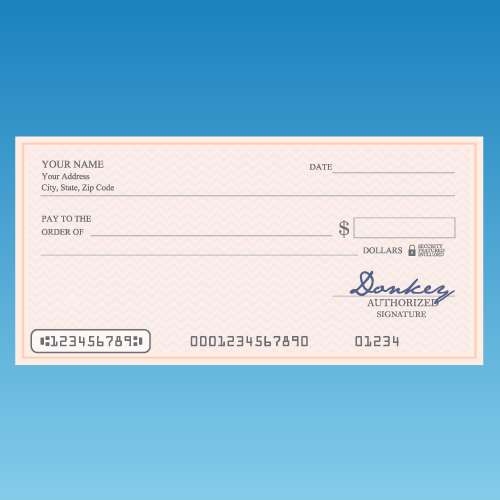
If you still use paper checks, your Chase account number is printed clearly at the bottom. On a standard check, you will see three distinct sets of numbers printed in MICR (Magnetic Ink Character Recognition) font. The first set is the 9-digit routing number. The second set, usually located in the middle, is your unique Chase account number. The third, shorter set is the check number itself. This physical layout has been the standard of American banking for over half a century.
The Difference Between Account Numbers and Debit Card Numbers

A frequent point of confusion for new bank customers is the difference between the 16-digit number on their Visa or Mastercard debit card and their Chase account number. This distinction is critical for maintaining financial security and ensuring the success of your payments.
The Function of the 16-Digit Card Number
The number on your debit card is a “transactional” number. It is used exclusively for point-of-sale purchases, online shopping, and ATM withdrawals. This number is linked to your account, but it is not the account number itself. If you lose your debit card and request a replacement, Chase will issue a new 16-digit card number, but your 9 to 12-digit bank account number will remain exactly the same.
Why You Shouldn’t Use Your Account Number for Retail Purchases
Your account number is a much more sensitive piece of data than your debit card number. While a compromised debit card can be easily canceled and replaced with minimal friction, a compromised account number is much more difficult to resolve. If an unauthorized party gains access to your account and routing numbers, they can potentially initiate ACH transfers directly from your balance. Therefore, you should only provide your Chase account number to trusted entities, such as your employer for payroll or your utility company for bill payments.
Practical Applications: When You Need Your Chase Account Number
Your account number is the “address” for your money. In the modern economy, there are specific scenarios where providing the correct 9 to 12-digit sequence is the only way to move funds successfully.
Setting Up Direct Deposits
Whether you are starting a new job or receiving government benefits, you will need your Chase account and routing numbers. Providing an incorrect number is a common cause of delayed payroll. It is always advisable to use a voided check or a direct deposit form generated directly from the Chase app to ensure the digits are perfectly accurate.
Domestic and International Wire Transfers
Wire transfers are high-speed, irrevocable movements of money. For a domestic wire, you need the standard 9-digit routing number and your specific account number. For international wires (often called SWIFT transfers), the requirements are more complex. While you still need your account number, you will also need the bank’s SWIFT/BIC code and, in some cases, an IBAN (International Bank Account Number). Chase uses specific instructions for incoming international wires that might differ from domestic ones, so always consult the Chase “Global Transfers” guide before proceeding.
Linking Third-Party Financial Tools
From investment platforms like Vanguard to budgeting apps like Mint or YNAB, the modern consumer often links their Chase account to third-party services. Most of these apps use a secure middleman like Plaid to link your account via your login credentials. However, some still require manual entry of your routing and account numbers. When doing this, ensure you are using a secure, encrypted connection and that the app has a reputable security standing.
Safeguarding Your Account Digits in a Digital World
Because your Chase account number grants direct access to your liquid assets, protecting it is a cornerstone of digital security. Financial fraud is becoming increasingly sophisticated, and “account takeover” (ATO) fraud is a rising concern in the banking industry.
Recognizing Phishing and Social Engineering
Chase will never call, text, or email you to ask for your full account number. If you receive a communication claiming there is a “problem with your account” and requesting that you “verify your account number,” it is almost certainly a phishing attempt. Scammers use these tactics to bypass the bank’s internal security and gain the information needed to drain accounts. Always navigate directly to the official Chase website or call the number on the back of your debit card if you suspect an issue.
The Power of Two-Factor Authentication (2FA)
While your account number is a static string of digits, your access to it should be dynamic. By enabling two-factor authentication on your Chase account, you add a layer of protection that goes beyond just a password or an account number. Even if a bad actor manages to find your 12-digit account number, 2FA prevents them from accessing your online portal where they could do the most damage.
What to Do if Your Account Number is Compromised
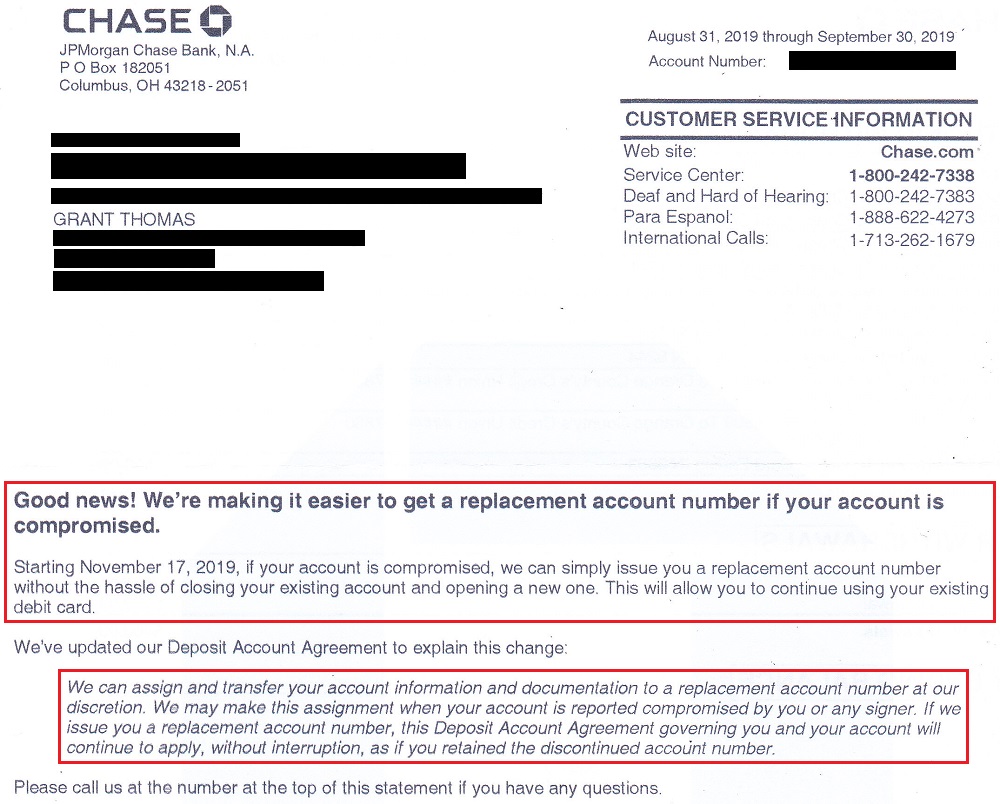
If you believe your account number has been leaked—perhaps through a data breach at a former employer or a lost checkbook—you must act immediately. Contact Chase’s fraud department. In many cases, they will recommend “closing and transferring.” This involves opening a brand-new account with a new 9 to 12-digit number and moving your balance over. While this can be a temporary headache for your automated bills, it is the only way to ensure your funds remain secure once an account number is in the wrong hands.
Understanding the mechanics of your Chase bank account number is about more than just memorizing a sequence of digits. It is about understanding the infrastructure of your financial life. Whether your number is 9, 10, or 12 digits long, it represents your hard-earned capital and your participation in the global economy. By knowing where to find it, how to use it, and how to protect it, you take a vital step toward total financial control.
aViewFromTheCave is a participant in the Amazon Services LLC Associates Program, an affiliate advertising program designed to provide a means for sites to earn advertising fees by advertising and linking to Amazon.com. Amazon, the Amazon logo, AmazonSupply, and the AmazonSupply logo are trademarks of Amazon.com, Inc. or its affiliates. As an Amazon Associate we earn affiliate commissions from qualifying purchases.