
Understanding the intricacies of your banking information is a fundamental pillar of personal finance management. Whether you are setting up a direct deposit for a new job, linking an external investment account, or organizing your monthly bill payments, your Chase account number is the primary identifier that ensures your funds arrive exactly where they are supposed to. For many Chase customers, a common point of confusion arises when they see varying lengths of numbers on different documents or digital platforms.
Typically, a Chase account number consists of 9 to 12 digits. While the exact length can vary depending on when the account was opened, the specific type of account (such as checking, savings, or business), and the region in which the account was established, the 9-to-12-digit range is the standard. In this comprehensive guide, we will explore the structure of these numbers, how to find them securely, and why distinguishing them from other financial identifiers is critical for your financial security and efficiency.

Understanding the Structure and Variation of Chase Account Numbers
The length of a bank account number is not arbitrary; it is determined by the internal systems of the financial institution. In the case of JPMorgan Chase, one of the largest “Big Four” banks in the United States, the account numbering system has evolved over decades through various mergers and acquisitions. This historical context explains why some long-term customers might have 9-digit numbers while newer accounts often lean toward 10 or 12 digits.
Why Does the Length Vary?
The primary reason for the variation in digits is the legacy system of the original branch where the account was opened. Chase has acquired numerous regional banks over the years, including Washington Mutual and Bank One. Each of these institutions had its own unique formatting for account numbers. When Chase integrated these systems, many of the original account number lengths were preserved to minimize disruption for existing customers. Generally, if you opened your account recently, you are most likely to have a 10-digit or 12-digit number.
Account Type Differences
While checking and savings accounts both follow the 9-to-12-digit rule, they are distinct identifiers. It is a common mistake for users to assume that their checking and savings accounts share a root number with a different prefix or suffix. In reality, Chase assigns entirely unique strings of digits to every individual account. This ensures that a transfer intended for your “Total Checking” account doesn’t accidentally land in your “Premier Plus Savings” account.
The Role of Internal Identifiers
Behind those 9 to 12 digits lies a complex internal routing system. While the customer only sees a string of numbers, the bank’s internal ledger uses these digits to identify the branch of origin, the account class, and the individual ownership record. Understanding that your account number is your unique “financial fingerprint” within the Chase ecosystem highlights why it must be handled with the same care as a Social Security number.
How to Securely Locate Your Chase Account Number
In an era of digital-first banking, finding your account number is easier than ever, yet it requires a focus on digital security. Chase provides several avenues for customers to access this information, whether through physical documents or encrypted digital platforms.
Finding the Number via the Chase Mobile App
The most convenient way to find your account number is through the Chase Mobile app. Once you have logged in using biometric authentication (like FaceID or a fingerprint), you can tap on the specific account you wish to view. By tapping on “Account Details” or the “Show” button next to the masked account number (usually displayed as …1234), the full 9-to-12-digit number will be revealed. This method is highly secure as it requires multi-factor authentication to access the app in the first place.
Using Chase Online Banking
For those who prefer a desktop experience, the Chase website offers a similar functionality. After logging into your secure profile, navigate to the “Accounts” summary page. Click on the account name, and look for the “Account Details” section. Just like the mobile app, the website initially masks the number for security. Clicking “Show” or the eye icon will reveal the full sequence. This is particularly useful when you are filling out digital forms for mortgage applications or tax returns and need to copy and paste the number accurately.
Identifying the Number on Physical Checks
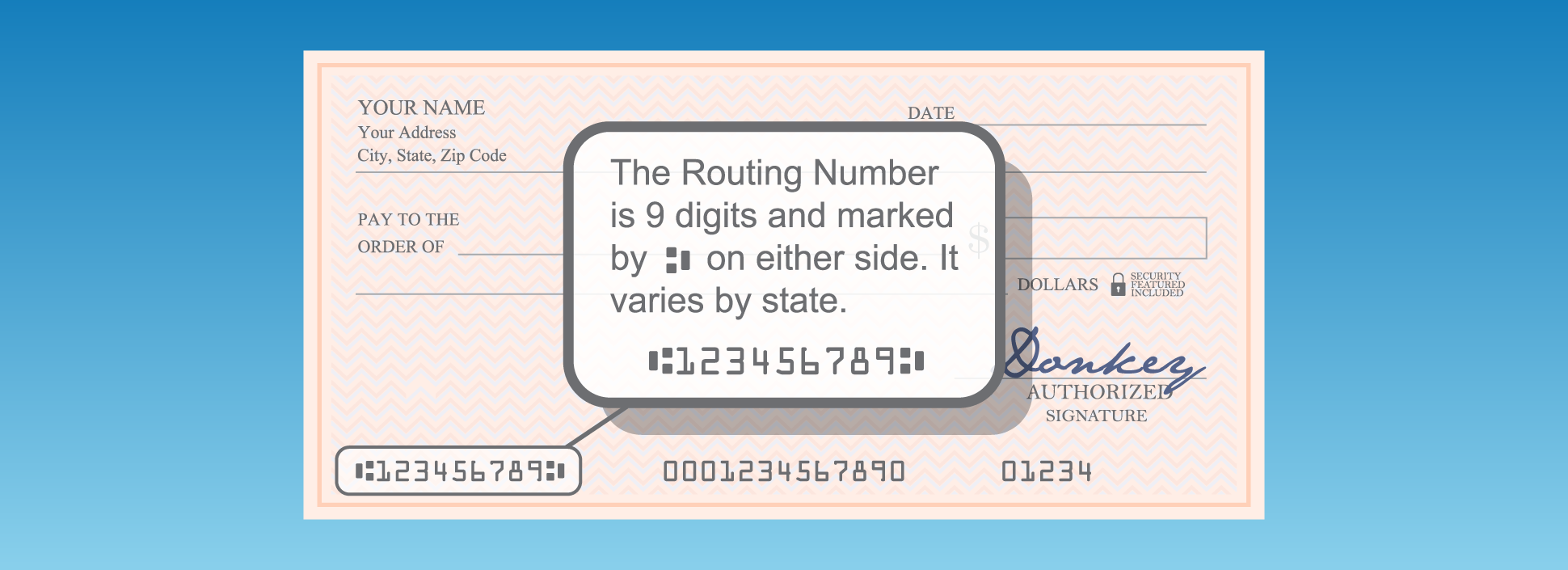
If you still use paper checks, your account number is printed directly on the bottom of every check in the checkbook. This area is known as the MICR (Magnetic Ink Character Recognition) line. The MICR line contains three distinct sets of numbers:
-
The Routing Number: A 9-digit number on the far left.
-
The Account Number: The middle set of numbers, which will be your 9 to 12 digits.
-
The Check Number: A shorter sequence on the far right that matches the number in the top right corner of the check.
Reviewing Monthly Statements
Your monthly bank statement—whether delivered via mail or as an eStatement—contains your full account number. It is typically located at the top of the first page under the “Account Summary” header. If you are using eStatements, you can download a PDF version from the “Paperless” section of the Chase website. This is often the most “official” way to verify your account number for third-party verification purposes.
Differentiating Between Key Financial Identifiers
One of the most frequent errors in personal finance management is the confusion between account numbers, routing numbers, and debit card numbers. Using the wrong number can lead to rejected transactions, late fees, or even funds being sent to the wrong institution.
Account Number vs. Routing Number
While your Chase account number identifies you within the bank, the routing number (also known as an ABA routing transit number) identifies Chase within the national banking system. All Chase routing numbers are exactly 9 digits long. This number acts like a zip code for the bank, directing the Federal Reserve or the Automated Clearing House (ACH) to the correct financial institution. You need both numbers to set up direct deposits or electronic transfers.
Why Your Debit Card Number is Not Your Account Number
A frequent misconception among new bank users is that the 16-digit number on their Visa or Mastercard debit card is their account number. This is incorrect. The debit card number is a separate identifier used specifically for the card processing networks. If you lose your debit card and Chase issues you a new one, the 16-digit card number will change, but your 9-to-12-digit account number will remain exactly the same. Never use your debit card number when a form asks for your “Bank Account Number.”
Wire Routing vs. ACH Routing
It is important to note that Chase, like many large institutions, may use different routing numbers for different types of transactions. While your 9-to-12-digit account number stays constant, you might use one routing number for an ACH transfer (like your paycheck) and a different routing number for a domestic or international wire transfer. Always verify the specific wire instructions on the Chase website to ensure the 9-digit routing code matches the transaction type.
Security Best Practices for Your Chase Financial Data
Your bank account number is a sensitive piece of financial data. In the hands of a bad actor, it could potentially be used for unauthorized ACH withdrawals or check fraud. Protecting this number is a vital component of your overall financial health.
Protecting Your Number from Fraud
In the digital age, “phishing” is the most common way account numbers are compromised. Be wary of any email or text message that asks you to provide your Chase account number or login credentials. Chase will never ask you for your full account number over an unsolicited text or email. Always log in directly through the official app or website rather than clicking on links sent to you.
When is it Safe to Share Your Account Details?
There are legitimate times when you must share your account number. This includes setting up a direct deposit with your employer’s HR department, authorizing an automatic bill pay with a reputable utility company, or linking a brokerage account. In these instances, ensure you are using a secure, encrypted portal. When providing this information on paper, such as a voided check, ensure the document is handed directly to a trusted representative or sent via a secure mail service.
The Importance of Monitoring Your Accounts
Even with the best security practices, errors can occur. Use the Chase mobile app to set up “Account Alerts.” These notifications can inform you every time a transaction over a certain dollar amount is made or when an ACH withdrawal occurs. By staying vigilant and reviewing your transaction history weekly, you can spot unauthorized use of your account number immediately and report it to Chase’s fraud department, which is available 24/7.
The Role of Account Numbers in Modern Financial Management
As we move toward a more integrated financial ecosystem, the 9-to-12-digit account number remains the “anchor” of your digital wallet. Even as we adopt new technologies like Zelle, Venmo, and cryptocurrency, the traditional bank account remains the primary repository for wealth and the ultimate destination for income.
Automating Your Finances
The power of knowing your account number lies in automation. By using your Chase account and routing numbers to automate your savings, you remove the “human error” element of financial planning. Setting up a recurring transfer from your checking to your savings account on payday ensures that you are “paying yourself first.” This simple act of using your account identifiers correctly can significantly accelerate your progress toward long-term financial goals.

The Future of Banking Security
While we still rely on these static strings of digits today, the industry is moving toward “tokenization” and “open banking” protocols. These technologies allow you to link your Chase account to third-party apps (like budgeting tools or investment platforms) without ever actually sharing your real 9-to-12-digit account number. Instead, a unique digital token is created. However, until these technologies become the universal standard, maintaining a clear and secure record of your Chase account number is an essential skill for any savvy consumer.
By understanding that your Chase account number is typically 9 to 12 digits, knowing exactly where to find it, and recognizing its role within the broader financial system, you are better equipped to navigate the modern world of personal finance. Whether you are building an emergency fund, managing a business, or simply paying the bills, this small string of numbers is the key to your financial mobility.
aViewFromTheCave is a participant in the Amazon Services LLC Associates Program, an affiliate advertising program designed to provide a means for sites to earn advertising fees by advertising and linking to Amazon.com. Amazon, the Amazon logo, AmazonSupply, and the AmazonSupply logo are trademarks of Amazon.com, Inc. or its affiliates. As an Amazon Associate we earn affiliate commissions from qualifying purchases.