
For many enthusiasts in the world of personal finance and credit card rewards, Chase is often considered the gold standard. From the versatile Chase Sapphire Preferred to the high-earning Freedom series and the lucrative Ink business cards, the ecosystem offers some of the most valuable points—Ultimate Rewards—in the industry. However, as you begin to build your financial portfolio, a common question arises: exactly how many Chase cards can one individual hold?
Unlike some issuers that impose a hard cap on the number of cards (for example, American Express generally limits users to five personal or business credit cards), Chase does not have a publicly stated maximum number. Instead, Chase utilizes a complex set of internal algorithms, rules, and risk assessments to determine your eligibility. Understanding these nuances is essential for anyone looking to maximize their rewards without damaging their credit profile or facing repeated denials.

Understanding the Chase 5/24 Rule
The most significant barrier to acquiring multiple Chase cards is the legendary “5/24 Rule.” While never officially published in Chase’s terms and conditions, it is a well-documented policy that dictates approval based on your recent credit history across all issuers, not just Chase.
What is the 5/24 Rule?
The rule states that if you have opened five or more new credit card accounts (from any bank) in the past 24 months, you will almost certainly be denied for a new Chase card. This rule is designed to discourage “churning”—the practice of opening cards solely for the sign-up bonus and then closing them. Chase views applicants who have opened many accounts in a short period as high-risk, regardless of their credit score or income level.
To determine your status, Chase looks at your credit report for any “revolving” accounts opened in the last two years. This includes personal credit cards from other banks like Citi, Capital One, or American Express, as well as retail store cards that can be used anywhere (like a Macy’s American Express). It generally does not include most small business cards from other issuers, as those typically do not report to your personal credit profile.
Why the Rule Exists
Chase’s strategy is built on long-term customer retention. By limiting the number of cards an individual can open in a two-year window, the bank ensures that its marketing budget is spent on customers who are likely to use the cards for their daily spending over several years. For the consumer, this means that the order in which you apply for cards matters immensely. If you want to build a “Chase Trifecta”—a combination of three cards that maximize point earning—you must prioritize Chase cards early in your credit journey before you hit that five-card limit.
Strategies to Navigate 5/24
Monitoring your 5/24 status is a prerequisite for any serious financial planning involving Chase. Many users utilize free credit monitoring tools to track the “date opened” field on their accounts. If you are at 4/24, your next application should ideally be the one you want the most. Once you hit 5/24, you must wait until the oldest of those five accounts is more than 24 months old before you are eligible for another Chase card.
The Role of Total Credit Limits and Debt-to-Income Ratios
If you are under the 5/24 limit but still find yourself facing a denial, the reason is often linked to “maximum credit exposure.” This is the second most important factor in determining how many Chase cards you can hold.
How Chase Calculates Maximum Exposure
Chase evaluates your income and determines the total amount of credit they are willing to extend to you across all your accounts. While there is no universal number, a common rule of thumb is that Chase will limit your total credit line to approximately 50% of your reported annual income.
For example, if you earn $100,000 a year, Chase might be willing to give you a total of $50,000 in credit. If you already have three Chase cards with $15,000 limits each ($45,000 total), and you apply for a fourth, you may be denied because a fourth card would likely push you over that $50,000 threshold. In this scenario, the denial isn’t because you have “too many cards,” but because you have “too much credit” relative to your income.
Negotiating Credit Limits to Open New Doors
One of the most effective ways to bypass a denial based on credit exposure is through the Chase Reconsideration Line. If you are denied for a new card because you’ve reached your limit, you can call a representative and offer to shift credit from an existing card to the new one.
Using the previous example, you could ask the representative to take $10,000 of the credit limit from an existing Freedom card and move it to a new Sapphire Reserve. This allows Chase to issue you a new card without increasing their overall financial risk. This flexibility essentially means that as long as you are under 5/24 and have a healthy income, the number of cards you can hold is technically quite high—some users have reported holding over 10 different Chase cards simultaneously using this strategy.
The Importance of Income Verification
Because the total credit limit is tied to your income, it is vital to keep your income information updated in the Chase app or website. For those who are self-employed or have side hustles, including all sources of “accessible income” (as allowed by the Credit CARD Act of 2009) can increase your ceiling, allowing for a larger portfolio of cards.
Balancing Personal and Business Portfolios

A significant advantage for entrepreneurs, freelancers, and side-hustlers is the ability to tap into the Chase Ink business card ecosystem. These cards play a unique role in the “how many cards” equation.
Chase Ink Cards and the 5/24 Loophole
The interaction between Chase business cards and the 5/24 rule is a critical piece of financial strategy. To be approved for a Chase Ink Business Cash or Ink Business Preferred, you must generally be under the 5/24 limit. However—and this is the key—once you are approved, these business cards do not add to your 5/24 count.
Because business cards report to commercial credit bureaus rather than personal ones, they do not appear on your personal credit report as a new account. This means you could theoretically open multiple business cards while remaining at, for example, 3/24 on the personal side. This allows savvy users to expand their card count significantly without locking themselves out of future personal card opportunities.
Separation of Personal and Business Credit Lines
Chase maintains a degree of separation between your personal and business credit lines. While your personal income is often used to guarantee a business card, the credit limit on your Ink card usually does not count toward the “50% of income” cap applied to your personal cards. This distinction creates a second “bucket” of credit, effectively doubling your potential for card ownership if you have a legitimate business entity or a sole proprietorship.
Specific Card Restrictions
Beyond 5/24 and credit limits, Chase has specific “family” rules that limit how many versions of a single card type you can have.
-
The Sapphire Rule: You can only hold one Sapphire card at a time (either the Preferred or the Reserve). Furthermore, you cannot receive a new sign-up bonus for any Sapphire card if you have received one in the last 48 months.
-
The Southwest Rule: Similar restrictions often apply to the Southwest Airlines personal cards, where you are generally limited to holding one personal Southwest card at a time.
Strategic Application Timing and Velocity
Even if you meet all the criteria mentioned above, applying for too many cards too quickly can lead to “velocity denials.” Chase’s internal risk systems look for patterns of aggressive borrowing.
The 2/30 Rule and Application Pacing
A widely accepted guideline in the financial community is the “2/30 Rule.” This suggests that you should not apply for more than two Chase cards within a 30-day window. In fact, many experts recommend an even more conservative approach: waiting at least 90 days between applications.
Fast velocity signals financial distress to a lender. By spacing out your applications, you demonstrate that you are seeking credit as part of a structured financial plan rather than an immediate need for liquidity. This patience is rewarded with higher approval odds and higher initial credit limits.
Optimizing for the Chase Trifecta
Most users aim for a specific number of cards that serve a functional purpose—the “Trifecta.” This usually involves:
-
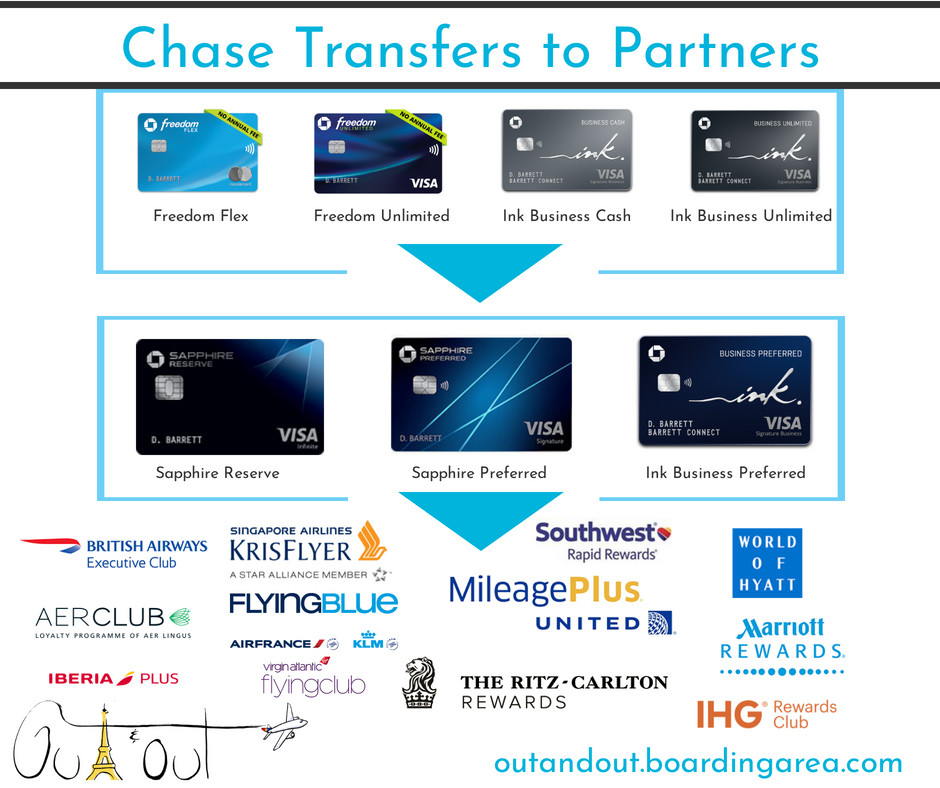
A Premium Card: (Sapphire Reserve or Preferred) to allow for point transfers to airlines and hotels.
-
A Rotating Category Card: (Freedom Flex) to earn 5% back on specific categories.
-
A Flat-Rate Card: (Freedom Unlimited) to earn 1.5% on all non-category spending.
Owning these three cards is often the “sweet spot” for personal finance management. It provides a comprehensive earning structure without the administrative burden of managing ten different due dates and annual fees.
Long-term Portfolio Management
The number of cards you can have and the number of cards you should have are two different metrics. Managing a large portfolio requires diligence to maintain a high credit score and a good relationship with the bank.
When to Close or Downgrade Cards
If you find that you have reached your limit or the annual fees are outweighing the benefits, you don’t always have to close the account. Closing a card—especially your oldest one—can negatively impact your “average age of accounts,” which is a component of your credit score.
Instead, consider a “Product Change.” Chase allows users to downgrade premium cards with high fees to “no-fee” versions like the standard Freedom. This preserves your credit line and account history while reducing your overhead. It also frees up “space” in your portfolio if you eventually want to re-apply for a premium card bonus later (after the 48-month window).
Impact on Credit Score and Relationship
Maintaining a large number of Chase cards can actually benefit your credit score in the long run by increasing your total available credit and lowering your utilization ratio—provided you pay your balances in full every month. However, a “dead” portfolio (holding many cards but never using them) may lead Chase to proactively lower your credit limits or close accounts due to inactivity.
To maintain a healthy relationship with Chase, it is advisable to put a small charge on each card every few months. This “activity” ensures the accounts remain open and your relationship with the bank remains strong, keeping the door open for future high-value offers.
Ultimately, while there is no hard ceiling on the number of Chase cards you can have, the practical limit for most people is dictated by the 5/24 rule and their personal income. By strategically navigating these rules, managing your credit velocity, and utilizing business cards, you can build a powerful financial toolset that maximizes every dollar you spend.
aViewFromTheCave is a participant in the Amazon Services LLC Associates Program, an affiliate advertising program designed to provide a means for sites to earn advertising fees by advertising and linking to Amazon.com. Amazon, the Amazon logo, AmazonSupply, and the AmazonSupply logo are trademarks of Amazon.com, Inc. or its affiliates. As an Amazon Associate we earn affiliate commissions from qualifying purchases.