
In the modern financial landscape, the ability to quickly and accurately identify your bank account and routing numbers is a fundamental skill. Whether you are setting up a direct deposit for a new career opportunity, linking a high-yield savings account to a brokerage firm, or automating your monthly utility payments, these two strings of digits serve as the essential coordinates for your capital. While the shift toward digital banking has made these numbers more accessible than ever, understanding where to find them and, more importantly, how they function within the global financial infrastructure is critical for maintaining security and efficiency in your personal finances.

Decoding the Foundations of Your Financial Identity
Before searching for these numbers, it is vital to understand what they represent. Every transaction that moves through the electronic banking system relies on a standardized method of identification to ensure that funds arrive at the correct institution and, ultimately, the correct individual ledger.
The Routing Number: Your Bank’s Address in the Federal Reserve System
The routing transit number (RTN), often simply called a routing number, is a nine-digit code that identifies a specific financial institution within the United States. Established by the American Bankers Association (ABA) in 1910, this system was originally designed to facilitate the sorting and shipping of paper checks. Today, it serves as the digital “address” for your bank. When you provide a routing number, you are telling the financial network exactly which “building” your money needs to enter. Large national banks may have multiple routing numbers based on the state where the account was opened or the type of transaction (such as wire transfers versus ACH transfers), making it imperative to verify the specific code assigned to your branch or region.
The Account Number: Your Personal Digital Vault
If the routing number is the address of the building, the account number is the specific key to your private vault inside that building. While routing numbers are shared by thousands of customers at the same institution, your account number is unique to you. Typically ranging from eight to twelve digits—though some institutions use longer sequences—this number identifies your specific checking, savings, or money market account. In the hierarchy of financial data, your account number is significantly more sensitive than your routing number, as it is the final identifier required to pull or push funds from your personal holdings.
The Most Efficient Ways to Locate Your Banking Information
Locating your account and routing numbers does not require a trip to a physical bank branch. Several accessible methods exist, ranging from traditional paper documents to high-tech mobile interfaces.
Deciphering the Anatomy of a Paper Check
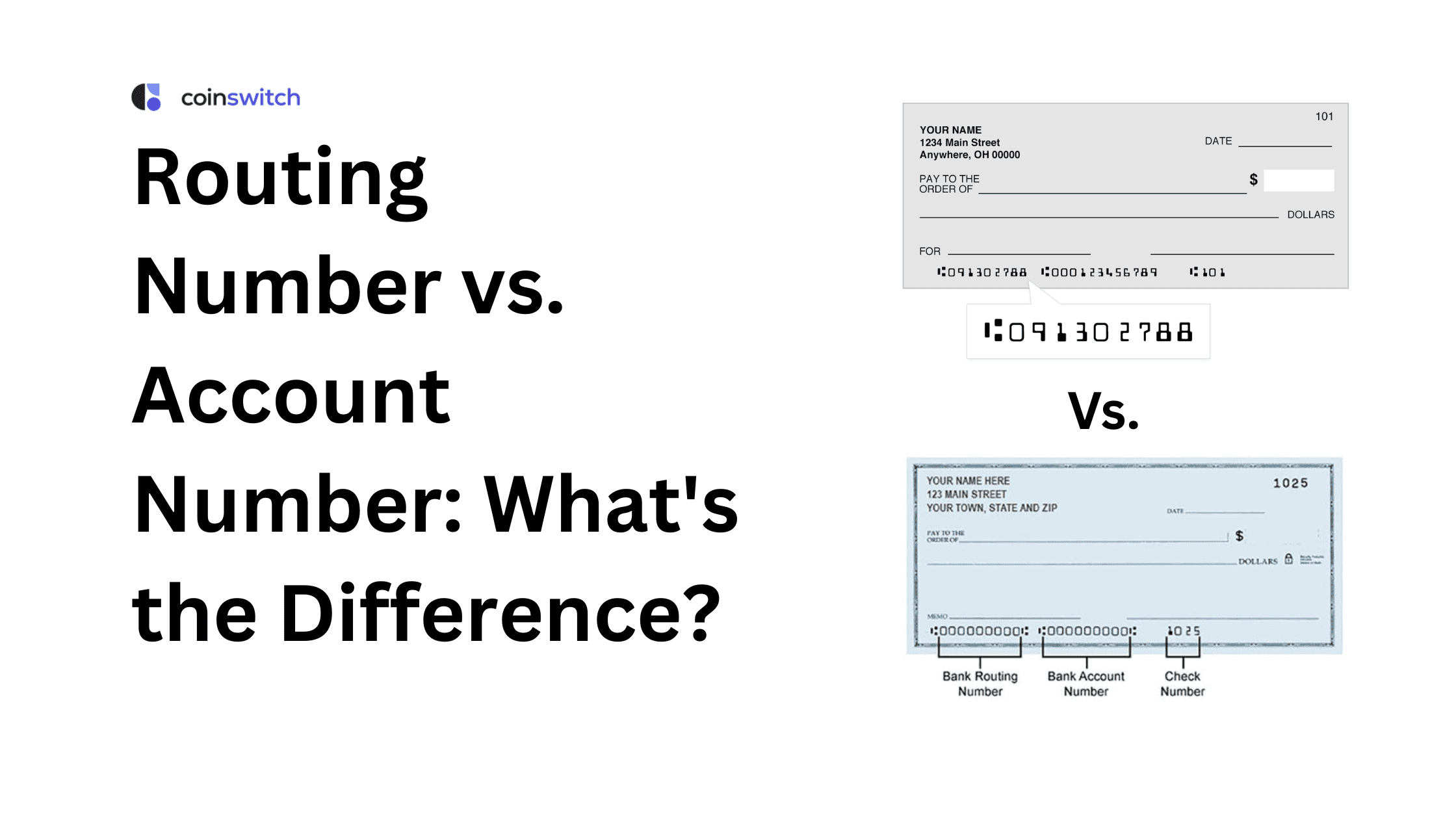
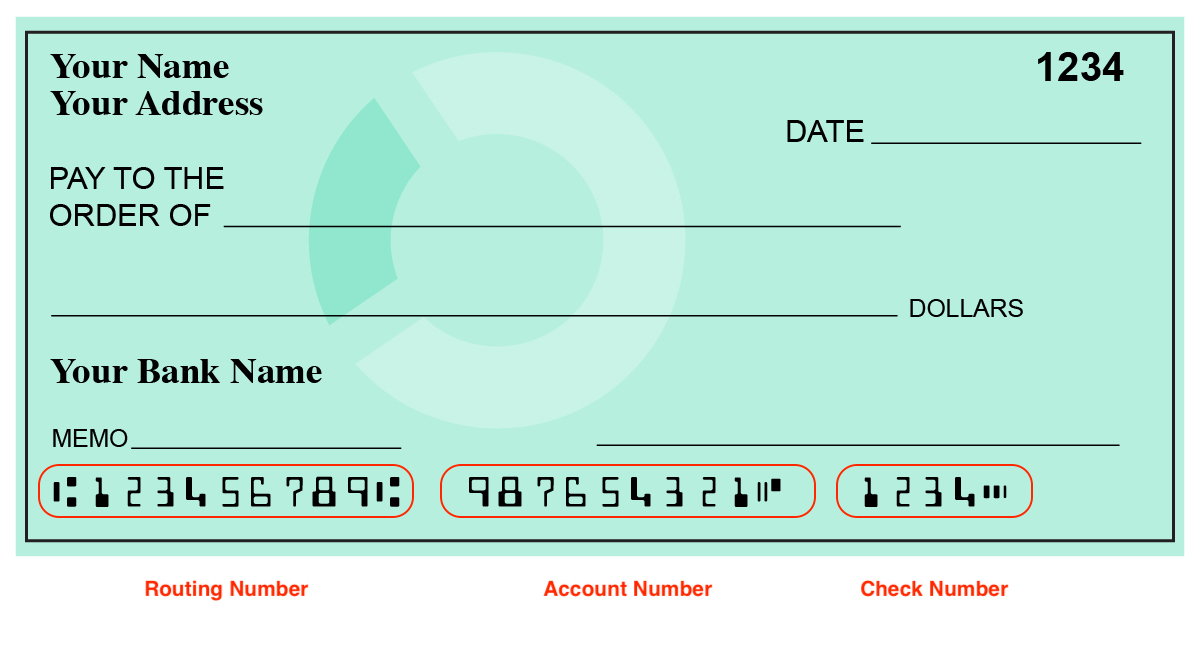
For those who still utilize physical checkbooks, the most reliable way to find these numbers is to look at the bottom of a check. At the bottom-left corner, you will see a series of numbers printed in a specialized font known as MICR (Magnetic Ink Character Recognition).
-
The Routing Number: The first nine digits on the far left are your routing number. It is usually flanked by a specific symbol that looks like a vertical bar and a colon.
-
The Account Number: The second set of numbers, typically located in the center, is your account number. Note that this string may vary in length and is often followed by a symbol similar to the one flanking the routing number.
-
The Check Number: The final, shorter set of digits on the far right is the check number, which you should ignore when setting up electronic transfers.
Navigating Online Banking and Mobile Apps
In the era of paperless banking, most consumers find their details through their bank’s digital portal or mobile application. After logging in through a secure biometric or two-factor authentication process, navigate to the specific account you wish to use (e.g., “Primary Checking”).
Banks typically hide the account number behind a string of asterisks for security purposes (e.g., ****6789). To view the full number, you will usually need to click a “Show” or “View Details” icon. Routing numbers are often listed in the same “Account Details” or “Settings” menu. Modern fintech apps have streamlined this process, often providing a “Direct Deposit” tab that displays both numbers clearly alongside a copy-to-clipboard feature to prevent manual entry errors.
Analyzing Monthly Statements and Official Documentation
If you do not have access to a checkbook or the mobile app, your monthly bank statement is an official legal record that contains your account details. Statements, whether received via mail or downloaded as a PDF from your bank’s website, usually list the account number at the top of the first page. While the routing number is not always printed on every statement, it is almost always present on the “Account Summary” page or within the “Electronic Transfer Instructions” section of the document.
Understanding Different Types of Routing Numbers
A common point of confusion for many bank customers is the existence of multiple routing numbers for a single account. Depending on the nature of your financial activity, the “standard” routing number found on your checks might not be the correct one to use.
ABA Routing Numbers vs. ACH Routing Numbers
For the vast majority of consumer activities—such as receiving a paycheck via direct deposit or paying a credit card bill—you will use the ACH (Automated Clearing House) routing number. This is the standard number found on your checks and within your app. It is designed for electronic batches of transactions that are processed over one to three business days.
Domestic vs. International Wire Transfer Numbers
Wire transfers are different from ACH transfers. They are processed in real-time (or near real-time) and are often used for high-value transactions like real estate closings. Many banks utilize a specific “Wire Routing Number” that differs from their “ACH Routing Number.” If you provide an ACH routing number for an incoming domestic wire, the transaction may be rejected or delayed. Furthermore, if you are receiving funds from an international source, you will likely need a SWIFT code or a BIC (Bank Identifier Code) in addition to your account number, as the ABA routing system is specific to the United States.
Safeguarding Your Banking Details in a Digital Economy
Because your account and routing numbers are the keys to your liquidity, protecting them is a vital component of personal financial security. While a routing number is public knowledge (often found on a bank’s own website), the combination of your routing number and account number is enough for an unauthorized party to initiate an “ACH pull” or create fraudulent checks.
The Risks of Unauthorized Access
Fraudsters often use “phishing” or “social engineering” to trick individuals into revealing their account details. They may pose as a utility company claiming a payment failed or as a government agency offering a rebate. Once they possess your account and routing numbers, they can theoretically authorize payments to third parties. Unlike credit cards, which offer robust consumer protections under the Fair Credit Billing Act, unauthorized withdrawals from a bank account are governed by the Electronic Fund Transfer Act (Regulation E). While you are protected, the recovery process for a drained bank account is often more arduous and time-consuming than disputing a credit card charge.
Best Practices for Secure Financial Sharing
To minimize risk, follow these professional standards for data security:
-
Never Send Numbers via Email: Standard email is not encrypted. If you must send your banking details to an accountant or business partner, use an encrypted file-sharing service or a secure portal.
-
Use “Read-Only” Connections: When using financial apps like Mint, YNAB, or personal capital, utilize services that use third-party aggregators like Plaid. These services allow the app to “read” your balance without actually storing your raw account and routing numbers on their servers.
-
Monitor Your Accounts Weekly: Set up “Large Transaction Alerts” in your banking app. This ensures that if someone does use your account and routing number for an unauthorized purchase, you are notified instantly.
Leveraging Your Banking Details for Financial Growth
Once you have mastered the retrieval and protection of your banking coordinates, you can use this information to optimize your financial ecosystem. Professional financial management often relies on the seamless movement of capital between various “buckets” or accounts.
Automating Your Personal Finance Ecosystem
The most successful savers are those who remove the element of human willpower from the equation. By using your account and routing numbers to set up “Auto-Pay” for high-interest debt and “Auto-Deposit” for investments, you create a frictionless path toward wealth accumulation. For instance, you can instruct your employer’s payroll system to send 80% of your paycheck to your checking account (via your routing/account numbers) and 20% directly to a separate high-yield savings account or brokerage.
Facilitating Side Hustle Income and Freelance Payments
In the modern “gig economy,” many professionals operate as independent contractors. To receive payments from platforms like Stripe, PayPal, or Upwork, you must link your bank account using these numbers. Understanding the difference between your business and personal account numbers is crucial here for tax compliance and legal “piercing of the corporate veil” protections. By keeping these numbers organized, you ensure that your business income is tracked accurately from the moment it leaves the client’s account to the moment it hits your ledger.
In conclusion, your bank account and routing numbers are more than just administrative data; they are the vital links that connect you to the global economy. By knowing exactly where to find them, understanding their specific roles, and implementing rigorous security measures, you can manage your finances with the precision and confidence of a professional. Always verify your digits twice before confirming a transfer—in the world of finance, a single transposed number can be the difference between a successful investment and a logistical nightmare.
aViewFromTheCave is a participant in the Amazon Services LLC Associates Program, an affiliate advertising program designed to provide a means for sites to earn advertising fees by advertising and linking to Amazon.com. Amazon, the Amazon logo, AmazonSupply, and the AmazonSupply logo are trademarks of Amazon.com, Inc. or its affiliates. As an Amazon Associate we earn affiliate commissions from qualifying purchases.