
Navigating the world of personal finance often begins with a single, pivotal step: applying for your first or next credit card. While the process may seem as simple as filling out a form, obtaining a credit card is a significant financial commitment that requires a strategic approach. A credit card is more than just a tool for convenience; it is a gateway to building a credit history, earning rewards, and managing cash flow. To ensure you select the right product and increase your chances of approval, it is essential to understand the underlying mechanics of the application process, from pre-qualification to the final activation.
Understanding Your Financial Profile Before You Apply
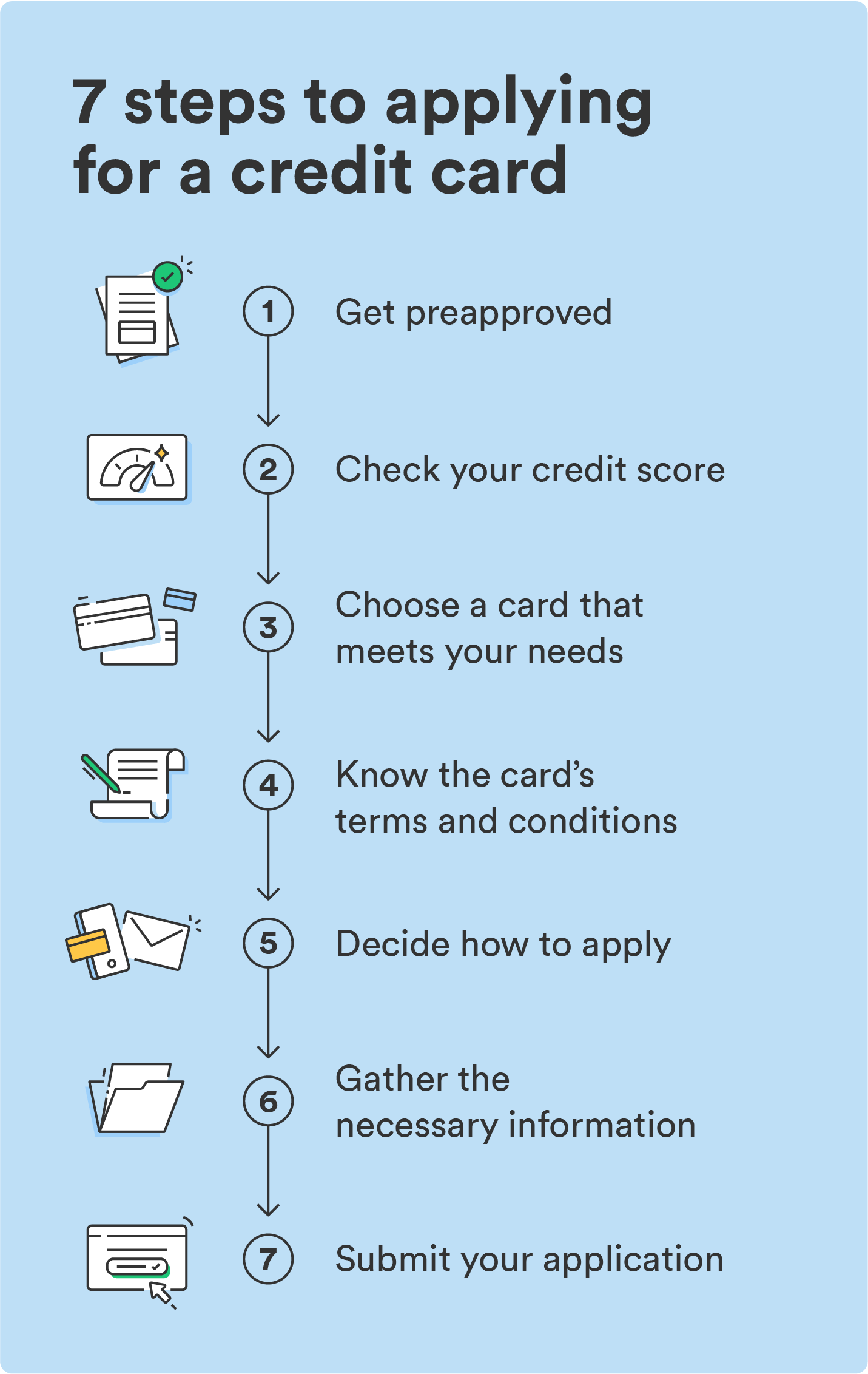
Before you even look at specific card offers, you must have a clear understanding of your current financial standing. Lenders use specific metrics to determine your creditworthiness, and knowing these numbers beforehand will prevent you from applying for cards that are out of your reach.
Checking Your Credit Score and History
Your credit score is the most influential factor in your application. Most lenders use the FICO score model, which ranges from 300 to 850. A score above 670 is generally considered “good,” while scores above 740 are “very good” or “exceptional.” If you are a student or someone with no credit history, your score may be non-existent, which dictates a different set of starter products.
Beyond the three-digit number, you should review your credit report from the three major bureaus: Equifax, Experian, and TransUnion. Look for errors, such as accounts you didn’t open or incorrect payment statuses. Correcting these errors before applying can provide an immediate boost to your score, potentially qualifying you for lower interest rates.
Assessing Your Income and Debt-to-Income Ratio
Credit card issuers are legally required to evaluate your ability to pay back what you borrow. During the application, you will be asked for your gross annual income. This can include your salary, but for those over 21, it can also include accessible income from a spouse or partner, as well as investment dividends or government benefits.
Lenders also look at your Debt-to-Income (DTI) ratio. If a large portion of your monthly income is already allocated to student loans, car payments, or rent, an issuer may view you as a higher risk, even if you have a high credit score. Aiming to keep your non-mortgage debt low before applying can significantly improve your prospects.
Identifying Your Spending Habits
To choose the right card, you must analyze where your money goes each month. Do you spend heavily on groceries and dining? Are you a frequent traveler? Or are you looking for a tool to pay down existing high-interest debt? Aligning a card’s rewards structure with your existing spending patterns ensures that the card provides maximum value without forcing you to change your lifestyle.
Choosing the Right Credit Card for Your Needs
The marketplace is saturated with hundreds of options, each designed for a specific type of consumer. Categorizing these cards helps narrow down the search to the most beneficial financial tool for your specific situation.
Rewards, Cash Back, and Travel Cards
For those with good to excellent credit, rewards cards are the primary target. Cash back cards offer a straightforward percentage return on every purchase (usually 1% to 5%). These are ideal for those who want simplicity and immediate value.
Travel rewards cards, on the other hand, earn points or miles that can be redeemed for flights, hotel stays, or upgrades. These often come with “lounge access” or “no foreign transaction fees,” making them indispensable for international travelers. However, these cards often carry annual fees, so you must ensure the benefits outweigh the cost of ownership.
Secured Cards and Student Cards
If you are building credit from scratch or recovering from past financial mistakes, a secured credit card is often the most viable path. These cards require a refundable security deposit (usually equal to your credit limit), which acts as collateral for the lender. By using a secured card responsibly, you demonstrate your reliability and can eventually “graduate” to an unsecured card.
Student cards are tailored for young adults in higher education. They often have lower credit limits and more lenient approval requirements, sometimes offering incentives for maintaining a high GPA.
Low-Interest and Balance Transfer Cards
If your primary goal is to save money on interest, look for cards with a 0% introductory APR. These are particularly useful for “balance transfers,” where you move debt from a high-interest card to a new one to pay it off without accruing additional interest for a set period (usually 12 to 21 months). Always check the “transfer fee,” which is typically 3% to 5% of the total amount moved.
The Step-by-Step Application Process

Once you have identified the right card, the actual application process is relatively quick, often taking less than ten minutes. However, precision is key to avoiding unnecessary delays or denials.
Gathering Necessary Documentation
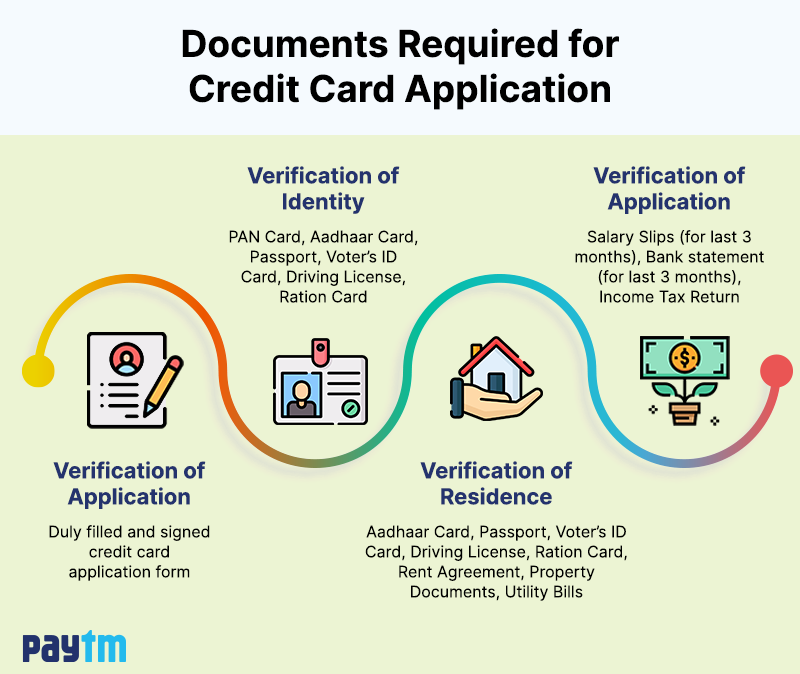
To complete the application, you will need several pieces of information ready:
-
Personal Identification: Your full legal name, date of birth, and Social Security Number (SSN) or Individual Taxpayer Identification Number (ITIN).
-
Contact Information: Your physical residential address (P.O. boxes are generally not accepted for the primary address), email address, and phone number.
-
Financial Details: Your total annual gross income and your monthly housing payment (rent or mortgage).
-
Employment Status: Whether you are employed full-time, part-time, self-employed, a student, or retired.
Completing the Online Application
While you can apply via mail or in a physical bank branch, online applications are the standard. Most major issuers offer a “pre-qualification” or “pre-approval” tool. This is a crucial step because it uses a “soft pull” on your credit, which does not affect your score. It gives you an indication of which cards you are likely to be approved for before you commit to the formal application.
When you hit “Submit” on the actual application, the lender performs a “hard inquiry.” This will temporarily dip your credit score by a few points. Ensure all information is accurate; even a simple typo in your SSN can lead to an automatic rejection.
Understanding the Approval Timeline
Many applicants receive an instant decision through automated underwriting systems. If your profile is strong and your identity is easily verified, you may see an “Approved” screen within seconds. However, if the system requires further verification, you may receive a “Pending” status. This isn’t necessarily a denial; it simply means a human underwriter needs to review your file or verify your income. This process can take anywhere from a few days to two weeks.
Navigating Post-Application: Approval, Denial, and Activation
The journey doesn’t end with the “Submit” button. How you handle the outcome of your application sets the tone for your future relationship with the lender.
What to Do If You Are Approved
Upon approval, you will be notified of your initial credit limit and your APR. While you wait for the physical card to arrive in the mail (usually 7-10 business days), some issuers provide a “virtual card number” that allows you to start shopping online immediately. Once the physical card arrives, you must activate it via the issuer’s mobile app or by calling the number on the sticker. This is also the time to set up your online account and download the bank’s app for easy monitoring.
Responding to a Credit Card Denial
If your application is declined, the issuer is legally required under the Equal Credit Opportunity Act to send you an “Adverse Action Notice.” This document explains the specific reasons for the denial, such as “too many recent inquiries” or “insufficient income.”
Don’t be discouraged. You can call the issuer’s “reconsideration line.” Speaking to a representative allows you to explain nuances in your financial situation that an algorithm might have missed. If the denial stands, use the feedback to improve your profile before applying again. Generally, it is wise to wait at least six months between applications to allow your credit score to recover from the hard inquiry.
Best Practices for Managing Your New Credit Line
Securing the card is only the beginning. To ensure the card remains a financial asset rather than a liability, you must manage it with discipline.
Mastering the Statement Cycle
Understand the difference between your “statement closing date” and your “due date.” The statement closing date is when the bank “freezes” your transactions for the month and reports the balance to the credit bureaus. Paying your balance in full every month before the due date is the single most important rule of credit cards. This allows you to avoid interest charges entirely, effectively getting an interest-free loan for 30 days.
Monitoring Your Credit Utilization Ratio
Your credit utilization—the amount of credit you use compared to your total limit—is a major component of your credit score. Financial experts recommend keeping this ratio below 30%, and ideally below 10%. For example, if your new card has a $1,000 limit, try not to let your reported balance exceed $300. If you have a large expense, you can pay it off immediately rather than waiting for the monthly statement to keep your utilization low.
Leveraging Security Features and Benefits
Modern credit cards come with robust security features. Set up “transaction alerts” so you are notified every time the card is used. This allows you to spot fraudulent activity instantly. Additionally, familiarize yourself with the card’s secondary benefits, such as extended warranties on purchases, cell phone protection, or rental car insurance. These “hidden” perks can save you hundreds of dollars annually, reinforcing the card’s value within your broader financial strategy.
By approaching the credit card application process with a mix of preparation, research, and post-approval discipline, you turn a simple piece of plastic into a powerful engine for long-term wealth building and financial security.
aViewFromTheCave is a participant in the Amazon Services LLC Associates Program, an affiliate advertising program designed to provide a means for sites to earn advertising fees by advertising and linking to Amazon.com. Amazon, the Amazon logo, AmazonSupply, and the AmazonSupply logo are trademarks of Amazon.com, Inc. or its affiliates. As an Amazon Associate we earn affiliate commissions from qualifying purchases.