
Chase Bank, a subsidiary of JPMorgan Chase & Co., stands as one of the largest and most influential financial institutions globally. For individuals and businesses alike, understanding its physical and digital footprint is crucial for managing personal finance, investing, and conducting everyday transactions. The question of “where is Chase Bank located” extends beyond mere geographical coordinates; it delves into the accessibility, convenience, and strategic presence that underpins financial decision-making for millions.
The Extensive Reach of a Financial Giant
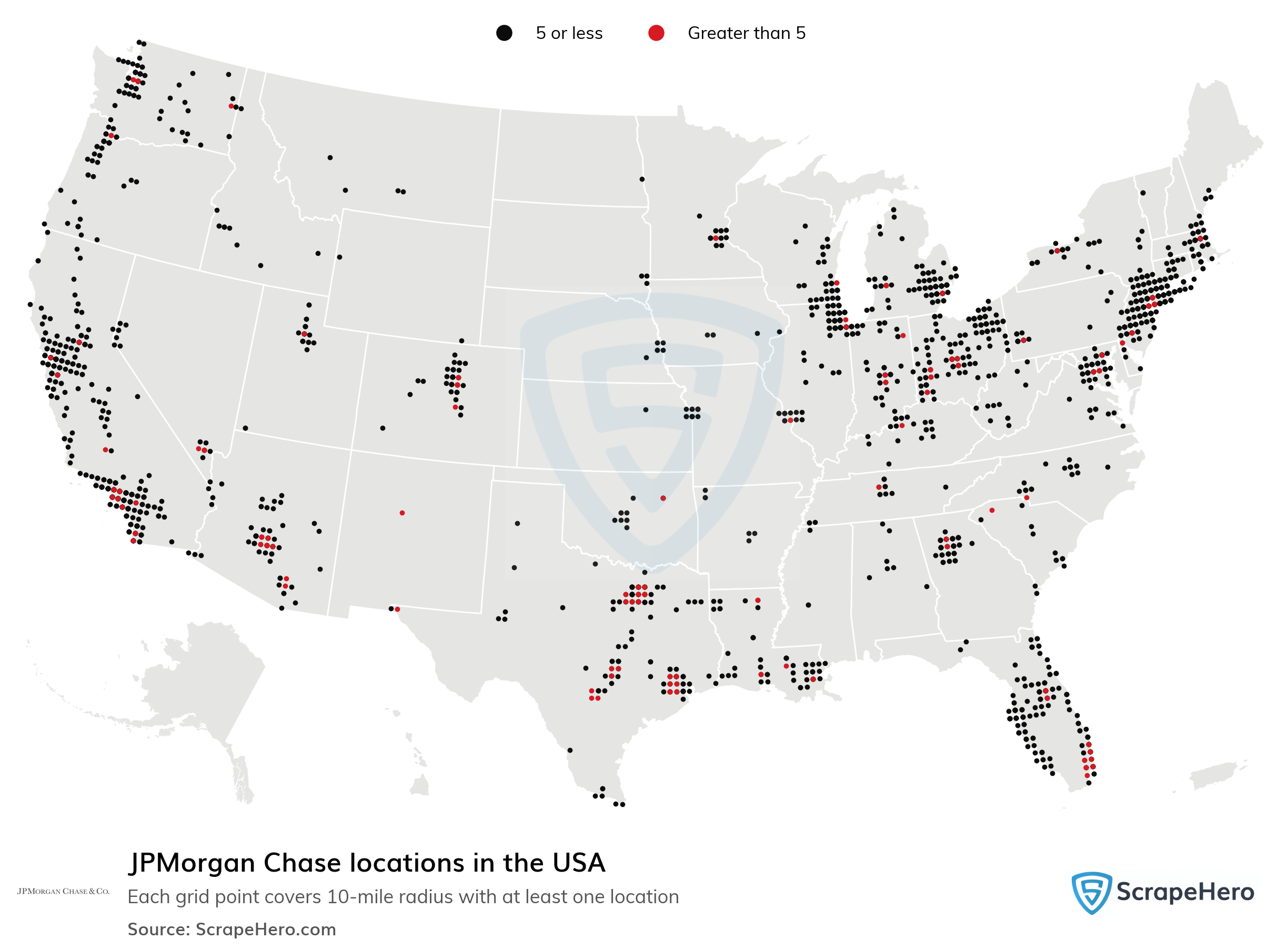
Chase Bank’s physical presence is substantial, primarily concentrated within the United States, though its parent company, JPMorgan Chase, operates on a global scale. Within the U.S., Chase maintains a vast network of retail branches and ATMs, strategically positioned to serve diverse customer bases across various states.

Understanding Chase’s Geographic Footprint
Chase operates thousands of branches and tens of thousands of ATMs across the contiguous United States. Its presence is particularly strong in major metropolitan areas and economically vibrant states. Key regions where Chase has a significant concentration of branches include California, New York, Texas, Florida, Illinois, Arizona, and the Pacific Northwest, among others. This extensive network is a cornerstone of its retail banking strategy, providing tangible access points for customers to deposit funds, withdraw cash, seek financial advice, apply for loans, and manage their accounts.
The distribution of these locations isn’t arbitrary; it reflects a calculated strategy to serve areas with high population density, robust economic activity, and strong growth potential. For consumers, this translates to convenience, often finding a Chase branch or ATM within a reasonable distance from their home, workplace, or travel destinations. For small businesses, a local branch can be a vital resource for cash management, merchant services, and accessing lines of credit.
Strategic Expansion and Market Saturation
Chase has consistently pursued a strategy of expansion, entering new markets and solidifying its presence in existing ones. This often involves acquiring smaller regional banks or embarking on aggressive branch-opening campaigns. For example, in recent years, Chase has expanded into states like Massachusetts and the Greater Philadelphia area, aiming to capture new market share. This expansion is critical for financial inclusion and competition within the banking sector. As Chase broadens its reach, it brings its suite of financial products—from checking and savings accounts to mortgages, auto loans, and investment services—to more communities, impacting local economies and offering more choices to consumers.
The strategic placement of branches also considers demographic shifts and economic trends. For instance, expansion into rapidly growing suburbs or areas experiencing economic revitalization allows Chase to preemptively capture new customers and deepen relationships with existing ones as they relocate or expand their own financial needs. This foresight in location planning is a testament to the importance of physical infrastructure even in an increasingly digital world.
Beyond the Physical Branch: Digital Access and ATMs
While the brick-and-mortar branch remains important, the modern financial landscape is heavily influenced by digital accessibility. Chase has made significant investments in technology to ensure that its services are available far beyond the confines of its physical locations.
The Power of Online and Mobile Banking
For many customers, the “location” of Chase Bank is increasingly their smartphone or computer. Chase’s robust online banking platform and highly-rated mobile app provide comprehensive financial management tools accessible 24/7 from anywhere with an internet connection. Through these digital channels, users can:
-
View account balances and transaction history: Providing real-time insights into spending and income.
-
Transfer funds: Moving money between Chase accounts, to external banks, or sending money to others via Zelle.
-
Pay bills: Managing recurring payments and one-time expenses efficiently.
-
Deposit checks: Using mobile check deposit, which significantly reduces the need to visit a physical branch.
-
Apply for financial products: Submitting applications for credit cards, loans, or opening new accounts.
-
Set up alerts and notifications: Staying informed about account activity, potential fraud, or upcoming payments.
-
Access investment accounts: Managing portfolios and making trades through integrated platforms.
This digital presence effectively extends Chase’s “location” into the homes and pockets of its customers, offering unparalleled convenience and control over their finances. For personal finance, this means easier budgeting, quicker response to financial events, and less time spent on mundane banking tasks. For businesses, online portals facilitate payroll, treasury management, and account reconciliation, streamlining operations.
The Ubiquity of Chase ATMs
Chase operates one of the largest proprietary ATM networks in the U.S., complementing its branch locations. These ATMs are often found not only at bank branches but also in retail stores, shopping centers, airports, and other high-traffic areas. This extensive network provides crucial access to cash withdrawals, deposits, balance inquiries, and sometimes even fund transfers, without the need for human teller interaction.
The strategic placement of ATMs ensures that even in areas without a full-service branch, customers can still perform essential banking tasks. This is particularly valuable for individuals who prefer cash transactions or need immediate access to funds outside of banking hours. The reliability and widespread availability of these ATMs are vital for maintaining liquidity and managing day-to-day cash flow for consumers and small businesses.
Partner Networks and Fee-Free Access
While Chase primarily relies on its own ATM network, it’s worth noting that major banks often have reciprocal agreements or participate in broader networks, though specific fee structures can vary. For consumers, understanding their bank’s ATM network policies is key to avoiding unnecessary fees when traveling or in areas where a proprietary ATM is not readily available. While Chase’s network is extensive, knowing how to locate fee-free ATMs is an essential personal finance tip.
Locating Your Nearest Chase Services: Practical Tools and Tips
Finding a Chase Bank branch or ATM is straightforward, thanks to a variety of readily available tools. Leveraging these resources ensures you can quickly access the financial services you need, whether planning a trip or facing an unexpected banking requirement.
Utilizing the Chase Branch & ATM Locator
The most direct way to find a Chase location is through their official website. The “Branch & ATM Locator” tool allows users to search by address, zip code, or current location. This tool typically provides:
-
Map view: Showing nearby branches and ATMs.
-
Address and directions: Guiding you to your chosen location.
-
Hours of operation: Crucial for planning visits, especially on weekends or holidays.
-
Services available: Indicating if a branch offers specific services like safe deposit boxes, notary services, or specific types of lending.
-
ATM functionalities: Specifying if an ATM accepts deposits, offers cash advance services, or is accessible 24/7.
This online resource is indispensable for financial planning, allowing individuals to identify convenient banking points for routine tasks or more specialized needs.
Mobile App Functionality
The Chase Mobile app mirrors and often enhances the capabilities of the website locator. Within the app, there’s usually a dedicated “Locations” or “Find Us” feature that uses your phone’s GPS to pinpoint the nearest branches and ATMs. This is especially useful for on-the-go banking needs, such as finding an ATM while traveling or locating a branch for a quick deposit. The app’s integration with mapping services (like Google Maps or Apple Maps) provides seamless navigation.
Customer Service and Direct Inquiries
For specific or complex inquiries regarding branch locations or services, contacting Chase customer service directly is always an option. Phone representatives can provide detailed information, confirm hours, or assist in finding specialized services not easily searchable online. This human element remains valuable for personalized assistance, particularly for business banking clients or those with unique financial requirements.
Why Location Matters in Your Personal and Business Finance
The “where” of your bank isn’t just about convenience; it has significant implications for how you manage your money, interact with financial products, and achieve your financial goals.
Convenience for Everyday Transactions
Proximity to a branch or ATM simplifies routine tasks. Easily depositing checks, withdrawing cash, or getting change for your business saves time and reduces stress. This convenience is a silent but powerful factor in maintaining smooth personal cash flow and efficient business operations. For many, the ability to walk into a physical branch for assistance provides a sense of security and trust that digital-only interactions may not fully replicate.
In-Person Advice for Complex Financial Needs
While online tools are excellent for many tasks, complex financial decisions often benefit from in-person consultation. Meeting with a financial advisor at a Chase branch can be invaluable when discussing mortgages, retirement planning, business loans, or investment strategies. These face-to-face interactions allow for deeper understanding, personalized advice, and the ability to ask detailed questions that might be harder to convey via phone or chat. This human connection builds rapport and trust, which are critical for long-term financial relationships.
Business Banking and Local Economic Presence
For small and medium-sized businesses, the local presence of a bank like Chase can be a cornerstone of their financial infrastructure. A local branch manager can become a familiar point of contact, understanding the specific needs of the business and the local economic landscape. This can facilitate access to business loans, merchant services, and cash management solutions tailored to the community. Furthermore, a bank’s presence can contribute to the local economy through job creation and community investment initiatives.
Emergency Access and Security
In unexpected situations, such as a lost or stolen card, or an urgent need for cash, a physical branch can be a lifeline. Being able to quickly visit a branch for immediate assistance, such as issuing a temporary card or accessing funds, provides a critical safety net. For security concerns, speaking with branch personnel in person can offer peace of mind and more direct resolution than purely digital channels.
The Future of Banking Locations: Blending Physical and Digital
The evolution of Chase’s locations reflects broader trends in the financial industry. While digital banking continues to grow, the physical branch is adapting rather than disappearing.
Hybrid Models and Evolving Branch Formats
Chase and other major banks are experimenting with new branch formats. This includes smaller, digitally-enhanced branches focused on self-service and advice rather than traditional teller transactions. Some branches feature advanced ATMs, video conferencing capabilities for financial advisors, and technology zones designed to help customers learn about digital banking tools. This hybrid approach aims to combine the efficiency of digital services with the personalized touch of human interaction.
The Enduring Value of Human Interaction
Despite the rise of digital tools, the need for human interaction in banking remains. For significant life events—buying a home, starting a business, planning for retirement, or dealing with an estate—the guidance and assurance of a knowledgeable banker are often preferred. Chase’s widespread physical locations ensure that this essential human element of financial service remains accessible, complementing its robust digital offerings. The question of “where is Chase Bank located” will continue to encompass both the visible branches on street corners and the invisible digital infrastructure that empowers modern financial management.
aViewFromTheCave is a participant in the Amazon Services LLC Associates Program, an affiliate advertising program designed to provide a means for sites to earn advertising fees by advertising and linking to Amazon.com. Amazon, the Amazon logo, AmazonSupply, and the AmazonSupply logo are trademarks of Amazon.com, Inc. or its affiliates. As an Amazon Associate we earn affiliate commissions from qualifying purchases.