
The CareCredit card serves as a specialized financial instrument designed to help individuals manage healthcare expenses that may not be fully covered by insurance or might be entirely out-of-pocket. Unlike a general-purpose credit card, CareCredit is specifically tailored for health and wellness costs, offering promotional financing options that can make significant procedures more manageable. Understanding its specific utility and network of acceptance is crucial for leveraging this tool effectively within one’s personal financial strategy.
Understanding CareCredit: A Specialized Financial Tool
CareCredit is not merely another credit card; it is a dedicated healthcare financing solution. Established in 1987, its primary purpose is to provide patients with a flexible payment option for a wide array of medical, dental, cosmetic, and veterinary services. Its design addresses a common gap in healthcare affordability, offering an alternative to upfront payments or high-interest personal loans.
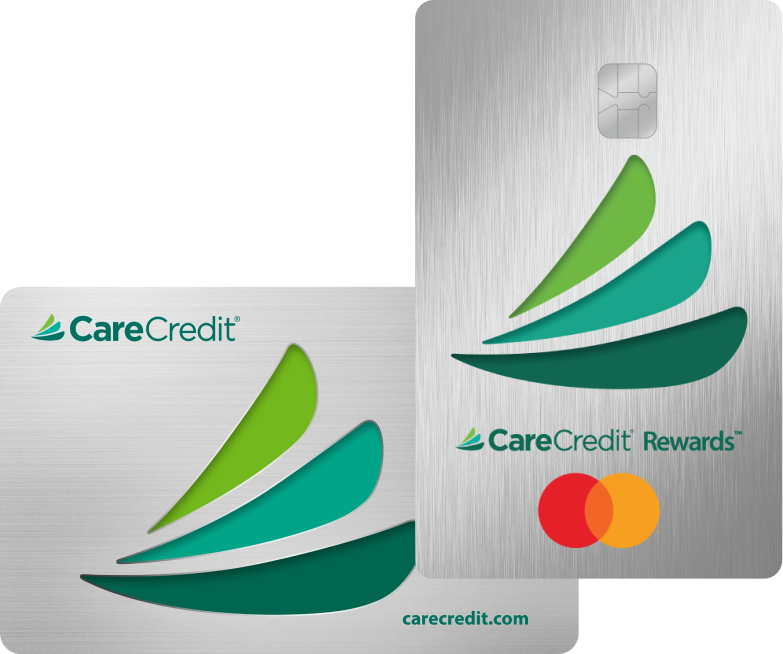
What is CareCredit?
At its core, CareCredit is a revolving credit line issued by Synchrony Bank. It functions similarly to a credit card in terms of payments and credit limits, but its acceptance is restricted to a network of enrolled healthcare providers. The defining feature of CareCredit lies in its promotional financing options, which often include periods of deferred interest. This means that if the full promotional balance is paid off within a specified timeframe (e.g., 6, 12, 18, or 24 months), no interest is charged on that purchase. However, it is paramount to understand that if the balance is not paid in full by the end of the promotional period, interest is then retroactively charged from the original purchase date. This “deferred interest” clause is a critical financial detail that cardholders must manage meticulously.
How CareCredit Differs from General Credit Cards
The distinction between CareCredit and a standard credit card is significant from a financial planning perspective. General credit cards offer broad acceptance across retail, services, and online platforms, typically carrying a standard Annual Percentage Rate (APR) on balances. While some general cards offer introductory 0% APR periods, these usually apply to new purchases or balance transfers and do not typically involve deferred interest.
CareCredit, on the other hand, is a niche product. Its limited acceptance network streamlines its use for healthcare specifically. Its primary financial advantage comes from its promotional financing, which can be immensely beneficial for large, unexpected, or elective medical expenses. This allows individuals to spread out the cost of a procedure without incurring immediate interest, provided they adhere strictly to the payment terms. For those with high deductible health plans or without insurance for specific treatments, CareCredit can act as a bridge, enabling access to necessary care that might otherwise be financially out of reach. However, the high standard APR that kicks in after the promotional period, coupled with the deferred interest mechanism, necessitates a robust repayment plan to avoid substantial financial penalties.
The Extensive Network of CareCredit Providers
One of the most common questions about CareCredit is precisely where it can be used. Its utility is defined by its acceptance within a vast network of healthcare providers. This network is continually expanding, encompassing a wide range of medical and wellness specialties.
Dental Care: A Primary Acceptance Point
Dental services represent one of the largest categories where CareCredit is widely accepted. From routine check-ups and cleanings to more complex procedures, CareCredit can be a vital financial tool. This includes:
-
Preventative care: Examinations, X-rays, and professional cleanings.
-
Restorative treatments: Fillings, crowns, bridges, and root canals.
-
Cosmetic dentistry: Veneers, teeth whitening, and bonding.
-
Orthodontics: Braces, clear aligners, and retainers for both adults and children.
-
Oral surgery: Wisdom teeth extractions and other surgical procedures.
-
Periodontal care: Treatment for gum disease.
Many dental practices proactively advertise their acceptance of CareCredit, recognizing its value in helping patients afford necessary and elective treatments.
Veterinary Services: For Your Furry Friends
CareCredit extends its reach beyond human healthcare to encompass veterinary services, a significant benefit for pet owners. The rising cost of pet care, especially for emergencies or chronic conditions, can create substantial financial strain. CareCredit can be used for:
-
Routine veterinary visits: Annual check-ups, vaccinations, and preventive care.
-
Emergency services: Urgent care for accidents or sudden illnesses.
-
Surgical procedures: Spaying/neutering, orthopedic surgeries, and other operations.
-
Specialty care: Oncology, cardiology, dermatology, and rehabilitation services.
-
Medications and prescription diets: As prescribed by a veterinarian.
-
Diagnostic tests: X-rays, ultrasounds, and laboratory work.
This broad acceptance makes CareCredit an invaluable resource for managing pet health expenses, potentially preventing difficult decisions based solely on financial limitations.
Vision Care: Clear Sight, Flexible Payments
Maintaining good vision is essential, and CareCredit offers financing solutions for a range of vision-related needs, often covering costs not fully met by vision insurance or for elective procedures. Accepted services include:
-
Eye exams: Routine check-ups and vision assessments.
-
Prescription eyewear: Glasses frames, lenses, and contact lenses.
-
Advanced vision treatments: Cataract surgery and glaucoma treatment.
-
Laser vision correction: Procedures like LASIK and PRK.
For individuals considering elective vision correction or facing high costs for specialized lenses, CareCredit provides a structured payment plan.
Cosmetic and Elective Procedures
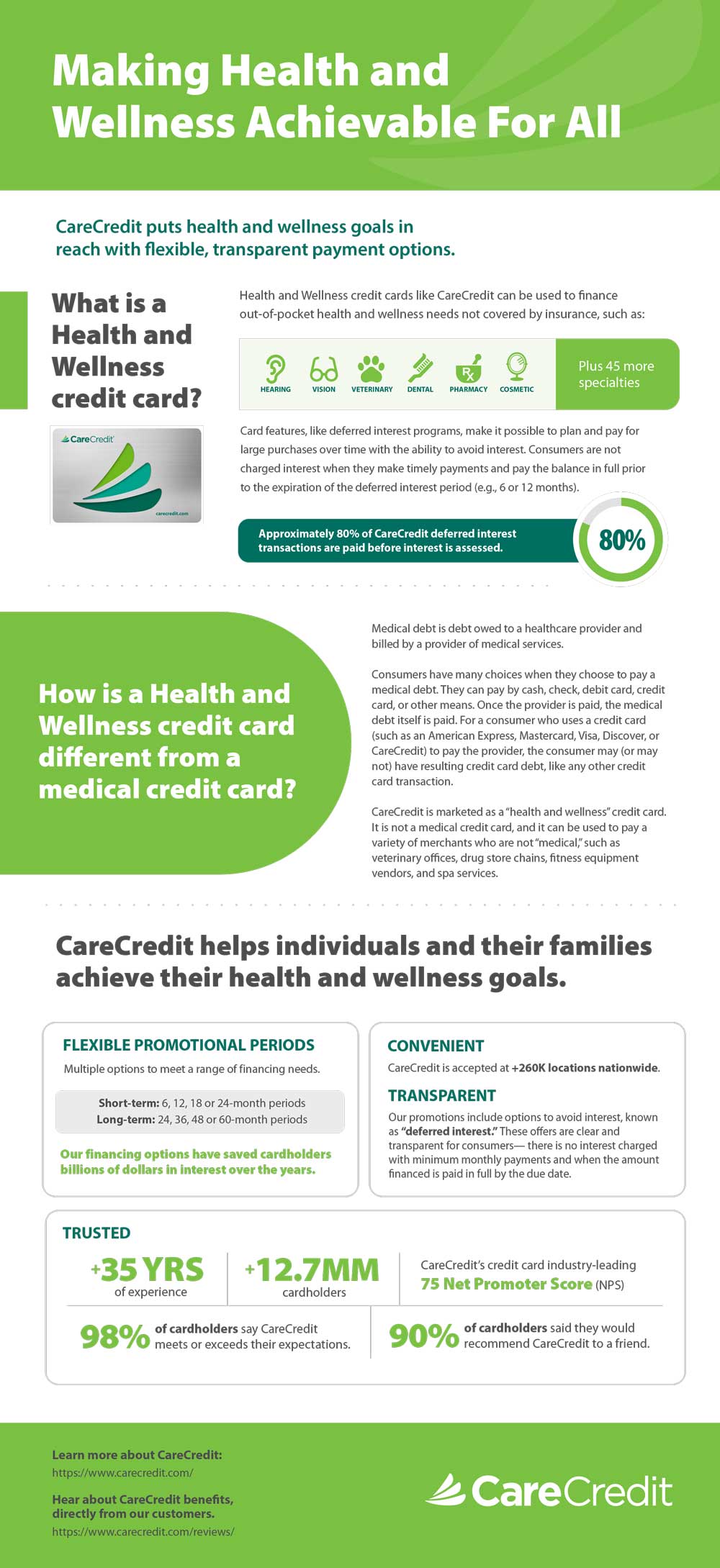
Beyond essential medical care, CareCredit is widely accepted for various cosmetic and elective procedures that enhance quality of life but are rarely covered by standard health insurance. This category includes:
-
Plastic surgery: Facelifts, breast augmentation/reduction, rhinoplasty, liposuction, and tummy tucks.
-
Dermatological treatments: Botox, dermal fillers, chemical peels, laser hair removal, and acne treatments.
-
Hair restoration: Hair transplant procedures.
-
Medical spas: A variety of aesthetic services.
For these procedures, which often involve significant out-of-pocket expenses, CareCredit’s promotional financing can be particularly attractive, allowing individuals to invest in their well-being without immediate financial burden.
Hearing Solutions and Other Medical Specialties
CareCredit’s acceptance network continues to grow, encompassing a variety of other medical specialties. These include:
-
Hearing care: Hearing aid purchases, audiology exams, and related services.
-
Chiropractic care: Spinal adjustments and other chiropractic treatments.
-
Podiatry: Foot and ankle care.
-
Weight loss programs: Medically supervised weight management.
-
Durable Medical Equipment (DME): In some instances, for items like wheelchairs or certain mobility aids, if purchased directly from an enrolled provider.
The key takeaway is that CareCredit’s acceptance is broad, but always specific to healthcare providers who have chosen to enroll in their network.
Navigating Acceptance and Usage
While CareCredit’s network is extensive, proactive verification is a cornerstone of responsible financial management when planning its use.
Always Confirm with Your Provider
Before scheduling any procedure or service you intend to finance with CareCredit, it is imperative to directly confirm with the specific provider or practice that they accept CareCredit. While the website offers a search tool to find providers, individual office policies can change, or specific services might not be eligible. A quick phone call to the billing or patient services department can prevent misunderstandings and ensure your financial plan aligns with the provider’s acceptance policies. This step is critical for avoiding unexpected out-of-pocket costs or the need to seek alternative financing at the last minute.
Understanding Promotional Financing Options
CareCredit’s main draw is its promotional financing, often advertised as “no interest if paid in full within X months.” However, clarity on these terms is non-negotiable.
-
Deferred Interest: This is the most common promotional offer. If the full balance isn’t paid by the end of the promotional period, all accrued interest from the original purchase date is charged to your account. This can result in a significant financial hit, turning an interest-free loan into a very expensive one.
-
Fixed Monthly Payments with Interest: For larger expenses or longer repayment periods, CareCredit also offers financing plans with a fixed monthly payment and a predetermined interest rate. These plans do not involve deferred interest; interest accrues from the start but at a fixed, generally lower, rate than the standard APR.
Always ask your provider and review your credit agreement for the specific terms applicable to your purchase. Create a detailed repayment plan to ensure the balance is paid off before the promotional period expires to avoid deferred interest.
Managing Your CareCredit Account Responsibly
Like any credit product, CareCredit requires responsible management.
-
Budgeting: Integrate CareCredit payments into your monthly budget. Ensure you can comfortably meet the minimum payments, and ideally, pay enough to clear the balance before the deferred interest period ends.
-
Payment Discipline: Set up automatic payments or calendar reminders to avoid missing payments, which can result in late fees and nullify promotional financing terms.
-
Credit Impact: CareCredit reports to major credit bureaus. Timely payments can help build your credit history, while missed payments or high utilization can negatively impact your credit score.
-
Avoid Over-Reliance: While useful, CareCredit should not be a substitute for adequate savings or comprehensive health insurance. Use it strategically for planned expenses rather than as a continuous solution for every medical need.
Strategic Considerations for Using CareCredit
Integrating CareCredit into your broader financial plan requires strategic thinking, weighing its benefits against potential risks.
When CareCredit Makes Financial Sense
CareCredit is most advantageous in specific financial scenarios:
-
Unexpected High-Cost Procedures: For emergency dental work, sudden veterinary care, or a medical procedure not fully covered by insurance, CareCredit can provide immediate access to necessary funds without depleting emergency savings.
-
Elective Procedures with Clear Repayment Plans: When planning cosmetic surgery, LASIK, or extensive dental work, CareCredit’s deferred interest option allows you to receive treatment now and pay over time, provided you have a concrete strategy to pay off the balance before interest accrues. This can be more attractive than using a high-interest personal loan or drawing directly from long-term savings.
-
Bridging Insurance Gaps: For those with high deductible health plans, CareCredit can cover the deductible amount, allowing you to pay it down over time.
-
Optimizing Cash Flow: If you have the funds saved but prefer to keep your cash reserves intact for other investments or emergencies, using CareCredit with a deferred interest plan can be a way to manage cash flow while still planning to pay off the balance promptly.
Potential Pitfalls and How to Avoid Them
Despite its benefits, CareCredit comes with significant financial risks, primarily due to the deferred interest model.
-
High Standard APR: If you fail to pay off the promotional balance in full, the standard APR, which can be quite high, is applied retroactively to the original purchase amount. This can quickly inflate the total cost of your procedure. Avoid this by setting aggressive payment goals and sticking to them.
-
Accumulating Multiple Balances: Using CareCredit for several different procedures with varying promotional periods can make it challenging to track and manage multiple deferred interest deadlines. Consolidate or prioritize payments to clear balances effectively.
-
Overspending: The ease of approval and promotional offers can tempt individuals to undertake more procedures than they can realistically afford. Treat CareCredit as a serious financial obligation and assess your ability to repay before committing.
-
Impact on Credit Score: Maxing out your CareCredit limit or making late payments can negatively affect your credit utilization ratio and payment history, potentially lowering your credit score.
Integrating CareCredit into Your Broader Financial Plan
CareCredit should be viewed as one tool among many in your financial toolkit, not a standalone solution for all healthcare costs.
-
Emergency Fund: Prioritize building a robust emergency fund to cover unexpected medical expenses, rather than relying solely on credit.
-
Health Savings Account (HSA) or Flexible Spending Account (FSA): Utilize tax-advantaged accounts like HSAs or FSAs for qualified medical expenses, which offer significant financial benefits. These funds can often be used in conjunction with CareCredit, paying down balances with pre-tax dollars.
-
Comparison Shopping: Before committing to CareCredit, explore all financing options, including personal loans from banks or credit unions, payment plans offered directly by providers, or even alternative credit cards with 0% introductory APRs that do not have a deferred interest clause.
-
Long-Term Debt Management: Understand how CareCredit fits into your overall debt portfolio. Ensure its use does not jeopardize your ability to manage other financial obligations like mortgages, student loans, or retirement savings.
By thoroughly understanding where CareCredit is accepted, its unique financial terms, and how to manage it responsibly, individuals can effectively harness this specialized financial tool to access necessary healthcare services while maintaining sound personal financial health.
aViewFromTheCave is a participant in the Amazon Services LLC Associates Program, an affiliate advertising program designed to provide a means for sites to earn advertising fees by advertising and linking to Amazon.com. Amazon, the Amazon logo, AmazonSupply, and the AmazonSupply logo are trademarks of Amazon.com, Inc. or its affiliates. As an Amazon Associate we earn affiliate commissions from qualifying purchases.