
Managing your credit card payments effectively is a cornerstone of sound personal finance. Capital One offers a variety of convenient methods to ensure you can make your payments on time and maintain a healthy financial standing. Understanding each option, its benefits, and potential considerations is crucial for optimizing your money management strategy.
Navigating Capital One’s Online Payment Portal
The Capital One online payment portal is often the most straightforward and preferred method for many cardholders due to its speed, security, and accessibility.
Setting Up Your Account for Online Payments
Before you can make your first online payment, you’ll need to set up your Capital One online account. This typically involves registering your credit card, creating a username and password, and linking a checking or savings account from which you intend to make payments. The process usually requires verifying your identity through security questions or a code sent to your registered phone or email. Linking your bank account involves providing your bank’s routing number and your account number. Capital One employs robust security measures, including encryption and multi-factor authentication, to protect your financial information during these processes. Once set up, your linked bank account will be saved for future transactions, simplifying subsequent payments.
Making a One-Time Online Payment
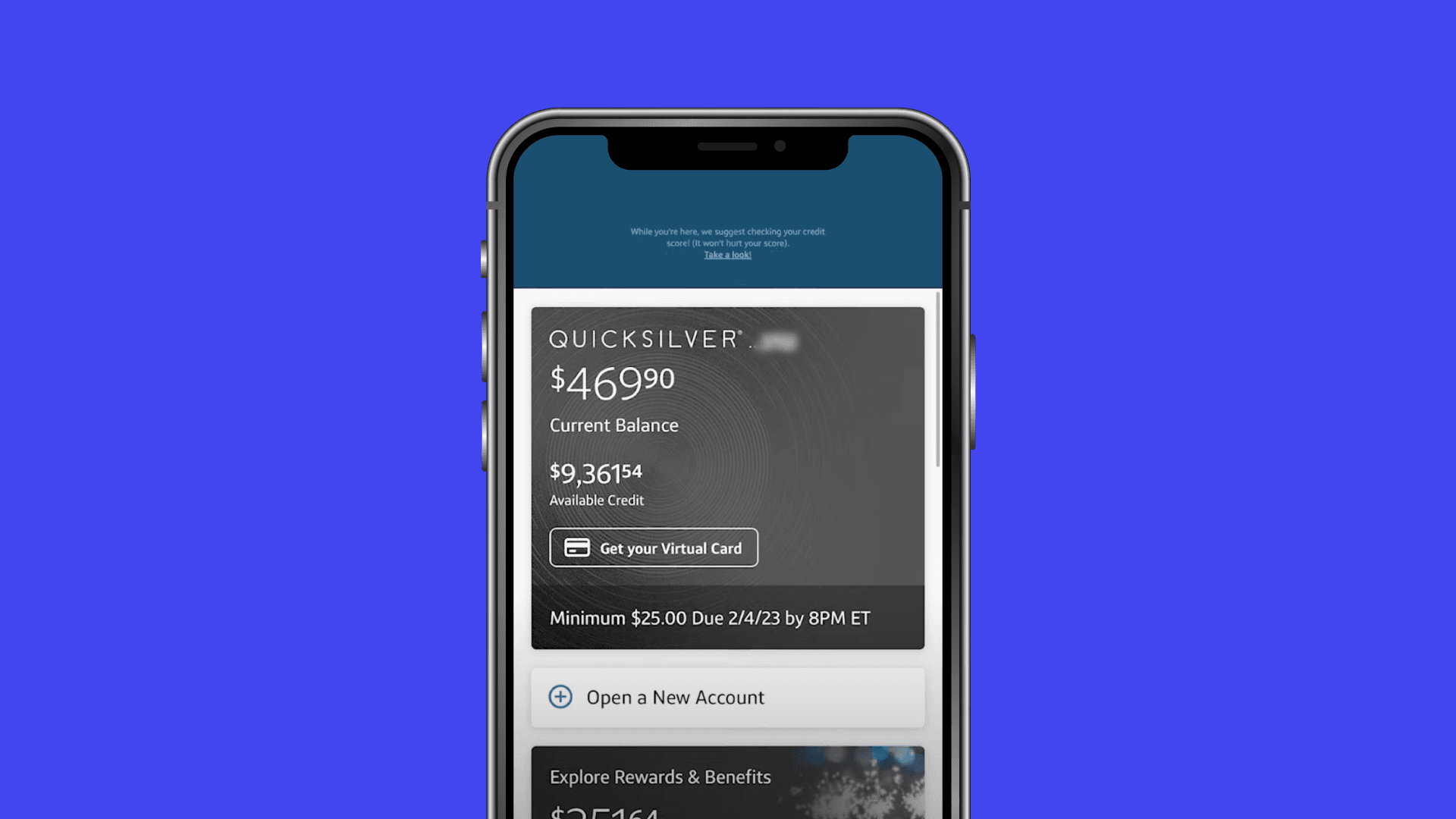
For those who prefer to manage payments manually each billing cycle, making a one-time payment online is efficient. After logging into your Capital One account, navigate to the payments section, usually clearly labeled “Make a Payment.” You’ll then select the Capital One credit card you wish to pay, choose your linked bank account as the payment source, and specify the payment amount. Options typically include the minimum payment due, the statement balance, your current balance, or a custom amount you can input manually. It’s always advisable to review the payment details, including the amount and effective date, before confirming the transaction. Once confirmed, you’ll receive a confirmation number and often an email notification, providing peace of mind.
Scheduling Recurring Payments for Convenience
To eliminate the risk of missing a payment due date, setting up recurring payments is an invaluable financial tool. Within the online portal, you can often find an option to “Set up AutoPay” or “Schedule Recurring Payments.” This feature allows you to choose a fixed payment amount (such as the minimum payment, statement balance, or a specific custom amount) and a recurring payment date each month. Typically, you can align this date with your statement’s due date or even earlier. Recurring payments ensure that your payment is automatically deducted from your chosen bank account, saving you time and preventing late fees. While incredibly convenient, it’s still prudent to review your monthly statements to ensure adequate funds are available in your linked bank account and to track your spending habits.
Exploring Other Digital Payment Methods
Beyond the primary online portal, Capital One offers additional digital avenues that cater to varying preferences and financial habits.
Paying via the Capital One Mobile App
The Capital One mobile app provides a streamlined, on-the-go payment experience. Available for both iOS and Android devices, the app mirrors much of the functionality of the online portal but in a mobile-optimized format. After downloading and logging in, you can easily view your current balance, statement details, and make a payment with just a few taps. The app often features biometric login options (fingerprint or face ID) for enhanced security and faster access. Similar to the online portal, you can choose a payment amount, select your linked bank account, and confirm the transaction. The app can also send push notifications for payment reminders, due date alerts, and payment confirmations, adding another layer of convenience and financial awareness.
Utilizing Bill Pay Services Through Your Bank
Many banks offer a comprehensive online bill pay service that allows you to manage all your bills, including your Capital One credit card, from a single platform. To use this service, you would typically add Capital One as a payee within your bank’s online banking portal. You’ll need information such as Capital One’s payment address (found on your statement) and your credit card account number. Once set up, you can schedule one-time or recurring payments directly from your checking account. Your bank then sends the payment to Capital One electronically or, in some cases, via a mailed check. This method can simplify your financial management by centralizing all your outgoing payments, though it’s important to monitor processing times, as payments initiated through a third-party bill pay service might take an extra day or two to post to your Capital One account.
Traditional Payment Options and Their Nuances
While digital methods offer unparalleled convenience, Capital One still supports several traditional payment avenues for those who prefer them or face limitations with digital access.
Mailing a Check or Money Order
For those who prefer a physical paper trail or do not use online banking, mailing a check or money order is a viable option. Your Capital One credit card statement will always include a payment coupon and the correct mailing address for remittances. It is critical to use the exact address provided on your statement, as payment processing centers can vary. When mailing a payment, always write your full credit card account number on the check or money order’s memo line to ensure it is correctly applied. Remember to factor in postal delivery times and processing time by Capital One. To avoid late fees, it’s generally recommended to mail your payment at least 7-10 business days before your due date. Retain a copy of your check or money order receipt for your records.
Paying by Phone

Capital One offers the option to pay your credit card bill over the phone. You can typically find the customer service phone number on the back of your credit card, on your statement, or on Capital One’s official website. Payments can often be made through an automated system, which requires you to input your credit card number, payment amount, and bank account details using your phone’s keypad. Alternatively, you can speak to a customer service representative who can assist you with the payment. While speaking to a representative can be helpful for specific inquiries, some issuers may charge a small fee for payments made with a live agent. Always confirm any potential fees during the call and ensure you receive a confirmation number for your records.
Cash Payments at Partner Locations
In some instances, Capital One may partner with select retail locations (such as certain drugstores or money transfer services) where you can make cash payments to your credit card account. This option is particularly useful for individuals who primarily deal in cash or wish to make a payment immediately without a bank account. You would typically need your credit card and potentially a form of identification. The retailer processes the payment and provides a receipt, which you should retain as proof of payment. It’s important to check Capital One’s official website or customer service to confirm current partner locations and any associated fees or payment limits, as these can change.
Strategic Approaches to Credit Card Payments
Beyond simply knowing how to pay, understanding how to pay strategically is vital for optimal financial health.
Understanding Your Statement Due Date and Payment Due Date
These two dates are often confused but have distinct meanings. The “statement closing date” marks the end of a billing cycle, and shortly after, you receive your statement. The “payment due date” is the deadline by which Capital One must receive your payment to avoid late fees and interest charges on new purchases if you don’t pay the full statement balance. There’s typically a grace period between the statement closing date and the payment due date during which no interest accrues on new purchases if the previous balance was paid in full. Always prioritize paying by the payment due date.
The Importance of Paying More Than the Minimum
While paying the minimum amount due keeps your account in good standing, it’s a strategy that can lead to significant interest accrual and prolonged debt. The minimum payment often covers only a small fraction of your principal balance plus accrued interest. Paying more than the minimum — ideally the full statement balance — allows you to avoid interest charges entirely (if you pay within the grace period) and reduces your overall debt much faster. This not only saves you money but also improves your credit utilization ratio, a key factor in your credit score.
Avoiding Late Fees and Protecting Your Credit Score
Late payments are costly in two ways: financial penalties and damage to your credit score. Capital One typically charges a late fee for payments received after the due date. More significantly, a payment that is 30 days or more overdue can be reported to credit bureaus, negatively impacting your credit score for years. A strong credit score is crucial for securing favorable interest rates on loans, mortgages, and even some insurance products. Utilize reminders, AutoPay, and consistently check your account to prevent late payments.
Managing Multiple Credit Cards and Payment Prioritization
If you hold multiple Capital One cards or credit cards from different issuers, developing a payment strategy is essential. Two popular methods are the “debt avalanche” and “debt snowball.” The debt avalanche method involves paying down the card with the highest interest rate first while making minimum payments on others. This strategy minimizes the total interest paid. The debt snowball method focuses on paying off the smallest balance first to gain psychological momentum, then rolling that payment amount into the next smallest debt. Choose the method that best aligns with your financial personality and goals.
Financial Tools and Best Practices for Payment Management
Effective payment management extends beyond just the act of paying; it involves proactive planning and utilizing available resources.
Setting Up Payment Reminders and Alerts
Capital One offers various alert services that can be customized to your preferences. You can receive notifications via email, text message, or through the mobile app, reminding you of upcoming payment due dates, when a payment has been posted, or when your statement is ready. Leveraging these reminders is a simple yet effective way to ensure you never miss a payment. Additionally, consider setting personal reminders on your calendar or through third-party financial management apps.
Budgeting for Your Credit Card Payments
Integrating your credit card payments into a comprehensive monthly budget is a fundamental best practice. By allocating a specific portion of your income each month towards credit card debt, you ensure that funds are readily available when due. This involves tracking your income and expenses, identifying areas where you can cut back, and prioritizing debt repayment. Tools like spreadsheets, budgeting apps, or even pen and paper can help you visualize your cash flow and plan your payments effectively. A well-structured budget helps you avoid overspending and prevents payment shortfalls.

What to Do if You Miss a Payment
Despite best intentions, sometimes a payment might be missed. If this happens, act immediately. First, make the payment as soon as you realize it’s overdue. Then, contact Capital One customer service. Explain your situation, especially if it’s your first time missing a payment. They may be willing to waive the late fee as a courtesy, although this is not guaranteed. More importantly, making the payment quickly can prevent it from being reported to credit bureaus if you pay before it becomes 30 days past due. Understanding the consequences and taking swift action can mitigate the long-term impact on your financial standing.
aViewFromTheCave is a participant in the Amazon Services LLC Associates Program, an affiliate advertising program designed to provide a means for sites to earn advertising fees by advertising and linking to Amazon.com. Amazon, the Amazon logo, AmazonSupply, and the AmazonSupply logo are trademarks of Amazon.com, Inc. or its affiliates. As an Amazon Associate we earn affiliate commissions from qualifying purchases.