
Navigating the costs associated with renting a car in Florida requires a keen understanding of a multi-faceted pricing structure, where the advertised daily rate is often just the tip of the financial iceberg. For any traveler or resident considering a rental, the key to prudent financial planning lies in dissecting the various elements that contribute to the final bill, ultimately empowering them to make economically sound decisions. Florida, with its diverse attractions and sprawling geography, makes car rentals a necessity for many, highlighting the importance of budgeting accurately for this expense.

Deconstructing the Core Rental Rate: What Drives the Price?
The foundational cost of a car rental in Florida is influenced by several primary factors that interact to set the initial daily or weekly rate. Understanding these dynamics is crucial for anticipating your expenditure.
Vehicle Class and Demand Dynamics
The type of vehicle you choose directly impacts the base rental price. Economy cars are invariably the most budget-friendly option, offering essential transportation at the lowest cost. Mid-size and full-size sedans provide more comfort and space at a moderate increase. Moving up the ladder, SUVs, minivans, and luxury vehicles command significantly higher prices due to their size, features, and perceived value. Furthermore, the overall demand for specific vehicle classes can inflate prices. During peak tourist seasons or major events, the availability of certain car types dwindles, driving up their rental cost due to basic supply and demand principles.
Rental Duration: Daily, Weekly, or Long-Term Savings
Rental companies often employ tiered pricing structures based on the length of the rental period. While daily rates are typically the highest per day, opting for a weekly rental almost always results in a lower average daily cost. Many agencies offer discounted weekly rates, effectively giving you one or two “free” days compared to cumulative daily charges. For extended stays, monthly rates can provide even greater per-day savings, making long-term planning financially advantageous. It’s a fundamental principle of bulk purchasing applied to car rentals: the longer you commit, the better the unit price tends to be.
Seasonal Fluctuations and Booking Timing
Florida’s appeal as a year-round destination means that rental car prices are highly susceptible to seasonal shifts. Peak tourist seasons, such as Spring Break (March-April), major holidays (Thanksgiving, Christmas, New Year’s), and the winter months when snowbirds flock to the Sunshine State (November-April), invariably see a substantial increase in rental rates. Conversely, the hotter, quieter summer months (June-August) or hurricane season (June-November, particularly September-October) often present more favorable pricing. Booking well in advance, especially during peak seasons, can often lock in lower rates before demand drives them higher. Last-minute bookings, while sometimes yielding unexpected deals, typically result in higher prices, especially for desirable vehicle categories.
Beyond the Base: Navigating the Maze of Additional Costs
The initial quote for a Florida car rental rarely represents the total financial outlay. A significant portion of your budget will likely be consumed by various mandatory and optional add-ons, surcharges, and taxes. Prudent financial planning requires accounting for these items beforehand.
The Insurance Dilemma: Waivers and Personal Policies
Rental car insurance can be one of the most substantial additional costs. Rental agencies typically offer several types of coverage, including:
-
Loss Damage Waiver (LDW) or Collision Damage Waiver (CDW): This waives your financial responsibility for damage to the rental vehicle. It can be expensive, often ranging from $15-$30 per day.
-
Supplemental Liability Insurance (SLI): This provides additional liability coverage beyond the state-mandated minimum.
-
Personal Accident Insurance (PAI): Covers medical expenses for you and your passengers.
-
Personal Effects Coverage (PEC): Insures personal belongings stolen from or damaged in the rental car.
Before opting for these, it’s financially savvy to check your existing auto insurance policy, which may extend coverage to rental cars. Many premium credit cards also offer secondary collision damage waiver benefits as a perk for booking the rental with their card. Understanding your existing coverage can save you hundreds of dollars over the course of a week-long rental.
Under-25 Surcharges and Additional Driver Fees
Drivers under the age of 25 are almost universally subject to a “young renter fee” or “underage driver surcharge,” which can add an extra $20-$35 per day to the rental cost. This fee is a significant financial consideration for younger travelers. Similarly, adding an authorized additional driver to the rental agreement typically incurs a daily fee, often ranging from $10-$15. Some loyalty programs or corporate accounts may waive these fees, but generally, they are an unavoidable cost for those who require them.
Fuel Policies: Pre-Paid vs. Refill Options
Rental companies offer various fuel options, each with different financial implications. The most common are:
-
Full-to-Full: You pick up the car with a full tank and return it full. This is generally the most cost-effective option, provided you refill it yourself at a local gas station before returning.
-
Pre-Paid Fuel: You pay for a full tank upfront at the rental company’s rate, which is often higher than local gas station prices. This offers convenience but rarely financial savings, as you don’t get a refund for unused fuel.
-
Return Empty (or Company Refill): If you return the car with less fuel than when you picked it up, the company will refuel it and charge you a premium price per gallon, often with an added service fee. This is almost always the most expensive option.
For optimal budgeting, aim for the full-to-full policy and plan your refueling accordingly.
Location, Location, Location: Airport vs. Off-Airport Premiums

Renting directly from an airport location in Florida nearly always incurs additional costs. Airport concession fees, surcharges, and taxes are levied by the airport authority and passed directly to the consumer. These can add 10-20% or more to the base rental price. Renting from an off-airport location, even if it requires a short taxi or ride-share to reach, can often yield significant savings. A careful cost-benefit analysis of transportation to an off-airport site versus the airport surcharges is a wise financial move.
Taxes, Surcharges, and One-Way Fees
Florida car rentals are subject to state and local sales taxes, airport surcharges (if applicable), and potentially other miscellaneous fees (e.g., vehicle license recovery fees, energy recovery fees). These can cumulatively add a substantial percentage to your final bill. Additionally, if you’re planning a one-way rental – picking up the car in one Florida city and dropping it off in another (or out of state) – expect a significant “one-way fee” or “drop charge” due to the logistical costs for the rental company to reposition the vehicle. These fees can sometimes exceed the base rental cost for shorter trips.
Smart Money Strategies for Saving on Your Florida Car Rental
With a clear understanding of the various cost drivers, implementing smart financial strategies can significantly reduce your Florida car rental expenses.
Leveraging Comparison Tools and Direct Bookings
Start your search using online car rental comparison websites (e.g., Kayak, Expedia, Priceline). These aggregators can quickly survey rates across multiple providers. However, don’t stop there. Once you identify potential deals, visit the rental company’s direct website. Sometimes, they offer exclusive web-only deals or discounts that aren’t available through third-party sites. Signing up for email newsletters from major rental brands can also provide access to promotional codes.
Maximizing Credit Card Benefits and Loyalty Programs
Many premium travel credit cards offer a suite of benefits that can translate into direct savings. As mentioned, some provide secondary (and occasionally primary) collision damage waiver coverage. Others offer elite status with rental companies, which can mean free upgrades, waived additional driver fees, or discounted rates. Enrolling in loyalty programs for your preferred rental companies is free and can accrue points for future discounts or offer exclusive member pricing.
Strategic Timing and Off-Peak Travel
If your travel dates are flexible, aim to visit Florida during its off-peak seasons. The shoulder months (late April/early May and late August/early September) often present a sweet spot between pleasant weather and lower prices for both accommodations and car rentals. Avoiding major holidays and school breaks will almost always result in a more budget-friendly trip.
Discount Codes and Membership Perks
Before finalizing your booking, always search for discount codes. Websites like RetailMeNot or specific coupon aggregators often list current promotions. Additionally, check if you qualify for discounts through membership organizations such as AAA, AARP, Costco, or your employer. Many large corporations have negotiated rates with rental car companies that can provide substantial savings.
Budgeting for Your Florida Car Rental: A Holistic Financial Approach
Ultimately, effective financial planning for a Florida car rental involves more than just finding the lowest daily rate. It requires a holistic approach to budgeting, anticipating all potential costs, and understanding the terms of your agreement.
Setting Realistic Expectations
Recognize that while finding a “cheap” rental is appealing, the true cost includes all the necessary add-ons and taxes. Instead of focusing solely on the base rate, factor in an estimate for insurance, fuel, and any relevant fees when setting your budget. A reasonable rule of thumb might be to assume that taxes and fees could add 20-40% to the base rate, and optional insurance could double or triple that for some drivers.
The Importance of a Contingency Fund
Even with meticulous planning, unforeseen circumstances can arise. A flat tire, an accidental ding, or an unexpected extension of your rental period can all incur additional costs. Allocating a small contingency fund (e.g., 10-15% of your estimated rental cost) within your overall travel budget can provide a financial buffer and peace of mind.
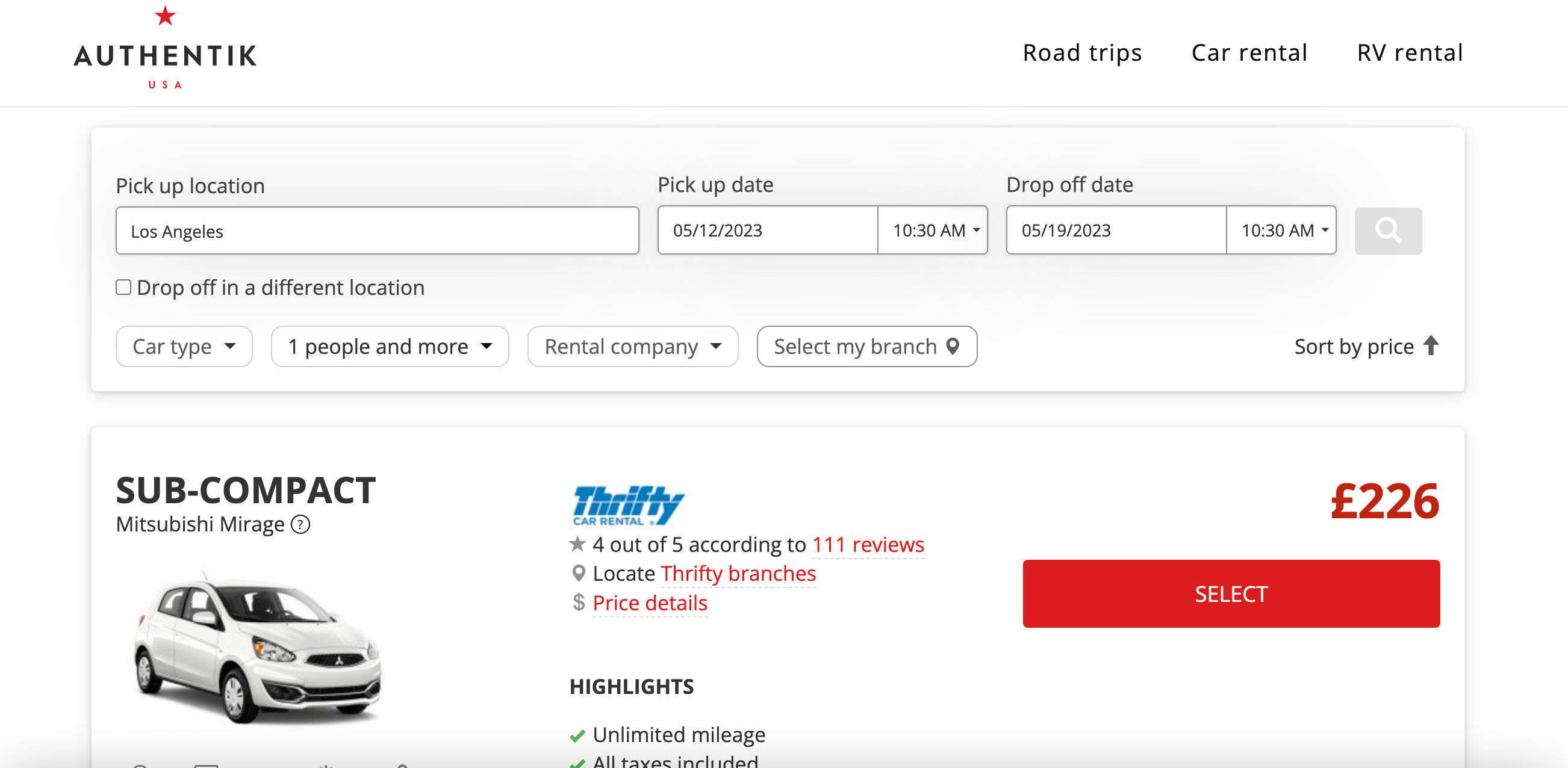
Reading the Fine Print: Understanding Your Rental Agreement
Before signing any rental agreement, dedicate time to reading the fine print. This document outlines everything from fuel policies and mileage limits to cancellation fees and procedures for damage claims. Understanding these terms can prevent costly surprises upon pickup or return. Clarify any ambiguities with the rental agent. A financially savvy traveler is an informed traveler, ensuring that their Florida adventure remains enjoyable and within budget.
aViewFromTheCave is a participant in the Amazon Services LLC Associates Program, an affiliate advertising program designed to provide a means for sites to earn advertising fees by advertising and linking to Amazon.com. Amazon, the Amazon logo, AmazonSupply, and the AmazonSupply logo are trademarks of Amazon.com, Inc. or its affiliates. As an Amazon Associate we earn affiliate commissions from qualifying purchases.