
Understanding when a major retailer like Costco Wholesale Corporation (NASDAQ: COST) releases its financial results is crucial for investors, analysts, and anyone tracking the health of the consumer retail sector. These quarterly earnings reports provide a transparent look into a company’s performance, offering insights into sales trends, profitability, operational efficiency, and future outlook. For a retail giant like Costco, with its unique membership model and broad global footprint, each report is a significant event that can influence market sentiment and investment strategies.
The Significance of Earnings Season for Retail Investors
Earnings season is a designated period, typically a few weeks after the close of each fiscal quarter, during which publicly traded companies announce their financial results. For investors in the retail sector, these announcements are particularly impactful. They offer the freshest data on consumer spending habits, economic conditions, and competitive dynamics. Knowing when Costco reports is not just about marking a date on a calendar; it’s about anticipating a wave of information that can confirm or challenge existing investment theses.

What Constitutes an Earnings Report?
An earnings report, also known as a quarterly report or 10-Q (or 10-K for annual reports), is a comprehensive financial statement detailing a company’s performance over the preceding three months. Key components typically include:
-
Income Statement: This shows revenue, cost of goods sold, operating expenses, and ultimately, net income (or loss) and earnings per share (EPS). For Costco, investors closely watch total net sales, membership fee revenue, and how these translate into profitability.
-
Balance Sheet: A snapshot of the company’s assets, liabilities, and shareholders’ equity at a specific point in time. This reveals financial health, liquidity, and solvency.
-
Cash Flow Statement: Details the cash inflows and outflows from operating, investing, and financing activities. This is critical for understanding a company’s ability to generate cash and manage its liquidity.
-
Management Discussion and Analysis (MD&A): A narrative section where management explains the results, discusses significant trends, challenges, and future expectations. This qualitative insight often provides context to the raw numbers.
Why Quarterly Reports Drive Market Action
Earnings reports are pivotal because they allow investors to assess whether a company is meeting, exceeding, or falling short of market expectations (analyst consensus). A “beat” (exceeding expectations) often leads to a stock price surge, while a “miss” can trigger a decline. Beyond the immediate price reaction, these reports inform long-term investment decisions by revealing underlying business fundamentals. For Costco, key metrics like comparable store sales growth, e-commerce sales, and membership renewal rates are under intense scrutiny, offering a barometer of consumer loyalty and operational success.
Decoding Costco’s Fiscal Reporting Schedule
Unlike many companies that follow a standard calendar year (ending December 31st), Costco operates on a unique fiscal calendar. This distinct cycle is crucial for accurately tracking its earnings release dates.
Costco’s Unique Fiscal Year Structure
Costco’s fiscal year typically ends on the Sunday closest to August 31st. This means its fiscal quarters do not align with calendar quarters, which is a common point of confusion for new investors.
-
Fiscal First Quarter (Q1): Usually ends in late November or early December.
-
Fiscal Second Quarter (Q2): Typically ends in late February or early March.
-
Fiscal Third Quarter (Q3): Generally ends in late May or early June.
-
Fiscal Fourth Quarter (Q4) / Full Fiscal Year: Concludes on the Sunday closest to August 31st.
This structure means that while most companies are reporting Q4 results in January/February, Costco might be reporting its Q1 or Q2 results. It’s essential to always refer to Costco’s specific investor relations calendar.
Typical Reporting Cadence for Costco
Costco generally releases its earnings report approximately two to three weeks after the end of each fiscal quarter. The precise date is announced in advance through a press release and updated on its investor relations website. These announcements typically occur after market close on a Thursday, followed by an investor conference call the same day or the following morning.
To find the exact upcoming earnings date for Costco:
-
Visit Costco’s Investor Relations Website: This is the most reliable source for official announcements, historical reports, and event calendars. Navigate to the “Events & Presentations” or “Financial Calendar” section.
-
Check Financial News Outlets: Reputable financial news sources (e.g., Bloomberg, Wall Street Journal, Reuters, CNBC) and financial data providers (e.g., Yahoo Finance, Google Finance, Zacks, Seeking Alpha) regularly publish upcoming earnings dates.
-
Consult Brokerage Platforms: Most online brokerage accounts provide detailed financial information, including earnings schedules, for the stocks they cover.
For example, a typical reporting sequence for Costco might look like this:
-
Q1 Fiscal 2024 (ending Nov 26, 2023): Reported in December 2023.
-
Q2 Fiscal 2024 (ending Feb 18, 2024): Reported in March 2024.
-
Q3 Fiscal 2024 (ending May 12, 2024): Reported in May/June 2024.
-
Q4 Fiscal 2024 (ending Sep 1, 2024): Expected to be reported in late September/early October 2024.
Note: These dates are illustrative and actual dates vary each year. Always check official sources.
Key Metrics to Scrutinize in Costco’s Earnings
When Costco reports its earnings, investors zero in on several critical metrics that provide a holistic view of the company’s performance and future prospects. These aren’t just numbers; they tell a story about consumer behavior, operational efficiency, and the strength of the Costco brand.
Revenue and Sales Growth Metrics
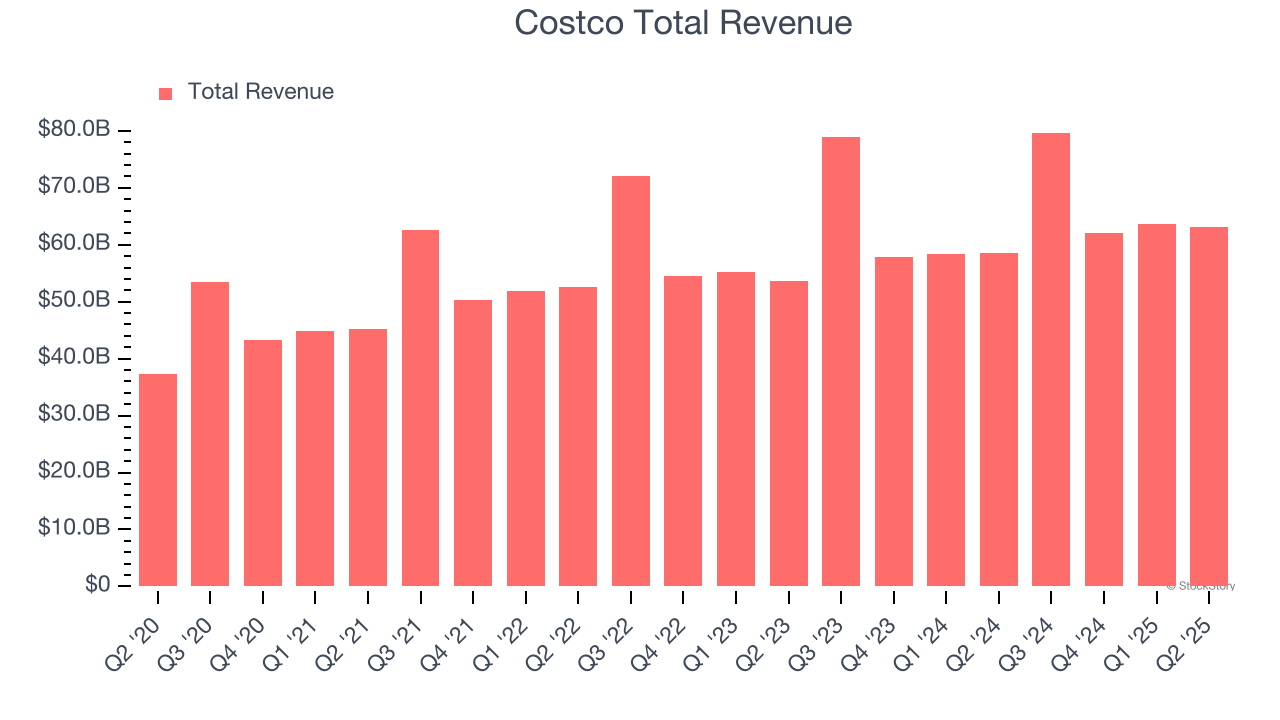
The headline numbers for any retailer are total net sales. However, a deeper dive into sales components is crucial:
-
Comparable Store Sales (Comps): This is perhaps the most vital metric for retailers. It measures sales from stores open for at least a year, excluding new store openings or closures. Positive comps indicate organic growth and healthy demand. Investors watch comps both overall and broken down by region (U.S., Canada, International) and product category.
-
E-commerce Sales Growth: With the ongoing shift to online shopping, Costco’s digital performance is increasingly important. Growth in e-commerce sales indicates its ability to adapt and compete in a multi-channel retail environment.
-
Total Net Sales: The aggregate revenue generated, encompassing merchandise sales and membership fees. Consistent growth here demonstrates the company’s overall expansion.
Membership Fees and Renewal Rates
Costco’s business model is unique due to its reliance on membership fees. These fees are high-margin and highly predictable, providing a stable revenue stream that buffers against retail cyclicality.
-
Membership Fee Revenue: This direct and predictable income stream is crucial. Growth signifies more members or successful fee increases.
-
Membership Renewal Rate: A testament to customer loyalty and satisfaction. High renewal rates (typically in the high 80s or low 90s for Costco) indicate that members find significant value in their subscriptions, driving recurring revenue. Investors pay close attention to any fluctuations, as even small changes can impact long-term profitability.
-
Number of Cardholders: An increase in the total number of members indicates successful expansion and attraction of new customers.
Gross Margins and Operating Expenses
Profitability hinges on more than just sales; it also depends on how efficiently the company manages its costs.
-
Gross Margin: This shows the profit generated from sales after deducting the cost of goods sold. For Costco, known for its low prices, maintaining healthy gross margins is a continuous balancing act.
-
Selling, General, and Administrative (SG&A) Expenses: These are the costs associated with running the business, such as salaries, marketing, and rent. Efficient management of SG&A relative to sales growth is a sign of operational leverage.
-
Operating Income/Margin: A measure of the company’s profit from its core operations before interest and taxes. This indicates the effectiveness of its fundamental business activities.
Guidance and Future Outlook
Beyond historical performance, what management says about the future is equally important.
-
Forward Guidance: Management often provides forecasts for future sales, earnings, and capital expenditures for the upcoming quarter or fiscal year. This guidance significantly influences analyst estimates and investor expectations.
-
Conference Call Commentary: During the earnings call, executives discuss current trends, challenges (e.g., inflation, supply chain issues), strategic initiatives (e.g., new store openings, international expansion, e-commerce investments), and their outlook on the economic environment. Listening to this discussion provides qualitative insights that numbers alone cannot convey.
The Impact of Earnings on Investor Decisions and Market Sentiment
An earnings report is not just a financial disclosure; it’s a catalyst that can reshape market perceptions and influence investment decisions, both in the short term and the long term.
Short-Term Volatility vs. Long-Term Value
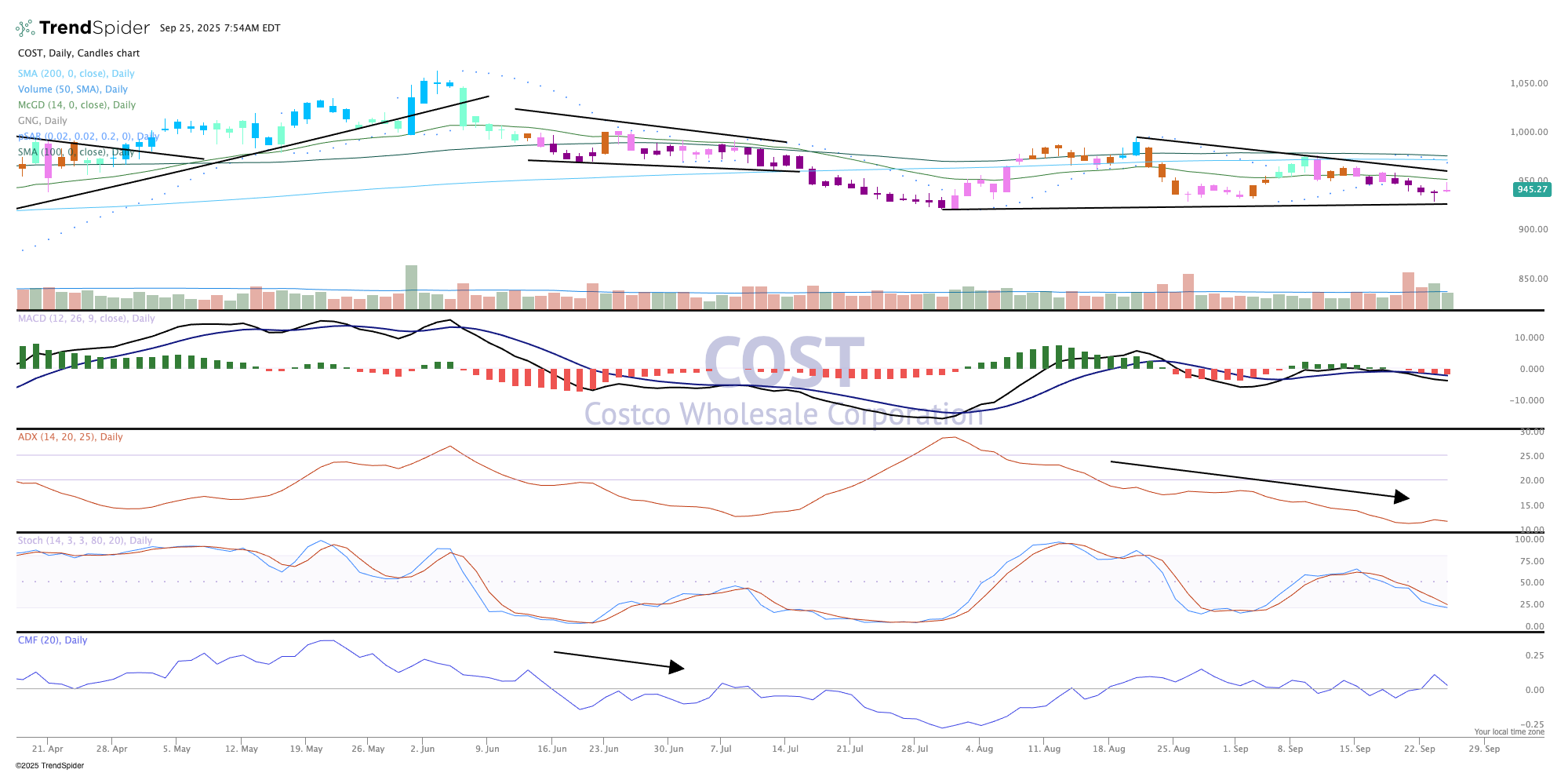
In the immediate aftermath of an earnings release, especially if there’s a significant beat or miss compared to analyst expectations, Costco’s stock price can experience considerable volatility. Algorithmic trading, short-term speculation, and rapid re-evaluation by analysts often drive these sharp movements. Traders may try to capitalize on these swings.
However, for long-term investors, the focus shifts beyond the immediate price reaction. They scrutinize the underlying trends revealed in the report: Is the membership model still robust? Are comparable sales consistently growing? Is management effectively navigating economic headwinds? A single quarter’s fluctuation might be less concerning if the company’s long-term strategic direction and fundamental strengths remain intact. Long-term investors look for consistent execution and strategic coherence that builds sustainable value over years, not just quarters.
How Analysts React and Adjust
Equity research analysts, who cover Costco, diligently review each earnings report. Their primary role is to update their financial models, revise their earnings per share (EPS) and revenue estimates for future quarters, and potentially adjust their stock ratings (e.g., “buy,” “hold,” “sell”) and price targets. These adjustments, especially from prominent research firms, can further amplify market reactions. A series of positive revisions can build bullish momentum, while widespread downgrades can signal trouble. Investors often monitor these analyst reports as supplementary information, but astute investors conduct their own due diligence rather than relying solely on analyst consensus.
Leveraging Earnings for Investment Strategy
For those managing their personal finances or investment portfolios, understanding Costco’s earnings reports can be a valuable tool:
-
Confirmation of Thesis: For existing shareholders, a strong report can confirm their belief in the company’s health and management’s execution, reinforcing their decision to hold or even add to their position.
-
Opportunity for Entry/Exit: A stock price dip following an earnings miss (especially if the miss is deemed temporary or overblown) might present a buying opportunity for value investors. Conversely, an investor might consider trimming a position if the report reveals deteriorating fundamentals or a significant overvaluation.
-
Sector Insight: Costco’s results often serve as a bellwether for the broader retail sector and consumer spending. Insights from its report can inform decisions regarding other retail stocks or consumer discretionary investments.
-
Risk Assessment: Earnings reports can highlight emerging risks, such as increased competition, supply chain disruptions, inflationary pressures on costs, or shifts in consumer preferences. Investors can use this information to assess their portfolio’s exposure to such risks.
Ultimately, knowing when Costco reports earnings is the first step in a broader process of financial analysis. It enables investors to be prepared, absorb critical information, and integrate these insights into a well-informed investment strategy, aligning with the principles of sound financial management and intelligent investing.
aViewFromTheCave is a participant in the Amazon Services LLC Associates Program, an affiliate advertising program designed to provide a means for sites to earn advertising fees by advertising and linking to Amazon.com. Amazon, the Amazon logo, AmazonSupply, and the AmazonSupply logo are trademarks of Amazon.com, Inc. or its affiliates. As an Amazon Associate we earn affiliate commissions from qualifying purchases.