
Costco Wholesale Corporation operates primarily within the retail industry, specifically dominating the wholesale club sector. From a financial and investment perspective, understanding this nuanced categorization is crucial for analyzing its business model, assessing its financial performance, and evaluating its position within the broader economic landscape. While at its core a retailer, Costco’s distinct membership-based, bulk-selling approach places it in a specialized niche that yields unique financial characteristics and competitive advantages.
Costco’s Core Industry: The Wholesale Club Retail Sector
To investors and financial analysts, correctly identifying a company’s industry segment is paramount for peer comparison, market trend analysis, and risk assessment. Costco’s operations firmly plant it within the retail sector, but its wholesale club model differentiates it significantly from traditional supermarkets, discount retailers, or e-commerce giants. This hybrid approach allows Costco to tap into distinct consumer behaviors and leverage specific operational efficiencies, which directly impact its financial statements and investment profile.
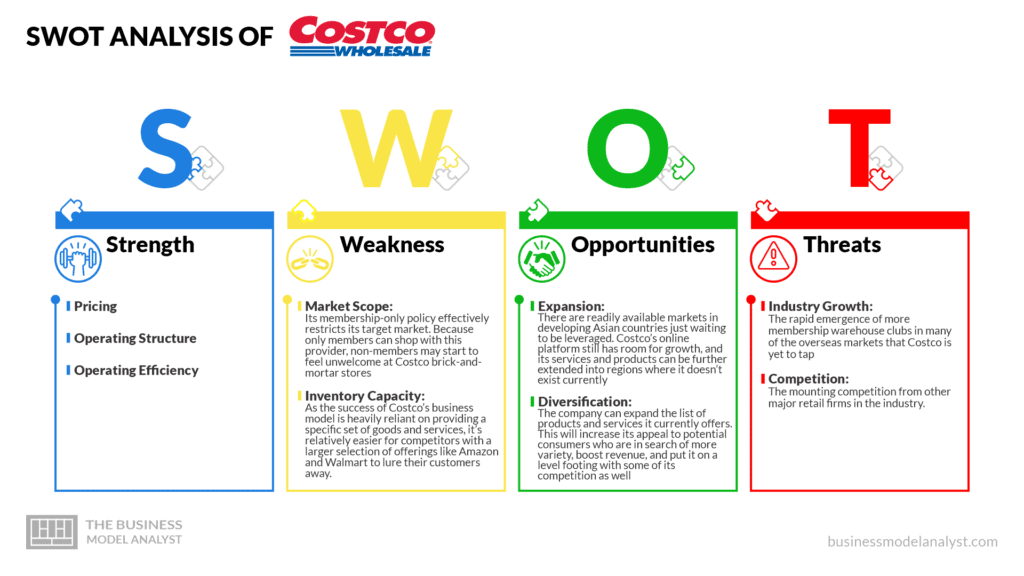
The Hybrid Retail Model: Cash & Carry, Membership
Costco’s business model is often described as “cash and carry” for its members, offering a vast array of products—from groceries and electronics to apparel and home goods—in bulk quantities at competitive prices. The cornerstone of this model is the paid membership fee, which acts as a barrier to entry for non-members and, more importantly from a financial standpoint, a highly profitable, recurring revenue stream. This fee structure enables Costco to operate with significantly lower gross margins on its merchandise sales than conventional retailers, as the membership income effectively subsidizes operational costs and contributes substantially to the company’s net income. This unique financial leverage provides a distinct competitive advantage, allowing Costco to pass on savings to customers, driving volume and loyalty.
Market Size and Economic Impact
The wholesale club industry, spearheaded by Costco, Sam’s Club, and BJ’s Wholesale Club, represents a substantial segment of the global retail market. These entities collectively generate hundreds of billions of dollars in annual sales, reflecting their significant economic footprint. For investors, this market segment is attractive due to its resilience, often performing well across various economic cycles. During economic downturns, consumers tend to gravitate towards value-oriented retailers like Costco, seeking to maximize their purchasing power through bulk discounts. In periods of economic growth, the convenience and quality assortment continue to appeal to a broad demographic. Analyzing Costco’s performance requires an understanding of consumer spending patterns, inflation rates, and the broader retail environment, all viewed through the lens of its unique market position.
The Financial Strength of the Membership-Based Model
The membership fee structure is not merely a gatekeeping mechanism; it is the financial backbone of Costco’s robust profitability and stability. This recurring revenue stream provides a predictable, high-margin income source that allows Costco to maintain its aggressive pricing strategy on merchandise, fostering unparalleled customer loyalty and driving high sales volumes.
Membership Fees as a High-Margin Revenue Source
Costco’s financial disclosures consistently highlight the disproportionate contribution of membership fees to its net income. While merchandise sales account for the vast majority of its revenue, the gross margin on these sales is notoriously thin, often in the low double-digits or even single-digits. In contrast, membership fees are almost pure profit, after accounting for membership services and marketing costs. This allows Costco to operate its merchandising business with razor-thin margins, often seen as a benefit passed directly to the consumer, which in turn reinforces member value and retention. For investors, this means a reliable, high-quality earnings component that cushions against fluctuations in merchandise sales performance and provides a stable base for the company’s valuation. The consistency of member renewals (often exceeding 90% in North America) underscores the sticky nature of this revenue.
Driving Volume and Operational Efficiency
The membership model directly fuels Costco’s high-volume, high-turnover operational strategy. Members, having paid an annual fee, are incentivized to shop frequently and spend more to maximize the value of their membership. This results in incredibly high sales volumes per warehouse, leading to superior inventory turnover rates compared to traditional retailers. High inventory turnover minimizes carrying costs, reduces obsolescence risk, and enhances cash flow. Furthermore, the sheer purchasing power derived from this volume allows Costco to negotiate highly favorable terms with suppliers, securing lower product costs that can then be passed on to members. This virtuous cycle of membership, volume, lower prices, and higher retention forms a powerful economic moat, making it challenging for competitors to replicate Costco’s financial efficiency and value proposition.
Revenue Diversification and Business Finance Strategies
Beyond its core bulk merchandise sales, Costco strategically diversifies its revenue streams and employs astute business finance strategies to enhance profitability and maintain its competitive edge. These ancillary services and operational efficiencies contribute significantly to the company’s overall financial health and provide additional layers of value to its members.
Ancillary Services and Their Contribution to Profitability
Costco offers a wide range of services that extend beyond its warehouse aisles, including gas stations, optical centers, pharmacies, food courts, tire centers, and travel services. Each of these services is designed to increase member engagement, drive repeat visits, and provide additional value, thus reinforcing the membership proposition. Financially, these ancillary businesses often operate with higher margins than the core merchandise sales, contributing incrementally to overall profitability. For instance, Costco’s gas stations are a major draw, offering competitive fuel prices that attract members who often then enter the warehouse to shop. The pharmacy and optical centers, while offering essential services, also generate significant revenue and contribute to the company’s healthcare benefits for members. These diversified income streams mitigate risk by reducing over-reliance on a single product category and enhance the overall financial robustness of the enterprise.
Supply Chain Mastery and Inventory Management
Costco’s financial success is heavily predicated on its operational excellence, particularly its supply chain management and inventory control. The company’s strategy revolves around offering a limited assortment of high-quality products at competitive prices, minimizing stock-keeping units (SKUs) compared to typical big-box retailers. This focused approach simplifies logistics, reduces warehousing costs, and enables bulk purchasing directly from manufacturers, bypassing intermediaries. Financially, this translates into lower cost of goods sold and optimized working capital. Costco’s just-in-time inventory practices, coupled with high sales velocity, mean products spend minimal time on shelves, reducing capital tied up in inventory and improving cash conversion cycles. This lean operating model is a critical driver of its ability to offer value prices while generating healthy cash flow.
Investment Perspectives: Stability and Growth in a Competitive Market
For investors, Costco represents a unique blend of stability, consistent growth, and resilient financial performance, even within the highly competitive retail sector. Its distinct business model and operational efficiencies translate into attractive financial metrics and long-term shareholder value.
Analyzing Key Financial Metrics
Investors typically scrutinize several key financial metrics when evaluating Costco. Its revenue growth, driven by both comparable store sales and new warehouse openings, indicates market expansion and demand. Profitability is assessed through metrics like gross margin (though intentionally low on merchandise, overall strong due to membership fees), operating margin, and net income. The high operating leverage derived from its membership base ensures a substantial portion of incremental sales growth flows to the bottom line. Furthermore, strong free cash flow generation is a hallmark of Costco’s business, allowing for reinvestment in the business, debt reduction, and consistent dividend payments. The company’s balance sheet is typically robust, with manageable debt levels and ample liquidity, reflecting prudent financial management. Price-to-earnings (P/E) ratios, while often higher than some traditional retailers, are justified by the predictability of its earnings and its consistent growth trajectory.

Long-Term Value and Shareholder Returns
Costco’s investment thesis rests heavily on its long-term value creation. The high member retention rate and consistent growth in membership fees provide a durable competitive advantage and a predictable revenue stream that underpins its financial stability. The company’s disciplined approach to expansion, coupled with its ability to consistently deliver value to members, supports steady comparable store sales growth. Shareholders have historically benefited from both capital appreciation and a reliable dividend payout, occasionally supplemented by significant special dividends, reflecting strong cash generation. In an industry often characterized by disruption and intense competition, Costco’s established brand loyalty, efficient operating model, and unique financial structure position it as a defensive yet growth-oriented investment, appealing to those seeking stability and consistent returns in the retail landscape.
aViewFromTheCave is a participant in the Amazon Services LLC Associates Program, an affiliate advertising program designed to provide a means for sites to earn advertising fees by advertising and linking to Amazon.com. Amazon, the Amazon logo, AmazonSupply, and the AmazonSupply logo are trademarks of Amazon.com, Inc. or its affiliates. As an Amazon Associate we earn affiliate commissions from qualifying purchases.