
Cash App has revolutionized the way millions send, receive, and manage money, offering an often instantaneous and convenient alternative to traditional banking transfers. However, encountering a “pending” status on a Cash App transaction can be a source of frustration and confusion. Understanding why a transaction might be held in limbo is crucial for navigating personal finance in the digital age. This deep dive will explore the underlying financial mechanisms, common culprits behind pending transactions, typical resolution timelines, and actionable steps you can take to address and prevent these delays, ensuring smoother financial interactions.
The Mechanics of Cash App Transactions: A Financial Flow
At its core, Cash App facilitates money transfers by leveraging existing financial infrastructure, connecting users’ accounts to banks, debit cards, and internal balances. While often perceived as instant, every transaction involves a complex dance between various entities, each with its own processing rules and security protocols.
Instant Transfers vs. Standard Processing
The allure of Cash App largely lies in its promise of instant transfers. For many peer-to-peer payments, funds appear in the recipient’s balance almost immediately. This is often true when funds are moving between Cash App balances or from a linked debit card with a direct agreement. However, “instant” doesn’t always mean bypassing the backend systems; it means these systems are optimized for speed. When a transaction moves money from a bank account not directly linked for instant debit, or when external factors come into play, the process can revert to a more standard processing time.
Role of Banks and Financial Institutions
Cash App acts as an intermediary. When you send money from a linked bank account, or when you cash out to your bank, your bank is a critical player. Banks operate on their own processing schedules, often adhering to business days and cut-off times. A transfer initiated late on a Friday might not even begin processing with the bank until the following Monday. Furthermore, banks have their own sophisticated fraud detection systems and regulatory compliance checks that can independently flag and hold transactions, regardless of Cash App’s internal approval.
Security Protocols and Fraud Prevention
Both Cash App and its partner financial institutions employ robust security protocols to protect users from fraud and comply with anti-money laundering (AML) regulations. Every transaction, especially those exceeding certain thresholds or exhibiting unusual patterns, is subject to automated review. These systems look for anomalies: a sender suddenly sending a large sum to a new recipient, multiple rapid transactions, or activity from an unusual location. When such flags are raised, a transaction might be automatically placed in a pending state for manual review, causing a delay. This necessary layer of security, while occasionally inconvenient, is vital for safeguarding financial assets.
Common Reasons for Pending Cash App Transactions
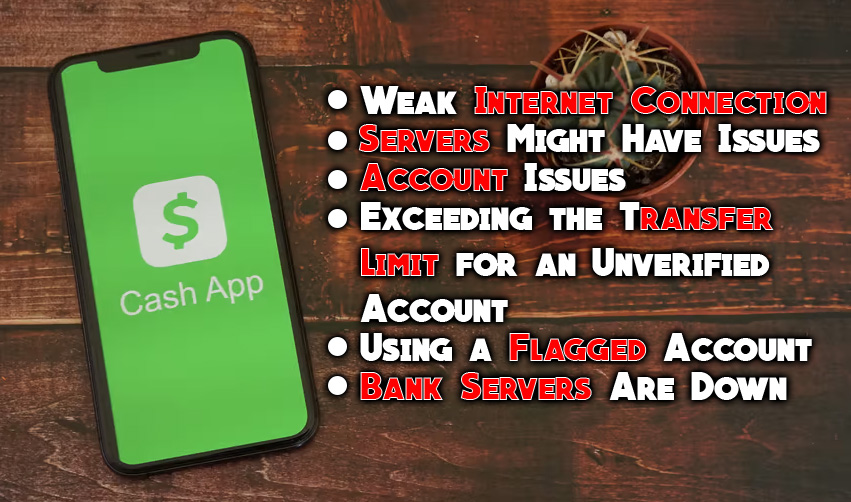
A “pending” status isn’t a single issue but rather a symptom of various underlying causes, most of which relate to financial safeguards or system limitations.
Insufficient Funds (Sender)
One of the most straightforward reasons a transaction might go pending, and eventually fail, is if the sender’s linked bank account or Cash App balance lacks sufficient funds to cover the payment. While often resulting in an immediate decline, sometimes the system may attempt to re-process or hold the transaction pending confirmation of funds, especially if it’s a fluctuating balance.
Bank Review/Hold (Sender or Recipient)
Even if Cash App approves a transaction, the sender’s or recipient’s bank can place a hold. This is particularly common for larger transactions, first-time transfers to new recipients, or if the bank’s fraud detection system identifies anything out of the ordinary. Banks are obligated to conduct due diligence, and this can mean manually reviewing transactions before releasing funds. Such holds can last for several business days.
Network Congestion or System Glitches
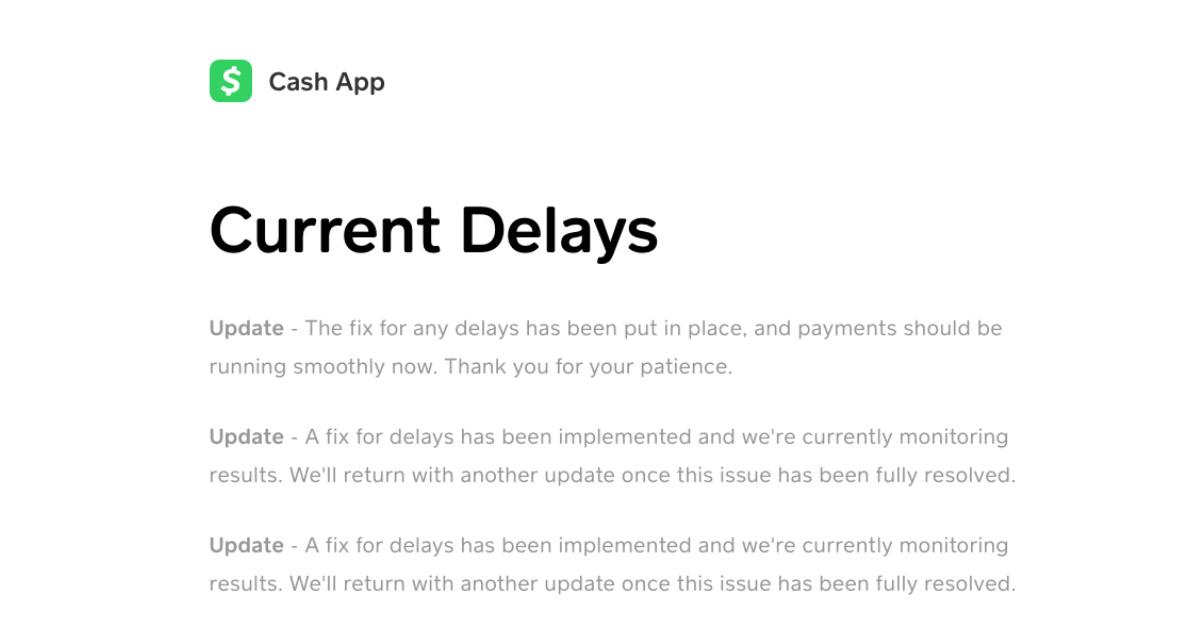
Digital payment platforms rely on vast, interconnected networks. During peak usage times (e.g., payday, holidays), or if there are unexpected technical issues, server overloads, or communication disruptions between Cash App and its banking partners, transactions can get queued up, leading to a pending status. While less frequent, system maintenance or unforeseen glitches can also temporarily delay processing.
Identity Verification Issues
Cash App, like all regulated financial services, has “Know Your Customer” (KYC) requirements. For basic sending and receiving, minimal verification may suffice. However, for higher transaction limits or to access certain features, full identity verification (linking a Social Security Number, providing a photo ID) is required. If a transaction pushes against unverified limits, or if there’s a discrepancy in verified information, the transaction may be held pending further identity confirmation.
Unusual Transaction Activity
Cash App’s fraud algorithms are constantly monitoring for suspicious behavior. If your account suddenly engages in activity that deviates significantly from your typical patterns – such as sending a much larger amount than usual, transferring to an entirely new region, or making multiple rapid transactions – the system might flag it as potentially fraudulent. This results in an automatic pending status while a manual review is initiated to ensure the transaction is legitimate.
How Long Do Cash App Pending Transactions Usually Last?
The duration of a pending transaction can vary significantly depending on the root cause. Understanding these timelines can help manage expectations and determine when to escalate concerns.
Typical Resolution Times
For most common issues like minor network delays or brief security checks, Cash App pending transactions typically resolve within a few minutes to a few hours. Many automated systems work quickly to clear flags or re-attempt connections. If the issue is simple, such as a temporary glitch, resolution can be swift.
Extended Delays
If the pending status persists beyond a few hours, it’s often indicative of a more involved review. This commonly occurs when a bank is reviewing the transaction, or if Cash App’s internal team is conducting a manual security check. In such cases, the transaction may remain pending for 1 to 3 business days. This timeframe often aligns with standard bank processing times for funds clearing or for a human agent to review the flagged activity. Weekends and holidays can extend these periods, as bank processing largely occurs on business days.
The 7-10 Business Day Window
In rare but significant instances, a pending transaction can last for 7 to 10 business days, or even longer. This extended period is usually reserved for complex cases involving suspected fraud, chargeback disputes, or situations where extensive documentation or information is required from either the sender, recipient, or a financial institution. During this time, funds are typically held in a secure state, unable to be accessed by either party, until the investigation is complete. It’s crucial to understand that these longer delays are for critical situations and are a measure to protect all parties involved.
Steps to Take When Your Cash App Transaction is Pending
When faced with a pending transaction, a systematic approach can help diagnose the issue and lead to a quicker resolution.
Check Your Activity Feed and Notifications
The first step is always to check the “Activity” tab within your Cash App. Look for the specific transaction and any accompanying notifications or messages from Cash App. Often, the app will provide a reason for the pending status or indicate what action, if any, is required from you. This is the primary source of real-time information.
Confirm Funds and Recipient Details
If you are the sender, double-check that your linked bank account has sufficient funds to cover the transaction. If you are the recipient, confirm with the sender that they have sufficient funds. Also, although less likely to cause a pending status (more likely to cause a failure), ensure the recipient’s $Cashtag, email, or phone number used for the transaction is absolutely correct. A simple typo can create complications.
Contact the Other Party
Open communication is key. Reach out to the person you are sending money to or receiving money from. They might have received a notification on their end, or their bank might have flagged the transaction. Collaborating can often uncover information that helps clarify the situation or accelerate the resolution.
Review Cash App’s Help Section
Cash App’s in-app help section and website FAQs are comprehensive resources. Search for “pending transactions” or similar terms. They often provide detailed explanations for common scenarios and direct steps for resolution. This self-help option can resolve many issues without needing direct support.
Contact Cash App Support
If you’ve exhausted the above steps and the transaction remains pending for an unreasonable amount of time (beyond a few hours for simple cases, or more than 1-2 business days for complex ones), it’s time to contact Cash App support. Provide them with all relevant details, including the transaction ID, date, amount, and any error messages you’ve received. You can usually initiate contact through the app’s support section. Be patient, as response times can vary.
Preventing Future Pending Transactions and Ensuring Smooth Transfers
Proactive measures can significantly reduce the likelihood of encountering pending transactions, making your Cash App experience more reliable and stress-free.
Maintain Verified Accounts
Fully verify your Cash App account by linking your Social Security Number and providing any requested identity documents. Verified accounts typically have higher sending and receiving limits and are less likely to be flagged for unusual activity, as Cash App has a clearer understanding of your financial identity. This also facilitates quicker recovery if an issue does arise.
Link Reliable Funding Sources
Ensure your linked bank accounts and debit cards are active, in good standing, and consistently have sufficient funds. Avoid linking accounts that frequently run low or are prone to overdrafts, as this is a primary cause for transaction failures and pending statuses. Regularly review your linked accounts to ensure they are current.
Understand Transaction Limits
Familiarize yourself with Cash App’s daily and weekly sending and receiving limits. Attempting to exceed these limits will inevitably lead to a pending status or an outright failure. Planning larger transactions in advance, or splitting them over several days, can help you stay within these boundaries.
Exercise Caution with Unusual Requests
Be wary of sending money to unknown individuals or in response to unsolicited requests, especially those promising unrealistic returns or involving urgent, high-pressure situations. These are often scams and can trigger Cash App’s fraud prevention systems, resulting in pending transactions. Always verify the legitimacy of transactions.

Keep Your App Updated
Regularly update your Cash App to the latest version. Software updates often include bug fixes, security enhancements, and performance improvements that can contribute to smoother transaction processing and reduce the chances of encountering system-related pending issues.
By understanding the intricate dance of digital finance and taking proactive steps, you can minimize the disruptions caused by pending Cash App transactions, fostering a more reliable and efficient approach to managing your personal funds.
aViewFromTheCave is a participant in the Amazon Services LLC Associates Program, an affiliate advertising program designed to provide a means for sites to earn advertising fees by advertising and linking to Amazon.com. Amazon, the Amazon logo, AmazonSupply, and the AmazonSupply logo are trademarks of Amazon.com, Inc. or its affiliates. As an Amazon Associate we earn affiliate commissions from qualifying purchases.