
Cash App has become an indispensable financial tool for millions, simplifying peer-to-peer payments, investing, and even basic banking functionalities. However, like most financial platforms, it operates within a framework of transfer limits designed for security, regulatory compliance, and user protection. Understanding these limits is crucial for effective personal financial management, ensuring your transactions proceed smoothly without unexpected hurdles. Navigating these boundaries effectively allows users to leverage Cash App as a powerful component of their financial toolkit, whether for routine payments or more significant financial activities.
Understanding Cash App Transfer Limits: A Personal Finance Perspective
Cash App’s transfer limits are not arbitrary; they are a fundamental aspect of digital financial security and regulatory adherence. These limits dictate how much money you can send and receive over specific periods, typically daily and weekly. For anyone using Cash App for regular transactions, whether personal or for a side hustle, knowing these thresholds is paramount. They influence how you plan larger payments, manage incoming funds, and ultimately how you integrate Cash App into your broader financial strategy. From a personal finance standpoint, these limits necessitate a proactive understanding of your account’s verification status and its implications.
Initial Limits for Unverified Accounts
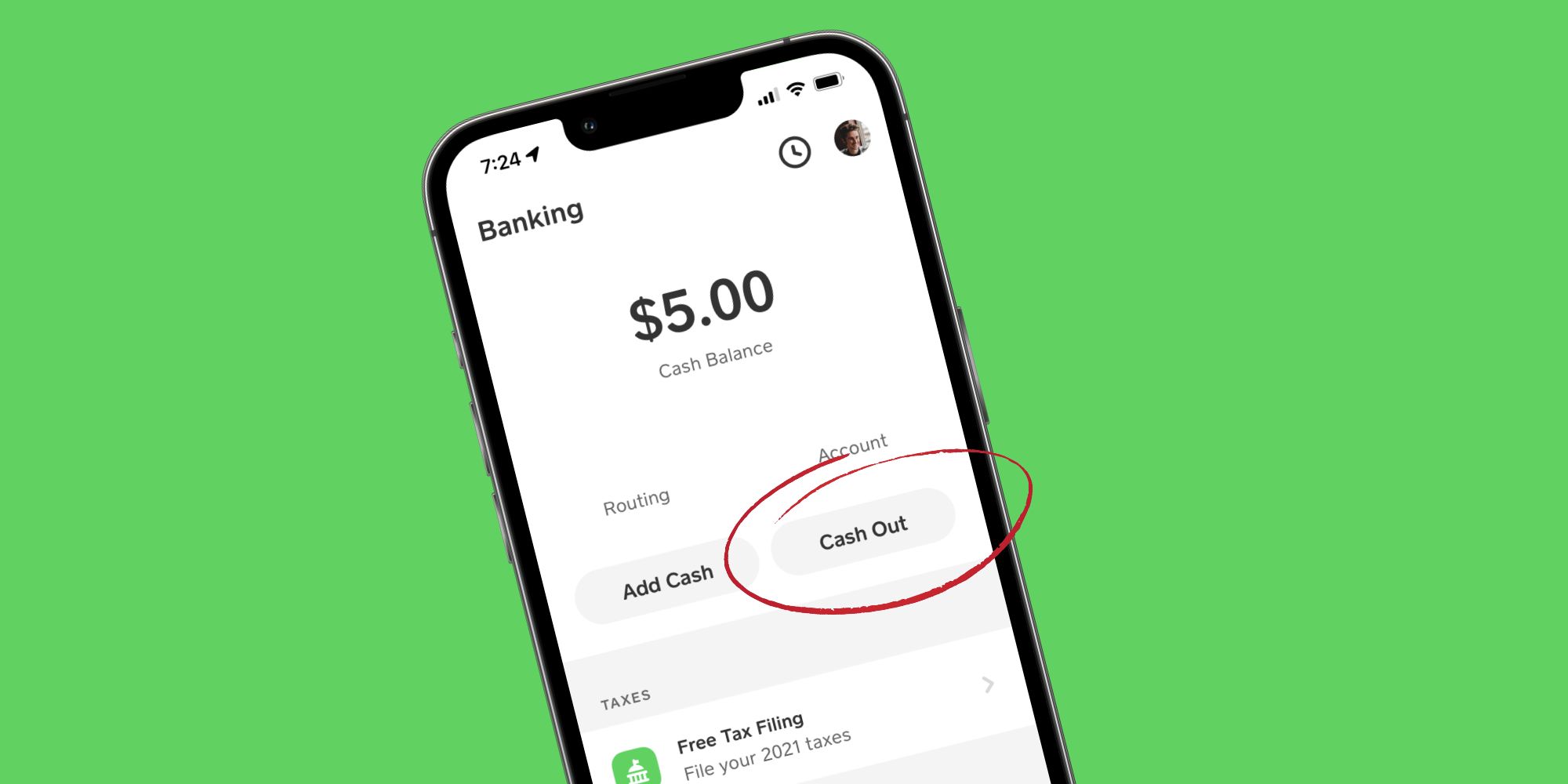
Upon signing up for Cash App, users are initially granted an unverified account status. This means the platform has not yet confirmed your identity through official documents. While convenient for quick setup, unverified accounts come with significant restrictions on how much money can be moved. These limitations are primarily in place to mitigate risks associated with fraud and money laundering, aligning with “Know Your Customer” (KYC) and Anti-Money Laundering (AML) regulations that govern financial services.
Typically, an unverified Cash App account allows you to send up to $250 within any 7-day period and receive up to $1,000 within any 30-day period. These figures are relatively low and are generally sufficient only for very casual, infrequent transactions. For instance, splitting a dinner bill with friends or sending a small birthday gift might fall within these limits. However, for anyone attempting to pay rent, manage business transactions, or even regularly send money to family, these limits will quickly become a bottleneck. This financial restriction can disrupt planned payments, force reliance on alternative (and potentially less convenient) methods, and require careful tracking of your transaction history to avoid hitting ceilings unexpectedly. Effectively, an unverified account is a basic entry point, offering minimal financial flexibility.
Enhanced Limits for Verified Accounts
The most significant upgrade to your Cash App financial capabilities comes with account verification. This process typically involves providing your full legal name, date of birth, and the last four digits of your Social Security Number (SSN). In some cases, Cash App may request further documentation, such as a photo ID or proof of address, to fully confirm your identity. While it might seem like an extra step, verification is a critical gateway to unlocking the app’s full potential and ensuring compliance with stringent financial regulations.
Once verified, the transfer limits increase dramatically, offering substantially greater financial freedom. Verified users can generally send up to $7,500 per week and receive an unlimited amount per month. The weekly sending limit often resets every seven days from your first transaction within that period. This substantial increase transforms Cash App from a casual payment tool into a robust platform capable of handling more significant personal finance needs, including larger bill payments, managing income from side hustles, or transferring substantial sums to trusted individuals.
The “unlimited” receiving capability is particularly appealing for those who use Cash App to receive payments for services, online sales, or as a primary method for friends and family to send money without concern for hitting an arbitrary ceiling. This level of financial capacity allows for greater integration of Cash App into your daily financial routine, facilitating larger financial movements without constant worry about hitting a restrictive limit. From a personal finance perspective, verification is not just about higher limits; it’s about enhanced trust, security, and the ability to conduct more serious financial transactions with confidence.
Navigating Cash App for Optimal Financial Transactions
Understanding the basic limits is just the starting point. To truly optimize your experience with Cash App and seamlessly integrate it into your personal financial management, it’s essential to develop strategies for managing larger transactions and to be fully aware of any associated fees. Proactive planning can prevent delays, unnecessary costs, and frustration, ensuring Cash App remains a convenient and effective tool rather than a source of financial friction.
Managing High-Value Transactions
Even with the enhanced limits of a verified account, there may be instances where a single transaction, or a series of transactions within a short period, approaches or exceeds the weekly sending limit. For very high-value transfers that exceed Cash App’s capabilities, or even if you simply prefer not to put all your eggs in one digital basket, considering alternative financial instruments is prudent.
If you need to send a sum greater than $7,500 within a week, you might have to break the transfer into multiple transactions spread across several weeks. This requires careful planning and communication with the recipient. However, this method might not always be practical or desirable. In such cases, traditional bank transfers, wire transfers, or using other dedicated money transfer services (like Zelle, PayPal, Venmo, or even an ACH transfer directly from your bank) might be more appropriate. These alternatives often have higher limits, though they may come with their own fee structures and processing times. The key is to evaluate the urgency, cost, and security of each option against your specific financial need. For business owners, especially, understanding these alternatives is vital for managing cash flow efficiently and reliably.
Fees and Their Impact on Your Wallet
While Cash App prides itself on offering many free services, particularly standard deposits and peer-to-peer transfers using linked debit cards, certain transactions do incur fees. These fees, though seemingly small individually, can accumulate and subtly impact your personal budget if not accounted for.
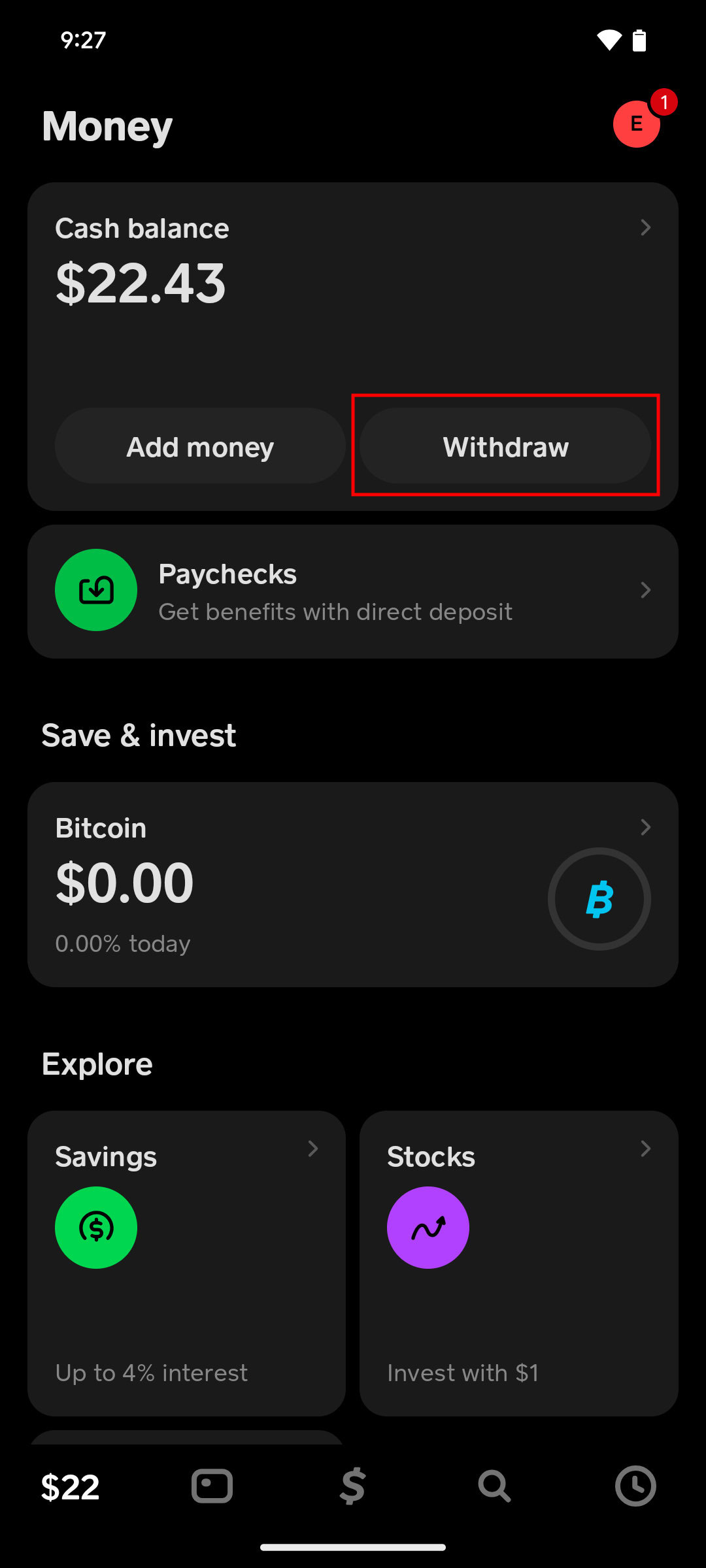
The most common fee encountered by users is for instant deposits from Cash App to a linked bank account. Standard deposits are free and typically take 1-3 business days. However, if you need immediate access to your funds, Cash App charges a fee, typically 0.5% to 1.75% of the transaction amount. While this might seem minor for a $100 transfer ($0.50-$1.75), it can become significant for larger sums or frequent instant transfers. For instance, instantly depositing $1,000 could cost you up to $17.50, and these costs can quickly add up over a month.
Another fee to be aware of relates to using a credit card to send money. While sending money from a linked debit card or your Cash App balance is free, using a credit card usually incurs a 3% fee. This is largely because credit card companies classify these transactions as cash advances, which they charge fees for. For individuals managing personal finances, consistently using a credit card for Cash App transfers can lead to unnecessary expenses that erode the value of the transaction.
To minimize fees, prioritize standard deposits when urgency isn’t a factor. Utilize your linked debit card or Cash App balance for sending money to avoid credit card fees. For frequent users, integrating these small costs into your monthly budget is essential. Understanding these fees allows for smarter financial decisions and ensures that Cash App remains a cost-effective tool for your personal finance needs.
Security, Compliance, and Your Financial Well-being
Beyond just transaction limits, Cash App operates within a broader ecosystem of financial security and regulatory compliance. These aspects are not merely bureaucratic hurdles; they are fundamental safeguards designed to protect your money, identity, and overall financial well-being. Understanding how Cash App integrates these elements into its operations can foster greater trust and encourage more secure usage practices.
The Role of Limits in Fraud Prevention
Transfer limits serve as a critical line of defense against various forms of financial fraud and illicit activities, including money laundering. By capping how much money can be moved by unverified accounts, or even by verified accounts within a short period, Cash App and other financial institutions make it more difficult for fraudsters to conduct large-scale scams or quickly move illicit funds. If a scammer gains access to an account, the limits can restrict the amount of damage they can inflict before the fraudulent activity is detected and stopped.
Furthermore, these limits are directly tied to regulatory obligations like the Bank Secrecy Act (BSA) and other AML frameworks. Financial institutions are required to report suspicious transactions to government authorities. Limits help them monitor activity more effectively, flag unusual patterns, and identify potential risks. For the average user, this means that while limits might occasionally feel restrictive, they are ultimately part of a system designed to protect everyone in the financial ecosystem from significant harm. Recognizing this protective function can help users appreciate the necessity of these measures, reinforcing the idea that robust security is a cornerstone of reliable financial tools.
Best Practices for Secure Cash App Use
While Cash App implements various security measures, user vigilance remains the most crucial defense against fraud and account compromise. Adopting strong personal security practices is paramount for protecting your financial assets within the app.
First and foremost, always use a strong, unique password for your Cash App account and enable two-factor authentication (2FA). 2FA adds an extra layer of security, typically requiring a code sent to your phone in addition to your password, making it much harder for unauthorized individuals to access your account even if they somehow obtain your password.
Secondly, only send money to people you know and trust. Cash App transactions are generally irreversible, much like handing over physical cash. Be highly suspicious of requests for money from unknown individuals, especially if they involve promises of large returns, lottery winnings, or unexpected financial windfalls. These are common tactics used in phishing and advance-fee scams. Never share your login credentials, PIN, or any verification codes with anyone, even if they claim to be from Cash App support. Cash App will never ask for your PIN or full login information over the phone or via unprompted messages.
Regularly monitor your transaction history for any unauthorized activity. If you spot anything suspicious, report it to Cash App support immediately and consider taking steps to secure your linked bank accounts and credit cards. By combining Cash App’s built-in security features with proactive personal security habits, users can significantly reduce their risk exposure and ensure their financial interactions remain safe and sound.
Beyond Basic Transfers: Integrating Cash App into Your Financial Toolkit
While peer-to-peer transfers are Cash App’s foundational service, the platform has evolved into a multifaceted financial tool offering a range of features that can be strategically integrated into a comprehensive personal finance plan. Understanding these additional functionalities and their respective limits or implications can further empower users to manage their money effectively.
Utilizing Cash App for Broader Financial Goals
Cash App offers several features that extend its utility beyond simple money transfers, positioning it as a versatile component in one’s personal financial toolkit:
-
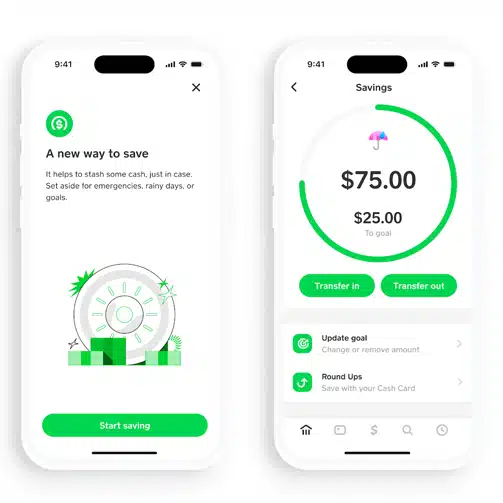
Investing in Stocks and Bitcoin: Cash App allows users to buy fractional shares of stocks and invest in Bitcoin directly from the app. For those interested in dipping their toes into the investment world without needing a separate brokerage account, this offers a convenient entry point. There are typically minimum investment amounts (e.g., $1 for stocks) and daily/weekly limits for purchasing Bitcoin. These limits are distinct from transfer limits and are designed to manage market volatility risks and regulatory requirements. From a personal finance perspective, this feature allows for micro-investing, encouraging users to start building wealth with small, manageable amounts, aligning with long-term financial goals like retirement or significant purchases.
-
Direct Deposit: Users can set up direct deposit to receive paychecks, government benefits, or other income directly into their Cash App account. This feature provides a routing and account number, much like a traditional bank account. Receiving direct deposits helps users consolidate their funds within the app, making it easier to manage spending via the Cash Card or to allocate funds for investing. There are typically no receiving limits for direct deposits, making it a reliable option for primary income.
-
Cash Card: The Cash Card is a free, customizable debit card linked to your Cash App balance. It allows you to spend the funds in your Cash App account anywhere Visa is accepted, both online and in physical stores. The Cash Card also comes with “Boosts,” which offer instant discounts at specific merchants, providing immediate savings. For personal finance, the Cash Card can be an excellent budgeting tool, helping users track spending and stick to a predefined budget by only using funds available in their Cash App balance. It can also be used to separate funds for specific purposes, such as an entertainment budget or a travel fund, keeping them distinct from primary banking accounts.
By leveraging these integrated features, Cash App transcends its role as a mere payment app. It becomes a holistic financial tool that can aid in managing income, making everyday purchases, and even kickstarting an investment journey. For the financially savvy individual, Cash App offers a convenient, user-friendly platform to manage various aspects of their financial life, provided they remain aware of its limits, fees, and best practices for security and compliance.
aViewFromTheCave is a participant in the Amazon Services LLC Associates Program, an affiliate advertising program designed to provide a means for sites to earn advertising fees by advertising and linking to Amazon.com. Amazon, the Amazon logo, AmazonSupply, and the AmazonSupply logo are trademarks of Amazon.com, Inc. or its affiliates. As an Amazon Associate we earn affiliate commissions from qualifying purchases.