
Cash App’s Place in the Modern Financial Ecosystem
The proliferation of digital payment platforms has fundamentally reshaped how individuals manage their money and how businesses conduct transactions. Among these innovations, Cash App has emerged as a significant player, transitioning from a simple peer-to-peer payment service to a multifaceted financial tool. Understanding “what stores accept Cash App” requires a comprehensive look at its underlying infrastructure and its evolving role within the broader financial ecosystem. For both consumers and businesses, the adoption of such digital wallets impacts everything from daily spending habits to strategic financial planning and market reach.
The Digital Wallet Revolution and Consumer Spending
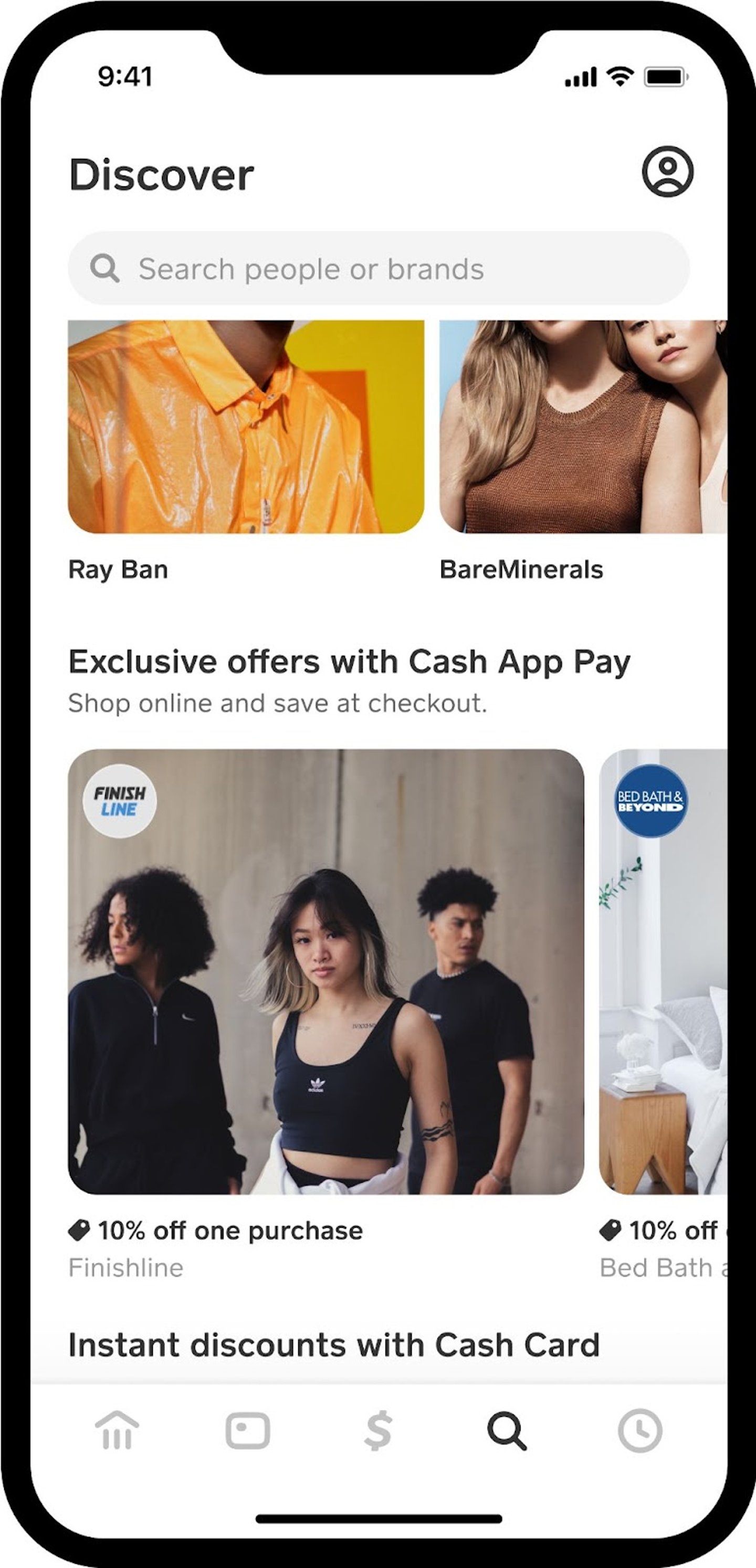
The shift from physical cash and traditional banking cards to digital wallets represents more than just a convenience; it signifies a profound change in consumer spending behavior and financial interaction. Digital wallets, like Cash App, aggregate various financial services into a single, accessible application, offering instant transactions, budgeting tools, and sometimes even investment opportunities. For the modern consumer, this means greater flexibility in how and where they spend their money, often with enhanced security features compared to carrying large sums of cash. The question of acceptance, therefore, is crucial for daily financial planning, determining whether a preferred payment method is viable at a given point of sale. Businesses that embrace these digital payment trends position themselves to capture a wider segment of customers who increasingly rely on their smartphones for financial management.
Financial Inclusion and Accessibility
Beyond mere convenience, digital payment platforms like Cash App play a critical role in fostering financial inclusion. For segments of the population who may be unbanked or underbanked, Cash App provides a vital bridge to participate in the digital economy. Users can receive direct deposits, send money, and make purchases without needing a traditional bank account, relying instead on the Cash App Visa debit card (known as the Cash Card) or direct in-app payments. This accessibility democratizes financial services, allowing more individuals to manage their finances, save, and spend efficiently. From a macroeconomic perspective, wider financial inclusion can stimulate local economies by facilitating transactions and integrating more individuals into formal financial systems, reducing reliance on less secure or more costly alternatives. The ability for stores to accept Cash App directly contributes to this inclusion, creating a more interconnected and accessible financial landscape for all.
Navigating Cash App Acceptance: What Consumers Need to Know
For the individual consumer, understanding where and how Cash App is accepted is paramount to leveraging it as a primary financial tool. While direct peer-to-peer transfers are straightforward, using Cash App for merchant purchases involves several mechanisms, each with its own implications for spending, budgeting, and security.
The Ubiquity of the Cash App Debit Card
The most widespread method for using Cash App at retail locations is through its associated debit card, the Cash Card. This card is a Visa debit card, issued by Sutton Bank, and functions identically to any other Visa debit card. This means that virtually any store, restaurant, or service provider that accepts Visa will accept the Cash Card. This broad acceptance makes it an incredibly versatile financial tool, allowing users to spend their Cash App balance in millions of locations worldwide, both online and in physical stores. From a personal finance perspective, this simplifies spending and budgeting, as funds loaded onto Cash App can be accessed through a familiar and widely accepted payment method. Users can track their spending directly within the app, gaining insights into their purchasing habits and better managing their budget.
Direct Merchant Integration and QR Codes
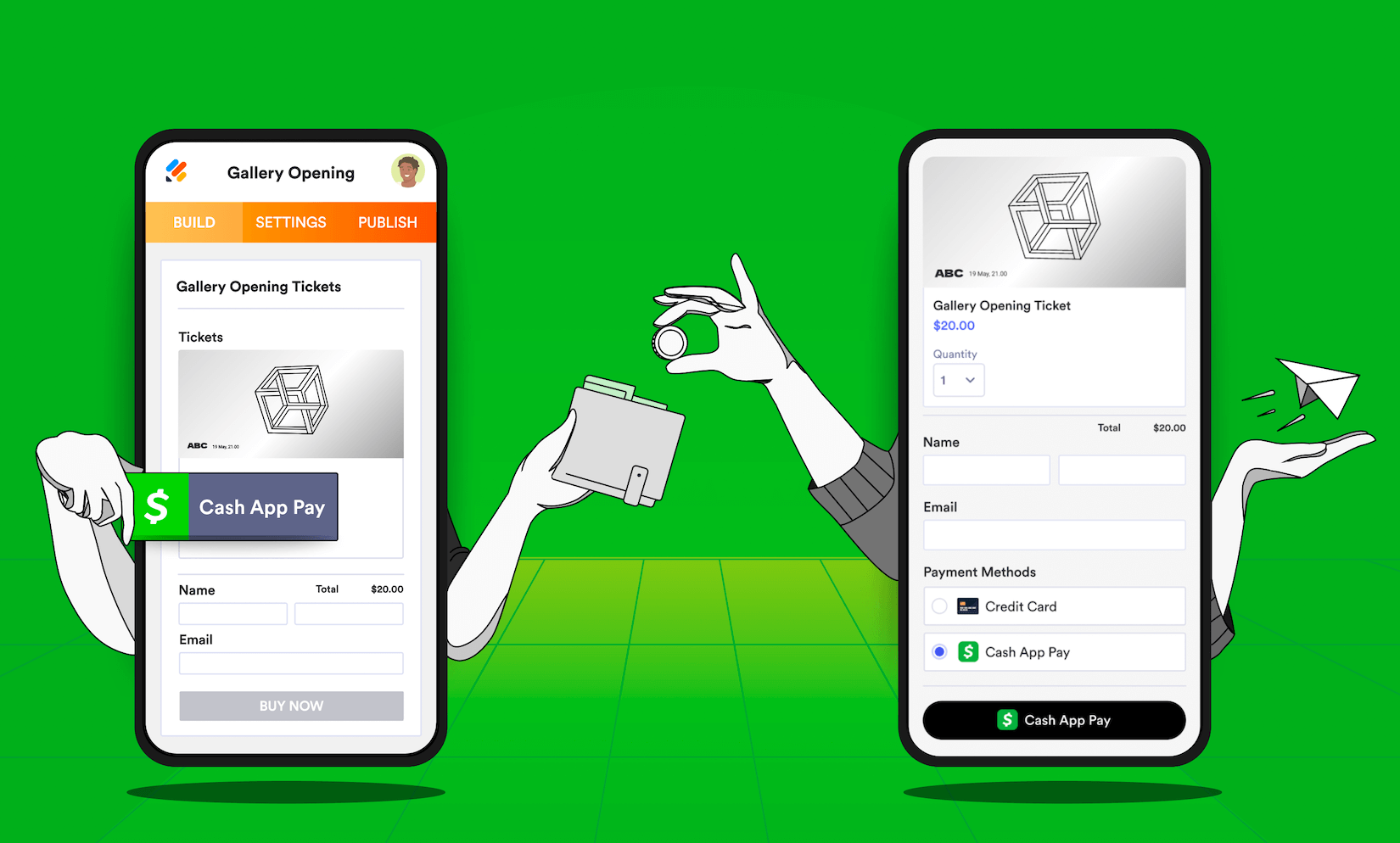
While the Cash Card provides widespread utility, some merchants have begun to integrate Cash App directly into their payment systems, often facilitated by Square, Cash App’s parent company. Merchants using Square Point of Sale (POS) systems can sometimes accept Cash App payments via QR codes or through a direct integration that allows customers to pay directly from their Cash App balance without needing the physical card. This method can offer faster checkout times and potentially lower transaction fees for merchants compared to traditional card processing. For consumers, paying via QR code offers an alternative to carrying a physical card and can streamline the payment process. As more businesses adopt modern POS solutions, direct Cash App integration is expected to grow, expanding the range of stores that accept this method without relying solely on the Cash Card network.
Leveraging Cash App for Online Purchases and Peer Transfers
Beyond brick-and-mortar stores, Cash App is highly effective for online purchases and peer-to-peer transactions. For online shopping, the Cash Card can be used anywhere Visa is accepted. Additionally, some online retailers may offer Cash App as a direct payment option, similar to how they might offer PayPal or Apple Pay. This is particularly convenient for recurring subscriptions or one-off purchases from businesses that have integrated Cash App. The platform’s original strength, peer-to-peer transfers, remains central to its utility. This allows users to instantly send and receive money from friends, family, or even small businesses that operate on a direct payment model. From a personal finance standpoint, this facilitates easy splitting of bills, managing group expenses, or quickly paying for services from independent contractors, all while keeping transactions within a secure, trackable environment.
Managing Funds: Deposits, Withdrawals, and Budgeting
Effective financial management with Cash App also involves understanding how to deposit and withdraw funds, and how these actions integrate into one’s overall budget. Users can add money to their Cash App balance via linked bank accounts, debit cards, or even through direct deposit of paychecks. This direct deposit feature positions Cash App as a viable alternative for managing primary income, particularly for those who prefer to keep their banking digital. While the Cash Card allows spending at ATMs, transaction fees and withdrawal limits must be considered for budgeting purposes. Integrating Cash App into a personal finance strategy means actively tracking balances, monitoring transactions, and understanding the fee structures for various services, ensuring that it complements, rather than complicates, one’s financial goals.
Cash App for Businesses: Optimizing Payment Processing and Market Reach
For businesses, the decision to accept Cash App goes beyond merely adding another payment option; it’s a strategic move that can influence customer engagement, operational efficiency, and overall financial health. Understanding the mechanisms and benefits of Cash App acceptance is crucial for optimizing payment processing and expanding market reach in a digitally-driven economy.
Strategic Advantages for Merchants
Accepting Cash App offers several strategic advantages for businesses. Firstly, it taps into a growing demographic of consumers who prefer or exclusively use digital wallets for their transactions. By accommodating these preferences, businesses can attract new customers and retain existing ones who value convenience and modern payment options. Secondly, Cash App, particularly when integrated via Square’s ecosystem, often provides competitive transaction fees compared to traditional credit card processing, potentially leading to cost savings for merchants. This is especially true for smaller businesses and sole proprietors for whom every percentage point matters. Thirdly, the immediacy of funds transfer can improve cash flow management, as payments often settle faster than with some traditional methods, allowing businesses quicker access to their earned revenue for reinvestment or operational expenses.
Integration Solutions and Operational Efficiency
The primary method for businesses to accept Cash App directly is through Square’s point-of-sale (POS) systems. Since Square is the parent company of Cash App, their integration is seamless. When a customer uses their Cash Card, it processes as a standard Visa debit transaction. However, direct Cash App payments can also be accepted via Square POS terminals by scanning a QR code or selecting “Cash App Pay” during checkout. This integration simplifies the payment process for both the customer and the merchant, reducing manual errors and speeding up transaction times. For businesses not using Square, the Cash Card can still be processed through any standard card reader that accepts Visa. Implementing these digital payment solutions enhances operational efficiency by streamlining checkout procedures, reducing the need for cash handling, and providing robust transaction data that can be used for sales analysis and inventory management.
Understanding Transaction Costs and Revenue Management
While Cash App payments often come with competitive fees, businesses must understand the specific cost structures to effectively manage their revenue. For Cash Card transactions, merchants typically pay the standard Visa debit processing fees. For direct Cash App Pay transactions via Square, the fee structure is usually transparent and often slightly lower than traditional credit card rates. It’s crucial for businesses to factor these costs into their pricing strategies and financial forecasts. Furthermore, Cash App for Business accounts offer robust reporting features, allowing merchants to track sales, monitor transaction volumes, and reconcile their accounts with greater precision. This detailed financial oversight is invaluable for budgeting, tax preparation, and making informed business decisions, contributing to healthier revenue management and financial stability.
Beyond Payments: Expanding Financial Horizons with Cash App
Cash App’s evolution extends beyond simple payment processing, offering features that delve into more sophisticated aspects of personal finance and investment. For users looking to maximize its utility, exploring these additional functionalities can provide a comprehensive financial management experience.
Investing Features: Stocks and Bitcoin
One of Cash App’s most compelling features for the financially savvy user is its integrated investment platform, allowing users to buy and sell stocks and Bitcoin directly within the app. This feature democratizes investing, making it accessible to individuals who might otherwise find traditional brokerage accounts intimidating or complex. Users can purchase fractional shares of popular stocks with as little as $1, lowering the barrier to entry for new investors. Similarly, buying Bitcoin through Cash App offers an easy gateway into the cryptocurrency market. From a personal finance perspective, this allows users to grow their wealth over time, diversify their financial portfolio, and participate in market trends, all from a familiar application. However, it’s crucial for users to understand the inherent risks associated with investing in stocks and cryptocurrencies, practicing due diligence and investing responsibly.
Direct Deposit and Tax Implications
Cash App allows users to set up direct deposits for their paychecks, tax refunds, and other government benefits. This positions Cash App as a viable alternative to traditional bank accounts for many individuals, particularly those seeking a streamlined, mobile-first financial solution. For employed individuals, receiving their paycheck directly into Cash App simplifies money management, as funds become immediately available for spending via the Cash Card, peer transfers, or investing. However, this also brings forth tax implications. All income received via direct deposit into Cash App is taxable income and must be reported to the IRS. While Cash App itself provides transaction history, users are responsible for accurately tracking all income and expenses for tax purposes, making it essential to maintain meticulous financial records.
Security Best Practices for Financial Protection
As with any digital financial tool, security is paramount when using Cash App for managing money and investments. Users should always employ strong, unique passwords and enable two-factor authentication (2FA) to protect their accounts. Regularly monitoring transaction history for any unauthorized activity is also critical. Cash App employs encryption and fraud detection technologies, but user vigilance remains the first line of defense. Avoiding phishing scams, never sharing login credentials, and being cautious about peer-to-peer transfers to unfamiliar individuals are essential security best practices. Understanding and adhering to these measures ensures that Cash App remains a secure and reliable platform for personal financial management and investment activities.
The Future of Digital Transactions and Economic Impact
The trajectory of digital payment platforms like Cash App points towards an increasingly interconnected and cashless economy. The ongoing expansion of its features and merchant acceptance will undoubtedly have significant implications for both consumer spending patterns and the broader economic landscape.
Anticipating Broader Merchant Adoption
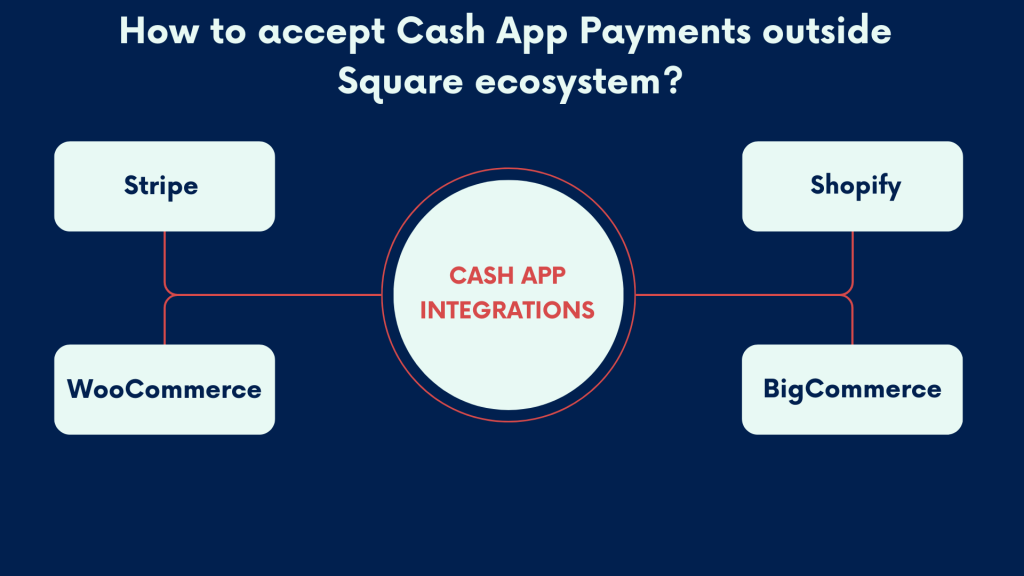
The trend towards broader merchant adoption of digital wallets is set to continue, driven by consumer demand for convenience and technological advancements in payment processing. As more businesses recognize the strategic advantages—such as competitive fees, improved cash flow, and access to a wider customer base—the acceptance of Cash App is likely to become even more ubiquitous. This includes not only major retail chains but also small businesses and independent merchants leveraging platforms like Square. The development of more standardized QR code payment systems and seamless integrations with various POS solutions will further accelerate this adoption, making Cash App a go-to payment option in an ever-growing number of stores and online platforms.
Regulatory Evolution and Consumer Trust in Digital Finance
As digital payment platforms become more integral to the financial lives of millions, regulatory frameworks will continue to evolve to ensure consumer protection and financial stability. Governments and financial authorities are working to balance innovation with necessary oversight, addressing concerns around data privacy, fraud prevention, and anti-money laundering (AML) compliance. For Cash App users, this evolution means increased confidence and trust in the security and legitimacy of their digital transactions. Clearer regulations can also foster a more level playing field for fintech companies, encouraging healthy competition and driving further innovation in financial services. Ultimately, the future success and widespread acceptance of Cash App will be intrinsically linked to its ability to adapt to these regulatory changes while maintaining the robust security measures and user-friendly experience that have fueled its growth.
aViewFromTheCave is a participant in the Amazon Services LLC Associates Program, an affiliate advertising program designed to provide a means for sites to earn advertising fees by advertising and linking to Amazon.com. Amazon, the Amazon logo, AmazonSupply, and the AmazonSupply logo are trademarks of Amazon.com, Inc. or its affiliates. As an Amazon Associate we earn affiliate commissions from qualifying purchases.