
Cash App has transcended its initial role as a simple peer-to-peer payment service to become a versatile financial tool integrated into various aspects of personal finance, online income generation, and even small business operations. For individuals seeking to understand the full scope of its utility, exploring where Cash App can be effectively deployed reveals a powerful platform for managing money, making investments, and facilitating everyday transactions. This article delves into the diverse financial applications of Cash App, positioning it as a cornerstone in modern digital money management.
Streamlining Everyday Financial Transactions
At its core, Cash App excels in simplifying the transfer of money between individuals, but its utility extends far beyond just sending funds to friends and family. It has become an essential tool for managing a myriad of daily financial interactions, from splitting restaurant bills to paying for services.
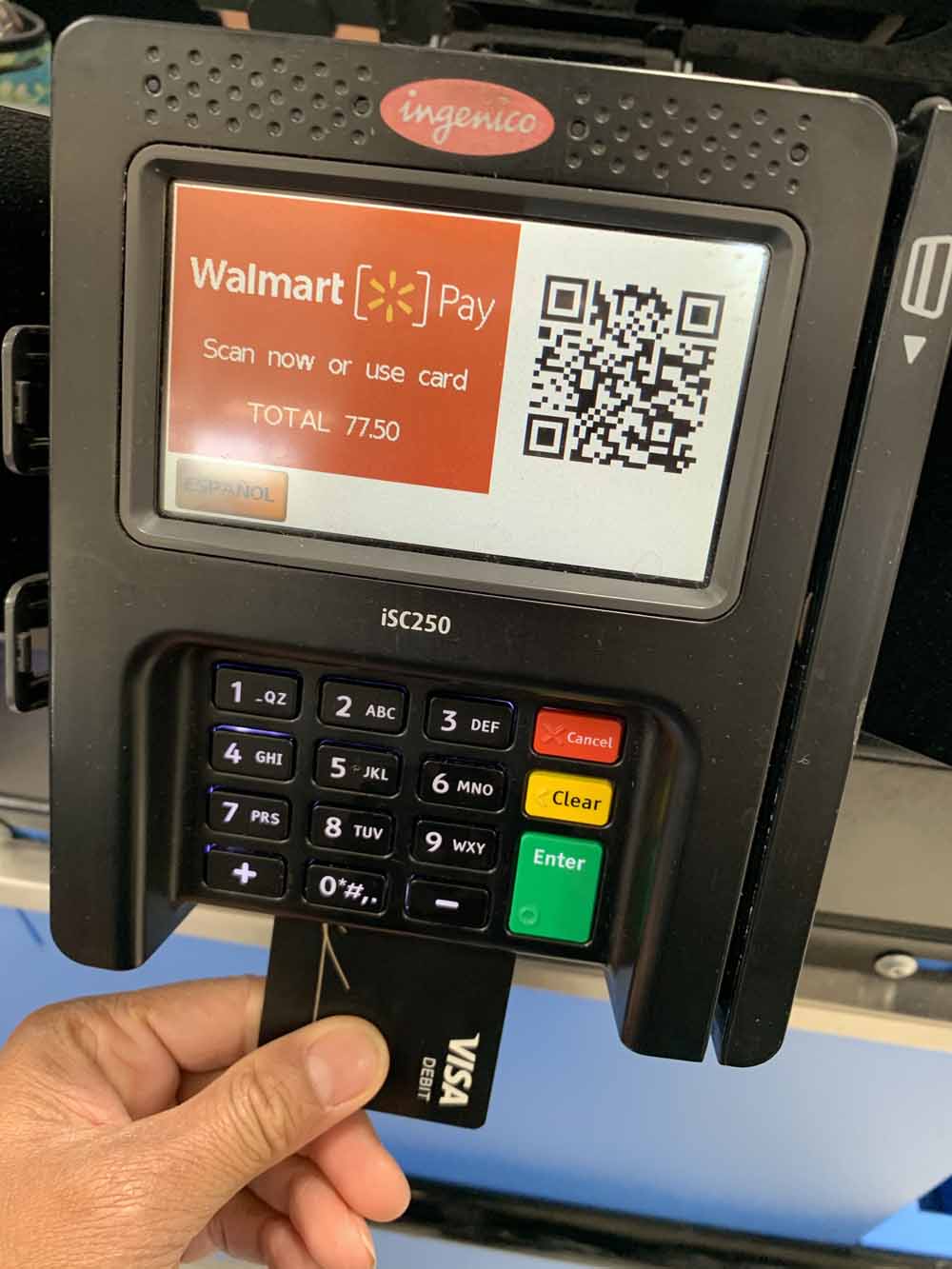
Peer-to-Peer Payments and Group Expenses
The most recognized use of Cash App is undoubtedly its peer-to-peer (P2P) payment functionality. Users can instantly send money to anyone with a Cash App account using a unique $Cashtag, email address, or phone number. This feature is particularly useful for:
-
Splitting Bills: Whether it’s rent, utilities, groceries, or a restaurant tab, Cash App makes it effortless to divide costs among housemates or friends, ensuring everyone contributes their fair share quickly and without hassle.
-
Reimbursing Friends: If one person covers an expense, others can easily send their portion back, eliminating the need for cash or complex bank transfers.
-
Sending Gifts: For birthdays, holidays, or special occasions, Cash App provides a convenient way to send monetary gifts directly to a recipient’s account, often with personalized messages.
The speed and simplicity of these transactions have made Cash App an indispensable tool for managing the shared financial responsibilities that are common in modern life, significantly reducing the friction associated with traditional methods.
Receiving Payments for Services and Goods
Beyond personal transfers, Cash App is increasingly used by individuals and small businesses to receive payments. Freelancers, independent contractors, and those engaged in the gig economy often leverage Cash App for collecting earnings.
-
Freelance Work: Graphic designers, writers, tutors, and other freelancers can provide their $Cashtag to clients for swift and direct payment for services rendered. This can be particularly appealing to smaller clients who prefer not to deal with invoicing systems or traditional payment gateways.
-
Selling Goods Locally: When selling items through online marketplaces or local community groups, Cash App offers a secure and immediate way to receive payment from buyers, avoiding the risks associated with cash transactions or the delays of checks.
-
Tips and Donations: Musicians, street performers, and non-profits sometimes utilize Cash App for collecting tips or small donations, offering a digital alternative to a physical tip jar.
The ability to receive payments quickly, often with minimal fees (standard transaction fees may apply for business accounts), makes Cash App a practical financial tool for those earning income outside of traditional employment structures.
Leveraging the Cash Card for Spending and Savings
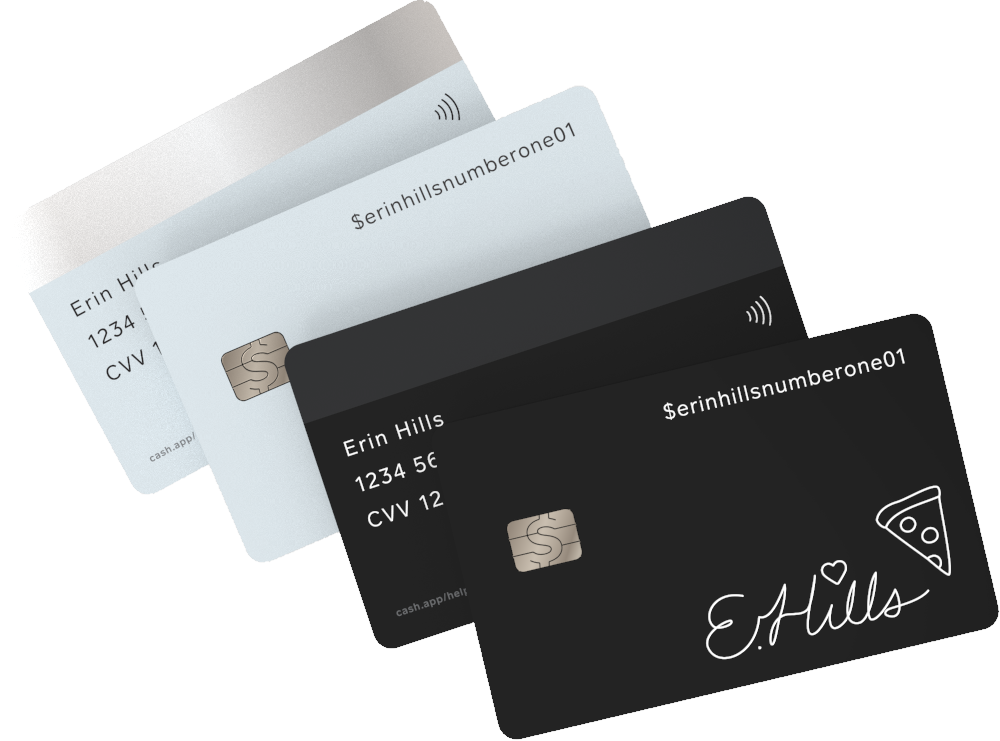
The optional Cash Card, a customizable debit card linked directly to a user’s Cash App balance, significantly expands the platform’s utility as a comprehensive financial tool. It allows users to spend their Cash App balance in real-world scenarios, effectively turning their digital wallet into a tangible payment method.
In-Store and Online Purchases
The Cash Card functions like any standard Visa debit card, enabling purchases virtually anywhere Visa is accepted.
-
Physical Retailers: From grocery stores and gas stations to coffee shops and department stores, the Cash Card allows users to pay for goods and services directly from their Cash App balance. This is particularly convenient for those who use Cash App as their primary account for a portion of their income or daily spending.
-
Online Shopping: The card details can be used for online purchases, providing a seamless experience for e-commerce transactions without needing to link a separate bank account or credit card. This can be beneficial for budgeting, allowing users to allocate specific funds to their Cash App for online spending.
The Cash Card transforms Cash App from a mere transfer service into a fully functional spending account, bridging the gap between digital funds and everyday commerce.
ATM Withdrawals and Direct Deposit
Further enhancing its role as a financial hub, the Cash Card also facilitates cash withdrawals, and Cash App itself supports direct deposits.
-
ATM Access: Users can withdraw cash from their Cash App balance at any ATM that accepts Visa, providing liquidity and access to physical currency when needed. While some ATMs may charge fees, Cash App offers fee-free withdrawals if a user has at least $300 in qualifying direct deposits each month. This incentivizes using Cash App as a primary direct deposit account.
-
Direct Deposit: Setting up direct deposit allows users to receive their paychecks, tax refunds, unemployment benefits, and other regular payments directly into their Cash App account. This feature positions Cash App as a viable alternative or supplementary banking solution, enabling users to manage their primary income and associated spending all within the app. It streamlines financial flows, providing immediate access to funds and simplifying budgeting.
Cash App Boosts: Smart Savings on Spending
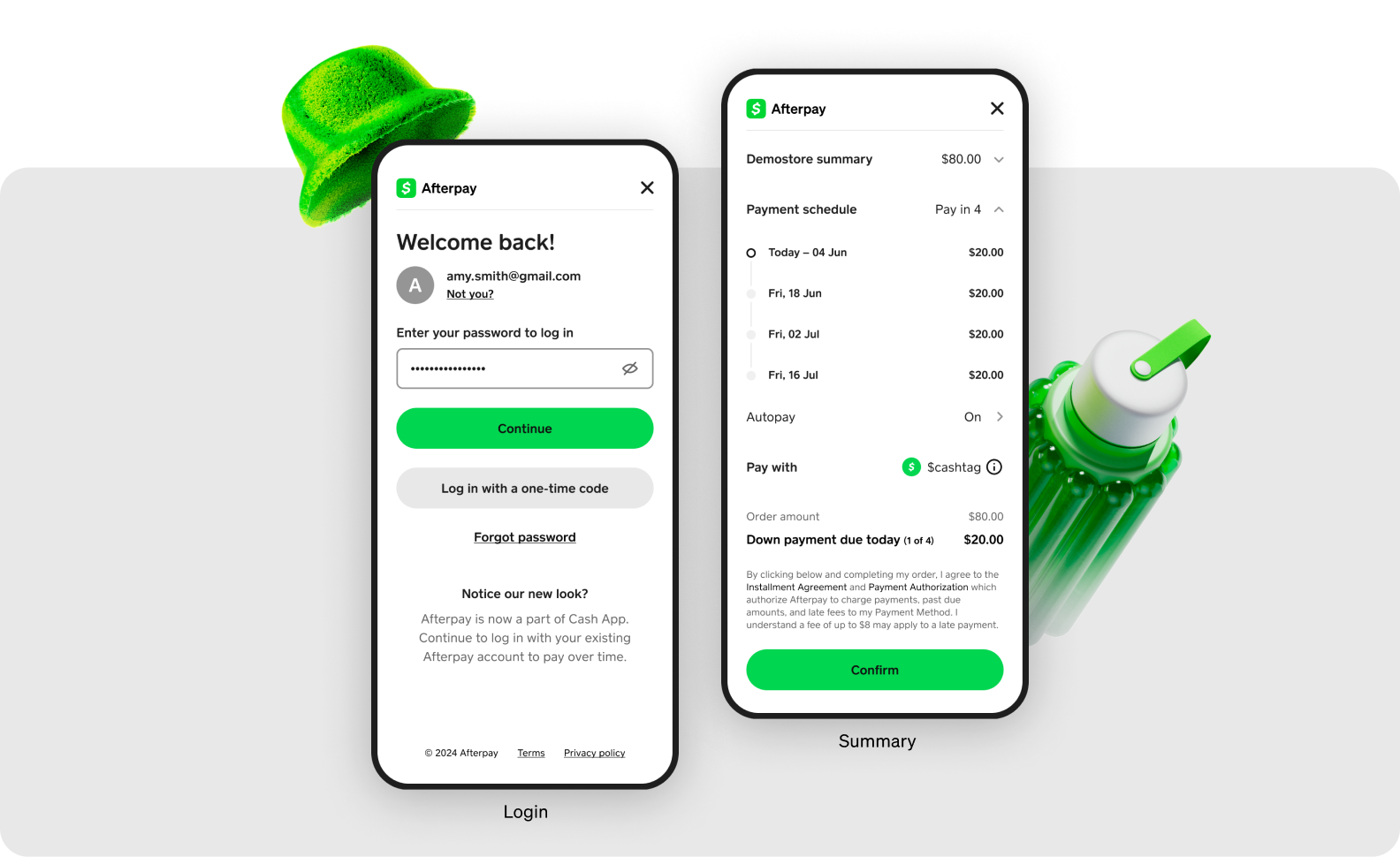
A standout feature of the Cash Card is “Boosts,” an instant rewards program designed to help users save money on everyday purchases.
-
Instant Discounts: Boosts are discounts that apply instantly at the point of sale. Users select a specific Boost in the app (e.g., “$1 off any coffee shop purchase,” “10% off at a specific retailer,” “20% off a single order”). When they use their Cash Card at the qualifying merchant, the discount is automatically applied.
-
Dynamic Savings: Boosts rotate frequently, offering opportunities to save on various categories, from dining and groceries to entertainment and online subscriptions. This encourages users to check the app regularly and strategically select Boosts that align with their spending habits, effectively reducing their overall expenditure.
Boosts transform the Cash Card into more than just a payment method; it becomes a dynamic savings tool that rewards users for their spending within the Cash App ecosystem.
Building Wealth: Investing with Cash App
Cash App has expanded its functionality to include basic investment features, making it accessible for individuals to dip their toes into the world of stock market and cryptocurrency investing directly from their mobile device. This simplifies wealth-building for those who might find traditional brokerage accounts intimidating.
Stock Investing
Users can buy and sell fractional shares of thousands of stocks listed on the New York Stock Exchange (NYSE) and NASDAQ.
-
Fractional Shares: This feature allows users to invest with any amount of money, regardless of a stock’s per-share price. For example, a user can invest $5 in a company whose shares cost hundreds of dollars, owning a fraction of that share. This lowers the barrier to entry for new investors and enables diversification with smaller sums.
-
No Commission Fees: Cash App typically offers commission-free trading, meaning users don’t pay a fee to buy or sell stocks, which can significantly benefit frequent traders or those investing small amounts.
-
Simplicity: The interface is designed for simplicity, making it easy for beginners to understand and execute trades without complex jargon or advanced charting tools. It’s an ideal entry point for individuals curious about the stock market but unsure where to start.
Bitcoin Trading
Cash App was one of the first major payment apps to integrate Bitcoin trading, allowing users to buy, sell, and send Bitcoin directly within the application.
-
Buying and Selling Bitcoin: Users can purchase Bitcoin with funds from their Cash App balance or linked debit card, and sell it to convert back to fiat currency. This provides a straightforward way to participate in the cryptocurrency market.
-
Sending and Receiving Bitcoin: Unlike some other platforms, Cash App allows users to send Bitcoin to external wallets and receive Bitcoin from others, providing true ownership and utility beyond mere speculation. This functionality makes it a practical tool for those engaging in crypto transactions.
-
Dollar-Cost Averaging: The ease of recurring purchases within Cash App makes it simple to implement a dollar-cost averaging strategy for both stocks and Bitcoin, where users invest a fixed amount at regular intervals, regardless of market fluctuations. This disciplined approach can mitigate risk and build long-term positions.
While Cash App’s investment features are basic compared to dedicated brokerage platforms, their accessibility and integration with a user’s everyday finances make them a powerful tool for beginners looking to start building an investment portfolio.
Beyond Personal Use: Business Applications and Side Hustles
The flexibility of Cash App extends its utility into the realm of small business operations and the burgeoning gig economy. It provides a convenient, low-cost method for independent contractors, sole proprietors, and small-scale entrepreneurs to manage their financial inflows and outflows.
Facilitating Small Business Transactions
For micro-businesses and individual service providers, Cash App offers a straightforward payment solution.
-
Client Payments: Consultants, personal trainers, beauticians, and artisans can use Cash App to collect payments from clients efficiently. The immediate nature of the transactions improves cash flow and reduces administrative overhead.
-
Vendor Payments: While less common, some small businesses might use Cash App for minor vendor payments or reimbursements, especially when dealing with other individuals or very small entities that also use the platform.
-
Event Sales: At markets, pop-up shops, or community events, Cash App can serve as a quick digital payment terminal, allowing customers to pay via their phone without the need for a traditional POS system.
For businesses processing higher volumes or requiring more robust features like invoicing or detailed sales reports, dedicated business payment solutions might be more appropriate. However, for casual business activities or nascent ventures, Cash App provides a surprisingly effective entry point.
Supporting the Gig Economy
The gig economy thrives on flexible, fast payments, and Cash App is perfectly suited to meet this demand.
-
Ride-share Drivers and Delivery Personnel: While larger platforms have their own payment systems, some drivers and delivery personnel may use Cash App for tips or direct payments outside the app, offering an additional income stream.
-
Odd Jobs and Local Services: Individuals performing tasks like pet-sitting, lawn care, tutoring, or handyman services often rely on Cash App for quick payment from clients. It removes the friction of invoicing and chasing payments, ensuring prompt compensation.
-
Online Sales of Digital Goods: Creators selling digital products like e-books, templates, or online courses can leverage Cash App as a payment option for direct sales, particularly to a younger, digitally native audience.
By providing an accessible and user-friendly platform for both sending and receiving money, Cash App empowers individuals to monetize their skills and services, contributing significantly to the financial infrastructure of the gig economy. However, it’s crucial for users to be mindful of tax implications when using Cash App for business income, as these earnings are subject to standard income tax regulations.
In conclusion, Cash App has evolved from a simple P2P app into a multifaceted financial tool. Its versatility in facilitating everyday transactions, offering a spending card with instant savings, enabling accessible investments, and supporting small business and gig economy payments firmly establishes its position as a key player in modern digital money management. Understanding “where can I use Cash App” means recognizing its comprehensive utility across personal finance, entrepreneurial endeavors, and wealth-building strategies.
aViewFromTheCave is a participant in the Amazon Services LLC Associates Program, an affiliate advertising program designed to provide a means for sites to earn advertising fees by advertising and linking to Amazon.com. Amazon, the Amazon logo, AmazonSupply, and the AmazonSupply logo are trademarks of Amazon.com, Inc. or its affiliates. As an Amazon Associate we earn affiliate commissions from qualifying purchases.