
Navigating the used car market can feel like a complex financial expedition. With a myriad of options ranging from traditional dealerships to burgeoning online platforms and even direct peer-to-peer sales, identifying the “best” place to buy a second-hand car is less about a single definitive answer and more about aligning your financial strategy with your personal needs and risk tolerance. Understanding the distinct advantages and disadvantages of each purchasing channel is crucial for making an economically sound decision that secures both value and reliability.
The Evolving Landscape of Used Car Acquisition
The landscape for purchasing pre-owned vehicles has undergone a significant transformation, largely driven by technological advancements and shifts in consumer behavior. No longer are buyers limited to the local classifieds and the nearest used car lot; the digital age has democratized access to information and inventory, empowering consumers with unprecedented choice.
The Digital Revolution in Car Sales
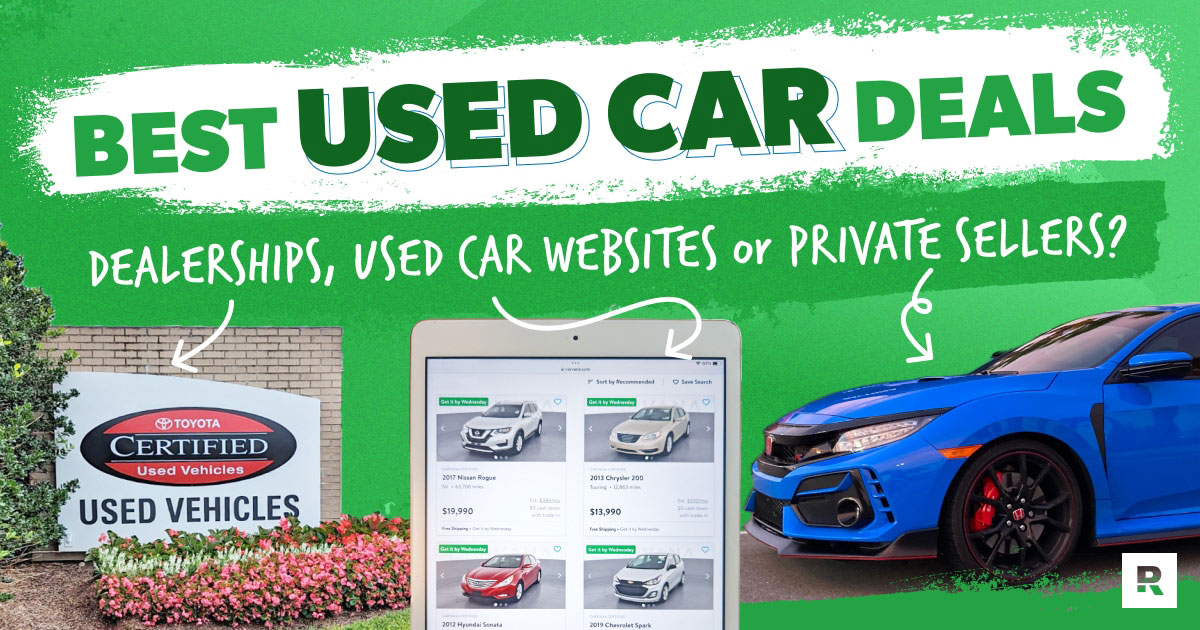
The internet has fundamentally reshaped how consumers research, finance, and ultimately acquire used cars. Online platforms offer unparalleled convenience, allowing buyers to browse vast inventories from the comfort of their homes, compare prices, read reviews, and even arrange financing and delivery without stepping foot into a physical dealership. This digital shift has introduced new players and business models, often promising streamlined processes and transparent pricing, directly impacting traditional sales channels. For the financially savvy buyer, these platforms present opportunities to cast a wider net, potentially uncovering better deals or more specific vehicle configurations that might not be available locally.
Traditional Dealerships vs. Online Platforms
The dichotomy between brick-and-mortar dealerships and online retailers is a central theme in today’s used car market. Traditional dealerships offer a tangible experience: the ability to physically inspect a vehicle, take a test drive, and engage in face-to-face negotiation. They often provide in-house financing, warranty options, and post-sale service, presenting a comprehensive package. However, this convenience can come with higher overheads that might translate into higher prices. Online platforms, conversely, emphasize efficiency and often lower prices due to reduced operational costs. They require a different approach to due diligence, placing a greater onus on the buyer to verify vehicle condition through independent inspections and detailed reports. The “best” choice hinges on a buyer’s comfort level with digital transactions versus the desire for a traditional, hands-on purchasing experience, alongside their financial priorities regarding price, convenience, and post-sale support.
Understanding Your Options: A Financial Perspective
Each venue for purchasing a second-hand car presents a unique set of financial implications, ranging from the initial purchase price to long-term ownership costs and potential risks. Dissecting these options through a financial lens is paramount.
Dealerships: Convenience at a Premium?
Dealerships remain a popular choice due to their established infrastructure and perceived reliability. However, not all dealerships are created equal from a financial standpoint.
Used Car Dealerships
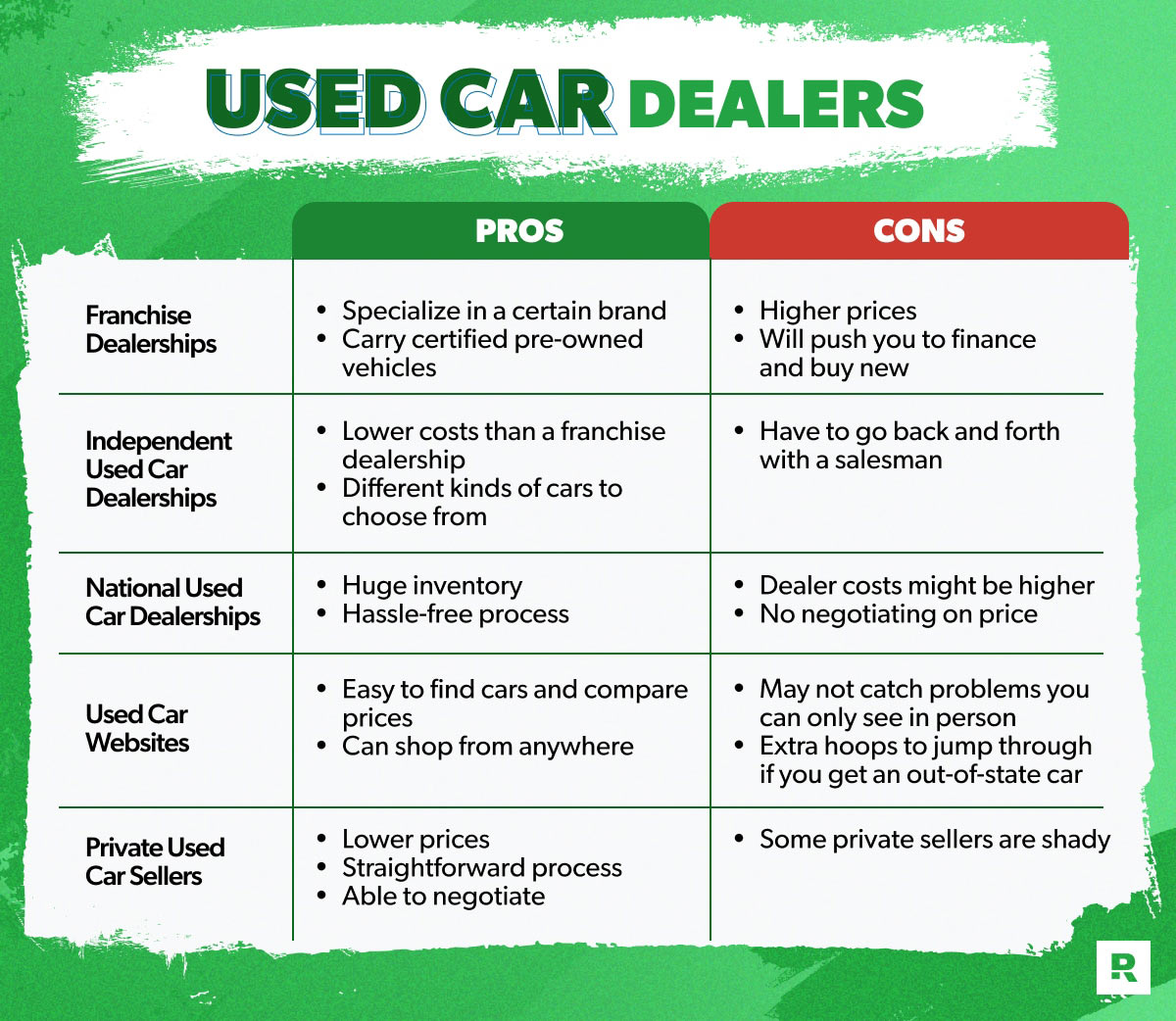
Independent used car dealerships typically offer a broad range of makes and models, often at competitive prices. Their inventory is usually sourced from trade-ins, auctions, and other wholesale channels. The primary financial advantage here is often price flexibility and the potential for negotiation. However, the quality and reliability of vehicles can vary significantly. Buyers must exercise diligence in researching the dealer’s reputation and thoroughly inspecting any potential purchase, as “as-is” sales are common, potentially shifting future repair costs entirely to the buyer.
Franchise Dealerships (Certified Pre-Owned)
Franchise dealerships, authorized to sell specific new car brands, also offer used vehicles, including Certified Pre-Owned (CPO) cars. CPO vehicles are typically late-model, low-mileage cars of their brand that have undergone a rigorous multi-point inspection and often come with an extended manufacturer warranty. Financially, CPO programs offer enhanced peace of mind, reduced risk of unexpected repairs, and often attractive financing rates. The trade-off is a higher purchase price compared to non-CPO vehicles or those from independent lots. For buyers prioritizing reliability, lower long-term repair costs, and favorable financing, the CPO premium can be a financially sound investment.
Online Marketplaces: Access to Abundance, Buyer Due Diligence Required
The digital realm has opened up two distinct avenues for acquiring used cars, each with its own financial merits and pitfalls.
Dedicated Online Used Car Retailers
Companies like Carvana, Vroom, and Shift have revolutionized the online car buying experience. They offer extensive inventories, transparent, no-haggle pricing, and often home delivery. The financial appeal lies in the convenience, often competitive pricing, and a clear, often simplified buying process. Many offer a return policy (e.g., 7-day money-back guarantee), providing a crucial safety net for buyers unable to physically inspect the car beforehand. While convenient, buyers still need to be diligent in reviewing vehicle history reports and understanding the specifics of their return policies and financing terms. The lack of direct negotiation means prices are fixed, which can be a pro for those who dislike haggling, but a con for those who excel at it.
Classifieds/Peer-to-Peer Platforms
Websites like Craigslist, Facebook Marketplace, Autotrader, and Cars.com allow private sellers to list their vehicles. This peer-to-peer model often presents the lowest purchase prices, as sellers typically have lower overheads and might be more motivated to sell quickly. The financial advantage is the potential for significant savings. However, this avenue carries the highest risk. There are no guarantees, no warranties (unless the remainder of a factory warranty is transferable), and no recourse if issues arise post-sale. Buyers must conduct exhaustive due diligence, including independent pre-purchase inspections, scrutinizing vehicle titles, and arranging secure payment methods. Negotiation is almost always expected, allowing savvy buyers to secure even better deals.
Auctions: High Risk, High Reward for Savvy Buyers
Car auctions are generally not for the faint of heart or the inexperienced buyer, but they can yield significant financial rewards for those who know what they’re doing.
Public Auto Auctions
These auctions can offer vehicles at prices significantly below retail value, as they often include bank repossessions, fleet vehicles, and dealer trade-ins. The financial upside is undeniable for those looking for extreme value. However, the caveat is that buyers typically cannot test drive the vehicles, and inspections are often limited to a visual assessment. All sales are “as-is,” meaning any mechanical issues become the buyer’s financial responsibility. A deep understanding of car mechanics and a firm budget are essential for success in this environment, as impulsive bidding can quickly erase potential savings.
Government/Police Auctions
Similar to public auto auctions, these events offer seized or surplus government vehicles. While often well-maintained during their service life, they can also present vehicles with unique wear and tear. The financial advantage is again the potential for low prices, but the risks associated with “as-is” sales and limited inspection opportunities remain. These are best suited for experienced buyers or those accompanied by a knowledgeable mechanic.
Key Financial Considerations Before You Buy
Regardless of where you choose to purchase, several financial considerations should guide your decision-making process to ensure you secure the best deal.
Setting a Realistic Budget and Sticking to It
Before even browsing, establish a clear budget. This isn’t just about the purchase price; it’s about the total cost of ownership.
Purchase Price vs. Total Cost of Ownership
Factor in not only the initial sticker price but also sales tax, registration fees, insurance premiums (which can vary significantly for different vehicles), potential maintenance and repair costs, and fuel efficiency. A slightly cheaper car upfront might cost more in the long run if it’s a gas guzzler or has known reliability issues. Use online calculators to estimate total ownership costs for various models.
Financing Options and Interest Rates
If you plan to finance, shop for interest rates before you shop for a car. Pre-approval from your bank or credit union can give you leverage at the dealership and ensure you’re getting a competitive rate. Understand the total amount you’ll pay over the loan term, not just the monthly payment. A lower interest rate can save you thousands over the life of the loan.
The Importance of Vehicle History Reports and Inspections
These are non-negotiable financial safeguards. A CarFax or AutoCheck report can reveal critical information such as accident history, odometer discrepancies, salvage titles, and service records, all of which directly impact a car’s value and future repair potential. Paying for a pre-purchase inspection by an independent mechanic is a small investment that can prevent a financially catastrophic purchase by identifying undisclosed mechanical issues.
Negotiation Strategies and Financial Leverage
Except for fixed-price online retailers, negotiation is often part of the buying process. Research the market value of the car you’re interested in using resources like Kelley Blue Book (KBB) or Edmunds. Be prepared to walk away if the price isn’t right. If you have pre-approved financing, you gain significant leverage, as the dealership knows you’re a serious buyer with funding secured. For private sales, cash offers can often secure a better price.
Mitigating Risk and Maximizing Value
Smart financial decisions in the used car market are as much about mitigating potential future costs as they are about securing a low initial price.
Understanding Warranties and Guarantees
Newer used cars, particularly CPO vehicles, often come with a warranty. Understand what it covers, for how long, and if it’s transferable. For older vehicles, consider whether an extended warranty is a worthwhile investment. While they add to the upfront cost, they can provide peace of mind and protection against major repair expenses. Analyze the cost of the warranty against the potential cost of likely repairs for that specific make and model.
Test Driving and Pre-Purchase Inspections: A Non-Negotiable Step
Always test drive the vehicle thoroughly under various conditions (city, highway, inclines). Listen for unusual noises, check all electronics, and assess the car’s overall feel. Following this with a pre-purchase inspection by a trusted, independent mechanic is the single most critical step in protecting your financial investment. An objective assessment can uncover hidden problems that even a comprehensive history report might miss.
The Hidden Costs: Insurance, Maintenance, and Registration
Remember that the purchase price is just one component. Research insurance costs for the specific make and model you’re considering, as these can vary widely based on your driving history, location, and the car’s safety features and repair costs. Factor in annual registration fees, and allocate a budget for routine maintenance like oil changes, tire rotations, and unexpected repairs. Underestimating these ongoing costs can quickly turn a “good deal” into a financial burden.
Making the Final Decision: A Strategic Approach
Ultimately, the “best” place to buy a second-hand car is the one that best aligns with your financial capacity, risk appetite, and specific vehicle needs.
Balancing Price, Reliability, and Personal Needs
Prioritize what matters most to you. Is it the lowest possible price, even if it means higher risk and potentially more DIY repairs? Or is it peace of mind and a comprehensive warranty, even if it comes at a higher initial cost? For many, the sweet spot lies in balancing a competitive price with a reasonable assurance of reliability and safety. Consider your daily commute, family needs, and lifestyle to ensure the vehicle you choose is a practical and financially sustainable fit.

The Power of Patience and Thorough Research
Impulsive car buying often leads to regret. The used car market is vast and constantly fluctuating. Take your time, conduct thorough research, compare multiple options across different platforms, and be prepared to wait for the right vehicle at the right price. Leveraging online tools for price comparisons, history reports, and reviews, combined with diligent physical inspections and expert mechanical checks, will empower you to make an informed financial decision that serves you well for years to come.
aViewFromTheCave is a participant in the Amazon Services LLC Associates Program, an affiliate advertising program designed to provide a means for sites to earn advertising fees by advertising and linking to Amazon.com. Amazon, the Amazon logo, AmazonSupply, and the AmazonSupply logo are trademarks of Amazon.com, Inc. or its affiliates. As an Amazon Associate we earn affiliate commissions from qualifying purchases.