
Determining the optimal selling price for your car is a critical financial decision that impacts your net return and the efficiency of your sale. It’s more than just picking a number; it involves a strategic blend of market research, condition assessment, and understanding the economics of depreciation. Approach this process with a clear financial mindset to maximize your profit and avoid leaving money on the table.
Understanding Your Car’s Market Value
Before setting an asking price, you must first understand the intrinsic and extrinsic factors that dictate your car’s true market value. This foundational knowledge is crucial for a financially sound sale.

The Depreciation Factor
Cars are depreciating assets. From the moment you drive a new car off the lot, its value begins to decline. This depreciation is the single largest cost of car ownership. When selling a used car, understanding its remaining value relative to its original price helps set realistic expectations. Factors like brand reputation, fuel efficiency, safety ratings, and perceived reliability can mitigate or accelerate depreciation for specific models. A car known for holding its value (e.g., certain Toyota or Honda models) will naturally command a higher price than one with a faster depreciation curve.
Key Value Determinants
Several concrete factors directly influence your car’s market value:
-
Make and Model: Luxury brands often depreciate faster in raw dollar terms but can hold a higher percentage of their initial value if well-maintained. Mass-market brands typically have stable depreciation rates.
-
Year of Manufacture: Newer cars fetch higher prices. Each year adds to depreciation, though the steepest drops usually occur in the first few years.
-
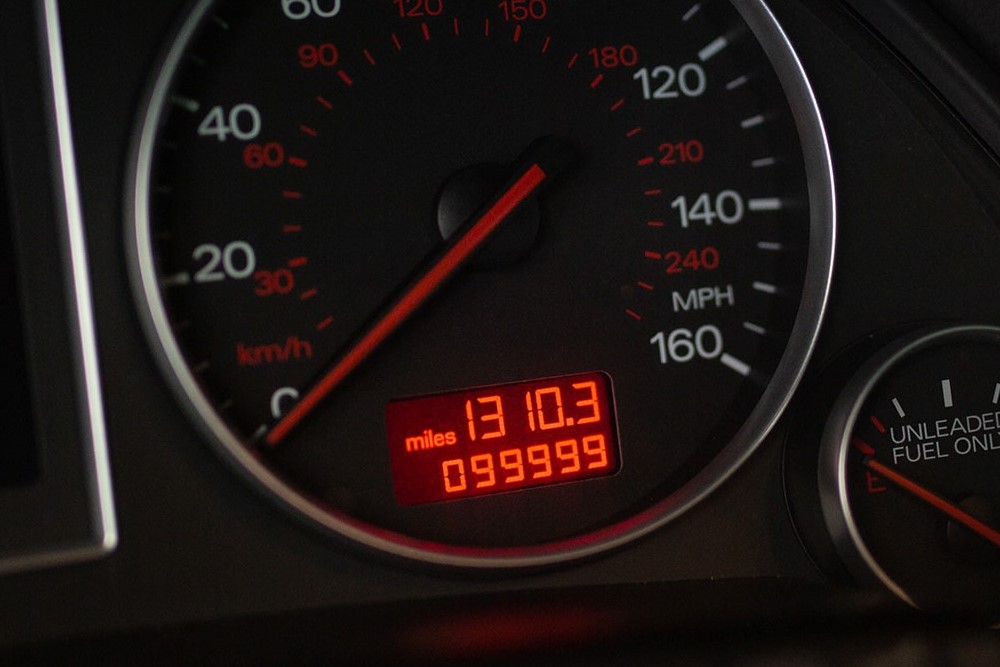
Mileage: Lower mileage generally equates to higher value, as it suggests less wear and tear. High mileage, especially above 100,000 miles, significantly impacts price.
-
Overall Condition: This is paramount. A car with a clean interior, well-maintained exterior (free of major dents, scratches, rust), and strong mechanical health will always sell for more. Rust, significant body damage, or persistent mechanical issues will severely depress the price.
-
Trim Level and Features: Higher trim levels with desirable features (e.g., leather seats, navigation, panoramic sunroof, advanced driver-assist systems) command premium prices. Basic models will be priced accordingly.
-
Service History: A comprehensive, documented service history provides buyers with confidence in the car’s maintenance and reliability, justifying a higher price.
Market Demand and Seasonality
External market forces also play a significant role. Demand for specific types of vehicles can fluctuate. For example, SUVs and trucks tend to hold value better in many markets due to their utility. Convertibles might fetch a higher price in spring or summer, while AWD vehicles could see increased demand before winter. Economic conditions, fuel prices, and even new model releases can influence used car prices. Staying attuned to these trends can help you time your sale for optimal financial gain.
Researching Comparable Sales and Pricing Tools
Once you understand the factors influencing your car’s value, the next step is to research what similar vehicles are actually selling for. This market intelligence is vital for setting a competitive and profitable price.
Online Valuation Tools
These tools are your first line of defense in market research. They provide estimated values based on aggregated market data, make/model/year specifics, and your car’s condition.
-
Kelley Blue Book (KBB): Provides trade-in, private party, and retail values. KBB is widely recognized and is often a starting point for both buyers and sellers. Be sure to select the “private party value” for setting your asking price when selling yourself.
-
Edmunds: Offers True Market Value (TMV) pricing, which is based on actual transaction data in your local area. This can be particularly useful for understanding real-world selling prices.
-
NADAguides (J.D. Power Valuation Services): Often used by dealerships and lenders, NADAguides provides clean trade-in, average trade-in, and retail values. It can give you insight into what a dealer might offer versus what you could expect from a private sale.
When using these tools, be scrupulously honest about your car’s condition, mileage, and features. Overstating its condition will lead to an unrealistic valuation, hindering your sale.
Local Market Analysis
While online tools provide a national or regional average, local market conditions can vary significantly.
-
Dealership Websites: Browse certified pre-owned (CPO) sections of local dealerships. While CPO cars typically sell for more due to warranties and reconditioning, they provide an upper benchmark for similar models.
-
Online Classifieds and Auction Sites (e.g., AutoTrader, Cars.com, Craigslist, Facebook Marketplace): Search for identical or very similar cars within a 100-200 mile radius. Pay attention to the asking prices, but also note how long listings have been active. A car listed for months might be overpriced, while quick sales could indicate a well-priced or even underpriced vehicle. Examine photos and descriptions for insights into condition and feature comparisons.
-
CarMax, Carvana, Vroom: These online car retailers offer instant cash offers for your vehicle. While these offers are usually lower than what you might get from a private sale, they provide a quick, no-hassle baseline for your car’s value, representing a minimum guaranteed return.
The Importance of Accurate Data Entry
Garbage in, garbage out. When using valuation tools or comparing listings, ensure you are comparing apples to apples. Incorrectly entering your car’s trim level, missing key options, or misjudging its condition will lead to an inaccurate valuation. Be meticulous in your research to ensure your financial assessment is sound.
Assessing Your Car’s Condition and Preparing for Sale
The perceived condition of your car directly correlates with its financial value. A small investment in preparation can yield a significant return on your selling price.
Mechanical Integrity vs. Cosmetic Appeal
It’s crucial to balance the cost of repairs with the potential increase in sale price.
-
Critical Mechanical Repairs: Address any major mechanical issues (e.g., check engine light, significant leaks, strange noises). Buyers are highly wary of cars with obvious mechanical problems and will either walk away or demand a substantial discount. Investing in these repairs is usually financially justified, as fixing them often costs less than the discount a buyer would demand. Keep receipts as proof of repair.
-
Minor Mechanical Issues: For smaller items like worn tires, brake pads, or a slightly leaky exhaust, evaluate the return on investment (ROI). If replacing tires costs $800 but only allows you to raise the asking price by $500, it’s not a smart financial move. Instead, disclose these issues and factor them into your asking price.
-
Cosmetic Issues: Small dents, scratches, or interior blemishes that would cost hundreds to fix but might only deter a buyer by a few dollars are often not worth repairing professionally. Focus on what’s easily noticeable and relatively inexpensive to fix.
Detailing and Minor Fixes
A clean, well-presented car makes a strong first impression and suggests it has been cared for. This translates directly into a higher perceived value.

-
Professional Detail vs. DIY: A full professional detail can cost $150-$300 but can add $500-$1,000 to the perceived value. If you’re handy, a thorough DIY cleaning can achieve similar results for the cost of cleaning supplies.
-
Exterior: Wash, wax, clean wheels, and tire shine. Touch up minor paint chips with a paint pen. Ensure headlights are clear, not hazy.
-
Interior: Vacuum thoroughly, wipe down all surfaces, clean windows, and remove any lingering odors. Consider professional stain removal for upholstery if needed.
-
Engine Bay: A clean engine bay implies meticulous maintenance. Use an engine degreaser and wipe down visible components.
-
Minor Fixes: Replace burnt-out light bulbs, repair small rips in upholstery (if inexpensive), or replace missing interior buttons. These small details collectively contribute to a perception of a well-maintained vehicle.
Documentation and Service Records
A comprehensive paper trail adds significant financial value and builds buyer confidence. Organize all service records, repair receipts, and any extended warranty information. Having these documents readily available demonstrates transparency and substantiates your claim that the car has been properly maintained, justifying your asking price.
Setting Your Asking Price: Strategy and Negotiation
With your car prepared and market research complete, it’s time to set your price and develop a negotiation strategy. This stage is where your financial acumen truly comes into play.
Private Sale vs. Trade-In
-
Private Sale: Generally yields the highest financial return. You cut out the middleman (dealership) and capture the profit margin they would have otherwise taken. However, it requires more time, effort, and involves direct interaction with buyers, negotiation, and handling paperwork.
-
Trade-In: Offers convenience and speed, often reducing the sales tax on your new car purchase (in some states, you only pay tax on the difference between your new car’s price and your trade-in value). The financial payout is typically lower than a private sale, as dealers need to recondition and resell your car for a profit. Weigh the convenience against the reduced financial return.
The “Sweet Spot” Price
Your ideal asking price is the “sweet spot” where your car sells relatively quickly without sacrificing significant profit. Pricing too high will deter buyers and prolong the sale; pricing too low means you lose out on potential earnings.
Use your researched values as a guide:
-
Private Party Value (KBB/Edmunds): This is a good starting point for your asking price.
-
Local Market Comparables: Adjust based on how your car’s condition, mileage, and features compare to active listings. If your car is in exceptional condition with low mileage, you can aim for the higher end of the range. If it has some flaws, lean towards the lower end.
Building in Negotiation Room
It’s almost always wise to set your asking price slightly higher than the minimum you are willing to accept. Most buyers expect to negotiate, and building in a 5-10% buffer allows you to “give” a little without compromising your financial target. For example, if you want $15,000, consider listing it at $15,750-$16,250. This creates a psychological win for the buyer when you agree to a slightly lower price.
Common Negotiation Tactics and How to Respond
Be prepared for negotiation. Buyers will often point out flaws (real or perceived) to drive down the price.
-
“What’s your lowest price?” Avoid answering directly. Instead, reiterate your asking price and emphasize your car’s value. “I’ve priced it fairly given its condition and features, but I’m open to reasonable offers after you’ve had a chance to inspect it.”
-
Highlighting Flaws: Acknowledge minor flaws but steer the conversation back to the overall value. “Yes, there’s a small scratch on the bumper, which I’ve factored into my pricing. However, consider the recent major service and new tires.”
-
Lowball Offers: Don’t get offended. Politely decline and reaffirm your price. “Thank you for your interest, but that’s significantly below my asking price. I’m firm on the current figure due to the car’s excellent condition.”
-
Buyer Leverage: Be aware that a buyer with cash in hand has leverage. If you’re eager to sell, you might be more flexible.
Calculating the True Cost of Selling
Selling a car, even privately, isn’t free. Understanding these associated costs is vital for an accurate financial assessment of your net gain.
Time and Effort Valuation
Your time has monetary value. A private sale requires hours for cleaning, photography, listing creation, responding to inquiries, scheduling test drives, and handling paperwork. Factor this “opportunity cost” into your decision, especially when comparing to the convenience of a trade-in. If your time is worth $50/hour and you spend 20 hours selling the car, that’s $1,000 in lost opportunity.
Advertising Costs
While many online platforms offer free listings, premium features, or paid placements can accelerate your sale. Consider the cost of professional photography if your photos aren’t compelling. Weigh these costs against the potential for a quicker sale or a higher asking price.
Repair and Reconditioning Expenses
As discussed, any money spent on repairs, detailing, or minor fixes before the sale should be subtracted from your final sale price to determine your net profit. Keep careful records of these expenses.
Potential for Scams and Fraud
Unfortunately, the private sale market carries financial risks from scammers. Be vigilant for:
-
Fake Checks/Money Orders: Never release the car until funds have unequivocally cleared your bank.
-
Overpayment Scams: Where a buyer sends too much money and asks for a refund of the difference. The original payment often bounces.
-
“Vehicle History Report” Scams: Where a buyer insists you use a specific, unknown VIN check website that charges you a fee.
Always prioritize secure payment methods (bank wire, cashier’s check verified with the issuing bank) and meet in safe, public places.
Post-Sale Considerations
-
Title Transfer: Promptly transfer the title to the buyer and submit the necessary paperwork to your local Department of Motor Vehicles (DMV) to absolve yourself of liability. Failure to do so can have significant financial and legal repercussions (e.g., parking tickets, accidents).
-
Insurance: Notify your insurance company immediately after the sale to cancel coverage on that vehicle.
-
License Plates: Know your state’s regulations regarding license plates. In some states, they stay with the car; in others, you remove them.
By meticulously evaluating all these financial aspects, from market valuation and condition assessment to negotiation tactics and hidden costs, you can set an optimal price for your car and achieve the best possible financial outcome from your sale.
aViewFromTheCave is a participant in the Amazon Services LLC Associates Program, an affiliate advertising program designed to provide a means for sites to earn advertising fees by advertising and linking to Amazon.com. Amazon, the Amazon logo, AmazonSupply, and the AmazonSupply logo are trademarks of Amazon.com, Inc. or its affiliates. As an Amazon Associate we earn affiliate commissions from qualifying purchases.