
Navigating the expenses associated with car ownership can be a complex financial endeavor, and understanding the true cost of car servicing is a critical component of responsible personal finance. Far from being a uniform fixed price, the cost of servicing a vehicle is a dynamic figure influenced by a multitude of factors, ranging from the type of service required to the specific characteristics of your vehicle and even your geographic location. For astute financial planning, grasping these variables is essential for budgeting effectively and making informed decisions that safeguard your automotive investment.

Understanding the Variables That Influence Car Service Costs
The price tag on a car service is rarely arbitrary. It’s a calculated sum derived from various inputs, each contributing to the final invoice. Recognizing these underlying drivers empowers you to anticipate expenses, question quotes, and ultimately manage your automotive budget more effectively.
Type of Service (Minor, Intermediate, Major)
The most significant determinant of service cost is the scope of work. Services are typically categorized into minor, intermediate, and major, each with a progressively higher price point reflecting the increasing depth of inspection, number of parts replaced, and labor hours involved.
-
Minor Service: Often an interim check, focusing on essentials like oil and filter changes, fluid top-ups, and a general visual inspection. These are typically the least expensive.
-
Intermediate Service: A more comprehensive check that builds upon the minor service, often including air and fuel filter replacements, tire rotations, and a more thorough inspection of wear-and-tear components.
-
Major Service: The most extensive and costly, this includes all the above plus replacement of critical components like spark plugs, timing belts (if applicable), brake fluid, and a deep dive into engine, transmission, and suspension health. This service aims to reset the vehicle’s maintenance schedule and address potential issues before they become serious.
Vehicle Make and Model
The brand and specific model of your car play a pivotal role in service costs. Luxury vehicles, European imports, or models with specialized engines and complex electronics often incur higher service costs due to:
-
Specialized Parts: Unique or proprietary parts can be more expensive and may only be available from authorized dealers.
-
Higher Labor Rates: Mechanics specializing in certain high-end brands may charge a premium for their expertise and specialized tools.
-
Complex Systems: Modern vehicles, particularly electric or hybrid models, can have intricate systems requiring diagnostic tools and specialized training, increasing labor costs.
Conversely, popular domestic or Asian economy cars typically have lower service costs due to readily available and less expensive aftermarket parts, and a wider network of mechanics familiar with their simpler designs.
Mechanic’s Labor Rates and Location
Labor is often the largest component of a service bill. Labor rates vary significantly based on:
-
Geographic Location: Urban areas with higher costs of living generally have higher labor rates than rural ones.
-
Type of Workshop: Dealerships typically charge the highest hourly rates, justified by factory-trained technicians, specialized tools, and genuine OEM parts. Independent garages often offer more competitive rates, while specialized repair shops might charge based on their unique expertise.
-
Mechanic’s Experience and Certifications: Highly skilled and certified technicians might command higher rates, but their expertise can also lead to more efficient problem-solving and higher quality work, potentially saving money in the long run.
Parts Quality (OEM vs. Aftermarket)
The choice between Original Equipment Manufacturer (OEM) parts and aftermarket parts presents a significant cost difference.
-
OEM Parts: These are identical to the parts your car was built with, offering guaranteed fit and performance, but often come at a premium price.
-
Aftermarket Parts: Manufactured by companies other than the original carmaker, these can be significantly cheaper. While many aftermarket parts are high-quality and reliable, there’s a wider range in quality, and some might not perfectly match OEM specifications, potentially affecting longevity or performance. A financially savvy approach involves discussing with your mechanic where aftermarket parts are a safe and cost-effective alternative without compromising safety or reliability.
Age and Mileage of the Vehicle
As a vehicle ages and accumulates mileage, its service needs inevitably increase, and so do the associated costs.
-
Wear and Tear: Older vehicles are more prone to component wear and require more frequent replacements of belts, hoses, suspension components, and seals.
-
Scheduled Maintenance Intervals: Manufacturers often prescribe major services at specific mileage milestones (e.g., 60,000, 90,000, 120,000 miles) that involve costly replacements of long-life items.
-
Diagnostic Challenges: Older vehicles, especially those without advanced onboard diagnostics, can sometimes be harder to diagnose when problems arise, leading to higher labor costs for troubleshooting.
Breaking Down Common Car Service Types and Their Costs
Understanding the typical financial outlay for various service tiers can help you plan your budget. These are general ranges, and actual costs can fluctuate based on the variables discussed above.
Minor Service (Oil Change, Fluid Checks, Basic Inspection)
A minor service, often recommended every 5,000 to 7,500 miles or every six months, is the most frequent and least expensive type of maintenance.
-
Scope: Typically includes an engine oil change, oil filter replacement, top-up of essential fluids (coolant, brake fluid, power steering fluid, windshield washer fluid), tire pressure check, and a basic visual inspection of brakes, tires, lights, and belts.
-
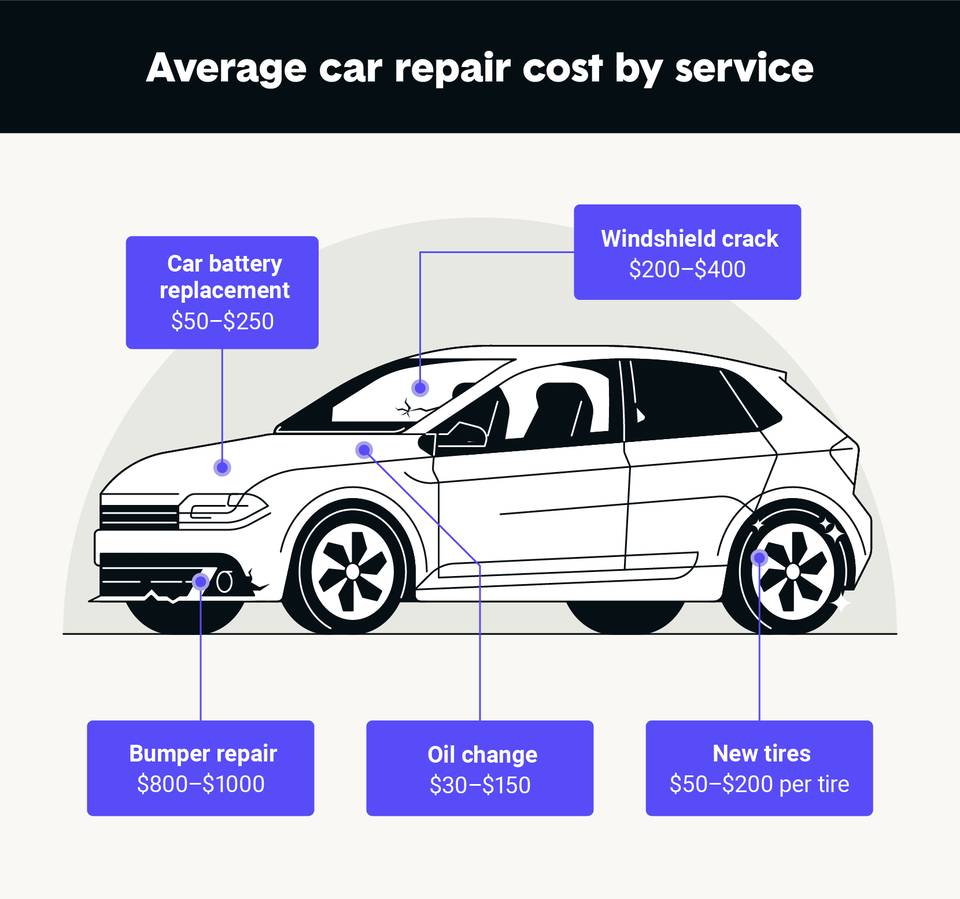
Typical Cost Range: Expect to pay anywhere from $50 to $150, with premium synthetic oils or specialized filters pushing the cost higher. Quick-lube centers might offer lower prices, but full-service garages often provide a more thorough inspection.
Intermediate Service (Adds Filter Replacements, Tire Rotation)
Recommended annually or every 10,000 to 15,000 miles, the intermediate service expands upon the minor service.
-
Scope: Includes all minor service items, plus replacement of the air filter, cabin air filter, fuel filter (if applicable and accessible), and a tire rotation. A more detailed inspection of the braking system, suspension, and exhaust is also usually performed.
-
Typical Cost Range: This service can range from $150 to $350, depending on the number of filters replaced and the complexity of accessing them.
Major Service (Extensive Inspections, Spark Plugs, Belt Checks)
The major service is the most comprehensive and critical, typically performed every 30,000 to 60,000 miles. It’s designed to address components that wear out over longer periods.
-
Scope: Encompasses all elements of the intermediate service, along with replacement of spark plugs, brake fluid flush, transmission fluid check/change, coolant flush, power steering fluid flush, inspection or replacement of drive belts (serpentine belt), and a thorough check of major systems like the timing belt (if applicable), suspension components, and engine diagnostics.
-
Typical Cost Range: Due to the extensive labor and parts involved, a major service can cost between $400 and $1,000 or more, especially for vehicles with complex timing belt replacements or costly fluids. This is often the largest single maintenance expense you’ll face for your vehicle.
Specialized Services (Brakes, Transmission, AC, Diagnostics)
Beyond routine maintenance, vehicles will occasionally require specialized repairs. These are often reactive rather than proactive.
-
Brake Service: Replacement of brake pads and rotors can cost $200 to $600 per axle, depending on vehicle type and part quality.
-
Transmission Service: A transmission fluid flush can range from $150 to $400, but a full transmission repair or replacement can run into thousands of dollars.
-
AC Service: Recharging refrigerant can be $100 to $300, while replacing major components like the compressor can be $500 to $1,500+.
-
Diagnostic Fees: When a “check engine” light illuminates, mechanics charge a diagnostic fee (often $80 to $150) to identify the underlying problem using specialized scanning tools and expertise. This fee is usually separate from the cost of the repair itself.
Strategies for Managing and Reducing Car Service Expenses
While car service is an unavoidable expense of ownership, there are proactive financial strategies to help mitigate costs and prevent unexpected financial burdens.
Regular Maintenance vs. Reactive Repairs
This is perhaps the most fundamental financial principle for car ownership. Adhering to the manufacturer’s recommended service schedule, even for minor items, is almost always more cost-effective than waiting for a component to fail. Preventative maintenance addresses small issues before they escalate into major, expensive repairs. For example, regularly changing your oil is far cheaper than replacing a seized engine due to lubrication failure. Financially, this means smaller, predictable outflows rather than large, unexpected shocks.
Getting Multiple Quotes
For non-urgent repairs or major services, soliciting quotes from two or three reputable shops can uncover significant price discrepancies. Ensure each quote details the parts, labor, and diagnostic fees so you can make an “apples-to-apples” comparison. Be wary of quotes that are significantly lower than others, as they might indicate inferior parts or incomplete work.
DIY Basic Checks
While major repairs are best left to professionals, financially astute car owners can perform basic checks themselves. Regularly checking tire pressure, fluid levels (oil, coolant, washer fluid), and visually inspecting belts and hoses can help identify potential issues early, potentially saving diagnostic fees or preventing more severe damage. Understanding your vehicle’s manual for these simple tasks can save money and foster a sense of proactive ownership.
Understanding Service Packages and Warranties
Many dealerships and independent shops offer service packages that bundle common maintenance tasks at a reduced overall price. While these require an upfront financial commitment, they can lead to long-term savings. Similarly, understanding your vehicle’s warranty coverage is crucial. Sometimes, certain services or repairs might be covered, particularly for newer vehicles, thereby reducing your out-of-pocket expenses. Reviewing the terms of your warranty can prevent unnecessary spending.
The Long-Term Value of Preventative Maintenance
From a financial perspective, preventative maintenance isn’t just about saving money on immediate repairs; it’s an investment in your vehicle’s longevity and resale value. A well-maintained car retains its value much better than one with a patchy service history. When it comes time to sell, a comprehensive record of regular servicing can command a higher price, effectively recouping some of your maintenance investments. It delays the need for a costly new vehicle purchase.
Budgeting for Car Maintenance: A Financial Perspective
Integrating car service costs into your overall financial plan is crucial for avoiding stress and maintaining financial stability.
Creating a Dedicated Auto Maintenance Fund
The most effective way to manage these irregular but inevitable expenses is to set aside money specifically for car maintenance. Financial experts often recommend allocating a certain percentage of your income or a fixed monthly amount (e.g., $50-$100, depending on your vehicle’s age and type) into a separate savings account. This fund ensures that when a major service or unexpected repair arises, you have the capital readily available, preventing the need to dip into emergency funds or accrue debt. Think of it as an interest-free loan to yourself for future car needs.
Assessing the Total Cost of Ownership
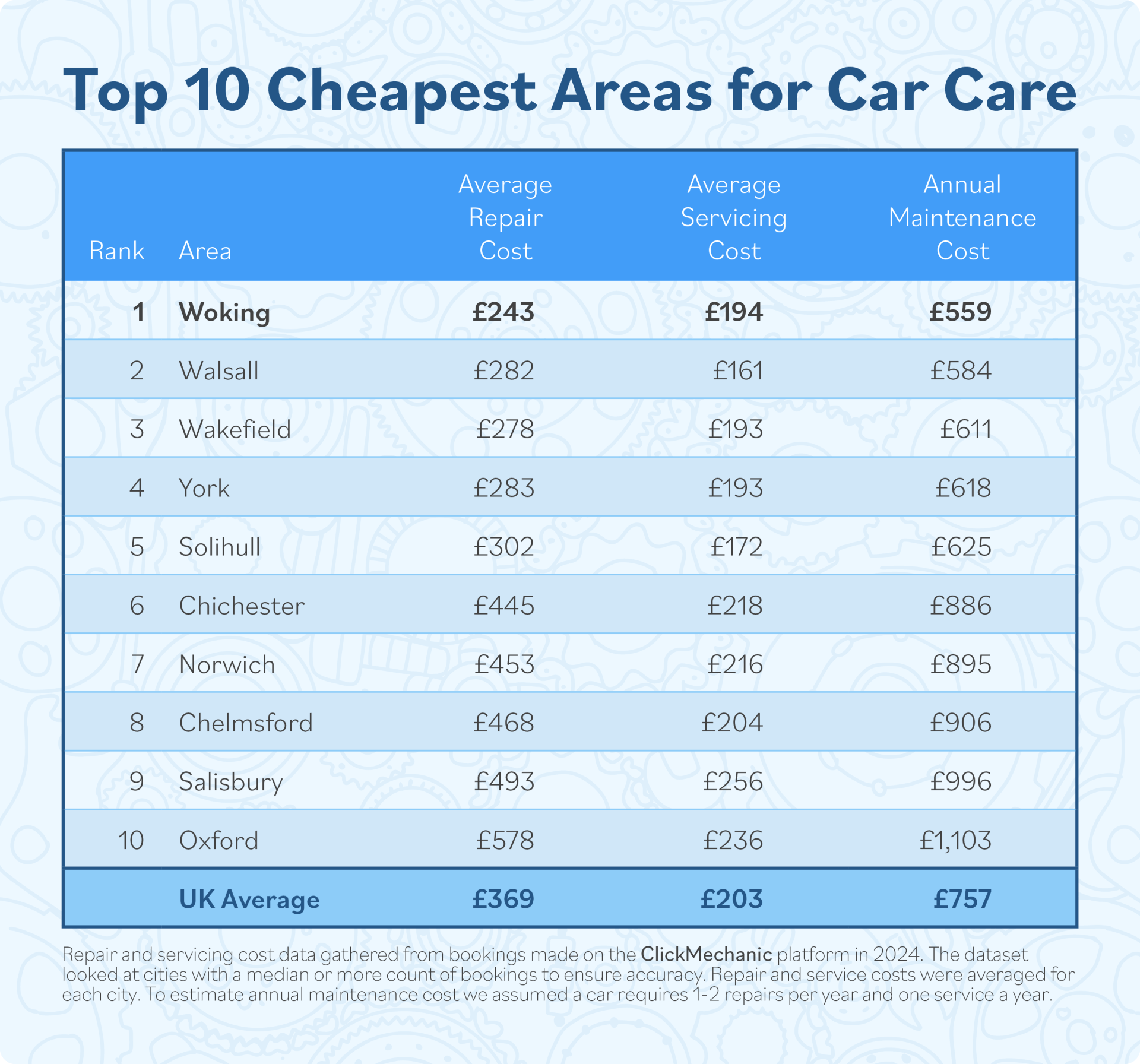
When considering a car purchase, it’s vital to look beyond the sticker price and factor in the total cost of ownership (TCO). This includes fuel, insurance, depreciation, and crucially, maintenance. Researching estimated annual maintenance costs for prospective vehicles can highlight that a seemingly cheaper car upfront might be more expensive to run in the long term, offering a valuable financial perspective that influences your purchasing decision.
Impact of Car Service on Resale Value
A meticulously maintained vehicle with a complete service history is a highly attractive asset in the used car market. Prospective buyers are often willing to pay a premium for a car where all services have been performed on time by reputable mechanics. The financial documentation of consistent maintenance validates the vehicle’s health and reliability, directly translating into a higher resale value and better return on your original investment. Neglecting services, conversely, can significantly depress the resale price.
When to Repair vs. Replace
This is a critical financial dilemma for owners of older vehicles. There comes a point where the cost of repairs outweighs the vehicle’s market value, or the projected future repair costs make continued ownership financially unsound. As a general rule of thumb, if the cost of a major repair exceeds 50% of the car’s current market value, or if annual maintenance costs consistently exceed this threshold, it might be more financially prudent to invest that money into a newer, more reliable vehicle. This decision requires a careful financial analysis of repair costs, remaining vehicle life, and the cost of a replacement vehicle, including financing, depreciation, and insurance. It’s a balance between extending an asset’s life and recognizing when continued investment is diminishing returns.
aViewFromTheCave is a participant in the Amazon Services LLC Associates Program, an affiliate advertising program designed to provide a means for sites to earn advertising fees by advertising and linking to Amazon.com. Amazon, the Amazon logo, AmazonSupply, and the AmazonSupply logo are trademarks of Amazon.com, Inc. or its affiliates. As an Amazon Associate we earn affiliate commissions from qualifying purchases.