
Maintaining a vehicle isn’t merely about prolonging its life; it’s a critical component of sound personal finance. While the immediate cost of a car service might seem like an expenditure, viewing it through a financial lens reveals it as a strategic investment. Regular servicing is paramount to preserving your vehicle’s value, optimizing its operational efficiency, and, most importantly, insulating you from far greater, unforeseen financial burdens down the road. Understanding the optimal service frequency, therefore, is not just about car care, but about prudent money management.
The Financial Imperative of Regular Car Servicing
At its core, car servicing is a preventative measure designed to identify and address minor issues before they escalate into major, costly repairs. From a financial perspective, this proactive approach offers several distinct advantages that directly impact your wallet.

Preserving Resale Value and Mitigating Depreciation
A vehicle is a depreciating asset, but consistent, documented service history can significantly slow down that depreciation curve. When it comes time to sell or trade in your car, a meticulously maintained service log is a tangible asset. Buyers are willing to pay a premium for a car with a clear history of professional care, understanding that it translates to fewer potential headaches and expenses for them. Conversely, a car with patchy or non-existent service records will likely fetch a lower price, costing you thousands in lost resale value. The small investment in regular oil changes, tire rotations, and inspections protects the larger investment you made in the vehicle itself.
Optimizing Fuel Efficiency and Operational Costs
Many components of your vehicle, such as the engine, transmission, and tires, operate most efficiently when properly maintained. A dirty air filter can restrict airflow to the engine, forcing it to work harder and consume more fuel. Worn spark plugs can lead to incomplete combustion, wasting fuel. Incorrect tire pressure increases rolling resistance, also leading to higher fuel consumption. Regular servicing ensures these components are clean, calibrated, and in good working order, directly translating to better fuel economy. Over the lifespan of your vehicle, even marginal improvements in miles per gallon can accrue to substantial savings at the pump, making servicing an indirect but powerful driver of reduced operational costs.
Preventing Catastrophic Failures and Emergency Expenses
The most significant financial benefit of regular servicing lies in its ability to avert catastrophic mechanical failures. A small leak might be a simple, inexpensive fix if caught early, but left unaddressed, it could lead to a complete engine or transmission failure—repairs that can easily run into thousands of dollars, often rivaling the cost of a down payment on a new car. Regular inspections allow mechanics to identify wear and tear on critical components like brakes, timing belts, and fluid levels. Replacing these items before they fail completely is invariably cheaper than dealing with the aftermath of a breakdown, which can also incur towing fees, rental car costs, and the general disruption of your financial planning.
Decoding Service Schedules: Manufacturer Recommendations vs. Your Wallet
The question of “how often” often begins with the manufacturer’s recommendations, typically found in your car’s owner’s manual. However, these are often generalized guidelines. For optimal financial planning, it’s crucial to understand these recommendations and adapt them to your specific circumstances.
Understanding the Owner’s Manual and Warranty Stipulations
Your owner’s manual provides a detailed service schedule, outlining intervals for routine maintenance items like oil changes, filter replacements, fluid checks, and major inspections. Adhering to these schedules is not just good practice; it’s often a requirement to keep your vehicle’s warranty valid. Failing to follow the manufacturer’s recommended service intervals can void your warranty, leaving you financially exposed to potentially expensive repairs that would otherwise be covered. Always keep meticulous records of all services performed, including dates, mileage, and the work completed, as this documentation is vital for warranty claims.
Factors Influencing Your Service Interval
While the owner’s manual offers a baseline, several factors can necessitate more frequent servicing or a deviation from the standard schedule, all of which have financial implications.
Driving Habits
Aggressive driving, frequent short trips (where the engine doesn’t reach optimal operating temperature), or extensive city driving with constant stop-and-go traffic put more stress on a vehicle than smooth, consistent highway driving. These “severe driving conditions” often warrant more frequent oil changes and inspections to mitigate accelerated wear and tear. Ignoring these conditions can lead to premature component failure and higher maintenance costs.
Environmental Conditions
Vehicles operated in extreme climates (very hot, very cold), dusty environments, or areas with heavy road salt usage will experience different types of wear. For instance, dusty conditions necessitate more frequent air filter changes, while road salt can accelerate corrosion of undercarriage components. Adjusting your service schedule to account for these environmental factors is a small preventative cost compared to the expense of rust repair or replacing seized parts.

Vehicle Age and Mileage
Older vehicles, or those with high mileage, often require more attention. Components naturally wear out over time, and proactive replacement or maintenance can prevent cascading failures. While a newer car might comfortably adhere to 10,000-mile oil change intervals, an older car might benefit from 5,000-mile changes, especially if it’s no longer under warranty and you’re aiming to extend its usable life. The financial calculation here is balancing the cost of more frequent maintenance against the cost of a new car.
Budgeting for Car Maintenance: A Proactive Approach
Successful car ownership, from a financial standpoint, is never about reacting to breakdowns but proactively planning for maintenance. Integrating car servicing into your regular budget is a cornerstone of responsible personal finance.
Setting Aside a Dedicated Fund
One of the most effective strategies is to establish a dedicated “car maintenance fund.” A common rule of thumb is to budget 1-2% of your car’s purchase price annually for maintenance and repairs, or to set aside a fixed amount monthly, perhaps $50-$100, depending on your vehicle’s age and type. By consistently contributing to this fund, you transform potential repair shocks into manageable, anticipated expenses, avoiding the need to dip into emergency savings or resort to high-interest credit cards for unexpected fixes.
Leveraging Maintenance Plans and Extended Warranties
When purchasing a new or certified pre-owned vehicle, consider the financial merits of manufacturer-offered maintenance plans or extended warranties. While these come with an upfront cost, they can provide predictable budgeting for routine services and protection against major mechanical failures. Carefully analyze the terms, coverage, and cost-effectiveness relative to your anticipated ownership period and driving habits. For some, the peace of mind and fixed costs offer significant financial value, especially if you plan to keep the vehicle for an extended period beyond its factory warranty.
DIY vs. Professional Servicing: A Cost-Benefit Analysis
For certain basic maintenance tasks, such as checking tire pressure, topping off fluids, or even changing an air filter, a do-it-yourself approach can save money on labor costs. However, it’s crucial to weigh these savings against the potential risks. Incorrectly performed maintenance can lead to greater problems and more expensive repairs down the line. For complex tasks like brake jobs, engine diagnostics, or transmission flushes, professional servicing is almost always the financially prudent choice. Professionals have the specialized tools, training, and expertise to perform these tasks correctly, often backed by warranties on their work. The key is to know your limits and understand when the small savings of DIY are outweighed by the potential financial consequences of error.
The True Cost of Neglect: Financial Fallout from Skipping Services
While skipping a service might seem like a way to save money in the short term, it invariably leads to a significantly larger financial burden. The costs of neglect extend far beyond just increased repair bills.
Accelerated Depreciation and Reduced Resale Value
As mentioned, a lack of service history decimates your car’s resale value. When you neglect regular maintenance, you’re not just risking immediate breakdowns; you’re actively depreciating your asset faster than necessary. A prospective buyer or dealership assessing a trade-in will scrutinize the car’s condition and history. Gaps in service records or evidence of neglected maintenance will lead to a lower offer, resulting in a substantial financial loss when you eventually sell the vehicle. This is a quiet, insidious cost that often goes unnoticed until the point of sale.
Increased Repair Bills and Emergency Costs
The most obvious financial consequence of neglect is the inevitable escalation of repair costs. A minor issue, like a worn belt, if left unaddressed, can snap and cause damage to other engine components. A small oil leak can lead to catastrophic engine failure if the oil level drops too low. These emergency repairs are not only more expensive but often happen at the most inconvenient times, forcing you to pay premium prices for urgent service and potentially impacting your daily routine, leading to additional costs like rental cars or missed work.
Fuel Efficiency Losses and Environmental Fines
Neglecting routine maintenance, particularly items related to engine efficiency (spark plugs, air filters, fuel filters), can significantly degrade your car’s fuel economy. Over months and years, these small losses at the pump accumulate into substantial financial waste. Furthermore, in some regions, neglected vehicles that fail emissions tests can incur fines or prevent you from renewing your vehicle registration, adding another layer of unforeseen costs.
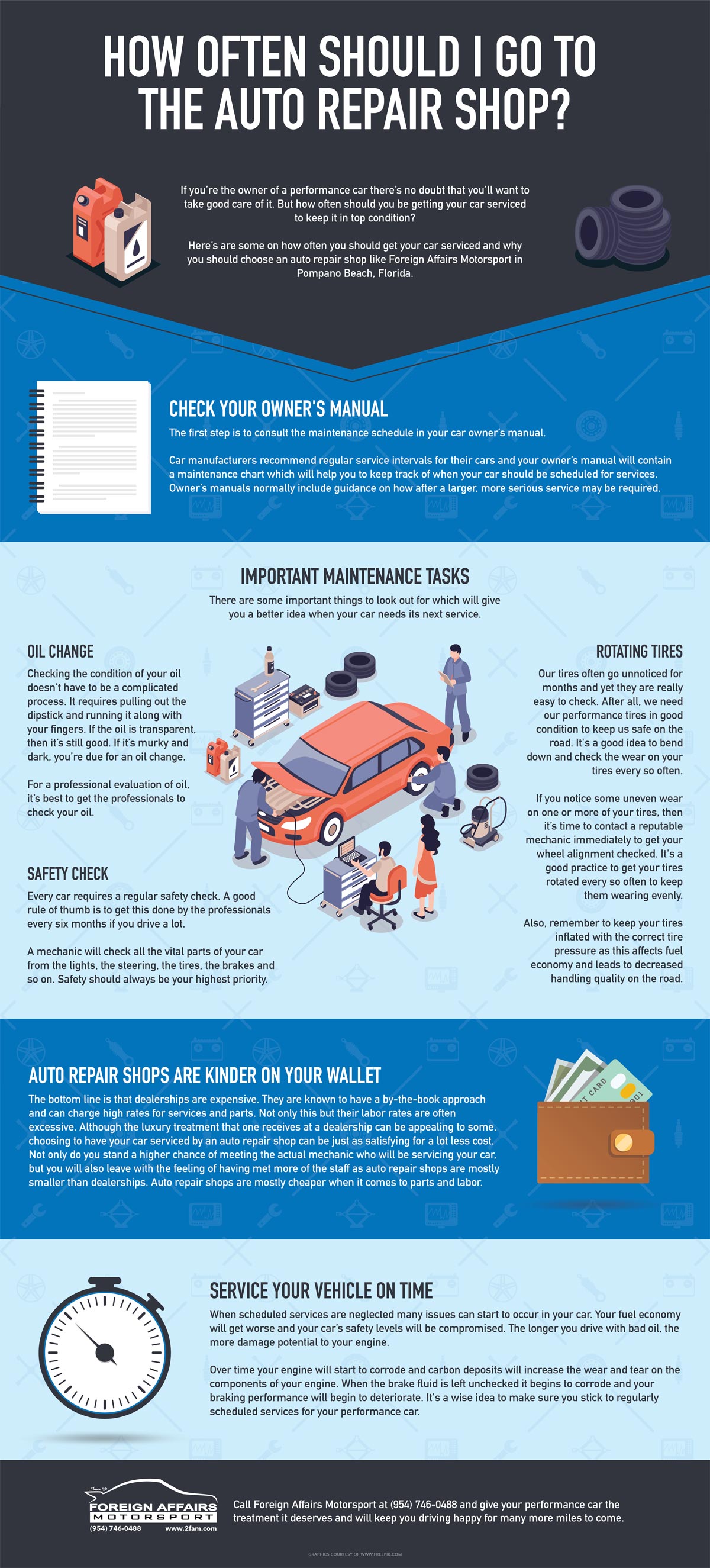
Insurance Implications and Safety Risks
While less direct, neglecting vehicle maintenance can also have implications for your insurance. While it might not directly void your policy, an insurer might argue “gross negligence” in the event of an accident if it can be proven that a critical failure (e.g., worn brakes) due to lack of maintenance contributed to the incident. More importantly, unsafe vehicles pose a direct risk to you and your passengers, and the financial and human costs of an accident far outweigh any savings from skipping a service.
In conclusion, understanding “how often to service car” transcends mere mechanical knowledge; it’s a fundamental aspect of responsible financial management. By adopting a proactive, budgeted approach to vehicle maintenance, owners can safeguard their investment, minimize long-term operational costs, and mitigate the risk of financially devastating breakdowns, ensuring their vehicle remains a reliable asset rather than a burdensome liability.
aViewFromTheCave is a participant in the Amazon Services LLC Associates Program, an affiliate advertising program designed to provide a means for sites to earn advertising fees by advertising and linking to Amazon.com. Amazon, the Amazon logo, AmazonSupply, and the AmazonSupply logo are trademarks of Amazon.com, Inc. or its affiliates. As an Amazon Associate we earn affiliate commissions from qualifying purchases.