
Determining the precise cost of AAA auto insurance is a nuanced process, as premiums are highly individualized, reflecting a multitude of variables unique to each policyholder and their circumstances. Unlike a fixed price tag, auto insurance rates are dynamic, influenced by actuarial data that assesses risk. AAA, renowned for its extensive member benefits and roadside assistance, also stands as a significant provider in the auto insurance market. Understanding the core components that shape these premiums is essential for any consumer aiming to manage their personal finances effectively and secure optimal coverage. This exploration delves into the key factors impacting AAA’s pricing, the additional value of its membership, and strategies to obtain competitive rates.
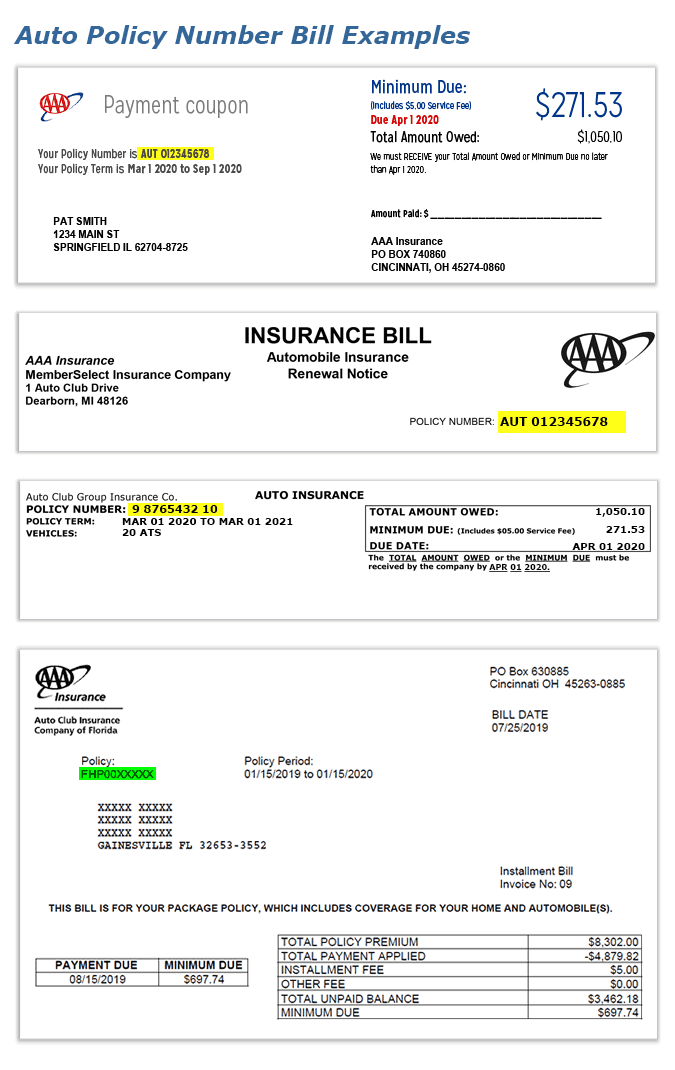
Understanding the Factors Influencing AAA Auto Insurance Premiums
Auto insurance premiums are not arbitrary; they are the result of sophisticated risk assessments by insurers. For AAA, as with other providers, these assessments involve a deep dive into numerous data points that indicate the likelihood of a policyholder filing a claim.
Driver-Specific Variables
Your personal profile as a driver plays a paramount role in the calculation of your insurance rate. Insurers meticulously evaluate several aspects of your driving history and personal demographics.
-
Driving Record: This is arguably the most critical factor. A history of accidents, traffic violations (speeding tickets, DUIs), or past insurance claims signals a higher risk to insurers, directly leading to increased premiums. Conversely, a clean driving record often qualifies drivers for significant discounts, reflecting their lower probability of future incidents.
-
Age and Experience: Younger, less experienced drivers, particularly those under 25, typically face higher premiums due to statistical data indicating a greater risk of accidents. As drivers gain experience and mature, their rates tend to decrease, assuming a clean record is maintained.
-
Location: Where you live and primarily park your vehicle significantly impacts your rates. Urban areas with higher traffic density, increased rates of theft, and more frequent accidents often result in higher premiums than rural or suburban locales. Crime rates, population density, and even the local weather patterns are factored in.
-
Credit Score: In many states, an individual’s credit-based insurance score is a major determinant of premiums. Insurers have found a correlation between higher credit scores and a lower likelihood of filing claims. Therefore, a robust credit history can translate into lower insurance costs, whereas a poor credit score may inflate premiums.
-
Marital Status: Married individuals often receive lower insurance rates than single drivers. Statistics suggest that married drivers are generally more responsible and less likely to be involved in accidents.
-
Gender: While the impact of gender on insurance rates has diminished in some regions due to regulatory changes, in others, it can still play a minor role, with women sometimes receiving slightly lower rates based on historical data.
Vehicle-Specific Variables
The make, model, and characteristics of your vehicle are just as important as your personal driving profile in determining your insurance costs.
-
Vehicle Make and Model: Certain cars are inherently more expensive to insure. High-performance sports cars, luxury vehicles, and those with a high theft rate typically command higher premiums due to their higher repair costs, greater likelihood of theft, or higher potential for high-speed accidents.
-
Safety Features: Vehicles equipped with advanced safety features such as anti-lock brakes, airbags, adaptive cruise control, lane departure warnings, and anti-theft devices can qualify for discounts. These features reduce the risk of accidents or theft, benefiting both the driver and the insurer.
-
Age of Vehicle: Newer cars often have more sophisticated technology, making them more expensive to repair or replace, which can increase comprehensive and collision coverage costs. Older vehicles might have lower repair costs but could also lack modern safety features, balancing out the premium equation.
-
Annual Mileage: The more you drive, the higher the perceived risk of an accident. Insurers often ask for estimated annual mileage, and those who drive less frequently (e.g., commuters using public transport, or those working from home) may be eligible for lower rates.
Policy Coverage and Deductibles
The specific types and limits of coverage you choose, alongside your deductible amounts, directly influence your premium. Tailoring these aspects allows you to control your out-of-pocket costs and monthly premiums.
-
Liability Coverage: This is typically the mandatory minimum coverage required by state law. It protects you financially if you’re at fault in an accident, covering bodily injury and property damage to others. Higher liability limits offer greater protection but come with increased premiums.
-
Collision Coverage: This pays for damages to your own vehicle resulting from a collision with another car or object, regardless of fault. It’s often required for financed or leased vehicles.
-
Comprehensive Coverage: This covers damages to your car from non-collision events, such as theft, vandalism, fire, natural disasters, or hitting an animal.
-
Uninsured/Underinsured Motorist Coverage: This protects you if you’re involved in an accident with a driver who has no insurance or insufficient insurance to cover your damages.
-
Medical Payments/Personal Injury Protection (PIP): These cover medical expenses for you and your passengers after an accident, regardless of fault.
-
Deductibles: This is the amount you pay out of pocket before your insurance coverage kicks in for collision and comprehensive claims. Choosing a higher deductible (e.g., $1,000 instead of $500) can significantly lower your premium, as you are taking on more of the initial financial risk. However, it also means a higher immediate cost if you need to file a claim.
The Value Proposition of AAA Membership Beyond Insurance
While the primary focus is on auto insurance costs, it’s crucial to consider the broader value of a AAA membership. For many, the decision to choose AAA extends beyond just insurance premiums, encompassing a suite of benefits that can lead to significant financial savings and peace of mind.
Roadside Assistance Benefits
The foundational service of AAA is its robust roadside assistance program. Membership tiers (Classic, Plus, Premier) offer varying levels of service, which can offset potential out-of-pocket expenses for unexpected vehicle troubles.
-
Towing Services: Depending on your membership level, you receive a certain number of free towing miles, which can be invaluable when breakdowns occur far from home or a preferred repair shop. Without this, towing costs can quickly escalate into hundreds of dollars.
-
Battery Service: Jump-starts or even battery replacement services can prevent costly service calls from independent mechanics.
-
Flat Tire Service: Changing a flat tire is a common roadside issue, and AAA provides this assistance, saving members the effort and potential cost of professional help.
-
Fuel Delivery: Running out of gas is an inconvenient but common mishap. AAA delivers fuel, often just enough to get you to the nearest station, avoiding additional towing fees.
-
Lockout Service: Being locked out of your vehicle can be frustrating and expensive with a locksmith. AAA offers lockout assistance, covering a portion or all of the service cost.
-
Minor Mechanical Adjustments: For simple issues, AAA technicians can often make minor adjustments to get your car running again, saving a trip to a repair shop.
The financial benefit here is direct: preventing or significantly reducing expenditures that would otherwise arise from roadside emergencies.
Travel and Lifestyle Discounts
AAA membership unlocks a wide array of discounts that can accumulate into substantial savings throughout the year, impacting a household’s overall financial health.
-
Hotel and Rental Car Discounts: Members often receive exclusive rates at numerous hotels and rental car agencies, making travel more affordable. For frequent travelers, these savings alone can outweigh the annual membership fee.
-
Attraction and Entertainment Discounts: Reductions on admission to theme parks, museums, movie theaters, and other entertainment venues provide savings for family outings and leisure activities.
-
Retail and Restaurant Savings: Many local and national retailers and restaurants offer discounts to AAA members, reducing daily expenses on shopping and dining.
-
Identity Theft Protection: Some membership tiers or optional add-ons include identity theft monitoring, providing a financial safeguard against fraud and its costly repercussions.
-
Vehicle Maintenance and Repair Discounts: Discounts at approved auto repair shops can lead to significant savings on routine maintenance and unexpected repairs, helping to preserve the longevity and value of your vehicle.
These benefits demonstrate how AAA membership, while not directly part of the insurance premium calculation, can offer a comprehensive financial advantage, making the overall AAA ecosystem a compelling value proposition.

Additional Financial Services
Beyond traditional auto insurance and roadside assistance, AAA often provides other financial tools and services that can assist members in managing their money. These can include:
-
Financial Planning Resources: Access to advice or tools related to budgeting, saving, and investing.
-
Travel Insurance: Specialized insurance products for trips, protecting against cancellations, medical emergencies abroad, and lost luggage, offering financial protection for travel investments.
-
Home and Life Insurance: While this article focuses on auto insurance, AAA is often a multi-line insurer, offering opportunities to bundle policies (home, life, auto) for potential discounts, which is a common strategy for reducing overall insurance expenditures.
Strategies for Reducing Your AAA Auto Insurance Costs
While specific AAA rates vary, consumers are not without agency in managing their premiums. Several proactive strategies can lead to substantial savings.
Leveraging Discounts
AAA, like most insurers, offers a variety of discounts. It is crucial to inquire about every possible discount to ensure you are receiving all eligible reductions.
-
Multi-Policy Discount: Bundling your auto insurance with other AAA policies, such as home, renters, or life insurance, can yield significant savings on your total premiums. This is one of the most common and effective ways to reduce costs.
-
Safe Driver Discount: Maintaining a clean driving record (no accidents or violations for a specified period) is often rewarded with lower rates.
-
Good Student Discount: High school and college students who maintain a certain GPA can often qualify for discounts, recognizing their presumed responsibility.
-
Vehicle Safety Features Discount: As mentioned, cars with anti-lock brakes, airbags, anti-theft devices, and other safety innovations often qualify for reduced premiums.
-
Defensive Driving Course Discount: Completing an approved defensive driving course can sometimes lead to a discount, especially for older drivers or those looking to offset a minor infraction.
-
Low Mileage Discount: If you drive significantly less than the average motorist, inform AAA, as you may qualify for a low-mileage discount.
-
Payment Discounts: Setting up automatic payments, paying your premium in full annually (rather than monthly installments), or opting for paperless billing can sometimes result in small but cumulative savings.
-
Membership Tenure Discount: Long-term AAA members may receive loyalty discounts.
Optimizing Coverage Levels
Carefully reviewing and adjusting your coverage can balance financial protection with premium costs.
-
Increase Deductibles: Raising your collision and comprehensive deductibles will lower your premiums. However, ensure you have sufficient savings to cover the higher out-of-pocket amount if you need to file a claim.
-
Drop Unnecessary Coverage: For older vehicles that have depreciated significantly, carrying collision and comprehensive coverage might not be cost-effective. The premium saved could outweigh the maximum payout if the car is totaled.
-
Review Liability Limits: While higher liability limits offer better protection, assess your financial assets and risk tolerance to choose appropriate limits without over-insuring.
Maintaining a Good Driving Record
This is fundamental and provides long-term financial benefits. Avoiding accidents and traffic violations not only prevents premium increases but also qualifies you for safe driver discounts. Participating in telematics programs, where your driving habits are monitored (e.g., through a smartphone app or device), can also provide personalized rates based on your actual driving behavior, often rewarding safe drivers with lower premiums.
Comparing AAA Auto Insurance in the Broader Market
While AAA offers compelling benefits, a financially savvy consumer understands the importance of comparison shopping. To truly understand “how much is AAA auto insurance” in context, it’s essential to compare it against other reputable providers.
Gathering Quotes Effectively
Do not rely on a single quote. Obtain multiple quotes from various insurers to gain a comprehensive understanding of the market.
-
Provide Consistent Information: Ensure you provide identical information (coverage limits, deductibles, vehicle details, driver information) to every insurer to enable an accurate comparison.
-
Utilize Online Comparison Tools: Many websites allow you to compare quotes from multiple insurers simultaneously, streamlining the process.
-
Engage with Agents: Speak to independent insurance agents who can provide quotes from several companies, including AAA, and offer personalized advice.
Assessing Customer Service and Claims Processing
The cheapest policy isn’t always the best value. Consider the quality of customer service and the efficiency of claims processing, as these factors contribute significantly to the overall experience and financial peace of mind.
-
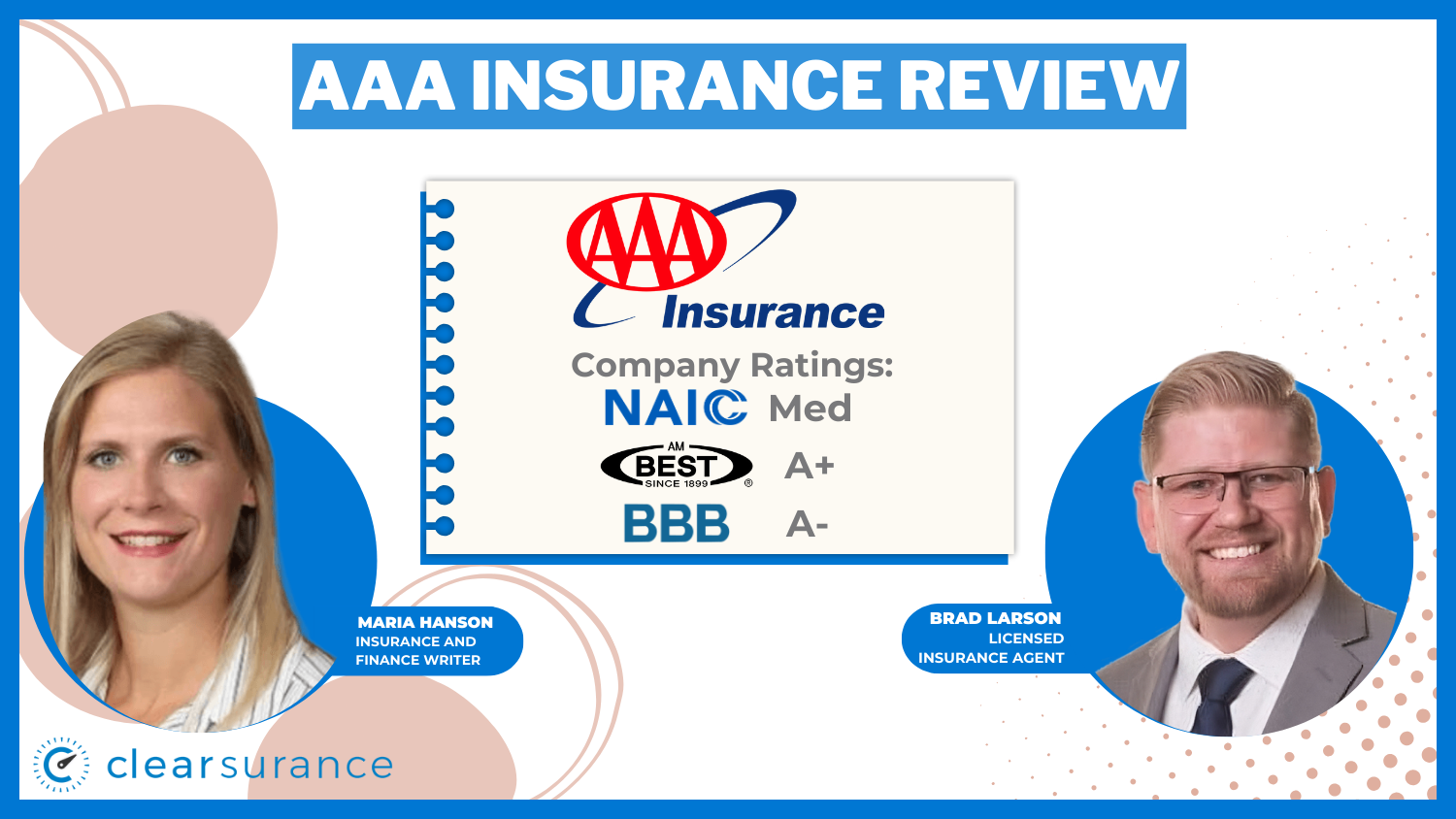
Reputation and Reviews: Research customer reviews and ratings for claims satisfaction and overall service. A smooth claims process can save you considerable stress and potential financial setbacks in the aftermath of an accident.
-
Accessibility: Consider how easy it is to reach AAA representatives, whether through local offices, phone lines, or online platforms.
Long-Term Value vs. Immediate Price
When comparing AAA, weigh its unique membership benefits against the direct premium cost. For some, the comprehensive roadside assistance, travel discounts, and trusted brand reputation might justify a slightly higher premium compared to a bare-bones policy from another provider. The total value proposition of AAA membership, including its non-insurance benefits, often contributes to a superior long-term financial advantage, making it a worthwhile investment for many drivers.
Ultimately, the cost of AAA auto insurance is a personalized calculation. By understanding the underlying factors, strategically leveraging discounts, optimizing coverage, and actively comparing offers, consumers can make an informed financial decision that balances cost, coverage, and valuable membership benefits.
aViewFromTheCave is a participant in the Amazon Services LLC Associates Program, an affiliate advertising program designed to provide a means for sites to earn advertising fees by advertising and linking to Amazon.com. Amazon, the Amazon logo, AmazonSupply, and the AmazonSupply logo are trademarks of Amazon.com, Inc. or its affiliates. As an Amazon Associate we earn affiliate commissions from qualifying purchases.