
Understanding how much insurance you truly need is one of the most critical, yet often overlooked, aspects of sound financial planning. It’s not simply about having some coverage; it’s about having the right amount of coverage to safeguard your financial well-being, protect your assets, and provide peace of mind for yourself and your loved ones. Insurance acts as a financial safety net, mitigating the impact of unforeseen events that could otherwise derail your financial future. From personal health crises and property damage to liability claims and the financial stability of dependents, inadequate insurance can lead to catastrophic financial losses.
The answer to “how much insurance” is rarely a one-size-fits-all solution. It’s a highly personalized equation influenced by your unique life stage, income, assets, debts, dependents, risk tolerance, and future aspirations. This guide will delve into the various types of insurance, offering insights into how to assess your specific needs and determine optimal coverage amounts across different financial domains.
Navigating the Core Pillars of Personal Insurance
A comprehensive financial strategy begins with foundational insurance policies designed to protect against common and significant risks.
Life Insurance: Securing Your Legacy
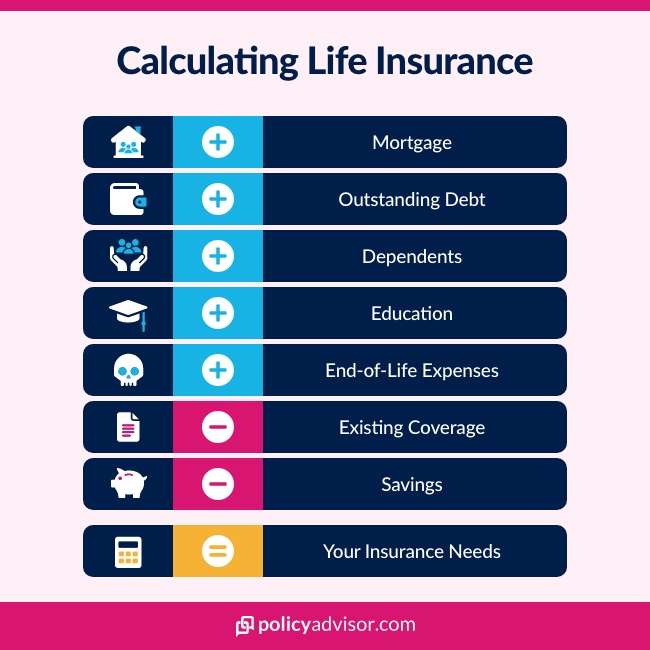
Life insurance is designed to provide financial security to your loved ones after your passing. Its primary purpose is to replace your income, allowing your family to maintain their standard of living, pay off debts, cover final expenses, and fund future needs like children’s education.
-
Determining Coverage: Common methods include:
-
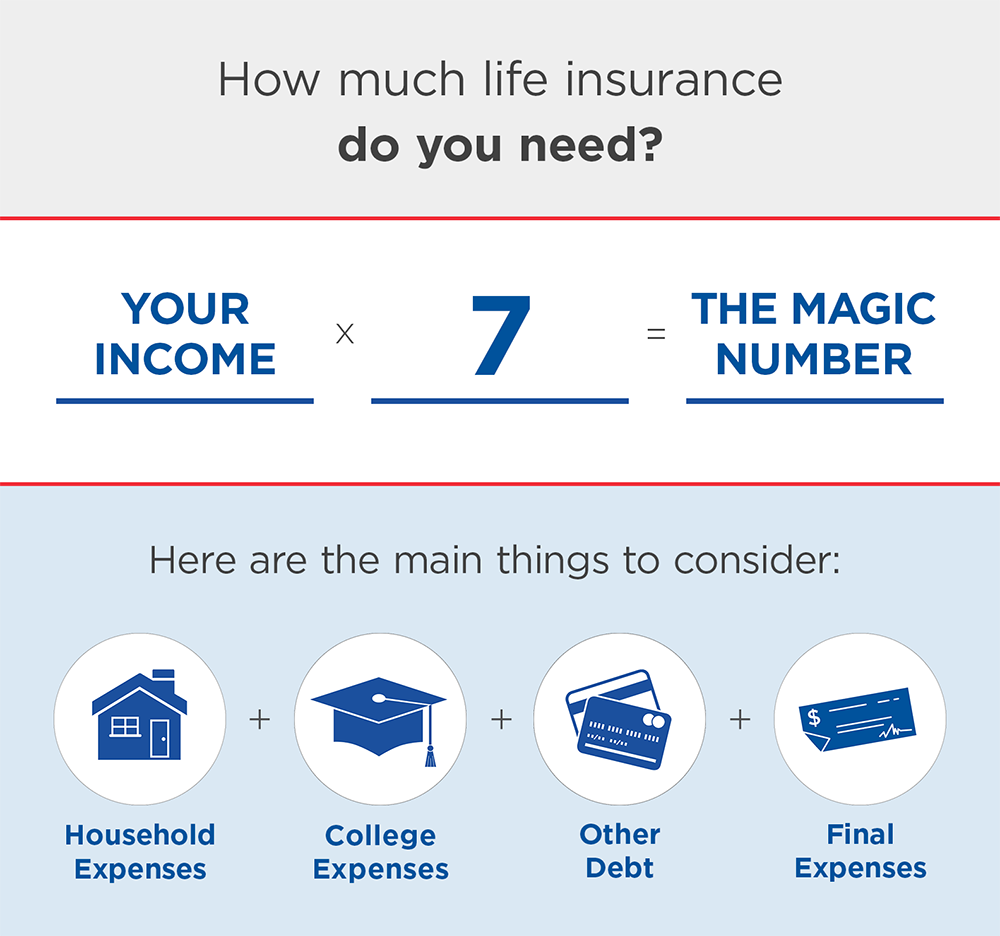
Income Multiple: A common rule of thumb suggests 10 to 15 times your annual income.
-
DIME Method: This comprehensive approach calculates your needs based on Debts (mortgage, credit cards, loans), Income (how many years of income replacement your family needs), Mortgage (outstanding balance), and Education (future college costs for children).
-
Human Life Value: Calculates the present value of your future earnings.
-
-
Types of Policies:
-
Term Life: Provides coverage for a specific period (e.g., 10, 20, 30 years) and is generally more affordable. It’s ideal for covering specific financial obligations that will eventually expire, such as a mortgage or the years children are dependent.
-
Whole Life/Permanent Life: Offers lifelong coverage and typically includes a cash value component that grows over time on a tax-deferred basis. It’s more expensive but can be a tool for estate planning or long-term wealth accumulation.
-
-
Key Factors: Consider your age, health, number of dependents, outstanding debts, and future financial goals for your family. As a general guideline, younger individuals with dependents and significant debts will require higher coverage.
Health Insurance: Safeguarding Your Well-being and Wallet
Health insurance is non-negotiable in today’s world, protecting you from the exorbitant costs of medical care, including doctor visits, hospital stays, prescription drugs, and preventative services.
-
Determining Coverage: The “right” health insurance plan balances premiums with your potential out-of-pocket costs and access to care.
-
Deductible: The amount you pay before your insurance plan starts to pay. A higher deductible typically means lower monthly premiums.
-
Co-pay/Coinsurance: Fixed amounts or percentages you pay for services after your deductible is met.
-
Out-of-Pocket Maximum: The most you will pay in a year for covered health services. Once you hit this limit, your plan pays 100% of covered costs.
-
Network: Ensure your preferred doctors and hospitals are in-network to avoid higher costs.
-
-
Key Factors: Evaluate your health status, anticipated medical needs (e.g., chronic conditions, planned surgeries), and financial capacity for deductibles. A family with young children might prioritize plans with lower deductibles and comprehensive coverage, while a healthy individual might opt for a high-deductible plan coupled with a Health Savings Account (HSA).
Auto Insurance: On the Road with Confidence
Auto insurance is legally mandated in most places and protects you financially in the event of an accident or theft.
-
Determining Coverage: While state minimums exist, they often provide insufficient protection.
-
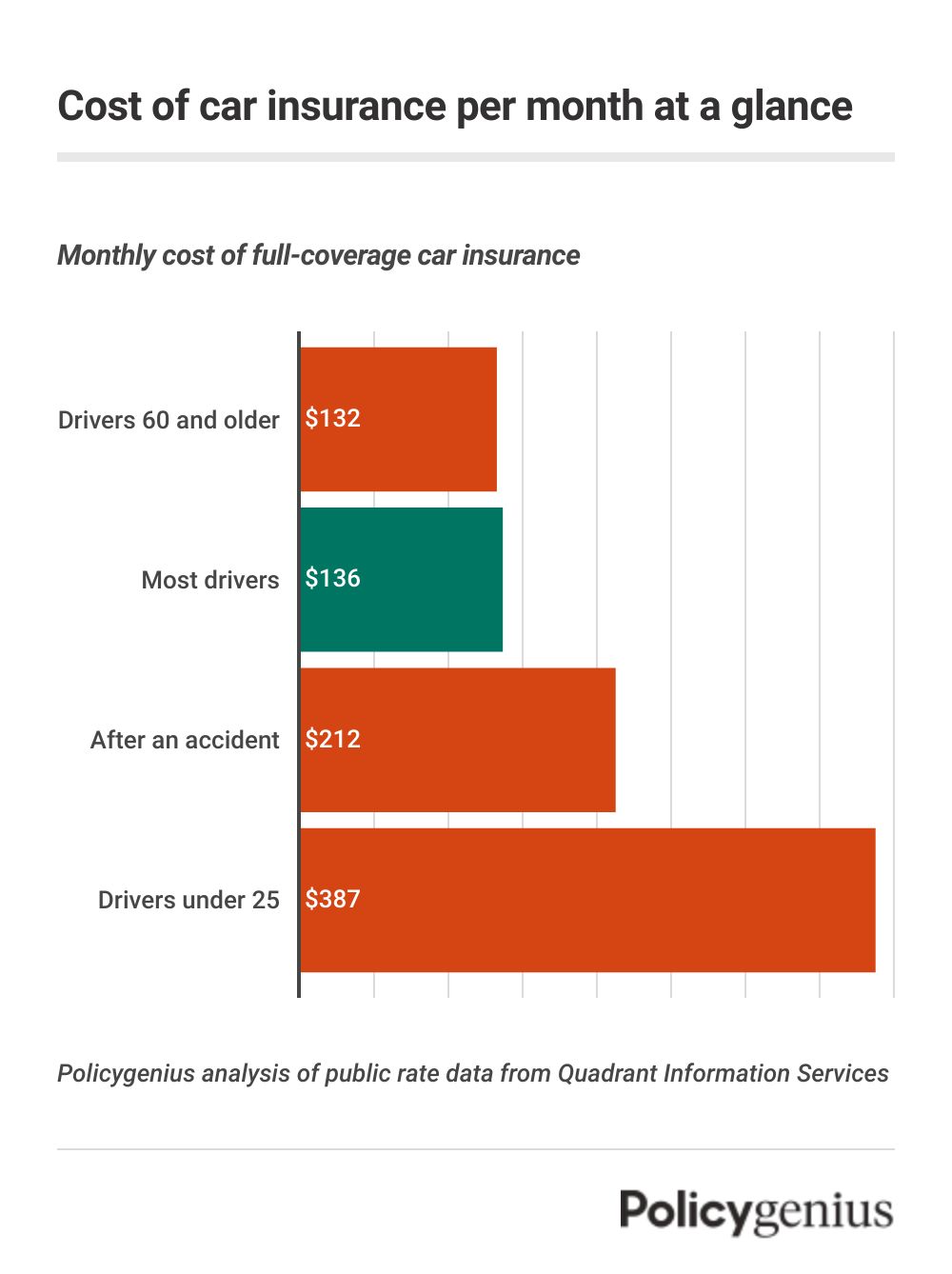
Liability Coverage: Pays for damages and injuries you cause to others. Aim for higher limits (e.g., $100,000/$300,000 for bodily injury and $50,000 for property damage) than state minimums, especially if you have significant assets to protect. An umbrella policy can further augment this.
-
Collision Coverage: Pays for damage to your own vehicle in an accident, regardless of fault.
-
Comprehensive Coverage: Covers non-collision damage, such as theft, vandalism, fire, or natural disasters.
-
Uninsured/Underinsured Motorist: Protects you if the at-fault driver doesn’t have enough insurance.
-
Medical Payments/Personal Injury Protection (PIP): Covers medical expenses for you and your passengers.
-
-
Key Factors: The value of your vehicle, your driving record, annual mileage, where you live, and your financial ability to replace your vehicle if totaled. Opting for higher deductibles on collision and comprehensive can lower premiums, but ensure you can afford the deductible if a claim arises.
Homeowner’s/Renter’s Insurance: Protecting Your Dwelling and Possessions
This insurance protects your most valuable physical assets and provides liability coverage.
-
Homeowner’s Insurance: Protects your house structure, personal belongings, and provides liability coverage for incidents on your property.
-
Dwelling Coverage: Should be enough to rebuild your home completely (replacement cost), not just its market value.
-
Personal Property Coverage: Typically 50-70% of your dwelling coverage. Consider scheduled endorsements for high-value items like jewelry, art, or collectibles.
-
Liability Coverage: At least $300,000, but $500,000 is often recommended, especially if you have significant assets. An umbrella policy can provide additional layers of liability.
-
-
Renter’s Insurance: Crucial for tenants, covering your personal belongings against theft or damage (e.g., fire, water) and providing liability protection if someone is injured in your rented space. It’s inexpensive and highly recommended.
-
Key Factors: The rebuilding cost of your home, the value of your possessions, the risk of natural disasters in your area (e.g., floods, earthquakes, wildfires may require separate policies or riders), and the level of liability exposure you face.
Beyond the Basics: Essential Specialized Coverages
While core policies form the foundation, certain specialized coverages address specific financial vulnerabilities that can be equally devastating.
Disability Insurance: Shielding Your Income
Often overlooked, disability insurance replaces a portion of your income (typically 60-70%) if you become unable to work due to illness or injury. Your ability to earn an income is your most valuable asset.
-
Determining Coverage:
-
Short-Term Disability: Covers a few weeks to several months. Often employer-provided.
-
Long-Term Disability: Covers an extended period, potentially until retirement age. Crucial to have independently if not provided by your employer.
-
Benefit Period: How long the policy will pay benefits.
-
Waiting Period (Elimination Period): The time from when you become disabled until benefits begin.
-
-
Key Factors: Your current income, existing emergency savings, and whether your employer offers any coverage. Aim to cover your essential living expenses and maintain your lifestyle if you can no longer work.
Long-Term Care Insurance: Preparing for Future Needs
Long-term care insurance helps cover the costs of services like nursing homes, assisted living facilities, or in-home care, which are typically not covered by health insurance or Medicare.
-
Determining Coverage:
-
Daily Benefit Amount: How much the policy pays per day for care.
-
Benefit Period: How long the policy will pay benefits (e.g., 2 years, 5 years, unlimited).
-
Elimination Period: The waiting period before benefits kick in.
-
-
Key Factors: Your age (younger is cheaper), health, family history of chronic illness, and projected costs of long-term care in your area. This is particularly relevant for those approaching retirement or with substantial assets to protect from long-term care expenses.
Umbrella Insurance: The Ultimate Liability Safety Net
An umbrella policy provides an extra layer of liability coverage beyond what your home and auto policies offer. If a claim exhausts the liability limits of your primary policies, your umbrella policy kicks in.
-
Determining Coverage: Typically sold in increments of $1 million, with coverage often ranging from $1 million to $5 million.
-
Key Factors: Your net worth, potential risk exposures (e.g., owning rental properties, having a swimming pool, serving on a board of directors), and comfort level with potential lawsuits. If your assets exceed the liability limits of your home and auto policies, an umbrella policy is highly recommended.
Business Insurance: Protecting Your Enterprise
For business owners, tailored insurance policies are essential to protect against operational risks, financial losses, and legal liabilities.
-
Key Types:
-
General Liability: Covers claims of bodily injury or property damage to others caused by your business operations.
-
Professional Liability (Errors & Omissions): For service-based businesses, protects against claims of negligence or mistakes in professional services.
-
Commercial Property Insurance: Covers damage to your business property, equipment, and inventory.
-
Workers’ Compensation: Legally required if you have employees, covering medical costs and lost wages for work-related injuries.
-
Business Interruption Insurance: Replaces lost income and covers extra expenses if your business is forced to temporarily close due to a covered peril.
-
-
Determining Coverage: Highly dependent on your industry, size of operations, number of employees, types of services/products, and specific risks associated with your business. Consulting with an insurance broker specializing in commercial policies is crucial.
Determining Your Optimal Coverage Amounts: A Strategic Approach
Calculating the right amount of insurance isn’t just about formulas; it’s a strategic process that involves a thorough assessment of your financial reality and future outlook.
Assess Your Financial Landscape
Start by cataloging your current financial situation. This includes your annual income, total assets (savings, investments, real estate, valuable possessions), and all outstanding debts (mortgage, student loans, credit card balances, car loans). Consider your existing emergency fund and how long it could sustain you without income. The larger your debt burden and the fewer liquid assets you have, the more you’ll rely on insurance to fill potential gaps.
Evaluate Your Risk Tolerance
How comfortable are you with financial exposure? Some individuals are comfortable taking on more risk, perhaps opting for higher deductibles in exchange for lower premiums. Others prefer greater certainty and lower out-of-pocket costs, even if it means paying higher premiums. Understand what potential losses would be catastrophic to your financial stability and prioritize coverage against those risks.
Factor in Your Life Stage and Goals
Your insurance needs will evolve dramatically over your lifetime. A single person with no dependents will have different life insurance needs than a married individual with young children and a mortgage. As you approach retirement, long-term care insurance might become a higher priority, and the need for significant life insurance coverage might decrease as debts are paid off and assets accumulate. Business owners will have unique requirements compared to employees. Regularly revisiting your policies ensures they align with your current circumstances and future goals, such as retirement planning, wealth transfer, or business expansion.
Balance Cost and Protection
While robust coverage is ideal, it must also be affordable. Premiums can vary significantly, so it’s essential to get quotes from multiple providers. Consider bundling policies (e.g., auto and home with the same insurer) for potential discounts. Adjusting deductibles is another way to manage premiums, but ensure you can comfortably cover the deductible if a claim arises. The goal is to find the sweet spot where you are adequately protected without overpaying for coverage you don’t need or can’t afford.
The Dynamic Nature of Insurance: Regular Review and Adjustment
Insurance is not a set-it-and-forget-it aspect of financial planning. Your life is dynamic, and your insurance portfolio should be too. Major life events almost always necessitate a review and potential adjustment of your policies:
-
Marriage or Divorce: Changes in beneficiaries, income needs, and asset division.
-
Birth or Adoption of a Child: Increased life insurance needs to provide for their future.
-
Purchasing a New Home or Vehicle: Requires new or adjusted homeowner’s/auto policies.
-
Significant Income Change or Job Loss: May impact your ability to pay premiums or change your income replacement needs.
-
Starting a Business: Requires a whole new set of business insurance policies.
-
Children Becoming Independent: May reduce the need for certain types of life insurance.
-
Retirement: Often entails a shift in priorities, perhaps increasing long-term care needs while reducing life insurance.
-
Significant Asset Accumulation: Calls for higher liability limits through umbrella policies.
It’s advisable to conduct an annual review of all your insurance policies with an independent insurance agent. They can help you identify gaps in coverage, suggest more cost-effective options, and ensure your beneficiaries are up-to-date. By actively managing your insurance portfolio, you ensure that your financial safety net remains strong and responsive to your evolving life and financial circumstances.
aViewFromTheCave is a participant in the Amazon Services LLC Associates Program, an affiliate advertising program designed to provide a means for sites to earn advertising fees by advertising and linking to Amazon.com. Amazon, the Amazon logo, AmazonSupply, and the AmazonSupply logo are trademarks of Amazon.com, Inc. or its affiliates. As an Amazon Associate we earn affiliate commissions from qualifying purchases.