
Navigating the landscape of auto insurance can often feel like a complex financial puzzle. For many drivers, the goal is clear: secure “full coverage” without breaking the bank. However, understanding what “full coverage” truly entails, and more importantly, how to identify the most cost-effective options, requires a strategic approach to personal finance and a deep dive into insurance mechanisms. This guide demystifies the process, offering actionable insights to help you find financially prudent auto insurance.
Understanding Full Coverage: Beyond the Basics
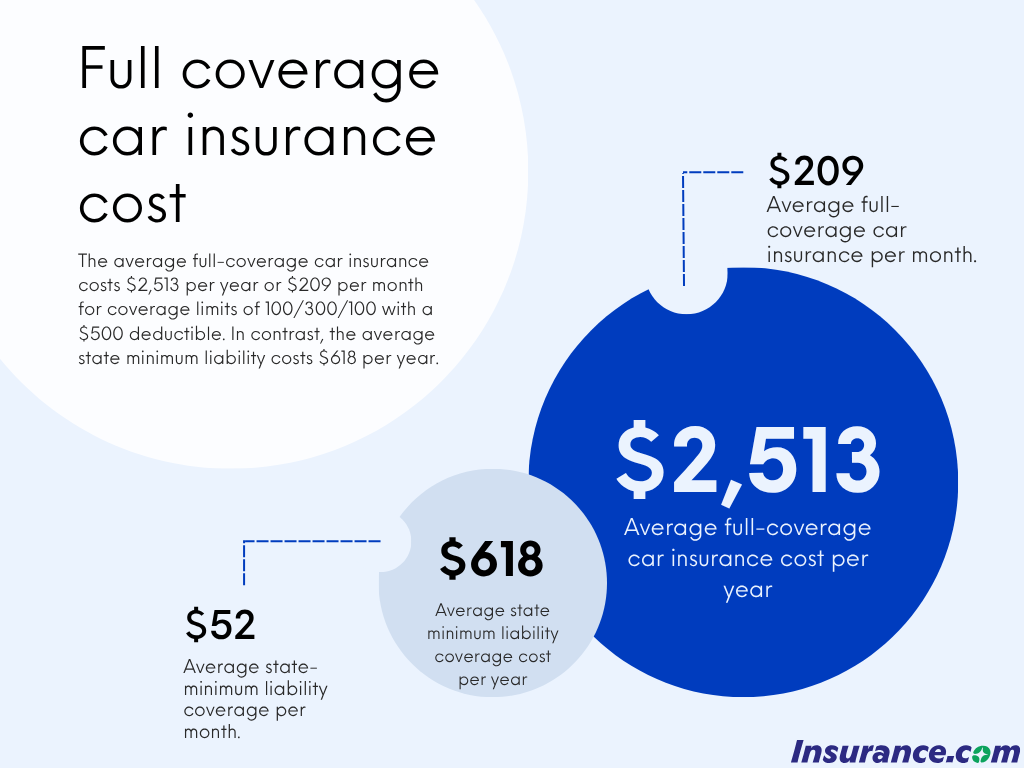
The term “full coverage” is frequently used but rarely a specific policy type. Instead, it’s a colloquial term that refers to a combination of insurance coverages designed to protect you financially in a wide range of scenarios, both involving your vehicle and others. Grasping its components is the first step toward optimizing your auto insurance budget.
What “Full Coverage” Truly Means
In the context of personal finance, “full coverage” typically implies having more than just the state-mandated minimum liability insurance. It suggests a robust protection package that includes coverage for damage to your own vehicle, regardless of fault, alongside the liability protection for others. This comprehensive approach safeguards your assets and helps prevent significant out-of-pocket expenses following an accident or other covered event.
The Components of Full Coverage
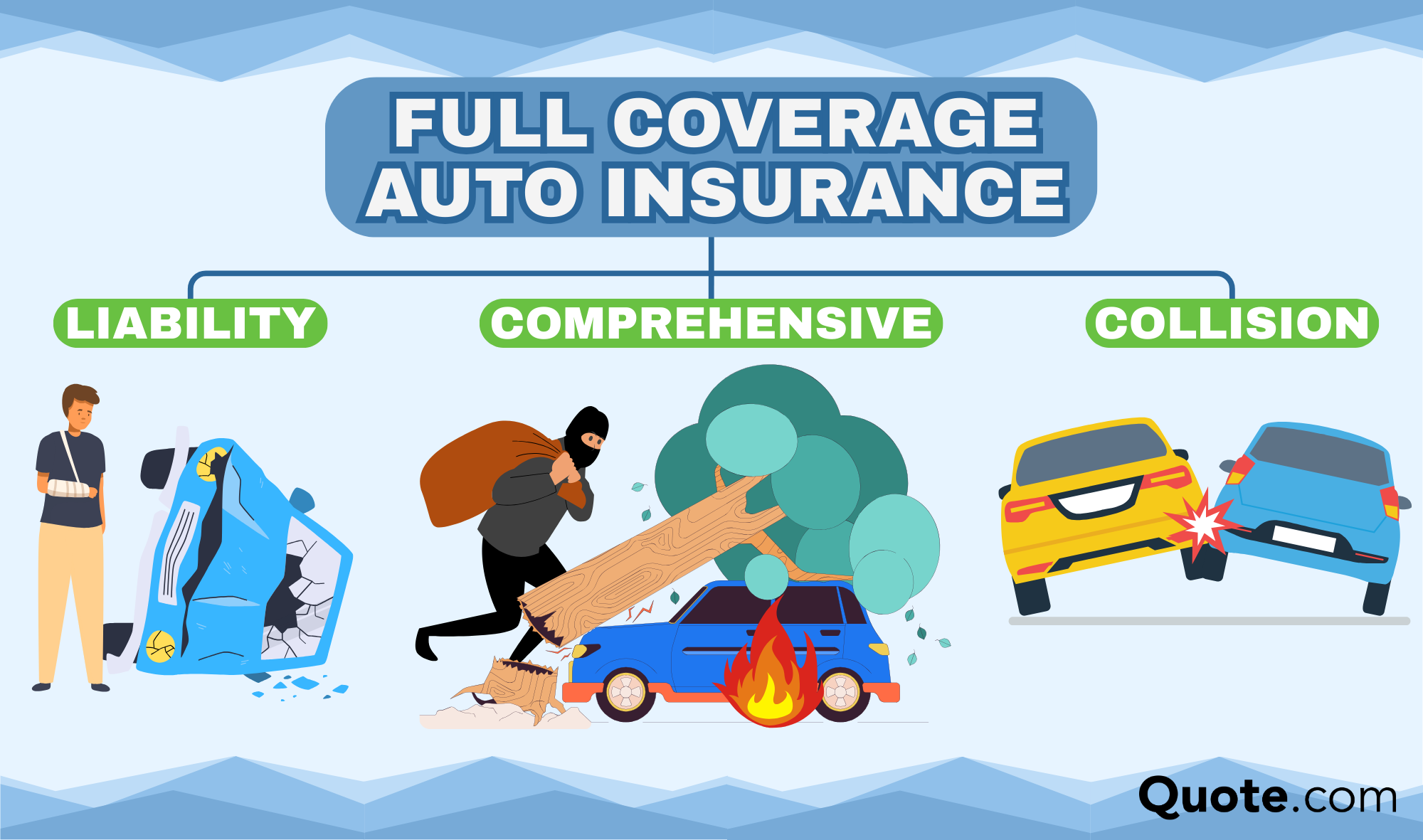
A typical “full coverage” policy usually comprises several key components, each serving a distinct financial purpose:
-
Liability Coverage (Bodily Injury & Property Damage): This is the foundation of nearly all auto insurance policies. It covers costs if you’re at fault in an accident, paying for the other party’s medical expenses (bodily injury) and property damage. State laws mandate minimum liability limits, but financially savvy individuals often opt for higher limits to protect their personal assets from potential lawsuits.
-
Collision Coverage: This pays for damages to your own vehicle if it collides with another car, an object, or if you roll it over. It’s crucial for protecting the financial investment you’ve made in your car, especially if it’s new or you still have a loan on it. Lenders typically require collision coverage.
-
Comprehensive Coverage: Often paired with collision, comprehensive coverage protects your vehicle from non-collision-related incidents. This includes theft, vandalism, fire, natural disasters (like hail or floods), and impacts with animals. For many, this coverage is essential for mitigating risks that are outside their control.
-
Personal Injury Protection (PIP) or Medical Payments (MedPay): These cover medical expenses for you and your passengers after an accident, regardless of who was at fault. PIP can also cover lost wages and essential services in some states, making it a critical financial safety net.
-
Uninsured/Underinsured Motorist (UM/UIM) Coverage: This protects you financially if you’re involved in an accident with a driver who has no insurance or insufficient insurance to cover your damages and medical bills. This is a vital layer of protection against the financial irresponsibility of others.
State Minimums vs. Prudent Protection
While every state mandates minimum levels of liability insurance, these minimums are often woefully inadequate to cover serious accidents. Relying solely on state minimums can expose your personal finances and assets to substantial risk. A truly “full coverage” approach aims to provide sufficient protection to shield your savings, investments, and future earnings from potential legal judgments or the high cost of repairing your own vehicle. Finding the “cheapest” full coverage, therefore, isn’t about cutting corners but about optimizing robust protection at the best possible price.
Key Factors Influencing Your Insurance Premium
The cost of your auto insurance premium is a dynamic figure, influenced by a multitude of factors that insurers use to assess risk. Understanding these variables is crucial for anyone seeking to lower their costs and make informed financial decisions about their policy.
Driver-Specific Variables
Your personal profile plays a significant role in how insurers price your policy. Age, driving experience, marital status, and gender (in states where it’s permitted) are all considered. Younger, less experienced drivers typically face higher premiums due to statistical risk. A good credit score, however, can often lead to lower rates, as insurers see a correlation between creditworthiness and responsible driving behavior in most states.
Vehicle Characteristics
The make, model, year, and safety features of your vehicle directly impact your comprehensive and collision premiums. More expensive cars to repair, vehicles with high theft rates, or those lacking advanced safety features often cost more to insure. Conversely, vehicles with high safety ratings and anti-theft devices can qualify for discounts. Even the color of your car can subtly influence rates, though this is often a myth perpetuated by anecdotal evidence rather than statistical fact.
Geographic Location and Usage
Where you live and how you use your vehicle are critical factors. Urban areas with higher traffic density, crime rates, and accident frequencies generally have higher premiums than rural areas. Your daily commute length, annual mileage, and whether you use your car for business or pleasure also affect rates, as more time on the road increases exposure to risk.
Your Driving Record and Credit Score
A clean driving record—free of accidents, speeding tickets, or other moving violations—is one of the most powerful tools for securing lower insurance rates. Insurers highly value responsible drivers. Similarly, your credit-based insurance score (which differs from a traditional credit score but uses similar data points) is a major rating factor in many states. A higher score often indicates a lower risk of filing claims, leading to more favorable pricing. Maintaining good credit and a pristine driving history are foundational financial strategies for affordable auto insurance.
Strategies to Find Affordable Full Coverage
Finding the cheapest full coverage auto insurance isn’t about sacrificing essential protection; it’s about employing smart financial strategies to optimize your spending. By actively managing your policy and leveraging available resources, you can significantly reduce your premiums without compromising safety.

Shop Around and Compare Quotes Diligently
This is arguably the most impactful strategy. Insurance rates can vary wildly between providers for identical coverage. Dedicate time to obtaining quotes from multiple insurers—both large national companies and smaller regional carriers. Utilize online comparison tools, but also consider contacting independent agents who can shop multiple providers for you. Reviewing at least 3-5 quotes is a good financial practice to ensure you’re getting competitive rates.
Bundle Policies for Discounts
Many insurers offer substantial discounts (often 5-25%) when you purchase multiple policies from them, such as bundling your auto insurance with your home, renters, or life insurance. This “multi-policy discount” is a common and effective way to save money across your insurance portfolio. Evaluate the total cost after bundling, as it can sometimes be cheaper than buying separate policies from different companies, even if one individual policy seems slightly higher.
Leverage Available Discounts
Insurers offer a plethora of discounts that can significantly reduce your premium. Be proactive and ask your agent about every discount you might qualify for. Common discounts include:
-
Good Driver Discount: For maintaining a clean driving record over several years.
-
Good Student Discount: For students who maintain a certain GPA.
-
Defensive Driver Course Discount: For completing an approved safety course.
-
Vehicle Safety Features Discount: For cars equipped with anti-lock brakes, airbags, anti-theft systems, etc.
-
Low Mileage Discount: For drivers who don’t drive much.
-
Payment Discounts: For paying premiums in full, setting up auto-pay, or choosing paperless billing.
-
Loyalty Discounts: For staying with the same insurer for an extended period.
Always review your policy annually and inquire about new discounts you may now qualify for.
Adjust Deductibles Strategically
Your deductible is the amount you pay out-of-pocket before your insurance kicks in for collision and comprehensive claims. Opting for a higher deductible (e.g., $1,000 instead of $500) will generally lower your premium. This is a calculated financial risk: while you save money on monthly payments, you’d need to have more cash readily available if you file a claim. Only choose a higher deductible if you have an emergency fund sufficient to cover it comfortably.
Review Your Coverage Annually
Your insurance needs and circumstances change over time. Your vehicle depreciates, you might move, your driving habits could change, or your financial situation may evolve. An annual review of your policy with your agent ensures your coverage still meets your needs and that you’re not overpaying for protection you no longer require. For instance, if your car is significantly older, you might consider dropping collision and comprehensive coverage if the cost of these coverages outweighs the vehicle’s actual cash value.
Consider Usage-Based Insurance
Many insurers now offer telematics programs that monitor your driving habits (e.g., mileage, speed, braking, time of day driven) via a device plugged into your car or a smartphone app. If you demonstrate safe driving behaviors, you can qualify for significant discounts. This is an excellent option for financially disciplined drivers who are confident in their habits and seek to personalize their rates based on actual risk rather than broad demographic data.
The Trade-offs: When “Cheapest” Isn’t Always Best
While the pursuit of the cheapest full coverage is a sound financial goal, it’s crucial to understand that the lowest price isn’t always the best value. There’s a critical balance between cost and the quality of protection, and overlooking this can lead to severe financial repercussions later.
Balancing Cost and Protection
The primary purpose of insurance is financial protection. While trimming unnecessary costs is wise, reducing coverage levels too much in pursuit of a lower premium can leave you dangerously underinsured. Imagine saving $100 a year on your premium only to face a $10,000 medical bill or vehicle replacement cost not covered by your policy. A truly “cheap” policy offers robust protection at a fair price, not just the absolute lowest number. Assess your assets, income, and risk tolerance to determine appropriate liability limits and coverage types.
The Importance of a Reliable Insurer
Beyond the price, the financial strength and reputation of your insurance provider are paramount. A cheap policy from an unreliable company can turn into a nightmare if they are slow to process claims, offer poor customer service, or struggle financially themselves. Research customer reviews, financial stability ratings (from agencies like A.M. Best or Standard & Poor’s), and claims handling processes before committing. A slightly higher premium with a top-rated insurer often offers peace of mind and better service when you need it most.
Avoiding Underinsurance Pitfalls
One of the biggest financial mistakes drivers make is being underinsured. This occurs when your policy limits are insufficient to cover the costs of a major accident, leaving you personally liable for the difference. This can mean wiping out savings, selling assets, or even facing wage garnishment. When seeking “cheap” full coverage, prioritize adequate liability limits (e.g., $100,000/$300,000 bodily injury and $50,000-$100,000 property damage) and ensure comprehensive and collision deductibles are manageable. Remember, the goal is financially smart insurance, not just cheap insurance that leaves you exposed.
Ultimately, finding the cheapest full coverage auto insurance is a multi-faceted financial endeavor that combines diligence, strategic decision-making, and a clear understanding of your personal risk profile. By comparing options, leveraging discounts, and maintaining a clean record, you can secure comprehensive protection that aligns with your budget and provides true financial security on the road.
aViewFromTheCave is a participant in the Amazon Services LLC Associates Program, an affiliate advertising program designed to provide a means for sites to earn advertising fees by advertising and linking to Amazon.com. Amazon, the Amazon logo, AmazonSupply, and the AmazonSupply logo are trademarks of Amazon.com, Inc. or its affiliates. As an Amazon Associate we earn affiliate commissions from qualifying purchases.