
Identifying the “best rated” car insurance company is a common quest for consumers seeking to balance cost, coverage, and service. However, the answer is rarely a simple, singular declaration. What constitutes “best” is highly subjective, influenced by individual needs, priorities, driving history, and even geographic location. Rather than pinpointing a universal champion, a more insightful approach involves understanding the various metrics used to evaluate insurers and how these align with personal financial strategies.
Navigating the Complexities of Car Insurance Ratings
The concept of a “best rated” car insurance company is multifaceted, drawing on a range of independent assessments and consumer feedback. To truly understand which insurer might be best for you, it’s crucial to look beyond a single headline and delve into the nuances of these evaluations.
Understanding What “Best Rated” Truly Means
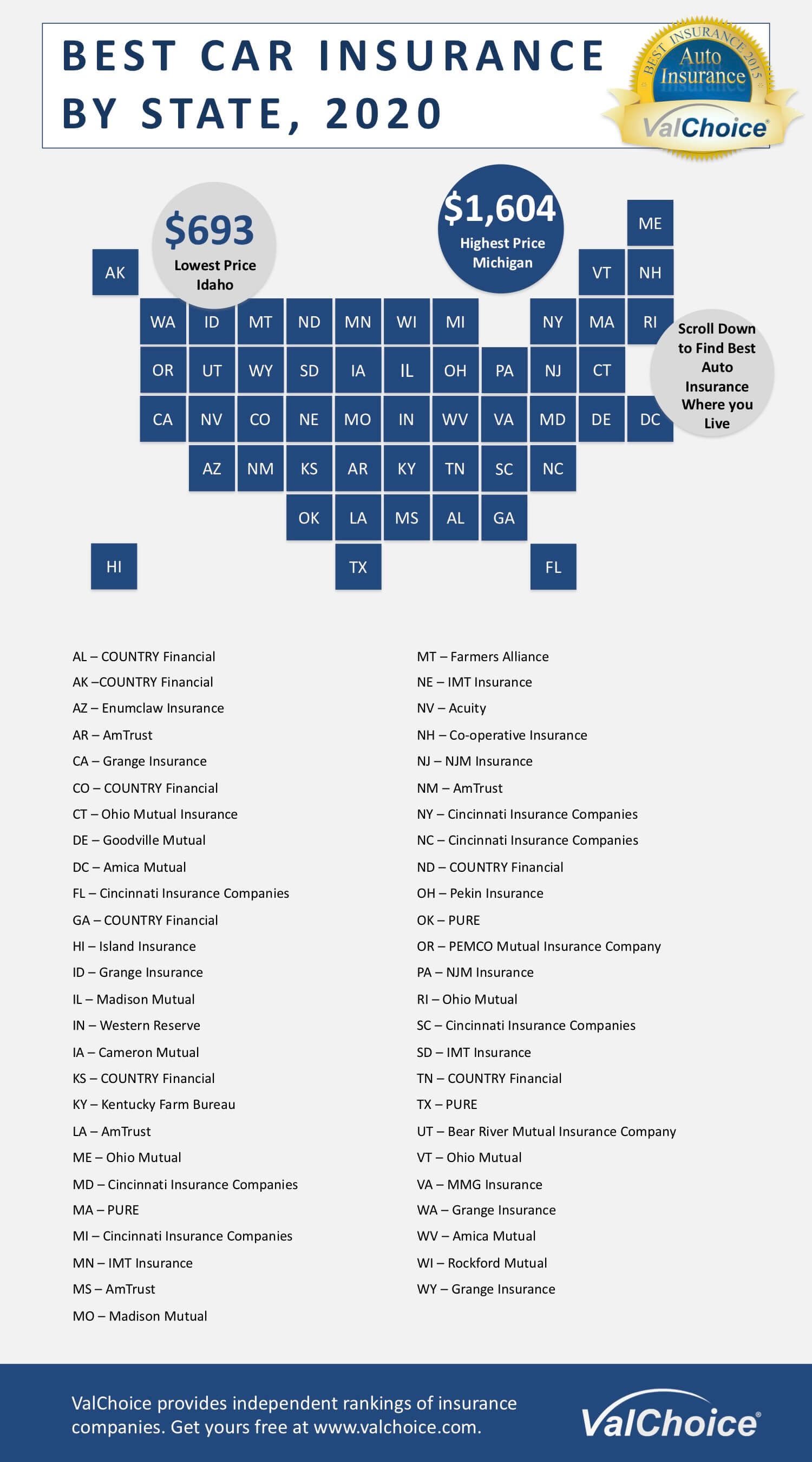
When an insurance company is lauded as “best rated,” it often refers to high scores across various reputable third-party evaluations. Organizations like J.D. Power, Consumer Reports, and A.M. Best each focus on different aspects of an insurer’s performance.
-
J.D. Power: This organization is renowned for its customer satisfaction studies, surveying thousands of insurance policyholders on critical touchpoints. Their ratings typically cover overall satisfaction, claims satisfaction, policy offerings, pricing, and interaction experiences (e.g., website, app, agent). A high J.D. Power score indicates that a company generally excels at meeting and exceeding customer expectations.
-
Consumer Reports: Leveraging its vast subscriber base, Consumer Reports gathers data on member experiences with insurance companies, often focusing on pricing, customer service, and claims handling. Their ratings are valuable for understanding how real consumers perceive the value and efficacy of their policies.
-
A.M. Best: This agency specializes in credit ratings for the insurance industry, focusing on an insurer’s financial strength and ability to meet its policyholder obligations. A strong A.M. Best rating (e.g., A++ or A+) signifies that a company is financially sound and likely to pay out claims even in challenging economic conditions. From a personal finance perspective, this rating is critical; an insurer’s financial stability directly impacts your financial security should you need to file a claim.
-
Better Business Bureau (BBB): The BBB rates businesses based on their responsiveness to customer complaints and their adherence to ethical business practices. While not an insurance-specific rating, a high BBB rating can indicate a company’s commitment to customer resolution and transparency.
These diverse metrics collectively paint a picture of an insurer’s performance, but no single score provides the complete financial context for an individual.
The Subjectivity of Satisfaction and Value
An insurer that ranks highly for one demographic or region might not offer the same value or service to another. For instance, a young driver with a new car might prioritize low premiums and robust roadside assistance, while an experienced driver with a pristine record might seek comprehensive coverage and highly responsive claims processing. Similarly, someone who values in-person consultation might prefer an agent-based model, while a tech-savvy individual might favor an online-first insurer with a streamlined app.
Ultimately, the “best rated” company for you is the one that best aligns with your financial situation, driving habits, preferred level of coverage, and customer service expectations. Personal fit often outweighs universal acclaim when it comes to long-term financial satisfaction with an insurance provider.
Key Factors Driving Top Ratings for Car Insurers
Highly-rated car insurance companies consistently excel in several core areas that resonate with policyholders’ financial and practical needs. Understanding these factors can guide your personal search.
Exceptional Customer Service and Support
At the heart of any top-rated insurer is a commitment to excellent customer service. This encompasses:
-
Accessibility: Offering multiple channels for interaction, including 24/7 phone support, responsive online chat, intuitive mobile apps, and, for some, a network of local agents. This ensures policyholders can get assistance whenever and however they prefer.
-
Responsiveness: Quick turnaround times for inquiries, policy adjustments, and, most critically, during the initial stages of a claim. Clear and consistent communication throughout any process is highly valued.
-
Empathy and Problem-Solving: Representatives who are not only knowledgeable but also empathetic and proactive in resolving issues significantly enhance the customer experience, turning potentially stressful situations into manageable ones.
From a financial planning perspective, strong customer service translates to efficiency and reduced stress, preventing minor issues from escalating into significant financial or time-consuming burdens.
A Seamless and Efficient Claims Process
The true test of an insurance policy’s value comes during a claim. Top-rated companies distinguish themselves by offering:
-
Digital Claims Submission and Tracking: Many leading insurers now provide user-friendly apps or online portals where policyholders can submit claims, upload photos, and track their claim’s progress in real-time, reducing uncertainty and wait times.
-
Fair and Timely Payouts: Expedited assessment and payment of claims are paramount. Delays can cause significant financial strain, especially if a vehicle is out of commission and a rental car is needed.
-
Minimizing Stress: Guiding policyholders through the process with clear instructions, designated adjusters, and assistance with repairs (e.g., network of approved body shops) greatly alleviates stress during what is often a difficult time.
An efficient claims process directly impacts your personal finances by ensuring a swift resolution to unexpected costs and disruptions, upholding the core promise of insurance.
Competitive Pricing and Value
While not always the cheapest, top-rated insurers often provide competitive pricing that represents excellent value for the coverage and service offered. This involves:
-
Balancing Cost with Coverage Quality: Ensuring that premiums are fair relative to the comprehensive nature of the policy and the insurer’s service reputation.
-
Extensive Discount Opportunities: Offering a wide array of discounts such as multi-policy (bundling home and auto), good driver, safe driver (telematics programs like Snapshot or Drivewise), low mileage, student discounts, and anti-theft device discounts. These can significantly reduce the financial burden of premiums.
-
Transparent Billing Practices: Clear explanations of premiums, deductibles, and any fees, avoiding hidden costs or sudden increases without justification.
For smart financial management, choosing an insurer that offers robust coverage at a fair price, enhanced by readily available discounts, is key.
Robust Coverage Options and Customization
The ability to tailor a policy to specific needs is another hallmark of highly-rated companies. This includes:
-
Variety of Policy Types: Offering standard liability, collision, and comprehensive coverage, along with options for uninsured/underinsured motorist protection.
-
Valuable Add-ons: Providing additional coverage like roadside assistance, rental car reimbursement, gap insurance (which covers the difference between a car’s actual cash value and the amount owed on a loan), and new car replacement.
-
Flexibility: Empowering policyholders to adjust deductibles, coverage limits, and add endorsements to match their evolving financial situation and risk tolerance.
Customizable policies mean you pay only for what you need, making your insurance expenditure a more targeted and efficient use of your personal finance budget.
Financial Stability and Reputation
An insurer’s financial health is a critical, though often overlooked, factor.
-
A.M. Best Ratings: As mentioned, high ratings from A.M. Best confirm an insurer’s ability to pay out claims reliably, regardless of market conditions. This stability provides peace of mind that your coverage is secure.
-
Long-Standing History and Trust: Companies with a proven track record of reliability and integrity often inspire greater confidence, a significant factor when entrusting them with your financial security.
Entrusting your financial protection to a company with a strong financial footing is a cornerstone of responsible personal finance.
Top Contenders Frequently Appearing in “Best Of” Lists
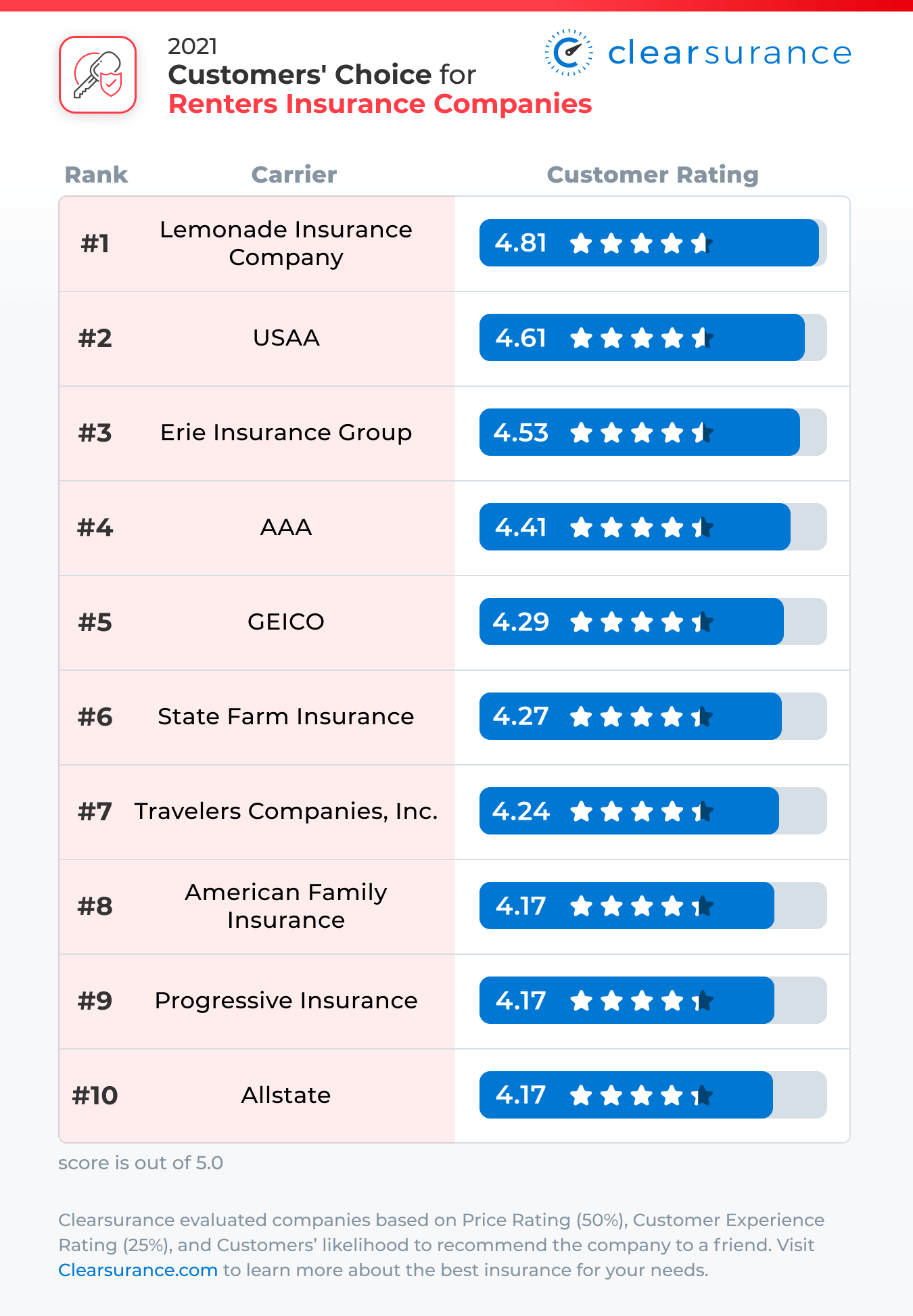
While the “best” is subjective, certain companies consistently receive high marks across various independent ratings and consumer satisfaction surveys, making them strong contenders for consideration.
Large National Insurers: The Household Names
These companies benefit from extensive resources, broad coverage, and often competitive pricing due to their scale.
-
State Farm: Frequently lauded for its vast network of local agents, providing personalized service and advice. State Farm often rates highly for customer satisfaction and the availability of diverse discounts. Their financial strength is typically top-tier.
-
GEICO: Known for its aggressive online presence and competitive rates, GEICO often appeals to those who prefer managing their policies digitally. They frequently receive high marks for their mobile app and ease of online interaction, making them a strong choice for the tech-savvy budget-conscious consumer.
-
Progressive: An innovator in telematics (e.g., Snapshot program), Progressive often appeals to drivers willing to share their driving data for potentially lower premiums. They offer a wide range of discounts and coverage options, making them versatile.
-
Allstate: With a strong agent presence, Allstate emphasizes personalized advice and a robust claims process. They often rank well for customer interaction and the effectiveness of their claims handling.
-
Farmers: Offering comprehensive coverage options and a focus on local agent support, Farmers appeals to those seeking a more traditional, advisory relationship with their insurer.
Regional and Niche Insurers: Tailored Excellence
Some companies excel by focusing on specific markets or demographics, often achieving exceptional satisfaction within their niche.
-
USAA: Consistently ranked among the absolute best for customer satisfaction and claims service, USAA exclusively serves military members, veterans, and their families. Their dedication to this specific demographic allows for highly tailored services and often unparalleled loyalty. For eligible individuals, USAA often represents the pinnacle of car insurance value and service.
-
Amica Mutual: Known for its stellar customer service and often paying dividends to policyholders, Amica frequently earns top scores in J.D. Power surveys for overall customer satisfaction, particularly for its claims process. While potentially not the cheapest, their value proposition lies in superior service.
The choice between direct-to-consumer models (like GEICO) and agent-based models (like State Farm or Allstate) often comes down to a personal preference for how you wish to manage your financial tools and receive advice. Direct models can offer convenience and often lower premiums, while agent-based models provide human guidance which can be invaluable for complex financial decisions.
A Personalized Approach to Finding Your “Best” Insurer
Ultimately, the “best rated” car insurance company for you will be one that meets your specific financial and coverage needs, rather than a universal recommendation. A diligent, personalized approach is essential for optimizing your personal finance.
Assess Your Individual Needs and Priorities
Begin by thoroughly evaluating your own situation:
-
Driver Profile: Your age, driving record, credit score (where permitted), vehicle type, and location all significantly impact rates.
-
Budget Constraints: Determine how much you are comfortably willing to spend on premiums versus your desired level of financial protection.
-
Coverage Requirements: Do you need minimum liability, or comprehensive coverage with all the bells and whistles? Consider your assets and risk tolerance.
-
Preferred Interaction: Do you value digital convenience, or do you prefer to have a local agent who knows your financial history and can provide personalized advice?
Leverage Comparison Tools and Quotes
Once you understand your needs, actively shop around:
-
Online Aggregators: Websites that allow you to compare quotes from multiple insurers simultaneously can save time, but always verify details directly with the insurer.
-
Direct Quotes: Obtain quotes directly from several companies, including both national and regional players.
-
Independent Agents: These professionals work with multiple insurance carriers and can help you find a policy that fits your needs and budget, acting as a financial advisor for your insurance needs.
Scrutinize Policy Details Beyond the Premium
Never choose an insurer based solely on the cheapest premium. Delve into the specifics:
-
Deductibles and Coverage Limits: Understand how these impact your out-of-pocket costs and overall financial exposure. A lower premium might come with a much higher deductible, meaning greater initial costs if you file a claim.
-
Exclusions and Riders: Be aware of what is not covered and if any specific riders might be beneficial for your situation.
-
Understand What You’re Paying For: Ensure the policy truly provides the financial protection you expect.
Read Reviews and Consult Financial Experts
Beyond marketing materials, glean insights from real experiences:
-
Customer Reviews: While individual reviews can be biased, trends in reviews across different platforms (e.g., BBB, Google Reviews, specialized insurance review sites) can highlight common strengths and weaknesses.
-
Financial Advisors: For a holistic financial plan, consulting an independent financial advisor can help integrate your insurance decisions into your broader financial strategy.
Regular Review and Adjustment
Your car insurance needs are not static. Life changes—such as getting married, buying a new car, moving to a new area, or improving your driving record—can all impact your rates and coverage requirements. Make it a practice to:
-
Shop Around Annually: Get fresh quotes every year or two to ensure you are still getting the best value. Loyalty can sometimes be rewarded, but often, new customer incentives elsewhere provide greater savings.
-
Adjust Coverage as Needed: As your financial situation evolves, so should your insurance. You might increase liability limits as your assets grow or reduce comprehensive coverage on an older vehicle.
By adopting a disciplined, financially savvy approach to evaluating car insurance companies, you move beyond the generic “best rated” label to find the insurer that truly offers the best financial value and protection for your unique circumstances. This proactive management of your insurance is a fundamental aspect of sound personal finance.
aViewFromTheCave is a participant in the Amazon Services LLC Associates Program, an affiliate advertising program designed to provide a means for sites to earn advertising fees by advertising and linking to Amazon.com. Amazon, the Amazon logo, AmazonSupply, and the AmazonSupply logo are trademarks of Amazon.com, Inc. or its affiliates. As an Amazon Associate we earn affiliate commissions from qualifying purchases.