
Navigating the landscape of insurance can seem daunting, but understanding where and how to acquire the right coverage is a cornerstone of sound personal finance. Insurance serves as a vital protective shield, safeguarding your assets, income, and overall financial well-being against unforeseen events. Identifying the appropriate channels and understanding the various types of providers are critical steps in building a resilient financial plan.
Understanding Your Insurance Needs
Before exploring where to get insurance, it’s essential to first identify what kind of protection you genuinely require. Insurance isn’t a one-size-fits-all product; it’s a personalized solution designed to mitigate specific risks. A thorough assessment of your life stage, assets, liabilities, income, and dependents will dictate the types and levels of coverage necessary.
Why Insurance is a Financial Cornerstone
Insurance acts as a financial safety net, transferring the risk of significant financial loss from an individual to an insurer in exchange for regular premium payments. Without adequate coverage, a single catastrophic event—such as a serious illness, a car accident, or a house fire—could decimate savings, lead to insurmountable debt, or severely impact your future financial stability. It provides peace of mind, allowing individuals and families to recover financially without enduring severe hardship.
Assessing Your Risk Profile
Your personal circumstances determine your risk profile. A young, single individual renting an apartment will have vastly different insurance needs compared to a married couple with children, a mortgage, and multiple vehicles. Consider:
-
Health: Do you have pre-existing conditions? Is your family prone to certain illnesses?
-
Dependents: Who relies on your income?
-
Assets: What property do you own (home, car, valuable possessions)?
-
Lifestyle: Do you engage in high-risk hobbies? Do you travel frequently?
-
Debt: What financial obligations do you have that would need to be covered in your absence or during an inability to work?
-
Employment: Does your employer offer benefits?
Answering these questions forms the basis for determining which types of insurance are most pertinent to your situation.
Key Channels for Acquiring Insurance
Once you’ve identified your needs, the next step is to understand the primary avenues through which insurance can be purchased. Each channel offers distinct advantages and caters to different preferences.
Direct Insurers (Online & Offline)
Many insurance companies sell policies directly to consumers, bypassing intermediaries. This can be done through their official websites, dedicated phone lines, or brick-and-mortar offices.
-
Advantages: Often streamlines the process, potentially leading to lower premiums due to reduced commission costs. Offers direct access to the insurer’s customer service and claims departments.
-
Best for: Consumers who are comfortable researching policies independently, understand their needs clearly, and prefer a direct relationship with a single provider.
Independent Insurance Agents & Brokers
Independent agents and brokers represent multiple insurance companies. They can shop around on your behalf, comparing quotes and coverage options from various providers to find the best fit for your needs and budget.
-
Advantages: Provide personalized advice, help navigate complex policy terms, and can often find unique or specialized coverage. They act as your advocate during the application and claims process.
-
Best for: Individuals seeking personalized guidance, those with complex insurance needs, or those who prefer to have an expert handle the comparison shopping.
Captive Agents
Unlike independent agents, captive agents work exclusively for one insurance company. They are experts in that company’s specific product offerings.
-
Advantages: Deep knowledge of a single insurer’s policies, potentially leading to a more focused and streamlined experience if you are already set on a particular company.
-
Best for: Consumers loyal to a specific insurer or those whose needs are perfectly met by a single provider’s offerings.
Workplace Benefits
Many employers offer a suite of insurance benefits as part of their compensation package, often at a group rate that is more affordable than individual policies.
-
Advantages: Convenient, often subsidized by the employer, and usually requires minimal underwriting. Common benefits include health, life, and disability insurance.
-
Best for: Employees looking for convenient and often cost-effective coverage for common insurance types.
Government Programs
Certain government programs provide insurance for specific populations or circumstances.
-
Advantages: Designed to fill gaps where private insurance may be unavailable or unaffordable.
-
Best for: Eligible individuals who meet specific criteria for programs like Medicare, Medicaid, or state-run health insurance marketplaces.
Specific Types of Insurance and Their Providers
Different insurance types are typically acquired through specialized providers or specific marketplaces.
Health Insurance
-
Employer-Sponsored Plans: The most common way to get health insurance. Employers typically offer a choice of plans (HMO, PPO, HDHP) with varying deductibles, co-pays, and networks.
-
Health Insurance Marketplaces (ACA): For individuals and families who don’t have access to employer-sponsored plans, these state or federal marketplaces (healthcare.gov) allow you to compare and enroll in plans, often with subsidies based on income.
-
Direct from Insurers: You can purchase plans directly from health insurance companies outside the marketplace, though you won’t be eligible for premium subsidies this way.
-
Government Programs:
-
Medicare: Federal health insurance primarily for people 65 or older, some younger people with disabilities, and people with End-Stage Renal Disease.
-
Medicaid: A joint federal and state program that helps with medical costs for some people with limited income and resources.
-
Life Insurance
-
Independent Agents/Brokers: Highly recommended for life insurance as they can compare term, whole, universal, and variable life policies from numerous carriers, tailoring a solution to your specific financial planning goals.
-
Direct Insurers: Some companies offer term life policies directly online, which can be convenient for straightforward needs.
-
Financial Planners: Often work with insurance agents or are licensed themselves to integrate life insurance into a broader financial strategy.
-
Workplace Benefits: Group life insurance is a common employer benefit, usually offering basic coverage.

Auto Insurance
-
Direct Insurers (Online/Phone): Most major auto insurers allow you to get quotes and purchase policies directly through their websites or customer service lines.
-
Comparison Websites: Platforms like Coverhound or The Zebra allow you to enter your information once and receive multiple quotes from various insurers, simplifying the comparison process.
-
Agents/Brokers: Both independent and captive agents can help you find suitable auto insurance, often identifying discounts you might miss.
Homeowners/Renters Insurance
-
Direct Insurers: Many prominent insurers offer homeowners and renters insurance directly.
-
Agents/Brokers: Particularly useful for homeowners insurance due to its complexity and the need to accurately assess property value and potential risks.
-
Bundling Options: Many insurers offer discounts if you bundle homeowners or renters insurance with your auto insurance policy, often a cost-effective strategy.
Disability Insurance
-
Employer-Sponsored: Short-term and long-term disability are common workplace benefits, providing income replacement if you’re unable to work due to illness or injury.
-
Private Insurers (Agents/Brokers): If employer coverage is insufficient or unavailable, private disability insurance can be purchased through agents specializing in this area.
Long-Term Care Insurance
-
Specialized Insurers: Long-term care insurance is a specialized product often sold by insurers focusing on retirement and health solutions.
-
Financial Advisors: Often have expertise in long-term care planning and can guide you through the options.
Leveraging Financial Tools and Resources
In the digital age, numerous tools and resources can simplify the process of finding and comparing insurance.
Online Comparison Platforms
Websites designed to compare insurance quotes for auto, home, and sometimes life insurance have revolutionized the shopping experience. These platforms gather information from various providers, allowing for quick, side-by-side comparisons of premiums, deductibles, and coverage limits. While convenient, always verify the details directly with the insurer before purchasing.
Financial Advisors and Planners
A trusted financial advisor can provide invaluable guidance on integrating insurance into your overall financial plan. They help assess risks, determine appropriate coverage amounts, and recommend suitable types of insurance based on your long-term goals. While some may be licensed to sell insurance, their primary role is to offer holistic financial advice.
Industry Associations and Educational Resources
Organizations such as the National Association of Insurance Commissioners (NAIC) or consumer advocacy groups offer extensive educational materials. These resources can help you understand insurance terminology, consumer rights, and best practices for selecting policies.
Making an Informed Decision
Acquiring insurance is a significant financial decision that requires careful consideration beyond just the premium cost.
Comparing Quotes and Coverage
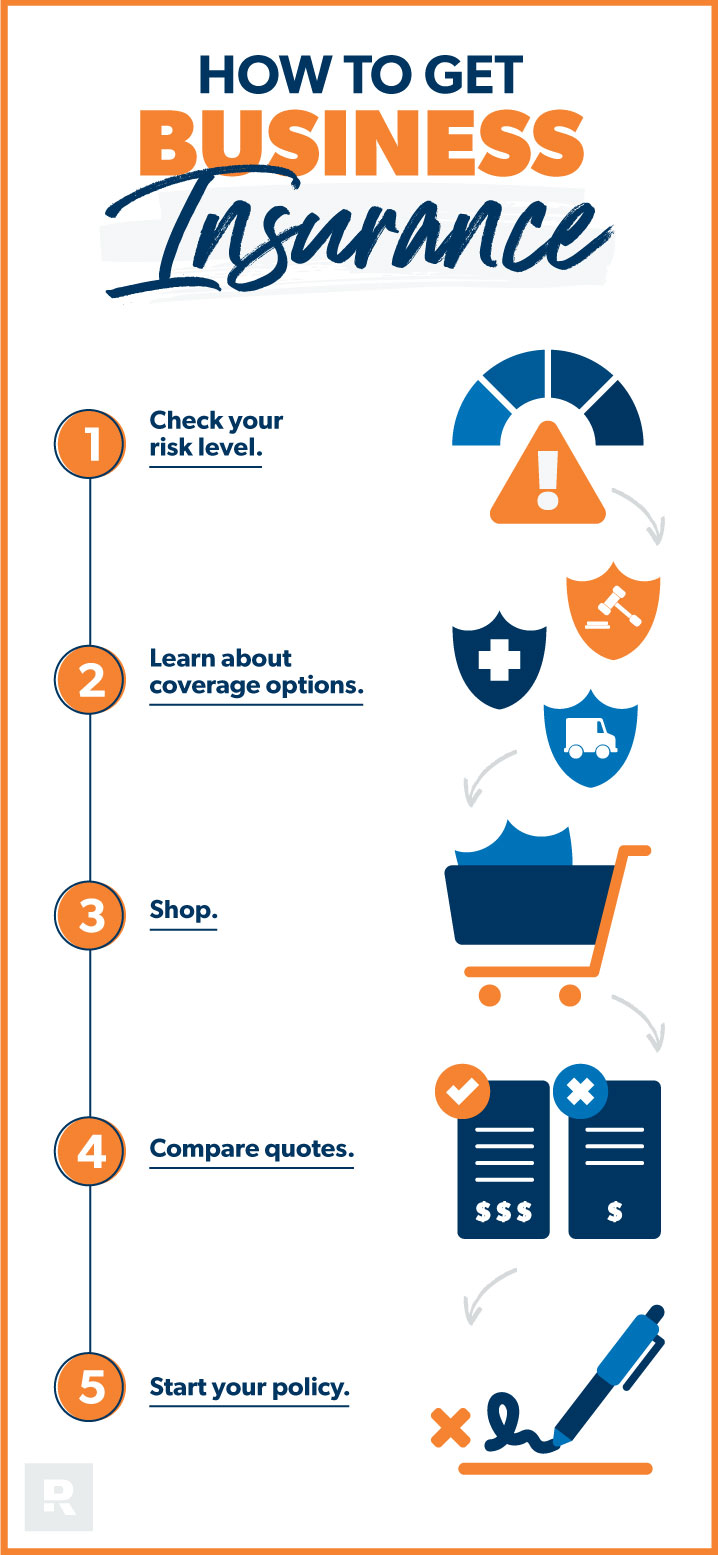
Always obtain multiple quotes for the same type and level of coverage from various providers. However, don’t just focus on the lowest price. Scrutinize the policy details to ensure that the coverage limits, deductibles, exclusions, and terms are comparable and meet your specific needs. A cheaper policy with insufficient coverage can be more costly in the long run.
Understanding Policy Terms and Exclusions
Read the policy document thoroughly. Pay close attention to the “declarations page,” which summarizes your coverage, and the “exclusions” section, which outlines what the policy does not cover. If anything is unclear, ask questions until you fully comprehend the terms. Ignorance of policy specifics can lead to unwelcome surprises during a claim.
Reading Reviews and Checking Ratings
Investigate the reputation of potential insurers. Look at customer reviews for their claims handling process, customer service, and overall satisfaction. Financial strength ratings from agencies like A.M. Best, Standard & Poor’s, Moody’s, or Fitch can also indicate an insurer’s ability to meet its financial obligations, including paying out claims.

Reviewing Policies Periodically
Your insurance needs are not static. Life events such as marriage, childbirth, purchasing a home, changing jobs, or retirement warrant a review of your existing policies. What was adequate coverage five years ago might be insufficient today. Regular reviews, ideally annually or after any significant life change, ensure your insurance portfolio remains aligned with your current circumstances and financial goals.
By understanding where to look, what to consider, and how to make informed choices, you can effectively secure the insurance coverage necessary to protect your financial future.
aViewFromTheCave is a participant in the Amazon Services LLC Associates Program, an affiliate advertising program designed to provide a means for sites to earn advertising fees by advertising and linking to Amazon.com. Amazon, the Amazon logo, AmazonSupply, and the AmazonSupply logo are trademarks of Amazon.com, Inc. or its affiliates. As an Amazon Associate we earn affiliate commissions from qualifying purchases.