
Understanding eligibility for health coverage under the Affordable Care Act (ACA), often referred to as Obamacare, is a critical component of personal financial planning for millions. For individuals and families, determining access to these plans and associated financial assistance can significantly impact household budgets, healthcare spending, and overall financial security. This article delves into the specific criteria that dictate who qualifies for coverage through the Health Insurance Marketplace and the crucial financial aid available to make healthcare more affordable.
The Financial Bedrock of Eligibility: Income and Household Dynamics
At the core of Obamacare eligibility lies an individual’s income and the composition of their household. These two factors directly determine not only the ability to enroll in a Marketplace plan but also the extent of financial subsidies available, making them central to a household’s financial health.

The Federal Poverty Level (FPL) Benchmark
The Federal Poverty Level (FPL) serves as the primary benchmark for eligibility for premium tax credits and cost-sharing reductions. Each year, the Department of Health and Human Services (HHS) updates these income thresholds, which vary based on household size. Eligibility for financial assistance through the ACA Marketplace is generally extended to individuals and families with incomes between 100% and 400% of the FPL.
For those with incomes below 100% FPL, traditional Medicaid expansion often becomes the primary pathway to coverage, particularly in states that have expanded their programs. In non-expansion states, individuals below 100% FPL might fall into a “coverage gap,” lacking eligibility for both Medicaid and Marketplace subsidies, which poses a significant financial challenge for these low-income households. Understanding where your income falls relative to the FPL is the first step in assessing potential financial relief for healthcare costs.
Modified Adjusted Gross Income (MAGI) Explained
Eligibility for premium tax credits and, in many states, Medicaid, is based on your Modified Adjusted Gross Income (MAGI). This isn’t just your gross income; it’s a specific calculation that starts with your Adjusted Gross Income (AGI) from your federal income tax return, with certain deductions added back. Key components often include:
-
Taxable wages and salaries
-
Self-employment income
-
Social Security benefits (taxable portion)
-
IRA distributions (taxable portion)
-
Rental and royalty income
-
Interest and dividends
-
Capital gains
It’s crucial for financial planning to accurately estimate your MAGI for the upcoming year, as this figure directly dictates the amount of financial assistance you may receive. Under-estimating could lead to receiving insufficient subsidies, straining your budget, while over-estimating could result in owing money back to the IRS at tax time. Financial tools and calculators on the HealthCare.gov website can assist in this estimation, providing a vital resource for proactive financial management.
Household Composition and Its Financial Implications
Your household size directly impacts your FPL percentage and, consequently, your eligibility for subsidies. The ACA defines a household based on the individuals you include on your federal income tax return. This typically includes:
-
Yourself
-
Your spouse (if married and filing jointly)
-
Anyone you claim as a tax dependent
Changes in household size—due to marriage, divorce, birth, adoption, or a dependent moving out—can significantly alter your FPL percentage and subsidy eligibility. These life events are not just personal changes; they are financial events that necessitate re-evaluating your health coverage and financial assistance, potentially triggering a Special Enrollment Period (SEP). Neglecting to update your Marketplace application after such changes can lead to incorrect subsidy amounts, creating either a financial burden or an unexpected tax liability.
Beyond Income: Citizenship, Residency, and Coverage Exclusions
While income is paramount, other fundamental criteria must be met for Obamacare eligibility. These requirements ensure that the system serves its intended population and prevents duplicate coverage or misuse of financial aid.
Lawful Presence Requirements
To enroll in a Marketplace health plan and qualify for financial assistance, individuals must be lawfully present in the United States. This includes U.S. citizens, U.S. nationals, and a wide range of lawfully present immigrants. Examples of lawfully present individuals include:
-
Those with green cards (lawful permanent residents)
-
Refugees and asylees
-
Individuals with work visas (H1B, L1, etc.)
-
Students with F-1 visas (under certain conditions)
-
Individuals with Temporary Protected Status (TPS)
Undocumented immigrants are generally not eligible to enroll in Marketplace plans or receive financial subsidies. This distinction is vital for immigrant communities, as it dictates access to affordable care and impacts their financial planning for medical expenses.
State Residency Mandates
Applicants must reside in the state where they are applying for coverage through that state’s Health Insurance Marketplace. This is a practical requirement, as health insurance networks are typically organized by state and specific regions within states. Moving to a new state is considered a Qualifying Life Event (QLE) that triggers a Special Enrollment Period, allowing individuals to enroll in a new plan within their new state of residence. Failing to update residency can lead to coverage issues and complicate financial management of healthcare, especially if out-of-network costs are incurred.
Incarceration Exclusions
Individuals who are currently incarcerated, other than awaiting disposition of charges, are not eligible for Marketplace health plans or financial assistance. This exclusion simplifies the system by recognizing that incarcerated individuals typically receive healthcare through the correctional facility. This is a clear demarcation that removes a segment of the population from the financial considerations of Marketplace enrollment.
Navigating Existing Coverage and Financial Overlap
A key aspect of Obamacare eligibility revolves around whether an individual already has access to other forms of comprehensive, affordable health coverage. The ACA is designed to provide options for those without viable alternatives, not to replace existing adequate coverage.
Employer-Sponsored Health Plans
If you have access to “affordable” and “minimum value” health coverage through your employer, or your spouse’s employer, you are generally not eligible for premium tax credits through the Marketplace. An employer plan is considered “affordable” if the employee’s share of the premium for self-only coverage is no more than a certain percentage (adjusted annually) of their household income. It meets “minimum value” if it covers at least 60% of the total allowed cost of benefits expected to be incurred under the plan.
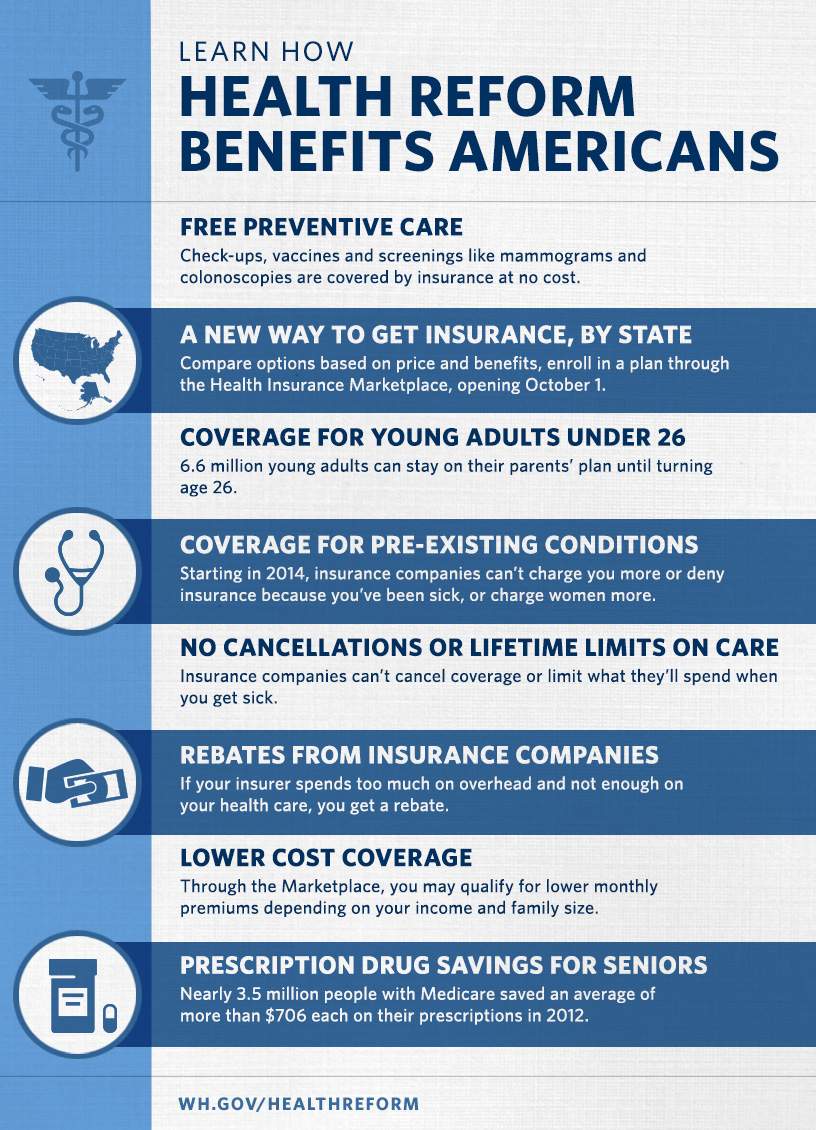
This “firewall” prevents individuals from double-dipping on government subsidies and reinforces the employer-sponsored system. However, if employer-sponsored coverage is deemed unaffordable or doesn’t meet minimum value, then Marketplace subsidies might become available, presenting a critical financial alternative for employees struggling with high premiums or inadequate benefits. Careful analysis of employer plan costs versus potential Marketplace savings, including tax credit implications, is a complex but necessary financial exercise for many.
Medicare and Medicaid Eligibility Overlap
Individuals who are eligible for Medicare, either due to age (65+) or disability, are generally not eligible to purchase plans or receive subsidies through the ACA Marketplace. Medicare is considered primary coverage, and the Marketplace is not intended to supplement or replace it. Similarly, those who are eligible for Medicaid in their state—which often has lower income thresholds than Marketplace subsidies—typically cannot receive premium tax credits for a Marketplace plan.
There can be nuanced situations, such as individuals losing Medicaid eligibility due to a slight income increase, who then transition to Marketplace plans with subsidies. Understanding these transitions is vital for seamless financial planning for healthcare, preventing gaps in coverage or unnecessary expenses.
TRICARE and VA Benefits
Members of the U.S. military, veterans, and their families who are eligible for TRICARE or VA healthcare benefits are also generally not eligible for Marketplace subsidies. These government-sponsored programs are considered comprehensive coverage options. Individuals may still be able to purchase a Marketplace plan if they choose, but they would do so without financial assistance. This highlights the government’s aim to avoid redundant financial support for healthcare.
Financial Assistance: Premium Tax Credits and Cost-Sharing Reductions
The primary financial tools offered through Obamacare to make healthcare affordable are Premium Tax Credits (PTCs) and Cost-Sharing Reductions (CSRs). These subsidies are directly linked to income and are essential for many households to manage their healthcare expenditures.
Premium Tax Credits (APTC)
Advanced Premium Tax Credits (APTCs) are government subsidies that reduce the monthly premiums for health insurance plans purchased through the Marketplace. These credits are paid directly to your insurance company on your behalf, lowering your out-of-pocket monthly cost. The amount of your APTC is based on your estimated household income for the year, your household size, and the cost of the second-lowest-cost Silver plan available in your area.
For financial planning, it’s crucial to accurately estimate your annual income, as any discrepancy between your estimated income and actual income can result in a reconciliation at tax time. If you received too much in APTCs, you might owe money back to the IRS; if you received too little, you might get an additional tax refund. Regular updates to your Marketplace application if your income changes are a sound financial practice.
Cost-Sharing Reductions (CSRs)
Cost-Sharing Reductions (CSRs) are an additional form of financial assistance designed to lower out-of-pocket costs like deductibles, co-payments, and co-insurance. Unlike premium tax credits, CSRs are only available if you enroll in a Silver-level plan. Eligibility for CSRs is tied to lower income thresholds, typically for those with MAGI between 100% and 250% of the FPL.
CSRs effectively make Silver plans more generous for eligible individuals, often giving them the benefits of a Gold or even Platinum plan at a Silver plan’s premium. This can translate into significant financial savings when accessing medical care, protecting against high out-of-pocket expenses and providing a stronger financial safety net. For individuals within these income brackets, choosing a Silver plan with CSRs is often the most financially savvy decision.
How Financial Aid Impacts Your Budget
The availability of APTCs and CSRs can dramatically alter a household’s financial outlook regarding healthcare. Without these subsidies, health insurance premiums and out-of-pocket costs can be prohibitively expensive, leading many to forgo coverage and risk catastrophic medical debt. By providing a structured system of financial aid based on income, the ACA aims to integrate healthcare costs into a manageable personal budget, reducing financial stress and promoting access to essential services. Understanding and leveraging these financial tools is key to making informed decisions about your family’s health and financial future.
Navigating Special Enrollment Periods and Life Changes
Life is dynamic, and personal financial situations are rarely static. The ACA recognizes this through Special Enrollment Periods (SEPs), which allow individuals to enroll in or change their health plans outside the annual Open Enrollment Period due to specific Qualifying Life Events. These events are not just personal milestones; they are financial triggers that necessitate a review of health coverage.
Qualifying Life Events
SEPs are granted for a limited time (usually 60 days) following certain QLEs. These events are crucial for maintaining continuous coverage and adjusting financial aid as circumstances change. Examples of QLEs that can impact your financial eligibility for Obamacare include:
-
Changes in residence: Moving to a new county or state where different plans are available. This impacts network access and potentially plan costs.
-
Changes in household size: Getting married, divorced, having a baby, or adopting a child. These directly alter MAGI and FPL calculations for the household.
-
Loss of other health coverage: Losing job-based coverage, expiring COBRA, or aging off a parent’s plan. This means a new primary source of coverage and financial planning is needed.
-
Changes in income affecting eligibility for financial assistance: A significant income increase or decrease that affects your eligibility for premium tax credits or Medicaid. This requires an immediate update to ensure correct subsidies.
-
Becoming a U.S. citizen or lawfully present immigrant: Gaining eligibility to the Marketplace.
Each of these events has direct financial implications, either by changing your subsidy eligibility or by necessitating a change in plans to avoid higher costs or maintain network access.
Proactive Financial Planning
For those relying on ACA plans and subsidies, proactive financial planning is paramount. This involves:
-
Estimating income accurately: Regularly review and update your estimated MAGI, especially if you have variable income from self-employment, bonuses, or temporary work.
-
Budgeting for out-of-pocket costs: Even with CSRs, plans have deductibles, co-pays, and co-insurance. Incorporate these potential expenses into your monthly or annual budget.
-
Reviewing plans annually: During Open Enrollment, reassess whether your current plan still meets your financial and medical needs. Premiums, deductibles, and network providers can change year-to-year.
-
Understanding tax implications: Be prepared for potential reconciliation of premium tax credits at tax time. Keep good records of income and health coverage changes throughout the year.

Tools for Enrollment
The Health Insurance Marketplace (HealthCare.gov or state-run exchanges) provides robust online tools to help individuals assess their eligibility and estimate financial assistance. These include:
-
Eligibility calculators: Input your income and household size to get an estimate of your FPL percentage and potential subsidies.
-
Plan comparison tools: Compare plans side-by-side, detailing premiums, deductibles, co-pays, and estimated out-of-pocket maximums.
-
Application assistance: Navigators and certified assisters are available to help individuals understand their options and complete the application process, providing invaluable guidance for complex financial situations.
Utilizing these resources is a smart financial move, ensuring you maximize your eligibility for assistance and select a plan that aligns with your budget and healthcare needs. By understanding the intricacies of Obamacare eligibility, individuals and families can navigate the healthcare landscape more effectively, secure necessary coverage, and safeguard their financial well-being.
aViewFromTheCave is a participant in the Amazon Services LLC Associates Program, an affiliate advertising program designed to provide a means for sites to earn advertising fees by advertising and linking to Amazon.com. Amazon, the Amazon logo, AmazonSupply, and the AmazonSupply logo are trademarks of Amazon.com, Inc. or its affiliates. As an Amazon Associate we earn affiliate commissions from qualifying purchases.