
Navigating the complexities of retirement planning can feel like a daunting task, yet it’s an essential journey for securing your financial future. A key tool in this process is the pension calculator, designed to help individuals project their potential retirement income, assess their savings progress, and make informed decisions. But with a myriad of options available, the critical question arises: “Which pension calculator is right for me?” The answer hinges on understanding your specific needs, the features various tools offer, and how to effectively utilize them to illuminate your path to financial independence in retirement.
Understanding Your Need for a Pension Calculator
Before diving into specific tools, it’s crucial to grasp the fundamental role a pension calculator plays in personal finance. These instruments are not merely mathematical engines; they are strategic planning aids that empower you to visualize your future and take proactive steps today.
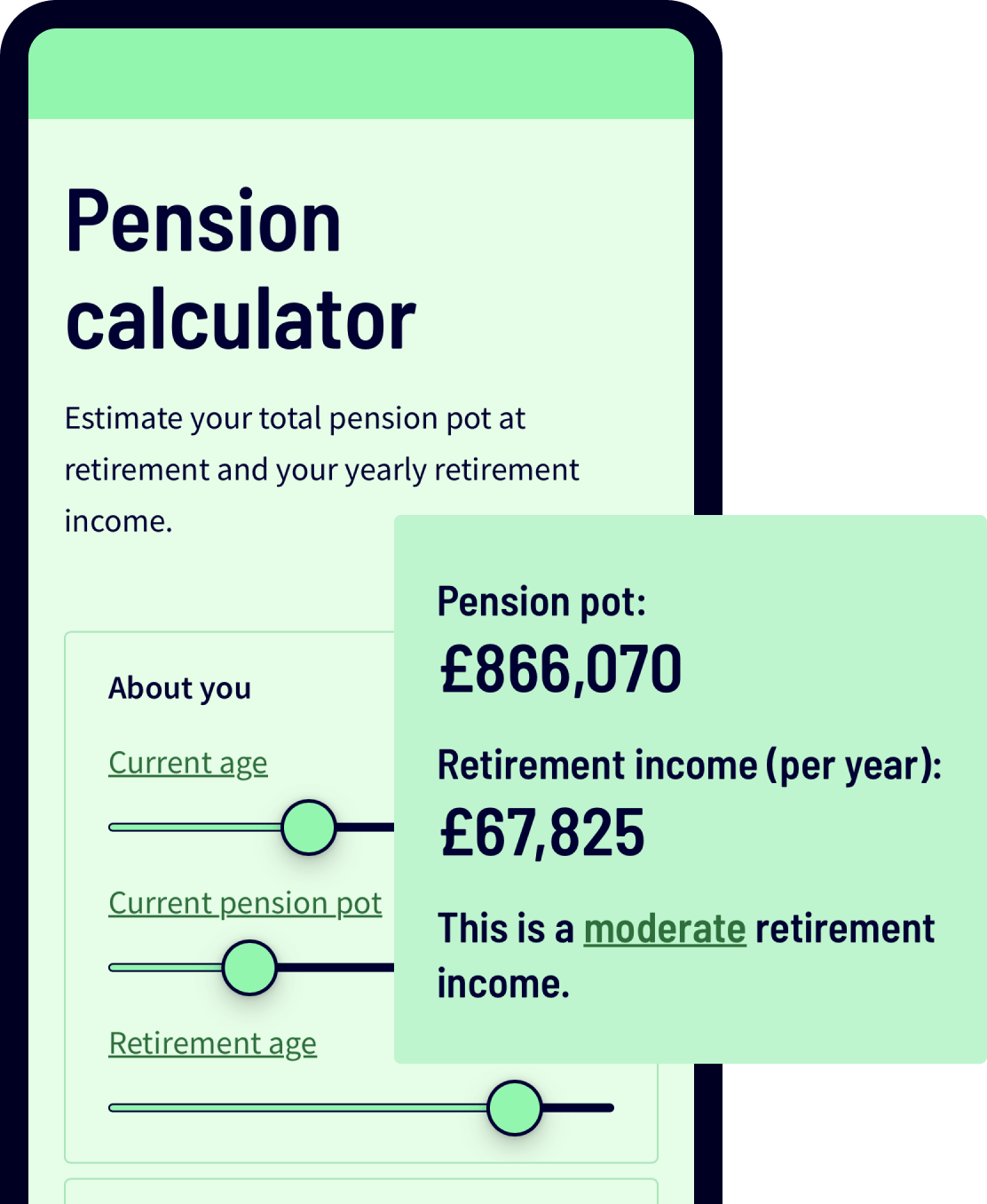
Why Estimate Your Retirement Income?
Estimating your retirement income serves multiple vital purposes. Firstly, it provides a realistic snapshot of what your financial life might look like post-employment. This foresight helps you determine if your current savings rate and investment strategies are sufficient to meet your desired lifestyle. Without such an estimate, retirement planning becomes a blind endeavor, risking either over-saving (and thus unnecessarily sacrificing current quality of life) or, more commonly, under-saving, leading to financial strain in later years.
Secondly, an income estimate allows for course correction. If projections reveal a shortfall, you can identify the gap early enough to adjust contributions, re-evaluate investment risks, or explore alternative income streams for retirement. Conversely, if you’re on track or even ahead, it offers peace of mind and the flexibility to reallocate funds or consider earlier retirement. Finally, these estimates are foundational for setting concrete, actionable financial goals, transforming abstract aspirations into measurable targets.
What a Pension Calculator Can (and Cannot) Do
A pension calculator is a powerful estimation tool. It can project potential future income based on inputs such as your current age, desired retirement age, current savings, annual contributions, expected investment returns, and inflation rates. Many advanced calculators also factor in different pension types (e.g., defined benefit, defined contribution), Social Security benefits, and other income sources like annuities or rental properties. They can illustrate the impact of various “what-if” scenarios, such as retiring earlier or later, increasing contributions, or experiencing different market returns.
However, it’s equally important to understand their limitations. Calculators provide estimates based on assumptions, not guarantees. Market performance, inflation, tax laws, and even your personal health and spending habits can deviate significantly from projections. They typically do not account for unforeseen life events, complex estate planning considerations, or highly personalized financial strategies that a human financial advisor would provide. A calculator is a quantitative aid, excellent for numerical projections, but it lacks the qualitative judgment and holistic financial planning perspective of a certified professional.
Key Features to Look for in a Pension Calculator
The effectiveness of a pension calculator is largely determined by its features and how well they align with your specific financial situation and planning depth. Not all calculators are created equal, and discerning the critical functionalities can help you select the most appropriate tool.
Comprehensive Input Fields
A robust calculator will offer a wide array of input fields, allowing for a highly personalized projection. Beyond basic age and income, look for options to include:
-
Current Savings & Investments: Breakdown by account type (401k, IRA, taxable accounts, etc.).
-
Contribution Details: Current annual contributions, potential for increasing contributions over time.
-
Expected Returns: Customizable rates for different asset classes.
-
Inflation Assumptions: Adjustable rates for general inflation and healthcare inflation.
-
Retirement Expenses: Current spending, desired retirement spending, and adjustments for future changes (e.g., housing costs, travel).
-
Other Income Sources: Social Security, pensions (defined benefit), rental income, part-time work during retirement.
-
Tax Considerations: Ability to model pre-tax vs. post-tax contributions and withdrawals.
Scenario Planning and Sensitivity Analysis
The future is uncertain, and a good calculator acknowledges this by allowing you to test various outcomes. Look for features that enable:
-
“What-If” Scenarios: Instantly see the impact of retiring five years earlier/later, increasing contributions by a certain percentage, or achieving higher/lower investment returns.
-
Monte Carlo Simulations: Advanced tools might offer Monte Carlo simulations, which run hundreds or thousands of randomized market scenarios to provide a probability of success for your retirement plan. This offers a more nuanced understanding of risk than single-point projections.
-
Sensitivity Analysis: Understand which variables have the most significant impact on your retirement outcome (e.g., is your plan more sensitive to investment returns or inflation?).
Integration with Other Financial Data
Some advanced platforms offer calculators integrated within a broader financial planning suite. This can be incredibly convenient, as it might automatically pull in data from your linked accounts, investment portfolios, and even budgeting tools. Such integration reduces manual data entry, minimizes errors, and provides a more cohesive view of your financial landscape. However, be mindful of the trade-offs in terms of data security and privacy when linking multiple financial accounts.
User-Friendliness and Accessibility
Even the most sophisticated calculator is useless if it’s too complex to navigate. Prioritize tools with:
-
Intuitive Interface: Clear, well-organized input fields and easy-to-understand output graphs and charts.
-
Helpful Explanations: Hover-over tips, FAQs, or integrated educational content explaining financial terms and assumptions.
-
Mobile Responsiveness: Ability to access and use the calculator effectively on various devices.
Data Security and Privacy
Since you’ll be inputting sensitive financial information, ensure the calculator provider adheres to robust data security protocols. Look for encryption, privacy policies, and clear statements on how your data is used and protected. For online tools, a secure connection (HTTPS) is non-negotiable.
Types of Pension Calculators Available
The landscape of pension calculators is diverse, ranging from basic online widgets to sophisticated software. Understanding the different types can help narrow your search based on reliability, depth, and accessibility.
Government-Provided Calculators
Many national governments offer free, non-biased retirement income calculators. For instance, in the U.S., the Social Security Administration provides a calculator to estimate your Social Security benefits. Similarly, government agencies often provide general retirement planning tools.
-
Pros: Generally reliable, free, unbiased, often include country-specific pension/benefit rules.
-
Cons: May lack personalized investment assumptions, typically focus on governmental benefits rather than a holistic financial picture, can be less interactive.
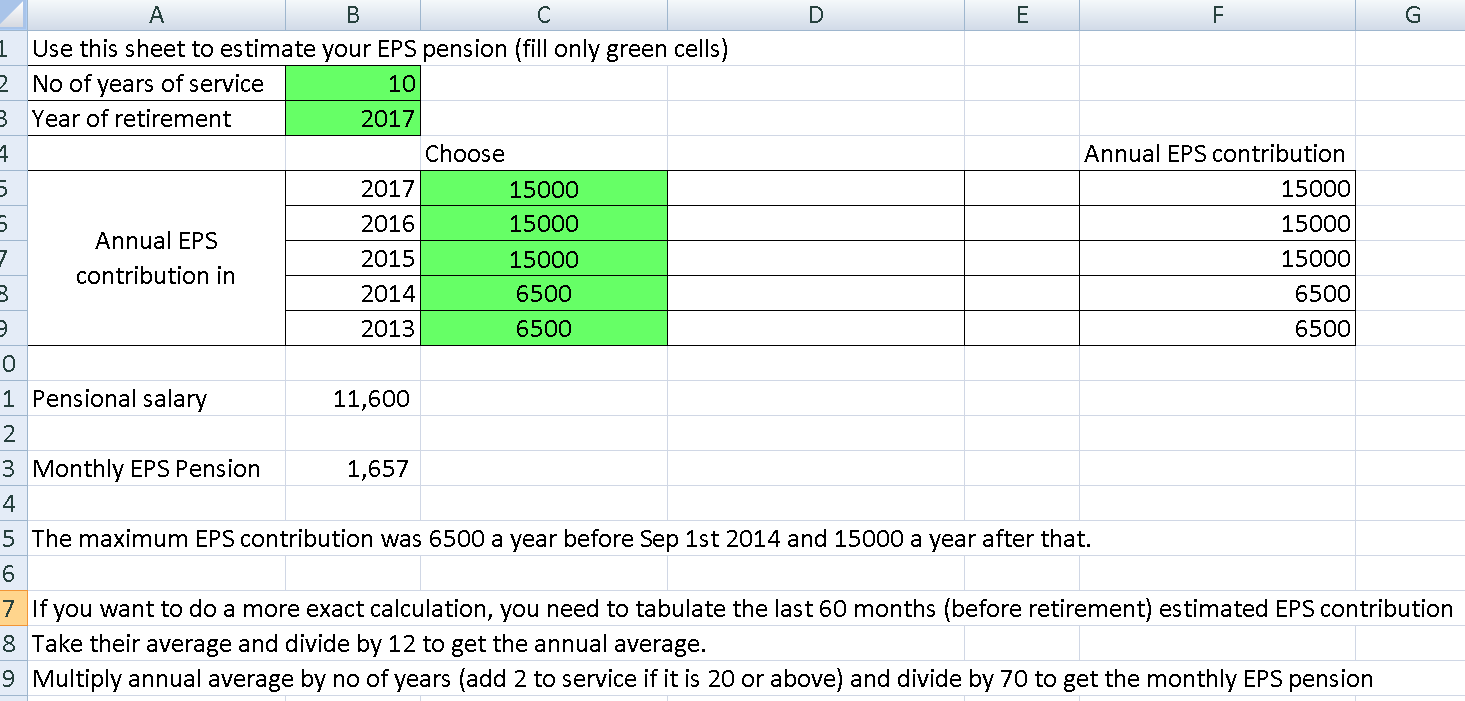
Financial Institution Calculators
Banks, brokerages, and mutual fund companies frequently offer free retirement calculators as a service to prospective and current clients. These tools are often integrated with their investment platforms.
-
Pros: Can be highly detailed, may offer integration with your existing accounts (if you’re a client), often include educational resources.
-
Cons: May subtly push their own products or investment philosophies, might require an account to access advanced features.
Independent Financial Planning Tools
A growing number of fintech companies and independent financial planning websites offer free or subscription-based retirement calculators. These range from simple widgets to comprehensive planning software.
-
Pros: Can be very robust, offer advanced features (e.g., Monte Carlo simulations), often unbiased regarding specific financial products.
-
Cons: Free versions may have limited functionality, subscription models can be costly, quality and reliability vary widely.
Employer-Specific Tools
If you have an employer-sponsored retirement plan (like a 401k or 403b), your plan administrator or employer’s HR portal might offer a dedicated calculator.
-
Pros: Highly accurate for your specific employer plan, can show the impact of different contribution rates and matching schemes, often integrated with your payroll data.
-
Cons: Limited to your employer’s plan, won’t provide a holistic view of all your retirement assets or external income sources.
Top Considerations When Choosing a Calculator
Making the final selection involves weighing several factors unique to your situation and preferences.
Accuracy and Data Sources
The accuracy of any calculator is directly proportional to the quality of its underlying data and algorithms. For government or well-established financial institutions, the data sources and actuarial assumptions are typically transparent and reliable. For independent tools, investigate their methodology. Does it use up-to-date inflation rates, life expectancy tables, and tax rules? A calculator that allows you to customize key assumptions (like expected investment returns or inflation) empowers you to test various realistic scenarios.
Customization for Your Specific Situation
Your financial journey is unique, and the best calculator will reflect that. If you have complex assets (e.g., multiple pensions, rental properties, a small business), you’ll need a calculator capable of incorporating these diverse income streams. If you anticipate significant life changes, such as early retirement or a career shift, ensure the tool allows for these variables. A highly customizable calculator provides a more precise and relevant projection, reducing the need for manual adjustments or mental gymnastics.
Cost (Free vs. Paid)
Many excellent basic pension calculators are available for free. These are often sufficient for individuals with straightforward financial situations. However, for more complex needs or a desire for advanced features like Monte Carlo simulations, integrated planning, or personalized financial advice, a subscription-based tool or software might be a worthwhile investment. Evaluate whether the added features and depth justify the cost. Remember that “free” tools may still collect your data for marketing purposes, so always review privacy policies.
Support and Resources
Even with an intuitive interface, complex financial calculations can sometimes lead to questions. Does the calculator provider offer robust customer support (email, chat, phone)? Are there accompanying educational articles, FAQs, or tutorials that explain how to interpret the results and what actions to take? Comprehensive support can significantly enhance your experience and understanding, transforming the calculator from a mere tool into a valuable learning resource.
Maximizing the Value of Your Chosen Calculator
Once you’ve selected a suitable pension calculator, its true potential is unlocked by how you use it. It’s an ongoing resource, not a one-time calculation.
Gather Your Data First
Before you even open the calculator, compile all necessary financial information. This includes current balances for all retirement accounts (401k, IRA, Roth IRA, taxable brokerage accounts), defined benefit pension statements, estimated Social Security benefits, current annual contributions, expected future income, and a realistic estimate of your current and projected retirement expenses. The garbage-in, garbage-out principle applies strongly here: accurate inputs yield valuable outputs.
Run Multiple Scenarios
Don’t settle for a single projection. Use the calculator’s “what-if” features to explore various outcomes.
-
Optimistic vs. Pessimistic Market Returns: How does your plan fare if the market performs better or worse than expected?
-
Different Retirement Ages: What’s the impact of retiring a few years earlier or later?
-
Increased/Decreased Contributions: How much more (or less) do you need to save to meet your goals?
-
Inflation Shocks: What if inflation is higher than anticipated for an extended period?
By running multiple scenarios, you build resilience into your plan and develop a clearer understanding of the levers you can pull.
Review and Update Regularly
Your financial situation and life circumstances are dynamic. Review and update your pension calculator projections at least once a year, or whenever a significant life event occurs (e.g., job change, marriage, birth of a child, major expense). Market performance, inflation, and changes in tax laws also warrant periodic re-evaluation. Regular updates ensure your retirement plan remains relevant and on track.

Complement with Professional Advice
While powerful, a pension calculator is a tool, not a substitute for human expertise. For complex financial situations, nuanced tax planning, estate considerations, or simply to get an objective second opinion, consult a qualified fee-only financial advisor. They can help you interpret the calculator’s results, build a holistic financial plan, and guide you through strategies that online tools cannot fully address. The combination of a robust calculator and professional guidance offers the most comprehensive approach to securing your retirement.
aViewFromTheCave is a participant in the Amazon Services LLC Associates Program, an affiliate advertising program designed to provide a means for sites to earn advertising fees by advertising and linking to Amazon.com. Amazon, the Amazon logo, AmazonSupply, and the AmazonSupply logo are trademarks of Amazon.com, Inc. or its affiliates. As an Amazon Associate we earn affiliate commissions from qualifying purchases.