
Understanding your true monthly income is more than just glancing at a single number on a paycheck; it’s a foundational pillar of personal finance, a dynamic figure that empowers budgeting, investment strategies, and long-term financial stability. For many, “monthly income” might seem straightforward, but a deeper dive often reveals a tapestry of different streams, each contributing to your overall financial capacity. Accurately assessing this figure is the first critical step toward financial mastery, enabling you to make informed decisions, identify growth opportunities, and build a resilient financial future.
Beyond the Paycheck: Deconstructing Your True Monthly Income
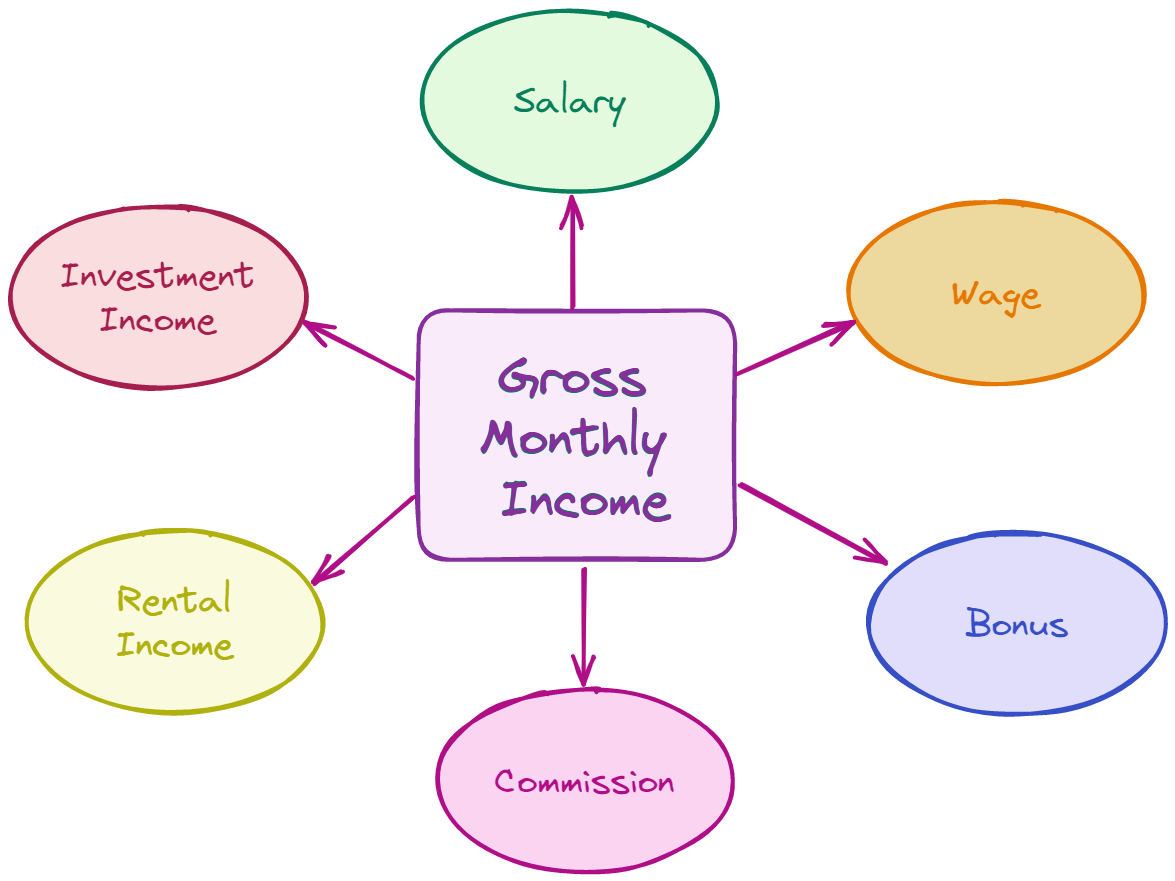
Your monthly income is rarely a monolithic sum. It’s often a composite of various earnings, some regular and predictable, others variable or supplemental. A comprehensive assessment requires meticulous attention to all sources, differentiating between gross and net, and understanding the nuances of how each income stream contributes to your financial picture.
Salary and Wages: Your Primary Contribution
For most individuals, salary or wages form the bedrock of their monthly income. This category encompasses the earnings from your primary employment and is typically the most consistent and predictable source.
-
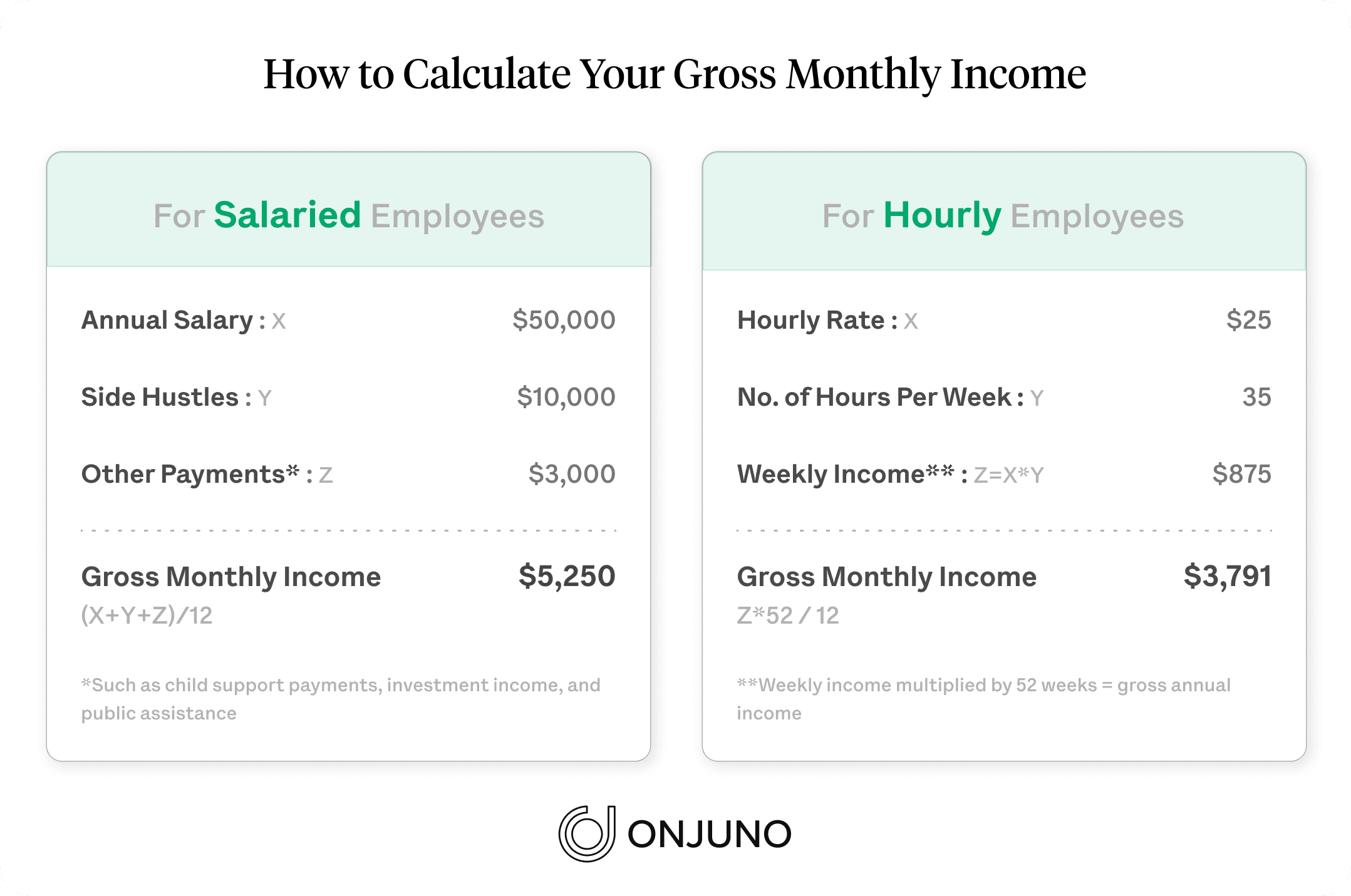
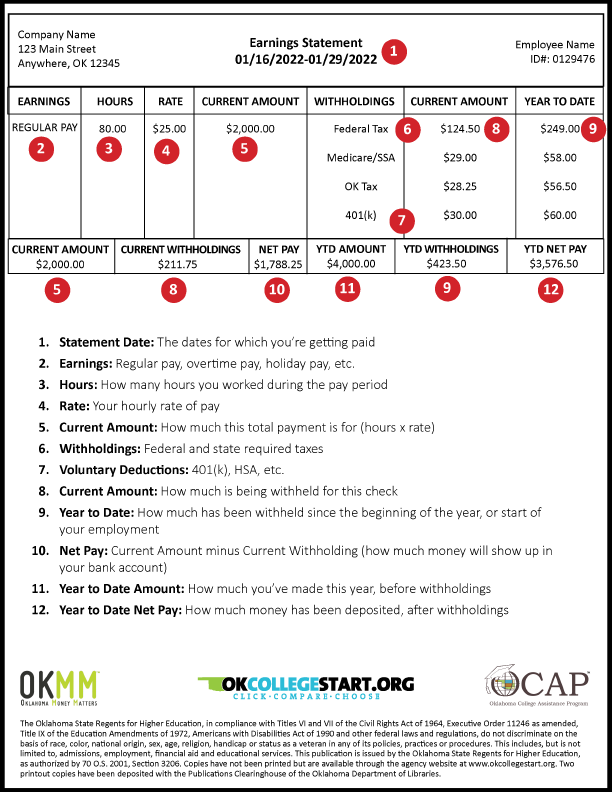
Gross vs. Net Income: It’s crucial to distinguish between gross income (your total earnings before any deductions) and net income (the amount you actually receive after taxes, retirement contributions, health insurance premiums, and other deductions). While gross income is important for loan applications and certain financial metrics, net income is what truly impacts your monthly budget and spending power.
-
Salaried Employees: If you’re salaried, your monthly gross income is usually a fixed amount, calculated by dividing your annual salary by twelve. Net income will vary slightly based on deduction changes.
-
Hourly Employees: For hourly workers, your income fluctuates based on the number of hours worked. Overtime pay, shift differentials, or periods of reduced hours can significantly impact your monthly take-home. Tracking your hours diligently is essential here.
-
Commissions and Bonuses: Many sales roles or performance-based positions include commission structures or periodic bonuses. While these can significantly boost your earnings, their irregular nature often necessitates careful planning. It’s wise to consider a conservative estimate for these variable components in your regular budget and treat windfalls as extra for savings or specific goals.
Supplemental Income Streams: The Power of Diversification
Beyond your primary earnings, many individuals have additional, often less formal, income sources that collectively enhance their monthly financial capacity. These can range from predictable add-ons to more sporadic gains.
-
Freelance Gigs and Consulting: Engaging in freelance work or offering consulting services on the side can be a significant income booster. Platforms like Upwork, Fiverr, or direct client relationships contribute directly to your monthly cash flow, though the volume may vary.
-
Overtime Pay: For hourly workers, consistent overtime can substantially increase monthly earnings. While often welcomed, it’s also a reminder that this income is tied directly to hours worked, and not a passive stream.
-
Tips and Gratuities: In service industries, tips form a substantial portion of income. Due to their variability, many professionals in these fields track their daily or weekly tips to get an accurate monthly average.
-
Performance-Based Pay: Beyond traditional commissions, some roles offer performance-based incentives that are paid out monthly or quarterly, adding to the regular income assessment.
Unearthing Passive and Portfolio Income
The concept of passive income, where money is earned with minimal ongoing effort, is an increasingly sought-after component of a robust financial strategy. Coupled with portfolio income from investments, these streams represent your money working for you, rather than you working for your money.
Investment Returns: Making Your Money Work
Smart investments can generate a steady stream of income, contributing significantly to your overall monthly financial picture, particularly as your portfolio grows.
-
Dividends from Stocks and Funds: Many companies distribute a portion of their profits to shareholders in the form of dividends. If you own dividend-paying stocks, mutual funds, or exchange-traded funds (ETFs), these payouts can occur monthly, quarterly, or annually. Averaging these distributions over twelve months provides a monthly income figure.
-
Interest from Savings, Bonds, and CDs: High-yield savings accounts, certificates of deposit (CDs), and bonds generate interest income. While often modest, these consistent payments contribute to your overall earnings, especially in a rising interest rate environment.
-
Rental Income from Properties: Owning rental properties can be a powerful source of passive income. After deducting mortgage payments, property taxes, insurance, maintenance, and potential vacancy costs, the remaining profit contributes directly to your monthly income. This requires careful calculation of all associated expenses to determine the true net income.
-
Capital Gains (Realized): While capital gains (profit from selling an asset for more than you paid) are typically realized irregularly, for active traders or those strategically liquidating assets, a portion might be considered in an average monthly income, though this is less common for general monthly income assessment.
Royalties and Residuals: Long-Term Income Generation
For creators, innovators, and those who build assets that generate ongoing revenue, royalties and residuals offer a compelling form of passive income.
-
Creative Royalties: Authors, musicians, artists, and software developers can earn royalties from their intellectual property. These payments, often tied to sales or usage, can provide a sustained income stream long after the initial creation.
-
Patent Licensing: Inventors or companies holding patents can license their technology to others, earning ongoing royalty payments based on usage or sales of the patented product.
-
Affiliate Marketing: For those with an online presence, affiliate marketing involves earning commissions by promoting other companies’ products or services. Once established, this can generate consistent monthly income through clicks and sales.
-
Online Course Sales: Creating and selling online courses or digital products can generate residual income. After the initial effort of development, sales can continue with minimal ongoing work, contributing to monthly earnings.
Accounting for Variable and Irregular Income
Not all income arrives in neat, predictable monthly installments. Many individuals rely on variable sources that can fluctuate significantly from month to month or are seasonal in nature. Accurately integrating these into your overall income assessment requires a flexible approach, often involving averaging or conservative estimates.
Side Hustles and Gigs: The Modern Income Multiplier
The gig economy has made it easier than ever to supplement primary income, but these earnings are often inconsistent.
-
Gig Economy Platforms: Driving for ride-sharing services, delivering food, or offering task-based services through platforms like Instacart or TaskRabbit provide flexible income. The earnings depend entirely on the hours worked and demand, necessitating an average over several months for an accurate picture.
-
Selling Goods: Whether it’s handmade crafts on Etsy, reselling items on eBay, or participating in local markets, income from selling physical goods can be highly variable based on product demand, marketing efforts, and seasonality.
-
Consulting Projects: Project-based consulting work often results in lump-sum payments upon project completion, rather than a steady monthly salary. To factor this into monthly income, it’s often best to amortize the project fee over the estimated duration of the work or average past project income over a year.
Business Profits: For the Entrepreneur
For small business owners, freelancers operating as sole proprietors, or partners in a venture, monthly income is derived from business profits, which can fluctuate based on sales, expenses, and market conditions.
-
Revenue Minus Expenses: The core principle is simple: total monthly revenue minus all business operating expenses (rent, utilities, supplies, marketing, payroll, etc.). What remains is your business’s profit, which then becomes your personal income.
-
Draws and Distributions: If you operate as a sole proprietor or have a partnership, you might take a “draw” from the business. For S-Corps or LLCs, owners may receive distributions. These are often not fixed salaries but rather withdrawals of profit, which can vary.
-
Seasonal Businesses: Many businesses experience peak and off-peak seasons. A retail business might see a surge in Q4, while a landscaping business thrives in spring and summer. When calculating monthly income from such ventures, it’s crucial to average annual profits over twelve months to get a more realistic and stable monthly figure for personal budgeting.
The Critical Importance of Accurate Income Tracking
Understanding and consistently tracking your monthly income isn’t merely an administrative task; it’s a fundamental practice that underpins every aspect of sound financial management. Without a clear picture of what’s coming in, efforts to budget, save, invest, or reduce debt are built on shaky ground.
Budgeting and Financial Planning: The Foundation of Control
Accurate income tracking is the cornerstone of effective budgeting and financial planning.
-
Enabling Realistic Budgets: Knowing your exact net monthly income allows you to create a budget that accurately allocates funds for expenses, savings, and debt repayment. You can avoid overspending by ensuring your outflows never exceed your inflows.
-
Setting Achievable Goals: Whether it’s saving for a down payment, retirement, or a child’s education, precise income figures help you set realistic savings targets and timelines. You can determine how much you can reasonably contribute to these goals each month.
-
Calculating Key Financial Ratios: Income is a primary component in ratios like your debt-to-income (DTI) ratio, which lenders use to assess your borrowing capacity. Maintaining a healthy DTI is crucial for future loan applications, such as for a mortgage or car loan.
Strategic Decision-Making: Empowering Your Future
Beyond day-to-day budgeting, a clear understanding of your monthly income informs significant financial and life decisions.
-
Informing Loan Applications: When applying for loans or lines of credit, lenders require verifiable income. Having a well-documented history of your monthly earnings, including diverse streams, strengthens your application.
-
Investment Capacity: Knowing your disposable income allows you to determine how much you can comfortably invest each month, whether in retirement accounts, brokerage accounts, or real estate. This enables consistent contributions to wealth building.
-
Career and Lifestyle Choices: An accurate income assessment can help you evaluate potential career changes, salary negotiations, or even the viability of taking on a new side hustle. It provides the data needed to make informed choices that align with your financial aspirations.
-
Tax Planning Implications: For individuals with varied income streams, particularly those from self-employment or investments, understanding total income is crucial for accurate tax estimations and planning, helping to avoid surprises at tax time.
Tools and Techniques for Tracking
Fortunately, numerous tools and methods exist to simplify the process of tracking your monthly income.
-
Spreadsheets: A simple spreadsheet (like Google Sheets or Microsoft Excel) allows for manual entry and categorization of all income sources. You can create formulas to sum up various streams and track averages.
-
Budgeting Apps: Dedicated personal finance apps (e.g., Mint, YNAB, Personal Capital) can automatically link to your bank accounts and credit cards, categorizing transactions and providing real-time insights into your income and spending.
-
Bank Statements and Pay Stubs: Regularly reviewing bank statements and keeping records of pay stubs, freelance invoices, and investment statements ensures you have the raw data needed for accurate tracking.
-
Regular Review: The most critical technique is consistency. Dedicate time each month to review all income sources, compare them against your budget, and make any necessary adjustments to your financial plan.
Maximizing Your Monthly Income Potential
Once you have a crystal-clear picture of “what’s my monthly income,” the next logical step is often to explore ways to enhance it. This isn’t just about earning more, but earning smarter and ensuring your financial resources are optimized.
Skill Development and Career Advancement
Investing in yourself is one of the most direct paths to increasing your primary income.
-
Negotiating Raises and Promotions: Understanding your market value and demonstrating your contributions can empower you to negotiate higher salaries and seek promotions within your current role or company.
-
Upskilling and Education: Acquiring new skills, certifications, or advanced degrees can make you more valuable in the job market, opening doors to higher-paying positions or specialized roles.
Diversifying Income Streams
Reliance on a single income source carries inherent risks. Actively pursuing additional streams builds financial resilience.
-
Exploring New Side Hustles: If you have free time or untapped skills, consider starting a new side hustle. This could be anything from tutoring to pet sitting, online content creation to freelance writing.
-
Strategic Investing: Continuously learning about and engaging in various investment opportunities—stocks, bonds, real estate, peer-to-peer lending—can help grow your passive income over time.
Optimizing Existing Assets
Sometimes, increasing your income isn’t about finding new sources, but making existing ones work harder.
-
Refinancing Debt: Refinancing high-interest debt, like mortgages or student loans, at a lower interest rate can free up cash flow that effectively increases your disposable monthly income.
-
Finding Better Rates: Periodically review your savings accounts, insurance policies, and credit cards to ensure you’re getting the best rates and minimizing fees. Switching to a high-yield savings account, for example, can boost your interest income.
By diligently tracking and strategically growing your monthly income, you lay the groundwork for a robust financial future, characterized by control, opportunity, and peace of mind.
aViewFromTheCave is a participant in the Amazon Services LLC Associates Program, an affiliate advertising program designed to provide a means for sites to earn advertising fees by advertising and linking to Amazon.com. Amazon, the Amazon logo, AmazonSupply, and the AmazonSupply logo are trademarks of Amazon.com, Inc. or its affiliates. As an Amazon Associate we earn affiliate commissions from qualifying purchases.