
The year 2021 marked a significant turning point in the global economic landscape, characterized by an inflation surge that surprised many economists and central bankers, challenging the long-held narrative of low and stable price growth. For individuals, investors, and businesses alike, understanding the dynamics of 2021’s inflation is crucial for prudent financial decision-making, as its echoes continue to influence market behaviors and policy responses.
The Alarming Rise: Understanding 2021’s Inflationary Surge
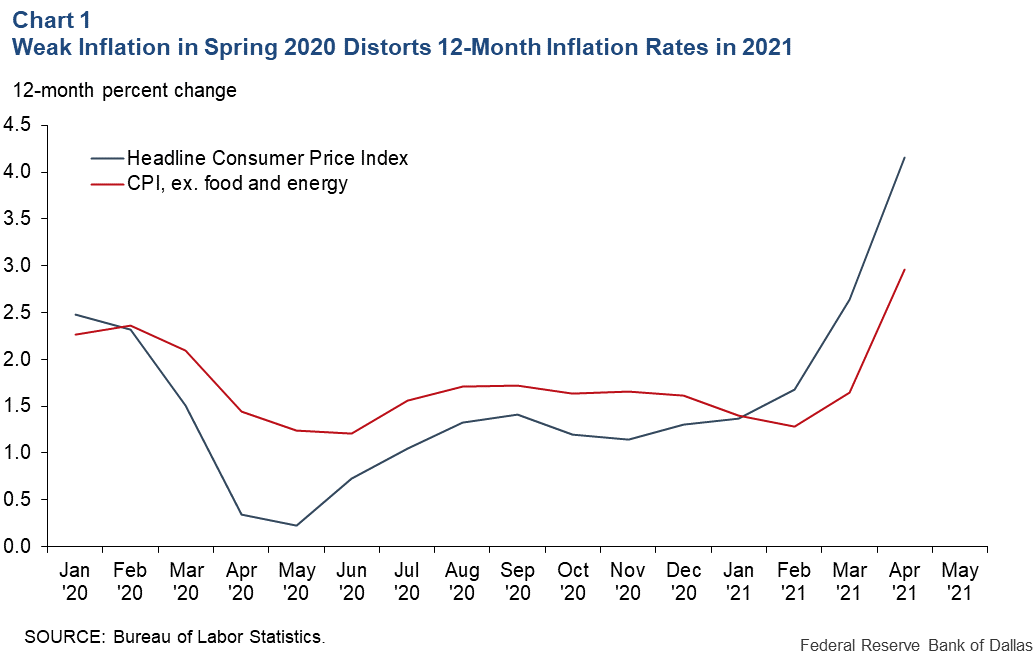
After more than a decade of relatively subdued price increases, 2021 saw inflation rates climb to levels not witnessed in decades across many developed economies. In the United States, for instance, the Consumer Price Index (CPI), a primary measure of inflation, began the year around 1.4% in January 2021. However, it accelerated rapidly, reaching a staggering 7.0% year-over-year in December 2021. This sharp escalation significantly surpassed the Federal Reserve’s long-term target of 2%, sending ripples through financial markets and household budgets.
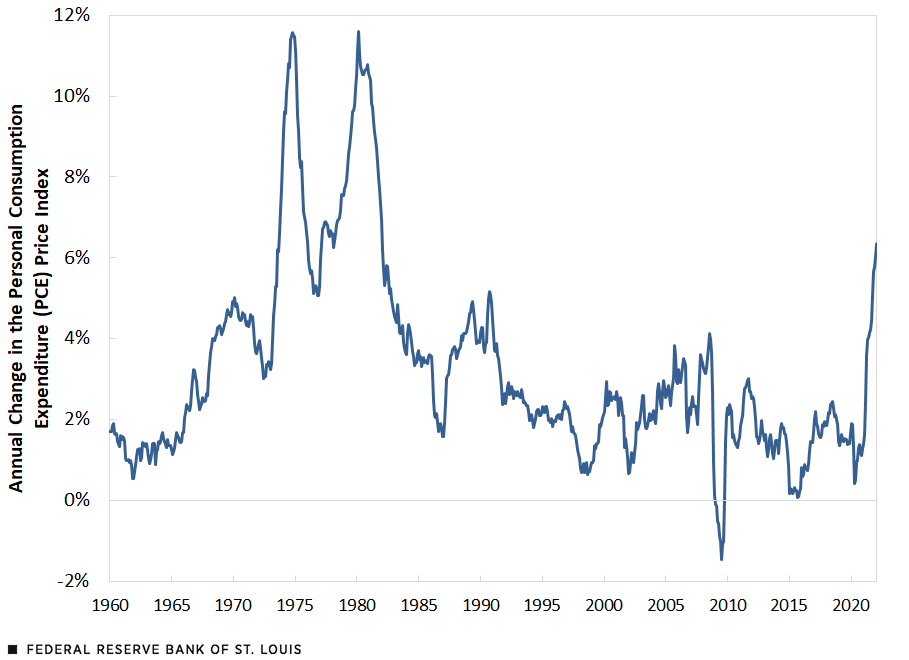
This wasn’t an isolated incident; similar trends emerged globally. The Eurozone experienced its highest inflation rates in over two decades, while the UK saw its CPI soar to a 30-year high by year-end. This pervasive inflationary pressure fundamentally altered economic expectations and forced a re-evaluation of monetary policy stances worldwide. The initial characterization by many central banks, including the U.S. Federal Reserve, was that these price increases would be “transitory” – temporary effects of pandemic-related disruptions. However, as 2021 progressed, the persistence and breadth of inflation indicated a more complex and entrenched problem, deeply impacting the real value of money.
Key Drivers Behind the 2021 Inflationary Environment
The 2021 inflation spike was not attributable to a single factor but rather a confluence of interconnected forces, many of which stemmed directly or indirectly from the global COVID-19 pandemic and the policy responses to it.
Supply Chain Disruptions
One of the most visible and impactful drivers was the unprecedented disruption to global supply chains. Lockdowns, factory closures, labor shortages (particularly in logistics and manufacturing), and port congestion created bottlenecks that severely constrained the supply of goods. From semiconductors vital for electronics and automobiles to basic consumer products, the inability to produce and transport goods efficiently led to scarcity. When demand outstripped this constrained supply, prices naturally rose. Shipping costs, for example, soared to historic highs, adding further upward pressure on the prices of imported goods.
Robust Consumer Demand
Coinciding with supply constraints was a vigorous resurgence in consumer demand. Governments worldwide implemented extensive fiscal stimulus measures, including direct payments to households, enhanced unemployment benefits, and business support programs. Simultaneously, prolonged lockdowns led to increased household savings for many, creating pent-up demand. As economies reopened and restrictions eased, consumers, armed with greater purchasing power and a desire to return to pre-pandemic activities, unleashed this demand. This surge in spending, particularly on goods rather than services initially, overwhelmed existing production capacities and exacerbated supply-side issues, pushing prices higher.
Expansionary Monetary and Fiscal Policies
Central banks globally adopted highly accommodative monetary policies in response to the pandemic’s economic shock. The U.S. Federal Reserve, for instance, maintained near-zero interest rates and engaged in substantial quantitative easing (large-scale asset purchases) to inject liquidity into the financial system and support economic activity. These policies, coupled with massive government fiscal spending, significantly increased the money supply. While crucial for preventing a deeper recession, the sheer volume of liquidity circulating in the economy, especially when combined with constrained supply, created an environment ripe for inflation. The debate over whether these policies overstimulated the economy became central to understanding the inflation problem.
Energy Price Volatility
Energy markets also played a significant role. Global oil and natural gas prices experienced substantial increases in 2021, driven by rising demand as economies reopened, coupled with relatively constrained supply from producers. Higher energy costs permeate nearly every sector of the economy, increasing the cost of transportation for goods, manufacturing processes, and heating/cooling for businesses and homes. This “cost-push” inflation contributed directly to higher consumer prices for gasoline, utilities, and a wide array of goods whose production and distribution depend on energy.
Labor Market Dynamics
The dynamics of the labor market contributed to inflationary pressures, particularly in the latter half of 2021. The “Great Resignation,” characterized by millions of workers voluntarily leaving their jobs, along with continued labor shortages in key sectors, gave workers more bargaining power. Businesses, struggling to find and retain employees, were forced to offer higher wages, benefits, and signing bonuses. While beneficial for workers, these increased labor costs often translated into higher prices for consumers as businesses sought to maintain profit margins, further fueling cost-push inflation.
The Impact on Personal Finance and Household Budgets
For the average household, 2021’s inflation was far from an abstract economic concept; it was a tangible force eroding purchasing power and necessitating significant adjustments to personal financial planning.
Erosion of Purchasing Power
The most immediate and noticeable impact of inflation was the erosion of purchasing power. The cost of everyday necessities—groceries, gasoline, utilities, and even rent—rose significantly. Families found that their paychecks, while potentially stable or even slightly increased, could buy less than before. This meant a higher proportion of income was spent on essential goods and services, leaving less disposable income for savings, discretionary spending, or debt repayment. Budgeting became more challenging as fixed incomes stretched thinner against rising costs.
Savings and Interest Rates
Inflation proved particularly detrimental to cash savings. When inflation is high and interest rates on savings accounts are low (as they were through much of 2021), the real return on savings becomes negative. Money held in conventional savings accounts or even low-yield bonds effectively lost value over time. For example, a 1% interest rate on a savings account when inflation is 7% means a real loss of 6% in purchasing power annually. This reality prompted many to seek alternative ways to protect and grow their capital.
Debt Management
The impact on debt was more nuanced. For those with fixed-rate debt, such as mortgages or long-term loans, inflation could, in some respects, make the real burden of those payments feel lighter over time, as the value of the money paid back diminished relative to when the loan was taken out. However, for those with variable-rate debt or looking to take on new loans, the prospect of rising interest rates (a common central bank response to inflation) loomed, threatening higher borrowing costs in the future.

Budgeting Adjustments
Households were compelled to critically review and adjust their budgets. This often involved cutting back on non-essential spending, seeking out cheaper alternatives for groceries, reducing discretionary entertainment, or even postponing large purchases. Understanding how rising prices affected different categories of spending became essential for maintaining financial stability.
Navigating Inflation: Investment Strategies and Business Finance Considerations
The inflationary environment of 2021 profoundly influenced investment strategies and presented both challenges and opportunities for businesses.
Investment Implications
Investors had to re-evaluate their portfolios in light of persistent inflation, moving beyond the expectation of “transitory” price increases.
Equities
The stock market’s response to inflation is complex. Companies with strong pricing power – the ability to raise prices without significant loss of demand – tended to perform better. These often included businesses in essential sectors or those with strong brands and unique products. Value stocks, which are often less sensitive to interest rate hikes than growth stocks, saw renewed interest. Sectors like energy, materials, and consumer staples, which can often pass on increased costs, were sometimes seen as relatively resilient. Conversely, companies heavily reliant on cheap capital or struggling with rising input costs and labor expenses without the ability to pass them on faced headwinds.
Real Estate
Real estate has historically been considered a strong hedge against inflation. Property values and rents tend to rise with inflation, providing a tangible asset that retains its real value. Investors often looked to real estate, both residential and commercial, as a way to preserve capital and generate inflation-adjusted returns.
Commodities
Commodities like gold, silver, oil, and agricultural products often perform well during inflationary periods. Their prices typically rise as the cost of raw materials and energy increases, offering a direct hedge against rising goods prices. Gold, in particular, is often viewed as a traditional safe-haven asset during times of economic uncertainty and inflation.
Bonds
Bonds, especially long-duration fixed-rate bonds, generally suffer during inflationary periods. As inflation rises, central banks often respond by increasing interest rates, which causes existing bond prices to fall (since newly issued bonds offer higher yields). The real return on fixed-income investments can also be severely eroded by inflation if coupon payments do not keep pace with rising prices. Treasury Inflation-Protected Securities (TIPS) emerged as a particularly attractive option for investors looking to protect their principal and interest payments from the effects of inflation.
Business Finance Challenges and Responses
Businesses in 2021 grappled with a multitude of financial challenges spurred by inflation.
Cost Management
Firms faced significantly higher input costs for raw materials, energy, and transportation. Labor costs also rose due to wage pressures and shortages. This necessitated rigorous cost management strategies, including renegotiating supplier contracts, optimizing logistics, and improving operational efficiencies to mitigate the impact on profit margins.
Pricing Strategies
A critical balancing act for businesses was determining how much of these increased costs to pass on to consumers. Raising prices too aggressively risked losing market share, while absorbing all costs could severely impact profitability. Companies with strong brands or unique products found it easier to implement price increases without significant demand elasticity.
Inventory Management
The rising cost of goods and potential for future supply disruptions made inventory management a strategic imperative. Some businesses opted to increase inventory levels to guard against future price hikes and stockouts, while others sought to optimize just-in-time systems to avoid tying up excessive capital in depreciating stock.
Capital Allocation
Inflation and the prospect of higher interest rates influenced capital allocation decisions. The cost of borrowing increased, and the discount rates used to evaluate investment projects rose. Businesses had to be more selective in their capital expenditures, focusing on projects with higher potential returns and quicker payback periods.
Central Bank’s Stance and Future Outlook
Throughout 2021, the prevailing view from many central banks, including the U.S. Federal Reserve, was that inflation was “transitory” – a temporary consequence of reopening economies and supply chain kinks. However, as inflation proved more persistent and widespread than initially expected, this stance began to shift towards the end of the year. The recognition that inflationary pressures were more deeply embedded set the stage for a significant change in monetary policy in 2022, signaling an end to the era of ultra-low interest rates and quantitative easing as central banks prepared to combat rising prices more aggressively.
aViewFromTheCave is a participant in the Amazon Services LLC Associates Program, an affiliate advertising program designed to provide a means for sites to earn advertising fees by advertising and linking to Amazon.com. Amazon, the Amazon logo, AmazonSupply, and the AmazonSupply logo are trademarks of Amazon.com, Inc. or its affiliates. As an Amazon Associate we earn affiliate commissions from qualifying purchases.