
The question “what is the US dollar worth today?” transcends a simple numerical answer. Its value is a complex, dynamic interplay of domestic economic conditions, global financial forces, and geopolitical stability, impacting everything from your grocery bill to international investment portfolios. Understanding the dollar’s worth requires looking beyond mere exchange rates to its underlying purchasing power and its role as the world’s primary reserve currency.
Understanding the US Dollar’s Value Beyond the Number
The worth of the US dollar can be assessed through two primary lenses: its purchasing power domestically and its exchange rate against other global currencies. Both aspects are crucial for a complete picture.

Purchasing Power: What Your Dollar Buys
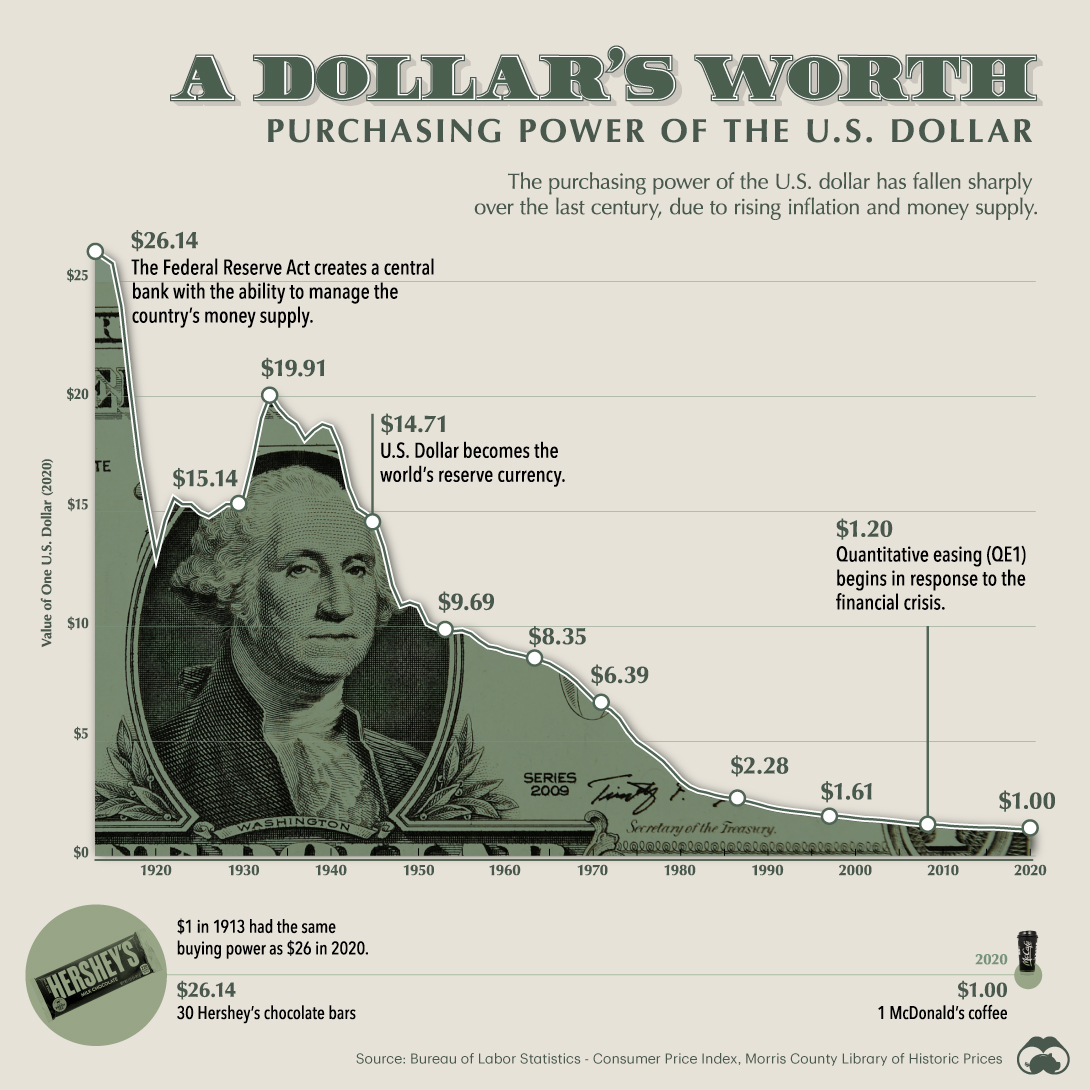
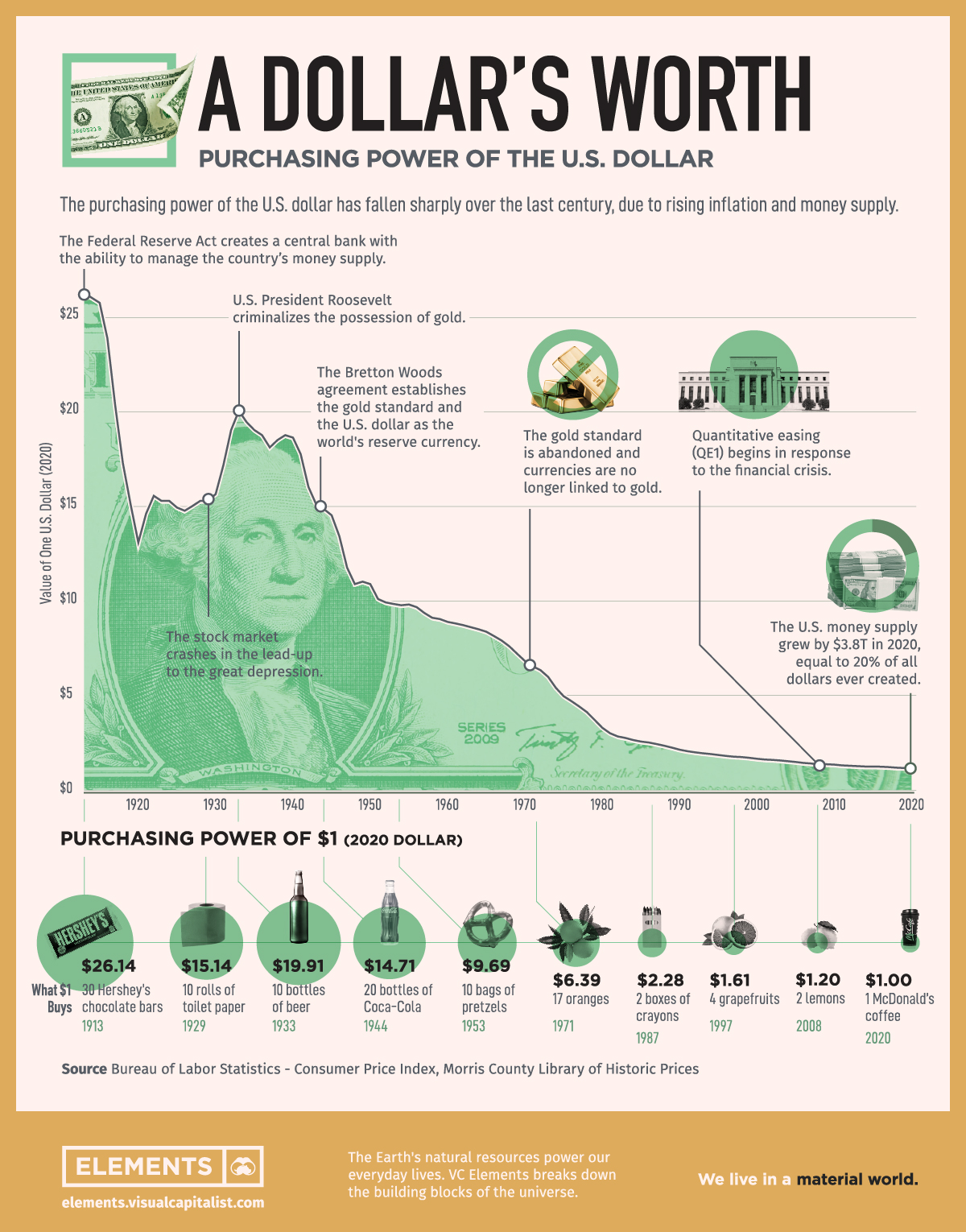
Domestically, the worth of your dollar is directly tied to its purchasing power—what quantity of goods and services it can acquire. This value is heavily influenced by inflation, which is the rate at which the general level of prices for goods and services is rising, and consequently, the purchasing power of currency is falling.
When inflation is high, your dollar buys less than it did before, effectively decreasing its worth. Conversely, periods of low inflation or even deflation (a rare occurrence) would mean your dollar could buy more. Key indicators like the Consumer Price Index (CPI) and the Personal Consumption Expenditures (PCE) price index are closely watched by economists and policymakers to gauge inflationary pressures. For the average consumer, this manifests in the cost of everyday items—from the price of gasoline and groceries to housing expenses and utility bills. A dollar today might buy significantly less of these essential goods than it did a year or a decade ago, highlighting the erosion of its real value over time due to inflation.
Exchange Rates: The Dollar Against Other Currencies
Globally, the dollar’s worth is quantified by its exchange rate against other major world currencies, such as the Euro (EUR), Japanese Yen (JPY), British Pound (GBP), and Chinese Yuan (CNY). These rates reflect how many units of a foreign currency one US dollar can buy, or vice versa. A stronger dollar means it can purchase more units of a foreign currency, making imports cheaper for US consumers and travelers, but making US exports more expensive for international buyers.
The exchange rate is not static; it fluctuates constantly based on supply and demand in the foreign exchange market. Factors like interest rate differentials between countries, relative economic performance, political stability, and market sentiment all contribute to these daily shifts. For instance, if the US economy is perceived as stronger than the Eurozone economy, investors might move capital into dollar-denominated assets, increasing demand for the dollar and strengthening its value against the Euro. These fluctuations have significant implications for international trade, foreign investment, and even the cost of overseas travel.
Key Factors Influencing the Dollar’s Strength
The US dollar’s value is not arbitrary; it is the result of a complex interplay of economic policies, market forces, and global events. Understanding these drivers is essential for comprehending its current and future trajectory.
Monetary Policy and Interest Rates
One of the most potent forces shaping the dollar’s value is the monetary policy set by the Federal Reserve (the Fed), particularly its decisions regarding interest rates. When the Fed raises interest rates, it generally makes dollar-denominated assets (like US Treasury bonds) more attractive to international investors because they offer higher returns. This increased demand for US assets leads to a greater demand for dollars, thus strengthening its value. Conversely, lowering interest rates can reduce the dollar’s appeal, potentially weakening it. Market expectations about future Fed actions also play a significant role, with currency traders constantly anticipating and reacting to signals from central bank officials.
Economic Indicators and Growth
The health and trajectory of the US economy are fundamental to the dollar’s strength. Robust economic growth, low unemployment rates, and strong consumer confidence typically signal a healthy economy, which attracts foreign investment and strengthens the dollar. Key economic reports, such as Gross Domestic Product (GDP) figures, non-farm payrolls (employment data), retail sales, and manufacturing indices, are closely scrutinized by global markets. Positive surprises in these indicators can lead to dollar appreciation, while negative reports can trigger depreciation. A strong economy suggests higher potential returns on investment, leading capital to flow into the US and boosting demand for the dollar.
Geopolitical Events and Global Stability
In times of global uncertainty, political instability, or economic crises elsewhere in the world, the US dollar often acts as a “safe haven” currency. Investors flock to the dollar and US Treasuries during periods of heightened risk, seeking the perceived security and liquidity of the US financial system. This increased demand can cause the dollar to strengthen, even if US domestic economic conditions are not exceptionally strong. Events such as international conflicts, sovereign debt crises in other nations, or widespread financial market volatility can all trigger such a flight to safety, temporarily boosting the dollar’s worth.
Trade Balances and Fiscal Policy
A nation’s trade balance—the difference between its exports and imports—also influences its currency. A persistent trade deficit, where a country imports more than it exports, means that more of the domestic currency is being sold to buy foreign goods and services, potentially putting downward pressure on the dollar. Conversely, a trade surplus can strengthen the currency.
Fiscal policy, encompassing government spending and taxation, also plays a role. Large budget deficits, which require the government to borrow heavily, can sometimes lead to concerns about a nation’s long-term financial health, potentially weighing on the dollar. However, increased government spending can also stimulate economic growth, which might attract foreign investment and support the dollar. The interaction between trade balances, fiscal policy, and monetary policy creates a complex web of influences on the dollar’s value.
Implications for Personal Finance and Investing
The daily fluctuations and underlying trends of the US dollar’s value have tangible consequences for individuals and businesses alike, influencing savings, investment returns, and operational costs.
For Savers and Consumers
For individuals holding dollar-denominated savings, inflation is the primary concern. A higher inflation rate means the real value of their savings diminishes over time, eroding their purchasing power. For instance, if inflation is 5% and your savings account yields 1%, you are effectively losing 4% of your money’s value annually. Understanding the current inflationary environment is crucial for making informed decisions about where to keep savings.
Consumers are also affected by the dollar’s exchange rate. A strong dollar makes imported goods, such as electronics, clothing, and certain foods, cheaper. It also makes international travel more affordable for Americans, as their dollars can buy more foreign currency. Conversely, a weaker dollar makes imports more expensive and traveling abroad pricier, effectively reducing the purchasing power of your dollar for foreign goods and services.
For Investors
Investors face a multifaceted impact from the dollar’s strength. For those holding US stocks and bonds, a strong dollar can be a double-edged sword. While it might reflect a robust US economy, which is generally good for corporate profits, it can also make US exports less competitive, potentially hurting multinational corporations that derive significant revenue from abroad. Conversely, a weaker dollar can boost the earnings of US-based multinationals when foreign revenues are converted back into dollars.
For investors with international holdings, currency fluctuations introduce an additional layer of risk and opportunity. A strong dollar can erode the dollar-denomenced value of foreign investments (e.g., a stock purchased in euros will be worth less in dollars if the euro weakens against the dollar). Commodity prices, particularly oil and gold, are often inversely correlated with the dollar’s strength, as these are typically priced in dollars. A stronger dollar makes these commodities more expensive for buyers using other currencies, potentially dampening demand and prices, and vice-versa. Diversifying portfolios across different asset classes and geographies is a common strategy to mitigate currency risk.
For Businesses and Exporters/Importers
Businesses, especially those engaged in international trade, are acutely sensitive to the dollar’s value. For US exporters, a strong dollar makes their products more expensive and less competitive in foreign markets, potentially leading to reduced sales and lower profits. Conversely, a weaker dollar makes US exports more attractive globally, boosting demand.
For importers, the opposite holds true. A strong dollar lowers the cost of purchasing goods and raw materials from abroad, which can increase profit margins or allow for more competitive pricing in the domestic market. A weak dollar, however, increases import costs, potentially squeezing margins or forcing price increases for consumers. Multinationals with operations and revenues in various currencies also face translation risk when converting foreign earnings back into their reporting currency, with a strong dollar potentially reducing their reported dollar-denominated profits.
Monitoring the Dollar’s Pulse: Tools and Resources
Staying informed about the dollar’s value and the forces shaping it is crucial for sound financial decision-making. Various tools and resources are readily available for this purpose.
Economic Calendars and News Outlets
Reliable economic calendars provide a schedule of upcoming economic data releases (e.g., inflation reports, jobs figures, central bank announcements) and their expected impact. Following these events in real-time through reputable financial news outlets (e.g., Bloomberg, Wall Street Journal, Reuters, Financial Times) offers critical insights into market sentiment and expert analysis. These sources often break down the implications of each report for the dollar and broader financial markets.
Currency Converters and Exchange Rate Trackers
For real-time tracking of exchange rates, numerous online currency converters and financial platforms provide up-to-the-minute data. These tools are invaluable for travelers, businesses conducting international transactions, and investors monitoring their foreign currency exposures. Many offer historical data, charting capabilities, and even alert services for specific currency pair movements.
Navigating a Dynamic Dollar Environment
Given the dollar’s constant flux, strategic financial planning is paramount.
Diversification and Risk Management
For both personal finances and investment portfolios, diversification remains a cornerstone. Spreading investments across different asset classes (stocks, bonds, real estate, commodities), industries, and geographies can help cushion the impact of adverse currency movements or specific economic downturns. For those with significant international exposure, hedging strategies, such as using currency futures or options, can mitigate foreign exchange risk.
Staying Informed
The global financial landscape is ever-evolving. Continuous learning about macroeconomic trends, central bank policies, and geopolitical developments is vital. Understanding the ‘why’ behind currency movements empowers individuals and businesses to anticipate potential impacts and adjust their strategies accordingly.
Consulting Financial Professionals
For complex financial situations, particularly concerning large investments, international business, or retirement planning, consulting with qualified financial advisors or currency strategists can provide tailored advice. These professionals can offer insights into how the dollar’s current and projected value might affect specific financial goals and help devise appropriate risk management strategies.
In conclusion, the worth of the US dollar today is a multifaceted concept, influenced by domestic inflation, global exchange rates, central bank policies, economic performance, and geopolitical events. Its value is not just a number but a powerful indicator with profound implications for everyday consumers, investors, and businesses across the globe. Staying informed and proactive is the key to effectively navigating its dynamic environment.
aViewFromTheCave is a participant in the Amazon Services LLC Associates Program, an affiliate advertising program designed to provide a means for sites to earn advertising fees by advertising and linking to Amazon.com. Amazon, the Amazon logo, AmazonSupply, and the AmazonSupply logo are trademarks of Amazon.com, Inc. or its affiliates. As an Amazon Associate we earn affiliate commissions from qualifying purchases.