
Understanding the optimal time to claim Social Security benefits is a cornerstone of effective retirement planning. For many, the allure of receiving benefits as soon as possible is strong, especially when considering the expenses of retirement or the desire to leave the workforce earlier. The earliest age you can begin receiving Social Security retirement benefits is 62. However, this decision comes with significant financial implications that warrant careful consideration.
Navigating Your Full Retirement Age (FRA)
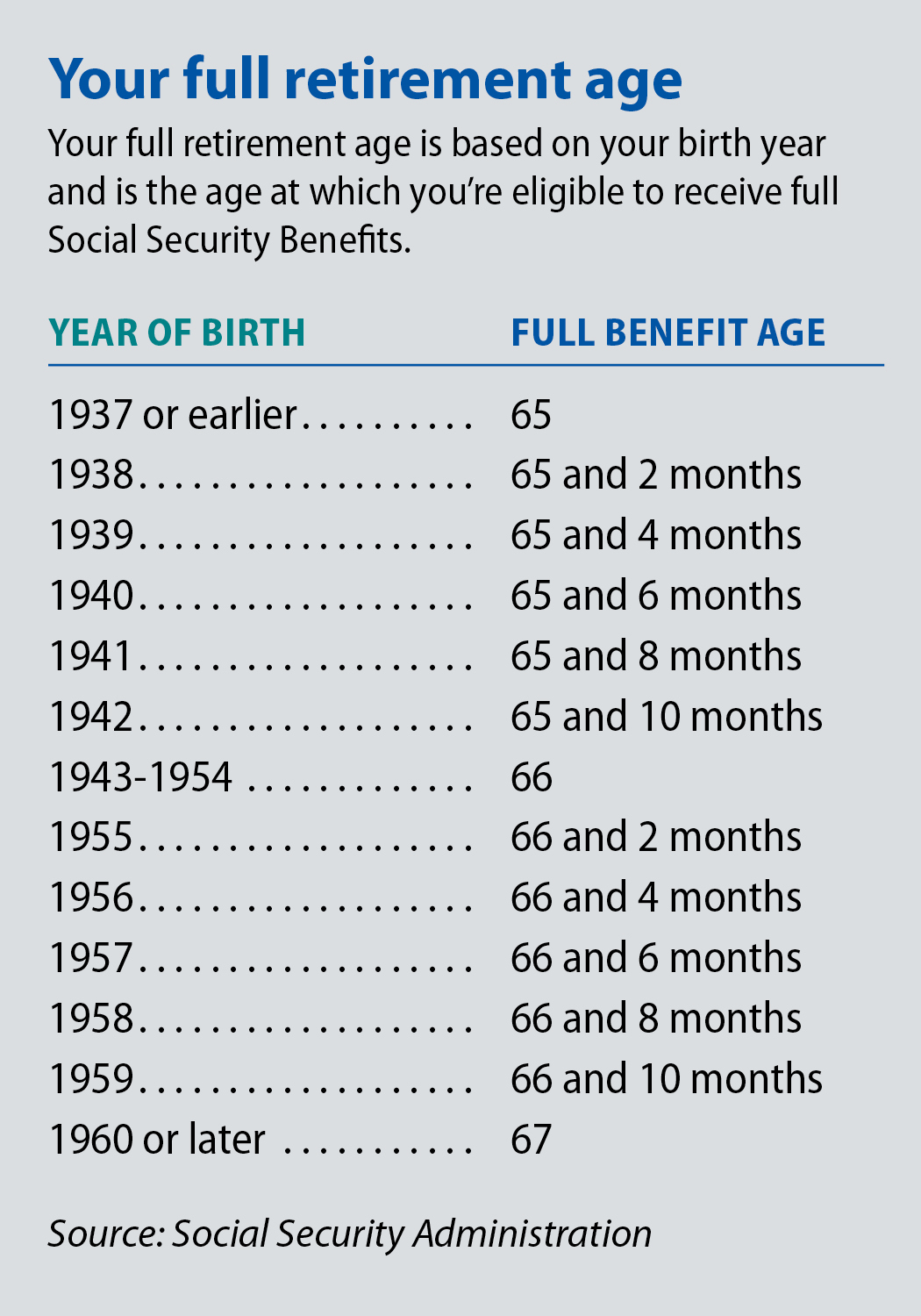
Before diving into the specifics of early claiming, it’s crucial to grasp the concept of your Full Retirement Age (FRA). This is the age at which you are entitled to receive 100% of your primary insurance amount (PIA), the benefit amount calculated based on your earnings record. Claiming benefits at any point before or after your FRA will result in an adjustment to this amount.
The Basics of Social Security Benefits
Social Security benefits are designed to replace a portion of your pre-retirement income. The amount you receive is determined by a complex formula that takes into account your 35 highest-earning years. The longer you work and contribute to Social Security, and the higher your earnings, the larger your potential benefit will be. However, there’s an annual earnings limit subject to Social Security taxes.
How Your Birth Year Determines Your FRA
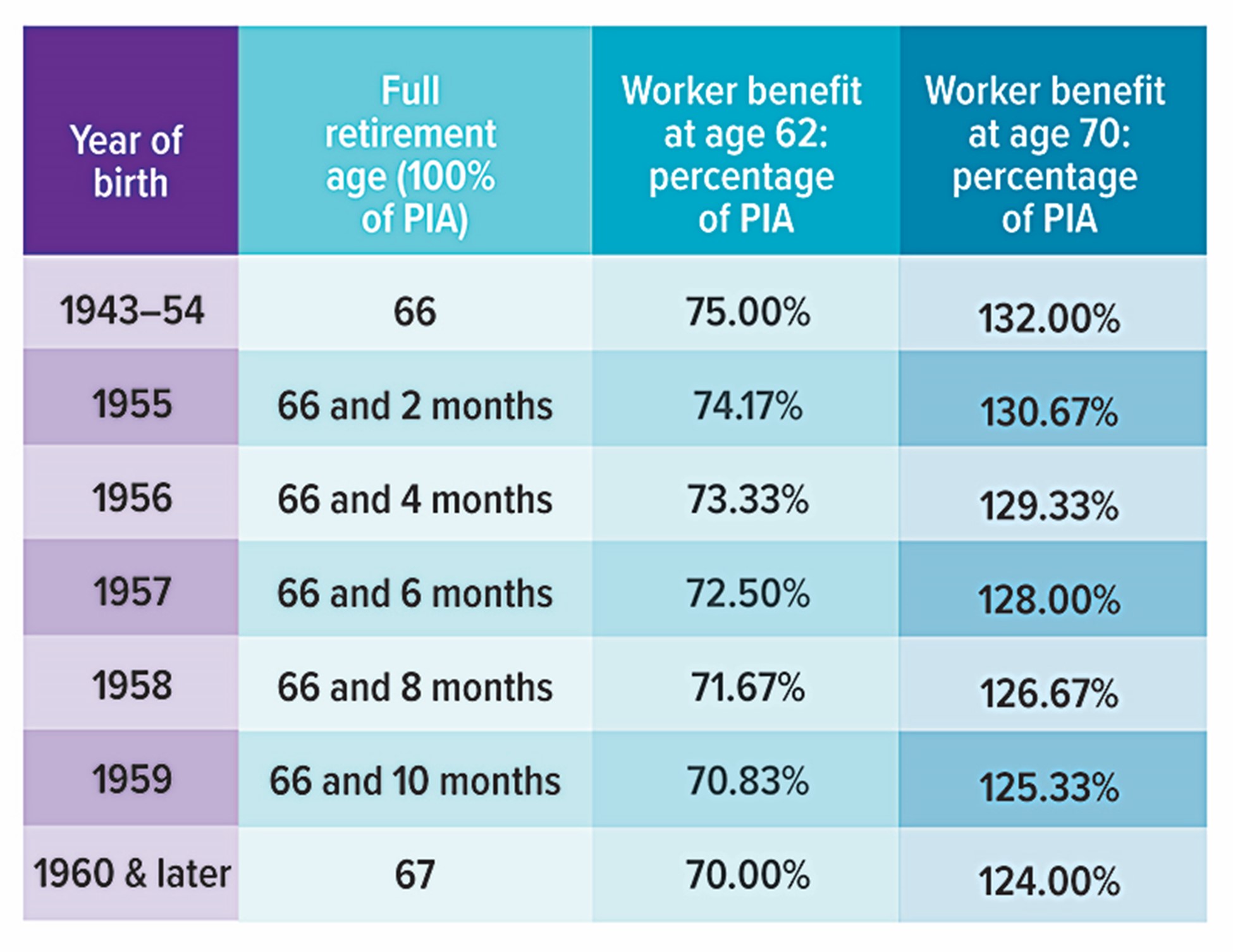
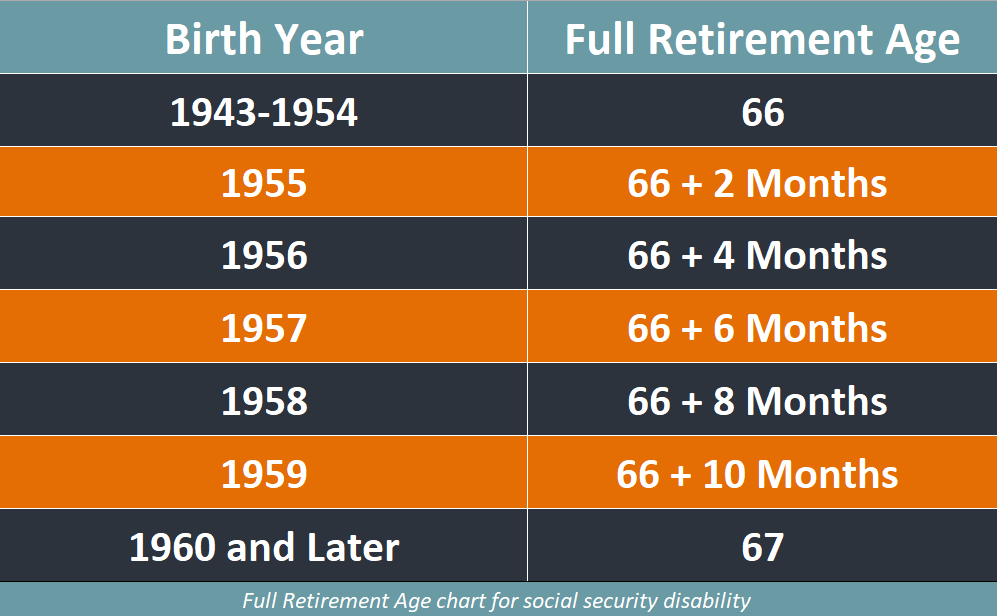
Your Full Retirement Age isn’t a static number; it depends on your birth year. The Social Security Administration (SSA) phased in changes to the FRA over several decades. For those born in 1937 or earlier, the FRA was 65. For individuals born between 1943 and 1954, it is 66. For those born in 1960 or later, the FRA is 67. If your birth year falls between these ranges, your FRA will be somewhere in between, with specific month increments. For example, if you were born in 1955, your FRA is 66 and 2 months. Knowing your precise FRA is fundamental to understanding the adjustments to your benefits if you claim early.
Claiming Benefits Early: The 62-Year-Old Option
The option to claim Social Security benefits at age 62 is widely available, offering a path to earlier retirement or supplemental income. However, it is imperative to understand that choosing this path means accepting a permanent reduction in your monthly benefit amount compared to what you would receive at your FRA. This reduction is not temporary; it lasts for the entirety of your benefit collection period.
The Reduction in Benefits Explained
When you claim benefits at age 62, your monthly payment is reduced to account for the longer period over which you’ll be receiving benefits. The reduction is calculated based on the number of months you claim before your FRA. For those with an FRA of 67, claiming at 62 means receiving benefits for 60 additional months (5 years) compared to waiting until FRA.
The reduction percentage is typically calculated as 5/9 of 1% for each of the first 36 months you claim early, plus an additional 5/12 of 1% for each month beyond 36 months. This translates to a substantial permanent reduction. For someone with an FRA of 67, claiming at 62 would result in a benefit reduction of approximately 30%. If your PIA at FRA was $2,000, claiming at 62 would reduce your monthly check to around $1,400. This reduction applies not only to your own benefits but can also affect survivor benefits if you pass away before your spouse.
Factors to Consider Before Claiming Early
The decision to claim early is deeply personal and should be based on a comprehensive assessment of your financial situation, health, and life goals.
Your Health and Longevity Expectations
One of the most significant factors is your expected lifespan. If you have chronic health issues or a family history of shorter lifespans, claiming benefits earlier might mean you collect more in total benefits over your lifetime, even with the reduced monthly amount. Conversely, if you expect to live well into your 80s or 90s, delaying benefits might lead to a higher overall payout due to the increased monthly sums. This is often referred to as the “breakeven point” analysis, where you calculate the age at which the cumulative total from a higher delayed benefit surpasses the cumulative total from an earlier, reduced benefit.
Other Income Sources (Spousal, Pensions, Investments)
Evaluate your other retirement income streams. Do you have a substantial pension, considerable savings and investments, or significant income from a part-time job? If your other income sources are robust enough to cover your expenses without needing your full Social Security benefit, you might be in a better position to delay claiming and maximize your monthly payments later. Conversely, if Social Security will be your primary source of income, claiming early might be a necessity, even with the reduction. Also, consider spousal benefits; your decision could impact your spouse’s ability to claim benefits based on your record.
Impact on Spousal Benefits
Your claiming decision doesn’t just affect you; it can have a ripple effect on your spouse. If you claim your benefits early, your spouse’s potential spousal benefit (which can be up to 50% of your PIA at your FRA) will also be permanently reduced. If your spouse plans to claim a spousal benefit based on your work record, your decision to claim early reduces their maximum potential benefit. Careful coordination between spouses is crucial to maximize household Social Security income.
The Financial Implications of Early Claiming
The choice to claim Social Security benefits at age 62 is a long-term financial commitment with significant ramifications for your overall retirement income strategy. It’s not just about getting money sooner; it’s about trading a higher future monthly income for a lower present one.
The Breakeven Point Fallacy
The concept of a “breakeven point” is often used to analyze the decision of when to claim. This is the age at which the cumulative total benefits received by delaying claiming would equal or exceed the cumulative total benefits received by claiming early. While useful as a mental model, relying solely on a breakeven point can be a fallacy if it doesn’t account for other factors.
For instance, the breakeven age is typically in the late 70s or early 80s. If you live past this age, delaying generally results in a higher lifetime payout. However, this analysis often overlooks the “time value of money” – the idea that money received today is worth more than the same amount in the future. Money received at 62 can be invested, potentially growing and offsetting some of the delayed benefits. Moreover, the breakeven calculation doesn’t factor in the psychological benefit of having income sooner or the peace of mind it might provide.
Maximizing Your Lifetime Benefits
Maximizing lifetime benefits isn’t just about getting the highest monthly check; it’s about creating a strategy that aligns with your individual circumstances. For some, claiming early might genuinely lead to higher total benefits if their lifespan is shorter than average. For others, particularly those with strong financial health and good longevity prospects, delaying benefits can be a powerful way to secure a significantly higher guaranteed income stream later in life. This “longevity insurance” aspect of delayed claiming is often overlooked but incredibly valuable. A higher monthly benefit acts as an inflation-adjusted annuity, providing a stable income floor for potentially several decades.
Strategies and Considerations for Your Claiming Decision
Making an informed decision about when to claim Social Security benefits requires strategic thinking and often, professional financial guidance. It’s a key part of your overall retirement income plan.
Working While Claiming Early
If you claim Social Security benefits before your Full Retirement Age and continue to work, your benefits may be subject to an “earnings test.” For 2024, if you are under your FRA for the entire year, the SSA deducts $1 from your benefits for every $2 you earn above $22,320. In the year you reach FRA, the deduction is $1 for every $3 earned above a higher limit ($59,520 in 2024) until the month you reach FRA. Once you reach your FRA, the earnings test no longer applies, and you can earn any amount without it affecting your Social Security benefits.
It’s important to note that any benefits withheld due to the earnings test are not lost permanently. When you reach your FRA, the SSA recalculates your benefit amount to give you credit for the months they withheld benefits, effectively increasing your monthly payment slightly for the rest of your life. However, this doesn’t fully negate the reduction from claiming early.
Reconsidering Your Decision: The “Do-Over” Rule
Social Security does offer a one-time “do-over” option if you claimed benefits early and later regret your decision. Within 12 months of claiming, you can withdraw your application for benefits. To do this, you must repay all benefits you and your family have received since claiming. This includes any benefits paid directly to you, your spouse, or children based on your record. This option allows you to restart the clock, letting your benefits grow until a later claiming age. However, this is a significant undertaking, requiring a lump-sum repayment, and it’s only available once. After 12 months, or after your FRA, your options are more limited to suspending benefits.
If you are past your FRA but before age 70, you can choose to suspend your benefits. This allows you to stop receiving payments and let your benefit amount grow by earning delayed retirement credits (which increase your benefit by 8% per year until age 70). You do not need to repay any past benefits received, but you also won’t receive benefits during the suspension period.
The Role of Financial Planning
The complexity of Social Security rules, combined with the personal variables of health, other assets, and lifestyle goals, underscores the importance of robust financial planning. A qualified financial advisor can help you analyze your specific situation, project different claiming scenarios, and integrate your Social Security decision into a broader retirement income strategy. They can help you understand the long-term impact of claiming early versus delaying, taking into account inflation, investment returns, tax implications, and your overall financial objectives. Utilizing online Social Security calculators can also provide valuable insights, but they are best used in conjunction with professional advice.
Coordination with Other Retirement Income
Social Security is rarely the sole source of retirement income. It typically works in concert with personal savings, investments (such as 401(k)s, IRAs, and brokerage accounts), pensions, and other assets. Your claiming strategy should be coordinated with these other income streams. For example, if you have ample savings, you might choose to draw down from those accounts in the early years of retirement, allowing your Social Security benefits to grow and provide a higher, inflation-adjusted income stream later. This strategy can be particularly effective for managing tax liabilities in retirement. Conversely, if your savings are limited, claiming early might be a necessity to cover immediate living expenses, with the understanding that it will result in a lower ongoing income.
Ultimately, claiming Social Security at 62 is a choice that trades immediate income for a permanently reduced monthly benefit. While it offers flexibility for those who need or desire to retire early, a thorough understanding of the financial implications and a well-thought-out plan are essential to ensure long-term financial security in retirement.
aViewFromTheCave is a participant in the Amazon Services LLC Associates Program, an affiliate advertising program designed to provide a means for sites to earn advertising fees by advertising and linking to Amazon.com. Amazon, the Amazon logo, AmazonSupply, and the AmazonSupply logo are trademarks of Amazon.com, Inc. or its affiliates. As an Amazon Associate we earn affiliate commissions from qualifying purchases.