
Understanding the true cost of health insurance is far more complex than simply looking at a monthly premium. It’s a critical component of personal finance, impacting budgets, long-term financial stability, and access to essential medical care. For many, healthcare expenses represent one of the most significant line items in their annual spending, often second only to housing. Navigating this landscape requires a comprehensive understanding of various financial components, market dynamics, and personal circumstances. This article aims to demystify the multifaceted nature of health insurance costs, providing insights into what you actually pay, why those costs fluctuate, and how to make informed decisions to protect your health and your wallet.
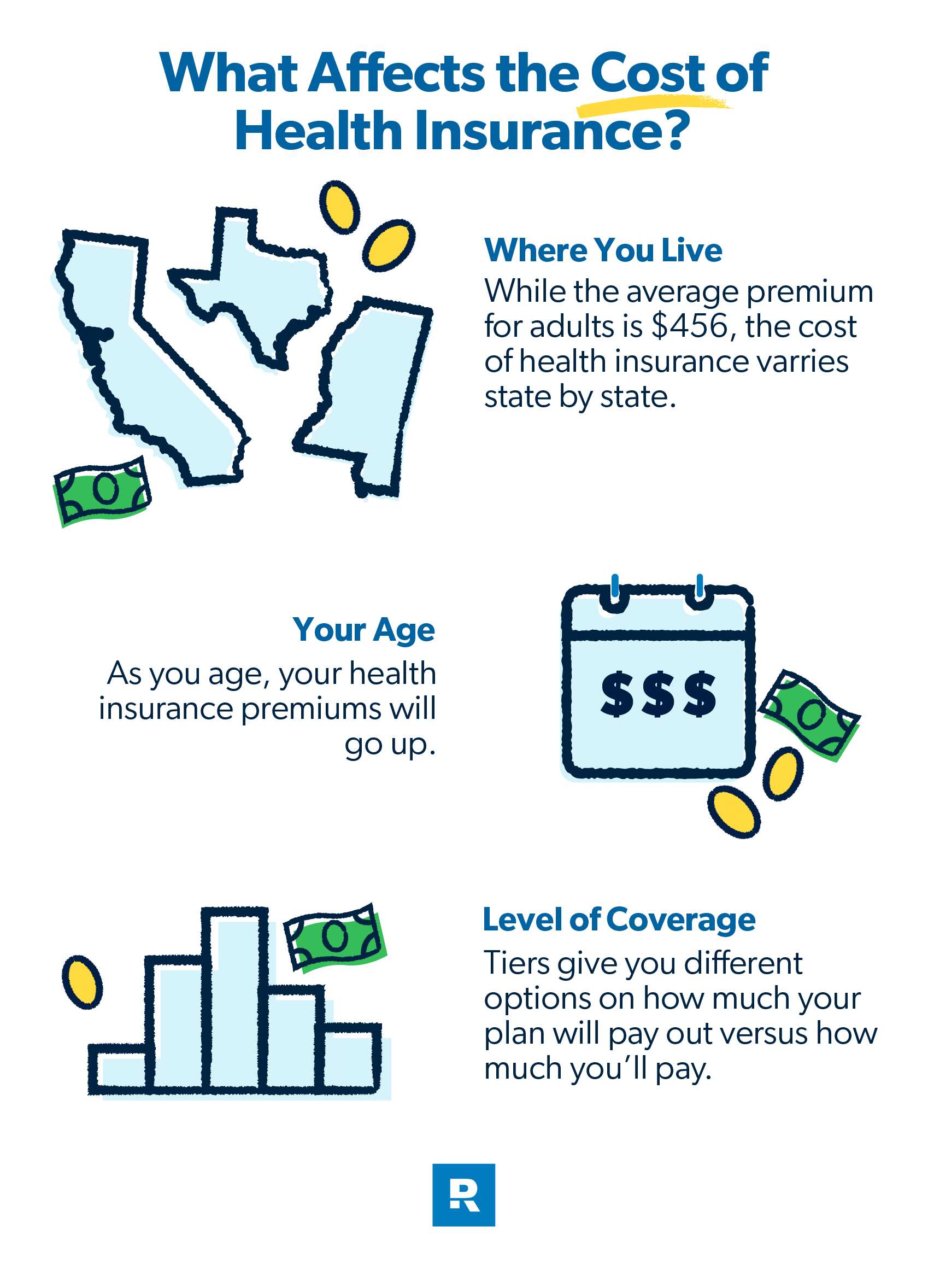
The reality is that there isn’t a single, universal answer to “what does health insurance cost?” Instead, it’s a dynamic figure influenced by a myriad of factors, from your geographic location and age to the type of plan you select and even your lifestyle choices. Beyond the visible monthly premium, there are often substantial out-of-pocket expenses that can significantly impact your financial health, especially during times of illness or injury. A holistic perspective is essential to truly grasp the financial implications and secure coverage that aligns with both your health needs and your financial capacity.
Deconstructing the Core Components of Health Insurance Costs
To truly understand the expense of health insurance, it’s vital to dissect it into its constituent parts. Each element plays a distinct role in determining your total financial outlay for healthcare, both on a recurring basis and when medical services are utilized. Ignoring any one of these components can lead to unpleasant financial surprises down the line.
Premiums: The Monthly Price Tag
The premium is perhaps the most familiar component of health insurance costs. It is the fixed amount you or your employer pay to the insurance company, typically on a monthly basis, to maintain your coverage. This payment is non-refundable and must be paid regardless of whether you use medical services during that period. Premiums are influenced by several key factors: your age (older individuals generally pay more), geographic location (healthcare costs and competition vary by state and region), the type of plan you choose (e.g., PPO, HMO, HDHP), and even tobacco use in some individual market plans, where surcharges can be applied. For those with employer-sponsored plans, employers often subsidize a significant portion of the premium, making it a more affordable option compared to purchasing coverage independently through the Affordable Care Act (ACA) marketplace or directly from an insurer. However, even with employer contributions, your share of the premium can still be substantial, and it’s a guaranteed monthly expense that factors heavily into your budget.
Deductibles: Your Out-of-Pocket Threshold
A deductible is the amount of money you must pay out-of-pocket for covered medical services before your insurance company begins to pay. For example, if your plan has a $3,000 deductible, you are responsible for the first $3,000 in covered medical expenses each year before your insurer contributes anything, beyond certain preventative services which are often covered pre-deductible. Deductibles typically reset annually. There’s an inverse relationship between premiums and deductibles: plans with lower monthly premiums often come with higher deductibles, meaning you pay less upfront each month but potentially more when you need care. Conversely, plans with higher premiums usually have lower deductibles, offering greater financial protection when medical services are accessed. Understanding your deductible is crucial because it represents a significant potential out-of-pocket cost you might face, especially if you anticipate needing regular medical care or face an unexpected health event.
Copayments and Coinsurance: Shared Costs at the Point of Service
Beyond the premium and deductible, copayments and coinsurance represent additional cost-sharing mechanisms that come into play once you start using medical services. A copayment (or copay) is a fixed amount you pay for a covered healthcare service at the time you receive it. For example, you might have a $30 copay for a doctor’s office visit or a $15 copay for a generic prescription. Copays typically do not count towards your deductible but do often count towards your out-of-pocket maximum. Coinsurance, on the other hand, is a percentage of the cost of a covered healthcare service that you pay after you’ve met your deductible. If your coinsurance is 20% and your insurer covers 80%, once your deductible is met, you’ll pay 20% of the bill for subsequent covered services, and the insurance company will pay the remaining 80%. Both copays and coinsurance mean that even after meeting your deductible, you will still share in the cost of your medical care until you reach your out-of-pocket maximum.
Out-of-Pocket Maximum: Your Financial Safety Net
The out-of-pocket maximum (or limit) is arguably the most critical protective feature of a health insurance plan. It is the maximum amount you will have to pay for covered medical expenses in a policy year. Once you reach this limit through a combination of deductibles, copayments, and coinsurance, your insurance company will then pay 100% of the cost for all covered in-network medical services for the remainder of that policy year. This financial ceiling acts as a crucial safeguard against catastrophic medical bills, ensuring that even in the face of a severe illness or accident, your personal financial exposure is capped. While premiums typically do not count towards the out-of-pocket maximum, understanding this limit is essential for budgeting and planning, as it defines your worst-case financial scenario for healthcare costs within a given year.
Factors That Significantly Influence Your Health Insurance Expenses
The total cost of your health insurance is not a static figure; it’s a dynamic calculation based on a multitude of variables. From the intricacies of insurance plan design to broader economic and demographic forces, several factors converge to determine the premiums you pay and the potential out-of-pocket expenses you might incur.
Plan Type: PPOs, HMOs, EPOs, POS, and HDHPs
The type of health insurance plan you select has a profound impact on both your monthly premiums and your out-of-pocket costs at the point of care. Each plan structure offers a different balance of flexibility, cost, and access to providers:
-
HMOs (Health Maintenance Organizations) typically have lower premiums but restrict coverage to a network of doctors and hospitals, often requiring a primary care physician (PCP) referral for specialists.
-
PPOs (Preferred Provider Organizations) offer more flexibility, allowing you to see out-of-network providers (though at a higher cost) and generally not requiring a PCP referral. This flexibility often comes with higher premiums.
-
EPOs (Exclusive Provider Organizations) are similar to HMOs in that they generally don’t cover out-of-network care, but they might not require PCP referrals.
-
POS (Point of Service) Plans blend features of HMOs and PPOs, offering network access like an HMO but allowing out-of-network care at a higher cost.
-
HDHPs (High-Deductible Health Plans) are characterized by lower premiums and significantly higher deductibles. They are often paired with Health Savings Accounts (HSAs), allowing individuals to save tax-free for medical expenses, which can be a strategic way to manage healthcare costs for those who anticipate lower medical needs. The choice among these plans should align with your health needs, financial situation, and preference for provider access.
Geographic Location: State and Local Market Dynamics
Where you live significantly influences the cost of health insurance. Healthcare costs vary widely across states and even within different regions of the same state due to factors like the cost of living, physician and hospital fees, state regulations, and the level of competition among insurance providers. States with higher medical expenses, greater demand for services, or less competition among insurers tend to have higher premiums. Additionally, state-specific mandates for covered benefits can also drive up costs in certain areas. For example, a state requiring all plans to cover acupuncture may have higher average premiums than one that does not. These regional variations mean that an identical plan can cost hundreds of dollars more or less depending on your ZIP code, making location a powerful determinant of your total health insurance expenditure.
Age, Health Status, and Lifestyle Choices
Individual characteristics play a critical role in premium calculations, particularly in the individual marketplace. Age is a primary factor; premiums typically increase as individuals get older, reflecting the higher statistical likelihood of needing more medical care with advancing age. While the Affordable Care Act prohibits insurers from charging more based on pre-existing conditions, it does allow them to charge older individuals up to three times more than younger individuals. Tobacco use is another significant lifestyle factor that can result in higher premiums. Insurers are permitted to impose a tobacco surcharge, which can add up to 50% to your monthly premium in some markets. While your current health status (beyond tobacco use) cannot directly result in higher premiums in ACA-compliant plans, historical health trends for specific demographics inform overall pricing models. Therefore, understanding these personal factors is crucial when estimating your potential health insurance costs.
Coverage Level and Benefits Included
The breadth and depth of your health insurance coverage also directly correlate with its cost. In the ACA marketplace, plans are categorized into “metal tiers”—Bronze, Silver, Gold, and Platinum—each representing a different actuarial value or the average percentage of healthcare costs the plan is expected to cover.
-
Bronze plans have the lowest premiums but cover approximately 60% of costs, leaving you with higher deductibles and out-of-pocket expenses.
-
Silver plans cover about 70% of costs and are the only tier eligible for cost-sharing reductions for those who qualify based on income.
-
Gold plans cover around 80% of costs with higher premiums but lower deductibles and out-of-pocket maximums.
-
Platinum plans cover roughly 90% of costs, offering the highest premiums but the lowest out-of-pocket costs when care is needed.
Beyond these tiers, specific benefits included in a plan—such as robust prescription drug coverage, extensive mental health services, or maternity benefits—can also influence the premium. A plan with comprehensive coverage for a wide range of services will invariably cost more than a plan with more limited benefits, requiring you to balance desired coverage against affordability.
Navigating the Marketplaces and Enrollment Options
Understanding the various avenues through which you can secure health insurance is as important as knowing its cost components. Each pathway offers distinct advantages, cost structures, and eligibility requirements that can significantly impact your financial outlay and access to care.

Employer-Sponsored Health Plans: The Most Common Route
For millions, health insurance comes through their employer, making it the most common form of coverage in the United States. Employer-sponsored plans typically offer significant advantages in terms of cost. Employers often subsidize a substantial portion of the monthly premiums, sometimes covering 50% or even more, making the employee’s share much lower than what they would pay for comparable individual coverage. These plans also often come with a wider array of options and potentially better benefits due to the larger risk pool. Enrollment usually occurs during an annual open enrollment period, or upon a qualifying life event like marriage or the birth of a child. If you lose your job or change employers, options like COBRA allow you to continue your former employer’s coverage for a limited time, albeit at a much higher cost as you would typically pay the full premium plus an administrative fee.
The Affordable Care Act (ACA) Marketplace: Individual and Family Plans
For those who don’t have access to employer-sponsored insurance, the ACA marketplace (Healthcare.gov or state-specific exchanges) provides a platform to compare and purchase individual and family health plans. A key feature of the ACA marketplace is the availability of financial assistance for eligible individuals and families. Premium Tax Credits (subsidies) can significantly reduce monthly premium costs, based on household income relative to the federal poverty level. Additionally, some individuals may qualify for Cost-Sharing Reductions, which lower deductibles, copayments, and out-of-pocket maximums. Enrollment in marketplace plans also occurs during a specific open enrollment period each year, typically from November 1st to January 15th for coverage beginning the following year. Understanding your eligibility for these subsidies is crucial, as they can dramatically alter your effective health insurance costs, making comprehensive coverage more attainable.
Medicare and Medicaid: Government-Sponsored Options
For specific populations, government-sponsored programs like Medicare and Medicaid provide vital health coverage with unique cost structures. Medicare is primarily for individuals aged 65 or older, as well as younger people with certain disabilities or end-stage renal disease. It consists of different parts (A, B, D, and C/Medicare Advantage), each with its own premium, deductible, and copayment structure. Medicare Part A (hospital insurance) is often premium-free for most people, while Part B (medical insurance) has a standard monthly premium that can be higher for high-income earners. Medicaid provides health coverage to low-income adults, children, pregnant women, elderly adults, and people with disabilities. Eligibility and specific benefits vary by state, but for those who qualify, Medicaid typically offers very low or no premiums and minimal out-of-pocket costs, making it an essential safety net for vulnerable populations. These programs demonstrate that health insurance costs are not just about private market mechanisms but also about public provisions for those who need it most.
Strategies for Managing and Reducing Health Insurance Costs
While health insurance is a non-negotiable expense for many, there are proactive strategies individuals and families can employ to manage and potentially reduce their overall healthcare expenditures. Smart financial planning and informed decision-making are key to optimizing both coverage and cost.
Smart Plan Selection: Balancing Premiums and Potential Out-of-Pocket
The most impactful decision you can make regarding health insurance costs is selecting the right plan for your needs. This involves a careful analysis of your anticipated healthcare usage against the trade-offs between premiums and potential out-of-pocket expenses. If you are generally healthy and rarely visit the doctor, a high-deductible health plan (HDHP) with a lower premium might be a cost-effective choice, especially if paired with an HSA. Conversely, if you anticipate frequent doctor visits, managing a chronic condition, or planning for a major medical event like pregnancy, a plan with a higher premium but lower deductible, copayments, and coinsurance (like a Gold or Platinum plan) could ultimately save you money by capping your direct expenses. Don’t just look at the monthly premium; consider the total potential cost, including the deductible and out-of-pocket maximum, to forecast your maximum financial exposure for the year.
Leveraging Subsidies and Financial Assistance
Many individuals and families are eligible for financial assistance that can significantly lower their health insurance costs, particularly through the ACA marketplace. It is crucial to accurately report your household income and family size when applying for coverage on Healthcare.gov or your state exchange. Premium Tax Credits can reduce your monthly premium, and for those with incomes between 100% and 250% of the federal poverty level, Cost-Sharing Reductions can further decrease deductibles, copayments, and out-of-pocket maximums, making Silver plans particularly attractive. Regularly checking your eligibility and updating your income information during the year can ensure you receive the maximum assistance available. For those with very low incomes, exploring eligibility for Medicaid should be a priority, as it offers comprehensive coverage with minimal to no personal cost.
Health Savings Accounts (HSAs) and Flexible Spending Accounts (FSAs)
For individuals enrolled in an HSA-eligible high-deductible health plan (HDHP), a Health Savings Account (HSA) is an invaluable financial tool. HSAs allow you to contribute pre-tax money, which grows tax-free and can be withdrawn tax-free for qualified medical expenses. This “triple tax advantage” makes HSAs a powerful savings and investment vehicle for healthcare costs, effectively reducing your taxable income while building a fund for current and future medical needs. For those not on an HDHP, a Flexible Spending Account (FSA), often offered through employers, allows you to set aside pre-tax money for healthcare expenses. While FSAs typically have a “use-it-or-lose-it” rule by year-end (with some rollover exceptions), they still offer significant tax savings on routine medical and dental costs, reducing your overall out-of-pocket burden.
Preventative Care and Wellness Programs
An often-overlooked strategy for managing health insurance costs is proactive engagement with preventative care and wellness. Most insurance plans, under the ACA, cover a wide range of preventative services—such as annual physicals, screenings, and immunizations—at no additional cost (no deductible, copay, or coinsurance). Utilizing these services can help detect potential health issues early, preventing them from escalating into more serious and costly conditions. Additionally, many employers offer wellness programs that incentivize healthy behaviors, sometimes providing premium discounts or other financial rewards. Investing in your health through lifestyle choices like regular exercise, a balanced diet, and stress management can reduce your reliance on medical services over the long term, thereby minimizing your out-of-pocket expenses for treatments, medications, and hospitalizations.
The Broader Economic Impact of Health Insurance Costs
Beyond individual budgets, the escalating cost of health insurance and healthcare generally has profound implications for the economy at large, influencing everything from household financial planning to national policy debates. Understanding this broader context highlights the systemic challenges and the importance of efficient financial management in this sector.
Impact on Personal Budgets and Financial Planning
For individual households, health insurance costs represent a significant and often unpredictable financial burden. High premiums, coupled with potentially substantial deductibles and out-of-pocket maximums, can consume a considerable portion of disposable income. This financial strain can limit savings for retirement, education, or other financial goals, and force difficult budgetary trade-offs. The risk of unexpected medical debt from a severe illness or accident remains a major concern, as even with insurance, large deductibles and uncovered services can lead to substantial bills. Effective financial planning must incorporate a realistic assessment of potential healthcare costs, including setting aside funds in HSAs or emergency savings, to mitigate the risk of medical expenses derailing long-term financial stability. The ability to manage these costs is directly tied to an individual’s financial resilience and overall well-being.
Macroeconomic Implications and Policy Debates
On a macroeconomic level, the rising cost of health insurance and healthcare contributes to healthcare inflation, impacting national productivity, wages, and international competitiveness. Employers, facing ever-increasing premiums, often absorb these costs or pass them on to employees through higher deductibles, reduced benefits, or stagnant wages. This creates a drag on economic growth and can lead to job insecurity. Governments grapple with how to fund and regulate healthcare, leading to ongoing policy debates about universal healthcare, price controls, and the role of private vs. public insurance. The financial health of the nation is inextricably linked to the affordability and accessibility of quality healthcare, making the cost of health insurance a central pillar of economic policy and social welfare discussions. Future solutions will likely involve a complex interplay of technological innovation, regulatory reforms, and market-based incentives to curb costs while ensuring broad access to care.

Conclusion
The question “what does health insurance cost” reveals a complex web of financial components, personal factors, and market dynamics. It’s not just the monthly premium you pay but also the deductible, copayments, coinsurance, and out-of-pocket maximum that truly define your financial commitment to healthcare. Geographic location, plan type, age, and coverage level all play significant roles in shaping these costs.
Navigating the options available through employer-sponsored plans, the ACA marketplace, or government programs like Medicare and Medicaid requires diligent research and an understanding of eligibility criteria for subsidies. Crucially, managing these costs extends beyond initial plan selection to proactive strategies like leveraging HSAs/FSAs, prioritizing preventative care, and understanding your total potential financial exposure. In an environment where healthcare expenses are a major component of personal and national budgets, being an informed consumer is paramount. By thoroughly understanding all aspects of health insurance costs, individuals can make smarter choices that protect both their health and their financial future.
aViewFromTheCave is a participant in the Amazon Services LLC Associates Program, an affiliate advertising program designed to provide a means for sites to earn advertising fees by advertising and linking to Amazon.com. Amazon, the Amazon logo, AmazonSupply, and the AmazonSupply logo are trademarks of Amazon.com, Inc. or its affiliates. As an Amazon Associate we earn affiliate commissions from qualifying purchases.