
Understanding your monthly income is more than just knowing what hits your bank account every payday. It’s the foundational pillar of effective personal finance, dictating everything from your daily spending habits to your long-term investment strategies and retirement planning. For many, this calculation might seem straightforward – a quick glance at a pay stub. However, for a significant portion of the workforce, including freelancers, business owners, and those with diverse income streams, deciphering the true figure can be a complex endeavor. This comprehensive guide will navigate you through the various facets of identifying and calculating your monthly income, empowering you with the knowledge to make informed financial decisions.

Decoding Your Paycheck: Gross vs. Net Income
The first, and arguably most crucial, distinction to grasp when determining your monthly income is the difference between gross and net income. While both figures are essential, they serve distinct purposes in your financial planning.
Gross Income: The Starting Point
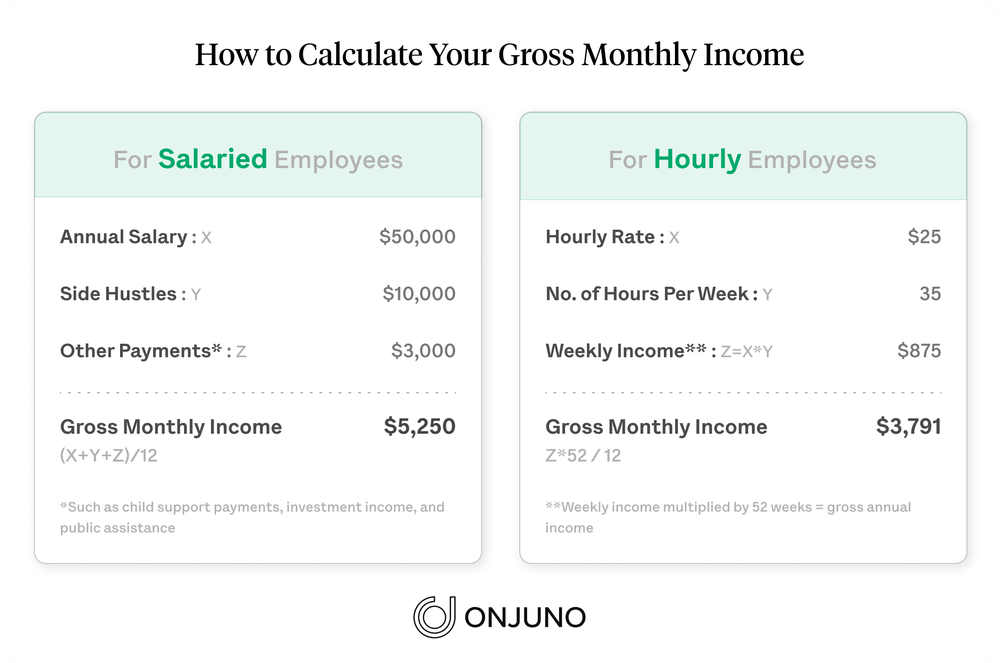
Your gross income represents the total amount of money you earn before any deductions are taken out. For salaried employees, this is your annual salary divided by twelve, or your hourly rate multiplied by the number of hours worked in a month. For those paid bi-weekly, it’s the sum of two paychecks, sometimes three in a “fat” month. If you receive bonuses, commissions, or overtime pay, these also contribute to your gross income in the month they are earned.
It’s vital to know your gross income because it’s often the figure used by lenders when evaluating your eligibility for loans, mortgages, or credit cards. It also serves as the baseline for calculating various taxes and benefits.
Net Income: Your Spendable Funds
Net income, often referred to as “take-home pay,” is the amount of money you actually receive after all mandatory and voluntary deductions have been subtracted from your gross income. This is the figure that dictates your actual spending power and the true amount available for budgeting, saving, and investing.
While your gross income paints a picture of your earning potential, it is your net income that truly reflects your financial reality. Confusing the two can lead to overspending or unrealistic financial projections.
Understanding Deductions and Taxes
The journey from gross to net income involves a series of deductions. These can broadly be categorized into mandatory and voluntary contributions.
Mandatory Deductions:
-
Federal and State Income Tax: A percentage of your earnings paid to government entities. The exact amount depends on your income level, filing status, and tax withholdings (W-4 elections).
-
Social Security Tax (FICA): A federal tax contributing to social security benefits.
-
Medicare Tax (FICA): A federal tax contributing to Medicare health insurance.
-
Local Taxes: Some cities or counties levy additional income taxes.
Voluntary (or Employer-Mandated) Deductions:
-
Health Insurance Premiums: Your share of the cost for health, dental, or vision insurance provided through your employer.
-
Retirement Contributions: Deductions for 401(k), 403(b), or other employer-sponsored retirement plans. These are often pre-tax deductions, meaning they reduce your taxable income.
-
Life Insurance or Disability Insurance: Premiums for supplemental insurance policies.
-
Flexible Spending Accounts (FSAs) or Health Savings Accounts (HSAs): Contributions to these tax-advantaged accounts for healthcare or dependent care expenses.
-
Union Dues: If applicable to your profession.
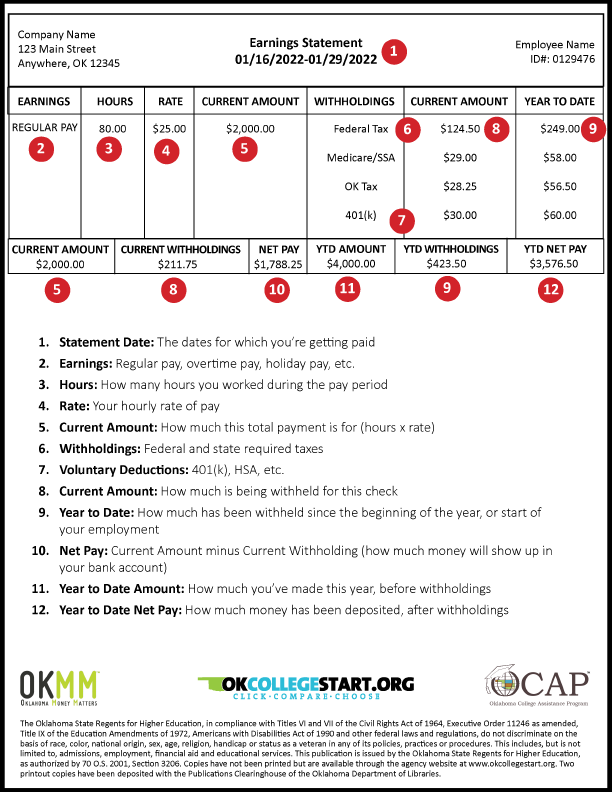
To accurately determine your monthly net income, you should consolidate all your pay stubs for a typical month. Look for the “net pay” or “take-home pay” amount. If you receive paychecks bi-weekly, sum the net pay from two checks. If you have fluctuating pay periods or variable income, you’ll need a more granular approach.
Systematic Approaches to Income Calculation and Tracking
While the gross-versus-net distinction is critical, the method for calculating your monthly income varies significantly depending on your employment status and the nature of your earnings.
Fixed Salary Earners: Simple Calculation
For individuals receiving a consistent, fixed salary, calculating monthly income is relatively straightforward.
-
If paid monthly: Your monthly net income is simply the net amount on your pay stub.
-
If paid bi-weekly (26 pay periods per year): Take the net amount of one paycheck and multiply it by two. However, be aware that twice a year, you will receive three paychecks in a month. For consistent monthly budgeting, it’s often best to calculate your annual net income (sum of all paychecks) and divide by 12.
-
If paid weekly (52 pay periods per year): Multiply your weekly net pay by four. Again, some months will have five paychecks. For accuracy, annual net income divided by 12 is recommended.
Always refer to your pay stubs, as they provide a detailed breakdown of your gross pay and all deductions.
Freelancers and Gig Workers: Navigating Variable Income
Freelancers, independent contractors, and gig workers face a greater challenge due to the inherent variability of their income. Projects might be sporadic, client payments irregular, and expenses often come out of pocket before being reimbursed or deducted for tax purposes.
To find your monthly income in this scenario:
-
Track All Income Sources: Maintain meticulous records of all payments received from clients, platforms, or agencies. Use spreadsheets, accounting software, or dedicated apps.
-
Estimate Monthly Expenses: Before you can truly know your net income, you need to account for your business expenses (e.g., software subscriptions, professional development, supplies, marketing).
-
Account for Self-Employment Taxes: As a self-employed individual, you are responsible for both the employer and employee portions of Social Security and Medicare taxes, in addition to federal and state income taxes. It’s crucial to set aside a significant portion (often 20-35% or more, depending on your income bracket) of your gross earnings for taxes.
-
Calculate an Average: It’s often more practical to calculate an average monthly income. Review your income over the past 3-6 months, or even a full year, sum the net income (after business expenses and a tax set-aside), and divide by the number of months. This provides a more realistic figure for budgeting.
Business Owners: Differentiating Personal from Business Income
For small business owners, especially sole proprietors or single-member LLCs, the line between personal and business finances can blur. To accurately determine your personal monthly income:
-
Separate Business and Personal Accounts: This is fundamental. All business income and expenses should flow through a dedicated business account.
-
Understand Your Draw or Salary: How do you pay yourself? Is it a regular salary (if incorporated), an owner’s draw, or distributions? This is your personal income from the business.
-
Account for Business Expenses and Taxes: The business’s gross revenue is not your personal income. You must subtract all business operating expenses and set aside funds for business taxes before calculating your personal draw.
-
Consider Profit Distribution: If your business generates profits beyond your regular draw, how are these distributed? This also contributes to your personal income.
Consulting with an accountant is highly recommended for business owners to ensure proper income calculation, tax planning, and financial separation.
Leveraging Personal Finance Software and Apps
In today’s digital age, numerous tools can simplify the process of tracking and calculating your monthly income.
-
Budgeting Apps (e.g., Mint, YNAB, Personal Capital): These apps connect to your bank accounts, credit cards, and investment accounts, automatically categorizing transactions and providing a clear overview of your income and expenses. Many allow you to tag income sources and generate reports.
-
Spreadsheets (e.g., Excel, Google Sheets): For those who prefer a more hands-on approach, a customized spreadsheet can be powerful. You can create columns for each income source, date received, gross amount, deductions, and net amount, allowing you to sum monthly totals.
-
Accounting Software (e.g., QuickBooks Self-Employed, FreshBooks): Specifically designed for freelancers and small businesses, these tools help track invoices, expenses, and automatically calculate potential tax liabilities, making it easier to determine net income.
These tools not only help you find your current monthly income but also provide historical data for trend analysis and forecasting.
Unearthing All Income Streams: Beyond the Obvious
Many people have income sources that extend beyond their primary job or business. Overlooking these can lead to an inaccurate picture of your true financial inflow.
Investment Income: Dividends, Interest, Capital Gains
If you have investments, they can generate regular income:
-
Dividends: Payments from stocks or mutual funds, often paid quarterly.
-
Interest: Earnings from savings accounts, bonds, or Certificates of Deposit (CDs), which can be paid monthly, quarterly, or annually.
-
Capital Gains Distributions: From mutual funds, often once or twice a year.
-
Realized Capital Gains: Profits from selling investments, which could occur at any time.
While some of these might not be monthly, knowing your average monthly investment income can be crucial for a holistic view. Track these distributions from your brokerage or bank statements.
Rental Income and Royalties
-
Rental Properties: If you own rental properties, the income generated (minus expenses like mortgage, maintenance, property taxes) contributes to your overall monthly income.
-
Royalties: Income derived from intellectual property (books, music, patents) can also be a recurring income stream, though often variable.
Side Hustles and Passive Income Sources
The rise of the gig economy has made side hustles a significant income source for many.
-
Gig Work: Driving for ride-sharing apps, delivering food, freelancing on platforms like Upwork or Fiverr.
-
Online Sales: Selling products on Etsy, eBay, or through your own e-commerce store.
-
Affiliate Marketing/Blogging: Earnings from online content creation.
-
Peer-to-Peer Lending: Interest earned from lending money to others.
Even if these are small, inconsistent amounts, they add up. Consistently tracking all income from these supplementary activities is essential.
Benefits and Other Non-Work Related Inflows
Don’t forget to include other regular inflows:
-
Social Security Benefits: If you are retired or disabled.
-
Pension Payments: From previous employment.
-
Alimony or Child Support: Regular payments received.
-
Government Benefits: Unemployment, disability, or other welfare benefits.
A comprehensive view of your monthly income must capture every single dollar that comes into your possession.
The Strategic Importance of Knowing Your Monthly Income
Accurately knowing your monthly income is not merely an accounting exercise; it’s a strategic imperative that underpins virtually every aspect of sound financial management.
Budgeting and Financial Planning
The most immediate and obvious benefit of knowing your monthly income is its role in budgeting. A budget is essentially a spending plan that allocates your income to various expenses, savings, and debt repayments. Without a precise understanding of how much money you have coming in, creating a realistic and effective budget is impossible. An accurate income figure allows you to:
-
Allocate funds to fixed and variable expenses confidently.
-
Identify areas where you might be overspending.
-
Ensure you’re living within your means.
-
Plan for future large purchases or financial goals.
Debt Management and Loan Applications
Lenders, whether for mortgages, car loans, or personal loans, rely heavily on your income figures to assess your creditworthiness and ability to repay debt. They use metrics like the Debt-to-Income (DTI) ratio, which directly compares your monthly debt payments to your gross monthly income. A clear understanding of your income allows you to:
-
Determine how much debt you can realistically afford.
-
Negotiate better loan terms by demonstrating financial stability.
-
Strategize debt repayment plans, such as the debt snowball or avalanche method.
For self-employed individuals, having well-documented income records is even more critical when applying for financing, as lenders will require proof of stable and sufficient earnings.
Saving and Investment Goals
Whether your goal is to save for a down payment on a house, build an emergency fund, contribute to a child’s education, or invest for retirement, your monthly income dictates the pace and capacity of these efforts. Knowing your net income enables you to:
-
Set realistic savings targets.
-
Automate contributions to savings and investment accounts.
-
Determine how aggressively you can invest to meet long-term goals.
-
Adjust your saving rate if your income changes.
This clear picture helps you move from aspirational goals to actionable plans.
Identifying Opportunities for Growth and Optimization
Finally, a consistent review of your monthly income can highlight opportunities for financial growth.
-
Income Discrepancies: Are you being paid correctly? Reviewing your income can catch errors on pay stubs or invoices.
-
Underutilized Assets: Are your investments generating the expected returns? Is your rental property priced optimally?
-
Income Augmentation: If your expenses are consistently close to your income, it might signal a need to explore additional income streams, negotiate a raise, or optimize your current revenue models.
-
Tax Planning: Understanding your total income allows for more effective tax planning, identifying potential deductions or strategies to reduce your overall tax burden.
In conclusion, finding out your monthly income is not a one-time task but an ongoing financial practice. It requires diligence, accuracy, and a comprehensive view of all the money flowing into your life. By mastering this fundamental aspect of personal finance, you lay the groundwork for a secure, stable, and prosperous financial future.
aViewFromTheCave is a participant in the Amazon Services LLC Associates Program, an affiliate advertising program designed to provide a means for sites to earn advertising fees by advertising and linking to Amazon.com. Amazon, the Amazon logo, AmazonSupply, and the AmazonSupply logo are trademarks of Amazon.com, Inc. or its affiliates. As an Amazon Associate we earn affiliate commissions from qualifying purchases.