
In an increasingly data-driven world, the quest for optimal health and fitness often begins with a fundamental understanding of our energy balance. For many, this means asking: “How many calories do I really need?” The answer, while seemingly simple, is deeply personal and influenced by a myriad of factors, from age and gender to activity level and metabolic rate. Fortunately, the era of guesswork is giving way to an age of precision, largely thanks to the rapid advancements in technology. From sophisticated apps to intelligent wearables and AI-driven platforms, technology has revolutionized our ability to measure, track, and optimize our caloric intake with unprecedented accuracy.
This article delves into how cutting-edge technological tools can empower you to demystify your personal energy requirements. We’ll explore the foundational scientific concepts that underpin caloric needs and demonstrate how digital innovations make these complex calculations accessible and actionable. By harnessing the power of tech, you can move beyond generic recommendations to a truly personalized approach to nutrition, fueling your body precisely for its unique demands and goals.
Understanding the Calorie Equation: Foundational Concepts Supported by Digital Tools
Before diving into the tech, it’s crucial to grasp the basic principles of energy expenditure. Calories are units of energy, and our bodies constantly consume them for every function, from breathing to exercising. Determining your caloric needs involves understanding several key metrics, all of which are now significantly easier to calculate and track with the aid of digital tools.
Demystifying Basal Metabolic Rate (BMR) and Resting Energy Expenditure (REE)
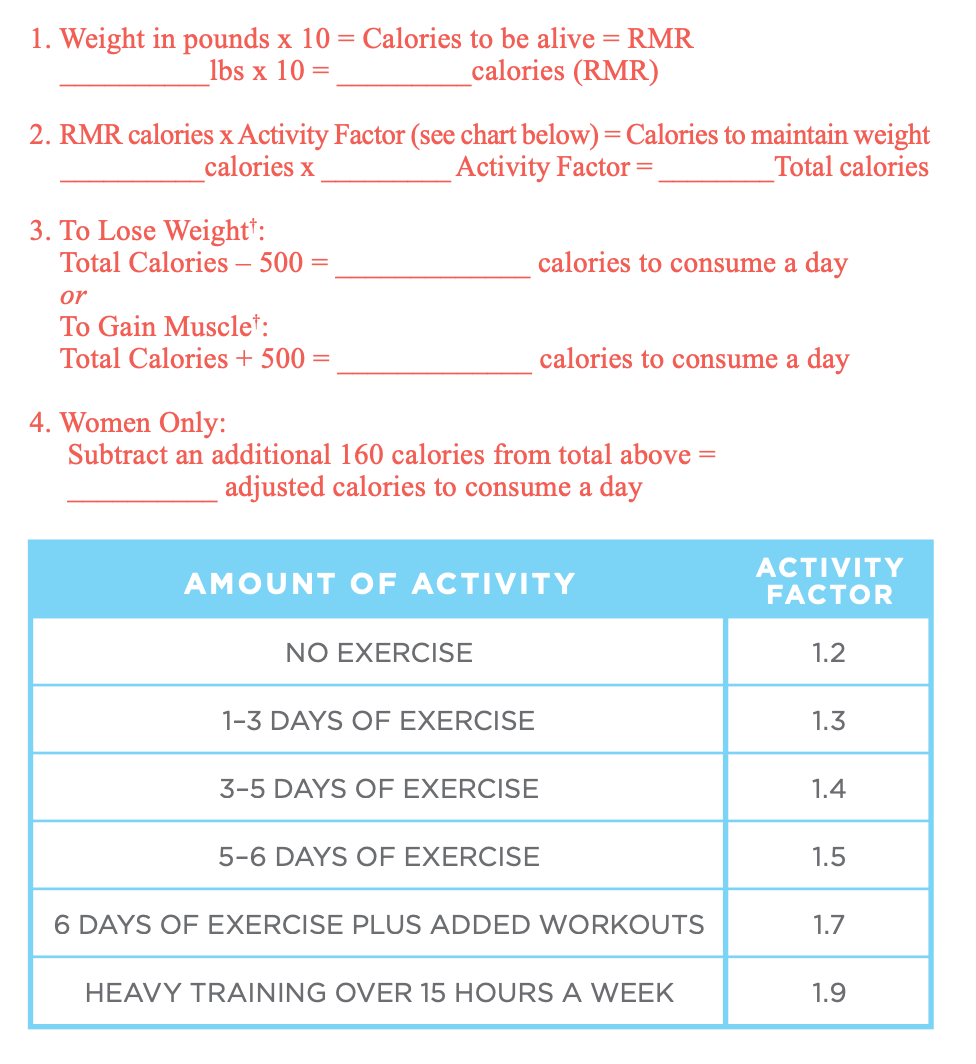
The Basal Metabolic Rate (BMR) is the number of calories your body burns at rest to maintain basic life-sustaining functions, such as organ function, circulation, and temperature regulation. It’s essentially the energy required to keep you alive and functioning if you were to spend an entire day in bed. Closely related is Resting Energy Expenditure (REE), which is often used interchangeably with BMR but includes the small amount of energy expended during digestion and light activity that might occur when someone is “at rest” but not in a perfectly basal state.
Historically, calculating BMR involved complex equations like the Mifflin-St Jeor or Harris-Benedict formulas, requiring manual input of age, gender, weight, and height. While these formulas still form the basis, a multitude of online calculators and mobile apps now integrate them, instantly providing an estimated BMR with just a few taps. These digital tools simplify the initial step, making it accessible to anyone without needing to remember mathematical formulas. Some advanced body composition scales, often integrated with accompanying apps, can even estimate BMR based on body fat percentage and lean muscle mass, offering a potentially more personalized starting point.
Calculating Total Daily Energy Expenditure (TDEE): Beyond Basic Formulas
While BMR accounts for your resting energy, it doesn’t represent your total daily caloric burn. For that, we turn to Total Daily Energy Expenditure (TDEE), which includes your BMR plus the calories burned through physical activity and the thermic effect of food (TEF). TEF refers to the energy expended during the digestion, absorption, and metabolism of food, accounting for roughly 5-10% of your total caloric intake.
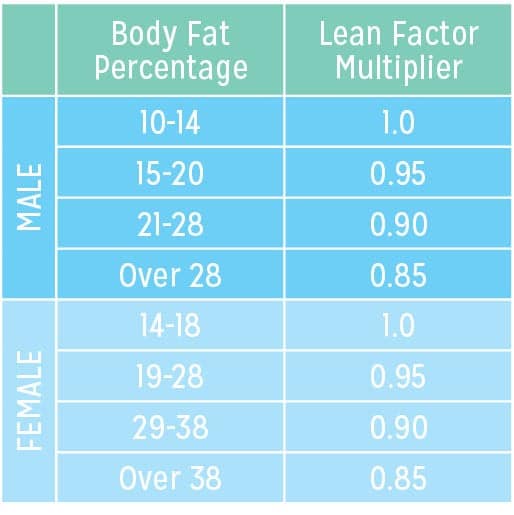
Calculating TDEE traditionally involves multiplying your BMR by an activity factor (e.g., sedentary, lightly active, moderately active, very active, extra active). These factors are broad estimates, and accurately assigning yourself to a category can be subjective. Here’s where technology truly shines. Modern fitness apps and online platforms often incorporate more granular activity factor assessments, asking detailed questions about your daily routine or, more powerfully, integrating with wearable technology to provide real-time, dynamic adjustments. This moves the TDEE calculation from a static estimate to a more adaptive model, reflecting your actual energy output.
The Impact of Activity Levels and Thermic Effect of Food (TEF)
The most variable component of TDEE is physical activity. From structured workouts to daily movement, every action contributes to your caloric burn. Technology, particularly wearable devices, has revolutionized our ability to quantify this. Instead of merely guessing if you’re “moderately active,” smartwatches and fitness trackers can provide concrete data on steps taken, distance covered, intensity of exercise, and even estimated calorie burn during specific activities.
While TEF is a smaller component, it’s also implicitly factored into calorie tracking apps. When you log your food intake, these apps use sophisticated databases to account for the macronutrient composition of your meals. Different macronutrients have varying thermic effects (protein has a higher TEF than carbohydrates or fats). By accurately logging your food, these apps indirectly help you account for TEF’s contribution to your overall energy balance, painting a more complete picture of your daily energy equation.
The Digital Toolkit: Essential Apps and Online Calculators for Calorie Tracking
The core of modern calorie management lies in the digital tools readily available on our smartphones and web browsers. These platforms have transformed the daunting task of tracking into an intuitive and often engaging experience.
Comprehensive Nutrition Tracking Applications: Features and Functionality
Nutrition tracking apps have become indispensable for anyone serious about understanding their caloric intake. Platforms like MyFitnessPal, Lose It!, Cronometer, and MacroFactor offer a robust suite of features:
-
Extensive Food Databases: Their strength lies in vast, regularly updated databases of millions of foods, including brand-name products, restaurant items, and generic ingredients. This eliminates the need for manual data entry of nutritional information for most common foods.
-
Barcode Scanners: A game-changer for convenience, barcode scanners allow users to instantly log packaged foods by simply scanning the UPC code with their phone’s camera, pulling up detailed nutritional data.
-
Recipe Builders: For home cooks, these apps allow users to input ingredients for homemade meals and automatically calculate the nutritional breakdown per serving.
-
Macronutrient Tracking: Beyond total calories, these apps provide detailed breakdowns of protein, carbohydrates, and fats, essential for those following specific dietary approaches (e.g., keto, high-protein).
-
Goal Setting and Progress Tracking: Users can set calorie and macronutrient goals based on their BMR, TDEE, and fitness objectives (weight loss, gain, maintenance) and visualize their progress over time through graphs and reports.
-
Community and Support: Many apps include social features, allowing users to connect with friends, share progress, and find motivation, transforming a solitary effort into a supported journey.
Specialized Online Calculators: Unpacking BMR, TDEE, and Macronutrient Ratios
While comprehensive apps offer an all-in-one solution, dedicated online calculators serve a crucial role for quick estimates or specific calculations. Websites often host tools specifically for:
-
BMR and TDEE Calculation: These simple, user-friendly calculators quickly churn out estimates based on your basic demographic data and activity level, providing an excellent starting point for those new to calorie tracking.
-
Macronutrient Ratio Calculators: Based on your TDEE and specific goals, these tools recommend ideal protein, fat, and carbohydrate ratios, helping you design a balanced diet.
-
Body Fat Percentage Calculators: While less precise than clinical methods, online calculators using circumference measurements or caliper inputs can provide a rough estimate of body composition, influencing overall energy needs.
-
Weight Loss Predictors: Some calculators can estimate the time it will take to reach a specific weight goal based on your caloric deficit, offering motivation and a realistic timeline.
These specialized tools are invaluable for foundational understanding and setting initial parameters before diving into the daily grind of logging. They serve as excellent educational resources, demystifying the numbers behind your nutritional goals.
Integrating Food Databases and Barcode Scanners for Seamless Logging
The true power of these digital tools lies in their ability to make data entry as effortless as possible. Manual logging of every food item can be tedious and prone to error. Food databases, meticulously curated and constantly updated, ensure that when you search for “apple” or “chicken breast,” you get accurate nutritional information. More impressively, the integration of barcode scanners transforms grocery shopping and meal preparation. Instead of painstakingly searching for “Greek yogurt, plain, full fat,” a quick scan instantly populates the entry, including calories, macros, and sometimes even micronutrients. This seamless integration significantly reduces the barrier to consistent tracking, making it a sustainable habit rather than a chore.
Wearable Technology: Real-Time Data for Dynamic Calorie Management
The advent of wearable technology has taken calorie management to an entirely new level, moving beyond static calculations to dynamic, real-time insights into energy expenditure and overall physiological state.
Fitness Trackers and Smartwatches: Monitoring Energy Burn and Activity Intensity
Modern fitness trackers and smartwatches (e.g., Apple Watch, Fitbit, Garmin, Whoop) are far more than just step counters. Equipped with sophisticated sensors, they provide a continuous stream of data critical for understanding your caloric needs:
-
Activity Tracking: They accurately count steps, distance, and flights of stairs climbed, providing a comprehensive view of your non-exercise activity thermogenesis (NEAT).
-
Heart Rate Monitoring: Continuous heart rate tracking during workouts allows these devices to estimate calorie expenditure with greater precision than simple algorithms, as higher heart rates correlate with increased energy burn.
-
Workout Logging: Most wearables allow you to log specific workouts (running, cycling, strength training), providing detailed metrics like duration, intensity zones, and estimated calories burned, often pushing this data directly to your preferred nutrition app.
-
GPS Tracking: For outdoor activities, GPS enables precise distance and pace tracking, further enhancing the accuracy of calorie burn estimates.
By providing objective, real-time data on your physical activity, wearables offer a powerful feedback loop, allowing you to see how your daily movement directly impacts your energy expenditure, enabling more informed dietary choices.
Advanced Biometric Data: Heart Rate Variability (HRV) and Sleep Analysis
Beyond activity, high-end wearables now delve into more nuanced biometric data that indirectly influences caloric needs and overall health:
-
Heart Rate Variability (HRV): HRV measures the variation in time between heartbeats and is an indicator of autonomic nervous system balance. A low HRV can suggest stress, overtraining, or illness, all of which can impact recovery and metabolic efficiency, subtly altering energy requirements. Monitoring HRV can signal when your body might need more rest or recovery, affecting your energy demands for the day.
-
Sleep Tracking: Wearables meticulously track sleep stages (light, deep, REM), duration, and interruptions. Poor sleep can disrupt hormones that regulate appetite (ghrelin and leptin) and increase insulin resistance, potentially affecting how your body processes and stores calories. By identifying sleep deficiencies, wearables highlight areas where lifestyle adjustments could indirectly optimize metabolic health and energy balance.
-
Stress Monitoring: Some devices track stress levels through heart rate data, providing insights into periods of physiological strain. Chronic stress can impact cortisol levels, which in turn can influence metabolism and nutrient partitioning.
While these metrics don’t directly calculate calories, they provide crucial context, helping you understand the physiological factors that influence your body’s energy demands and metabolic efficiency. Integrating this data with your caloric intake allows for a more holistic approach to health and performance.
Synchronizing Wearable Data with Nutrition Platforms for Holistic Insights
The true power of modern tech for calorie management lies in the seamless integration between wearables and nutrition tracking apps. Most major fitness trackers and smartwatches offer direct synchronization with popular nutrition platforms. This means:
-
Automatic Activity Calorie Adjustment: Your daily activity and workout calorie burn, as recorded by your wearable, is automatically pushed to your nutrition app, dynamically adjusting your estimated TDEE and remaining calorie budget for the day. This eliminates manual input and significantly enhances the accuracy of your overall energy balance.
-
Unified Data View: All your health data—activity, sleep, heart rate, and nutritional intake—resides in one ecosystem, providing a comprehensive dashboard of your health metrics. This unified view helps you connect the dots between your diet, exercise, and recovery, enabling more informed decisions.
-
Personalized Recommendations: As these systems gather more data over time, they can begin to offer increasingly personalized recommendations, adapting your caloric targets based on your actual energy expenditure, recovery status, and even observed metabolic responses.
This synergy between devices and applications creates a powerful feedback loop, transforming passive data collection into actionable insights for precise calorie management.
The Horizon of Personalized Nutrition: AI, Biometrics, and Future Innovations
The journey towards perfectly tailored nutrition is still evolving, with artificial intelligence, advanced biometrics, and emerging technologies promising even greater precision in determining individual caloric needs and dietary strategies.
AI-Powered Dietary Recommendations and Predictive Analytics
Artificial intelligence is at the forefront of the next wave of personalized nutrition. Moving beyond rule-based systems, AI algorithms can analyze vast datasets—including your logged food, wearable data, physiological responses, and even genetic predispositions—to generate highly customized dietary recommendations.
-
Dynamic Calorie Adjustment: AI can learn how your body responds to different foods and activity levels, dynamically adjusting your caloric targets not just based on a formula, but on your unique metabolic feedback. If a particular workout burns more or less than expected, or if a specific food causes a metabolic spike, AI can factor that into future recommendations.
-
Predictive Modeling: AI can predict how certain dietary changes might impact your weight, energy levels, or performance over time, offering proactive guidance rather than reactive adjustments.
-
Contextual Understanding: AI can consider context, such as stress levels (from wearables), sleep quality, or even upcoming events (a marathon next month), to fine-tune caloric and macronutrient advice.
-
Automated Meal Planning: Some platforms are beginning to leverage AI to generate personalized meal plans that meet your caloric and macronutrient goals while adhering to your dietary preferences, restrictions, and even culinary skills.
Genetic Testing and Microbiome Analysis for Tailored Calorie Strategies
The ultimate personalization may lie within our own biology. Genetic testing and microbiome analysis offer profound insights into individual metabolic differences.
-
Nutrigenomics: Genetic tests can reveal predispositions related to nutrient absorption, metabolism of fats and carbohydrates, caffeine sensitivity, and even satiety signals. This information can inform more precise caloric and macronutrient ratios. For example, some individuals may metabolize carbohydrates more efficiently than others, influencing their optimal caloric breakdown.
-
Microbiome Analysis: The composition of your gut microbiota significantly impacts nutrient extraction from food, metabolism, and even appetite regulation. Analyzing your microbiome can identify imbalances and suggest dietary changes that could optimize gut health, which in turn influences how effectively your body utilizes calories and nutrients. Companies are emerging that offer personalized dietary recommendations based on your unique gut bacteria profile.
While still relatively nascent and often costly, these technologies promise a future where caloric needs are determined not just by activity, but by your very genetic and microbial makeup, offering unparalleled precision.
Continuous Glucose Monitoring (CGM) and Real-Time Metabolic Feedback
Continuous Glucose Monitors (CGMs), once primarily for diabetics, are gaining traction in the general wellness space. These small devices painlessly track blood glucose levels in real-time, providing immediate feedback on how your body responds to different foods and activities.
-
Personalized Carb Tolerance: CGMs can show you how specific carbohydrate-rich foods impact your blood sugar, allowing you to identify foods that cause sharp spikes and crashes. This isn’t just about managing diabetes; it’s about understanding your personal metabolic response to different calorie sources.
-
Optimizing Meal Timing: Real-time glucose data can help you optimize meal timing around workouts or sleep, ensuring stable energy levels and better metabolic health.
-
Impact of Stress and Sleep: CGMs can also highlight how factors like stress, sleep deprivation, and even mild illness affect your glucose regulation, offering a direct window into your metabolic resilience and how it influences your energy demands.
By providing immediate, objective feedback on your body’s metabolic response to food, CGMs empower individuals to make highly informed decisions about their caloric intake and food choices, moving beyond generic advice to a data-driven understanding of their unique physiology.
In conclusion, the journey to precisely determine your caloric needs has been profoundly transformed by technology. From foundational online calculators to sophisticated nutrition apps, dynamic wearable data, and the burgeoning fields of AI, genetics, and continuous biometrics, the tools available today offer an unprecedented level of personalization and accuracy. By embracing these technological advancements, individuals can move beyond generalized dietary guidelines and embark on a truly data-informed path to optimize their energy intake, enhance performance, and achieve sustainable health and wellness goals. The future of nutrition is precise, personalized, and powered by tech.
aViewFromTheCave is a participant in the Amazon Services LLC Associates Program, an affiliate advertising program designed to provide a means for sites to earn advertising fees by advertising and linking to Amazon.com. Amazon, the Amazon logo, AmazonSupply, and the AmazonSupply logo are trademarks of Amazon.com, Inc. or its affiliates. As an Amazon Associate we earn affiliate commissions from qualifying purchases.