
Retirement marks a significant transition, offering the promise of freedom and the pursuit of long-held dreams. However, realizing this vision requires meticulous planning, especially when it comes to understanding and securing your future income. Figuring out your retirement income isn’t merely about having enough money; it’s about building a robust financial framework that supports your desired lifestyle for potentially decades. This comprehensive guide will walk you through the essential steps, from envisioning your golden years to implementing smart strategies to ensure your financial security.
1. Defining Your Retirement Lifestyle and Expenses
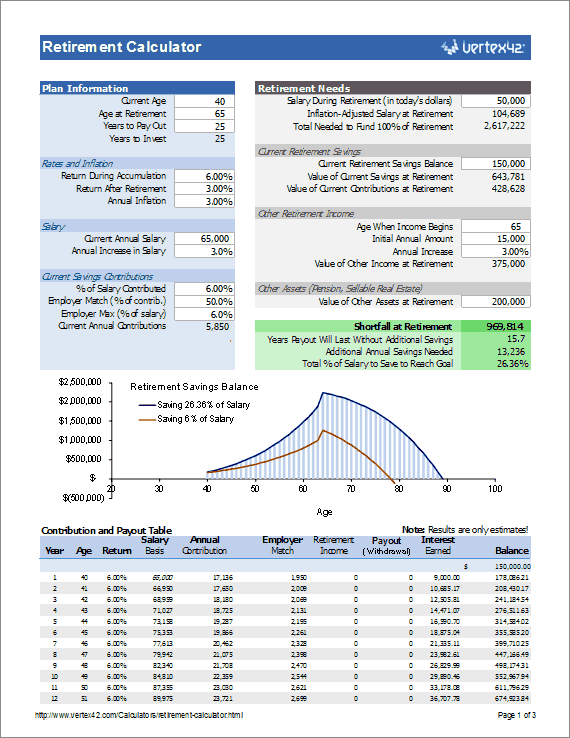
The first crucial step in calculating your retirement income is to clearly define what retirement means to you. Your lifestyle choices will directly dictate the level of income you’ll need. Without a clear vision, it’s impossible to set accurate financial goals.
Envisioning Your Golden Years
Start by dreaming. What does your ideal retirement look like?
-
Lifestyle Choices: Do you envision extensive travel, pursuing new hobbies, spending more time with grandchildren, volunteering, or simply relaxing at home? Each choice carries a different cost. A globe-trotting retirement will naturally require more income than a quiet life at home.
-
Geographic Considerations: Will you stay in your current home, downsize to a smaller property, or relocate to a different city, state, or even country? Moving can significantly alter your cost of living, property taxes, and even healthcare expenses. Some retirees opt for areas with lower tax burdens or a more favorable climate.
-
Healthcare and Long-Term Care Planning: This is arguably the most critical and often underestimated expense. Medicare covers many costs, but it doesn’t cover everything, particularly long-term care (nursing home, assisted living, in-home care). Understanding your potential out-of-pocket medical expenses and considering long-term care insurance or self-funding strategies is paramount. The cost of healthcare tends to rise with age, so factoring in these escalating expenses is vital.
Projecting Your Retirement Budget
Once you have a clear vision, translate it into a concrete budget. This isn’t just about current spending; it’s about projecting future expenses with a critical eye.
-
Categorizing Essential vs. Discretionary Spending: Start by analyzing your current monthly expenses. Categorize them into essentials (housing, utilities, food, healthcare, transportation) and discretionary items (entertainment, dining out, vacations, hobbies). In retirement, some expenses might decrease (e.g., commuting costs, work wardrobe), while others might increase (e.g., travel, healthcare, leisure activities).
-
Accounting for Inflation’s Erosion of Purchasing Power: A dollar today won’t buy the same amount in 10, 20, or 30 years. Inflation is a silent killer of retirement savings. When projecting your budget, always factor in a reasonable inflation rate (historically, around 3% per year). What costs $50,000 today could cost over $90,000 in 20 years with a 3% inflation rate. This means your retirement income needs to grow or be substantial enough to withstand this erosion.
-
Estimating One-Time vs. Recurring Expenses: Don’t forget about less frequent but significant expenses. Will you need a new car every few years? Are there plans for major home renovations? Do you want to take a “once-in-a-lifetime” trip early in retirement? Distinguish these from your regular monthly outgoings. Building a contingency fund for unexpected costs, such as home repairs or unforeseen medical bills, is also a wise move.
2. Inventorying Your Retirement Income Sources
Once you know how much you’ll likely spend, the next step is to identify all potential sources of income during retirement. This involves looking beyond just your primary savings accounts.
Understanding Social Security Benefits
For most Americans, Social Security will form a foundational part of their retirement income.
-
Estimating Your Benefits: The easiest way to get an accurate estimate of your future benefits is by creating an account on the Social Security Administration’s website (ssa.gov). Your personalized statement will show your estimated benefits at different claiming ages.
-
Impact of Claiming Age: You can claim Social Security as early as age 62, but your benefits will be permanently reduced. Waiting until your Full Retirement Age (FRA, typically 66 or 67 depending on your birth year) allows you to receive 100% of your earned benefit. For every year you delay beyond FRA, up to age 70, your benefits increase by 8% annually, offering a significant boost that lasts a lifetime. The optimal claiming strategy often depends on individual health, life expectancy, and spousal benefits.
Tapping into Defined Contribution Plans
These are the primary vehicles for personal retirement savings.
-
401(k)s, 403(b)s, 457(b)s: These employer-sponsored plans are tax-deferred, meaning you contribute pre-tax dollars, and your investments grow tax-free until withdrawal in retirement, at which point they are taxed as ordinary income. Understanding the distribution rules, especially minimum required distributions (MRDs) starting at age 73 (as of 2023), is crucial.
-
Traditional vs. Roth IRAs: IRAs offer similar tax benefits to employer plans but are managed by you. Traditional IRAs are generally tax-deferred (like 401(k)s). Roth IRAs, on the other hand, are funded with after-tax dollars, and qualified withdrawals in retirement are completely tax-free – a powerful advantage. Maximize contributions to these accounts, especially if your employer offers a match.
Leveraging Other Assets and Income Streams
Diversifying your income sources provides greater financial resilience.
-
Pensions and Annuities: If you’re fortunate enough to have a defined benefit pension plan from a former employer, this will provide a guaranteed income stream. Annuities, purchased from insurance companies, can also offer guaranteed income for life, though they come with various complexities and fees that require careful consideration.
-
Taxable Investment Accounts: Funds held in regular brokerage accounts, mutual funds, or exchange-traded funds (ETFs) can be accessed at any time. The gains are typically taxed at lower capital gains rates, making them a flexible source of income, especially before you tap into tax-deferred accounts.
-
Real Estate, Business Income, Part-Time Work: Rental properties can provide a steady income stream. If you own a business, you might continue to draw income from it, or sell it to fund your retirement. Many retirees choose to work part-time, either for enjoyment, to stay active, or to supplement their income, providing a valuable bridge.
3. Calculating Your Retirement Income Gap
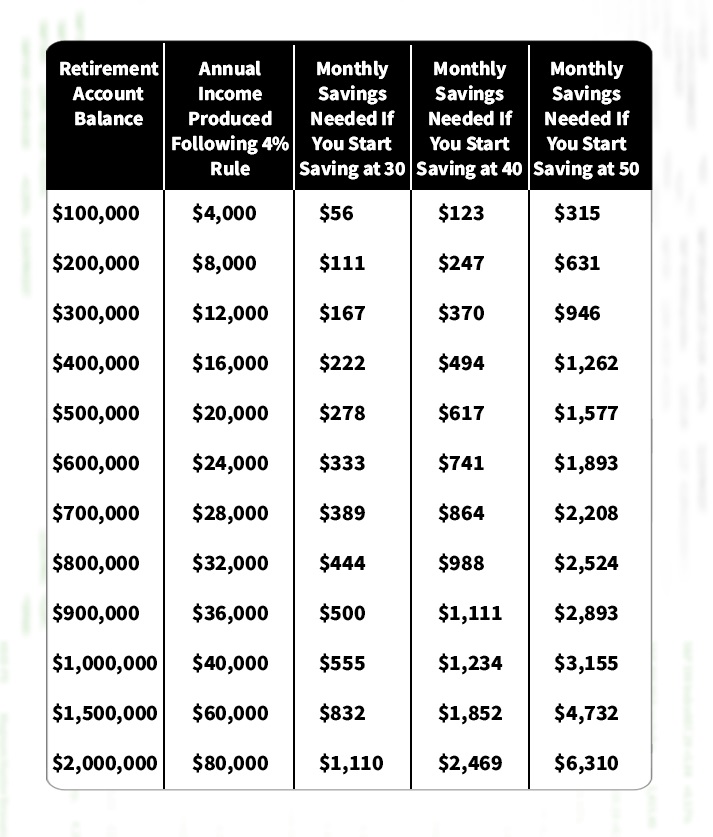
With your projected expenses and identified income sources laid out, the next critical step is to compare the two and identify any shortfall – your “retirement income gap.”
The Expense-Income Snapshot
This is a straightforward comparison:
-
Subtract Total Projected Income from Total Projected Expenses: Add up all your estimated annual income from Social Security, pensions, expected withdrawals from retirement accounts, and any other sources. Then, subtract this sum from your total projected annual expenses (adjusted for inflation).
-
Understanding the “Gap”: If your expenses exceed your income, you have a gap. This gap represents the additional funds you need to generate, either through increased savings, more aggressive investing, or by adjusting your retirement lifestyle expectations. Conversely, if your income exceeds your expenses, you have a surplus, which can offer flexibility or a cushion against unexpected events.
Factoring in Inflation and Longevity
The calculation isn’t static. It needs to account for dynamic elements.
-
The Compounding Effect of Inflation Over Decades: As mentioned earlier, inflation significantly impacts your purchasing power. Your income gap calculated today will widen over time unless your income sources are also inflation-adjusted. Many retirement planning calculators incorporate inflation, but it’s important to understand its long-term implications.
-
Estimating How Long Your Retirement Income Needs to Last: People are living longer than ever before. A healthy 65-year-old couple has a significant chance of one spouse living into their 90s, or even beyond. Your retirement plan needs to account for potentially 25, 30, or even 35 years of living without a regular paycheck. This longevity risk means you need sufficient funds to avoid running out of money in your later years.
4. Strategies for Bridging the Gap and Optimizing Income
If you’ve identified an income gap, or simply want to maximize your retirement resources, there are several powerful strategies you can employ.
Boosting Your Savings Rate
The most direct way to close an income gap is to save more.
-
Increasing Contributions to Retirement Accounts: If you’re still working, allocate a higher percentage of your income to your 401(k), IRA, or other investment vehicles. Even a small increase can make a huge difference over time due to compounding.
-
Utilizing Catch-Up Contributions for Those 50+: Once you turn 50, the IRS allows you to make additional “catch-up” contributions to 401(k)s and IRAs above the standard limits. This is an invaluable opportunity to supercharge your savings in the years leading up to retirement.
-
Automating Savings: Set up automatic transfers from your checking account to your savings or investment accounts. “Pay yourself first” ensures consistency and discipline.
Smart Investment and Withdrawal Strategies
How you manage and withdraw your funds is as important as how much you save.
-
Asset Allocation for Retirement: As you approach and enter retirement, your investment portfolio typically shifts from an aggressive growth stance to a more balanced approach, aiming for a mix of growth and capital preservation. This usually means a lower allocation to stocks and a higher allocation to bonds and cash, though individual risk tolerance varies.
-
Safe Withdrawal Rates (e.g., 4% Rule) and Dynamic Adjustments: A commonly cited guideline is the “4% rule,” which suggests you can safely withdraw 4% of your initial retirement portfolio balance in the first year, and then adjust that amount annually for inflation, without running out of money over a 30-year retirement. However, this is a guideline, not a guarantee. Many financial planners now advocate for dynamic withdrawal strategies that adjust based on market performance and economic conditions.
-
Tax-Efficient Withdrawal Sequencing: Strategically withdrawing from different types of accounts (taxable, tax-deferred, tax-free Roth) can minimize your tax burden throughout retirement. For instance, you might prioritize taxable accounts first, then tax-deferred accounts, and save Roth accounts for later, potentially higher-tax years. Roth conversions, where you convert pre-tax IRA/401(k) money to a Roth account by paying taxes now, can also be a powerful long-term tax strategy.
Considering Non-Traditional Income Enhancers
Sometimes, thinking outside the box can significantly improve your retirement outlook.
-
Working Longer or Part-Time in Retirement: Delaying retirement by even a few years can drastically reduce your income gap. It allows more time for savings to grow, reduces the number of years you need to draw from savings, and boosts your Social Security benefits. Part-time work in retirement can also provide supplemental income, keep you engaged, and cover discretionary expenses.
-
Downsizing Your Home or Relocating to a Lower Cost-of-Living Area: Your home is often your largest asset. Selling a large, expensive home and moving to a smaller, more affordable one (or to a region with lower property taxes and overall living costs) can free up substantial capital, reduce expenses, and provide a significant cash injection into your retirement fund.
-
Reverse Mortgages (with Caution): For homeowners 62 or older, a reverse mortgage allows you to convert a portion of your home equity into tax-free cash, without selling your home or making monthly mortgage payments. However, they come with fees and complexities and should only be considered after thorough research and professional advice.
5. Regular Review and Professional Guidance
Retirement planning is not a one-time event; it’s an ongoing process that requires vigilance and adaptability.
Annual Check-ups for Your Plan
Life changes, markets fluctuate, and your goals may evolve.
-
Revisiting Expenses and Income Sources: At least once a year, review your actual spending against your projected budget. Are there new income opportunities or unexpected expenses? Check your Social Security statement annually for accuracy.
-
Adjusting for Market Changes and Personal Circumstances: A significant market downturn or an unexpected health event might necessitate adjustments to your withdrawal strategy or even your retirement timeline. Conversely, a period of strong market growth might allow you to increase your discretionary spending or leave more for heirs.
-
Tax Law Updates: Tax laws are dynamic. Stay informed about changes that could impact your retirement income and withdrawal strategies.

When to Seek Financial Advice
While this guide provides a solid framework, a personalized approach is often best.
-
Benefits of a CERTIFIED FINANCIAL PLANNER™ (CFP®): A qualified financial planner can provide objective advice, help you analyze complex scenarios, optimize your investment and withdrawal strategies, and ensure your plan is aligned with your specific goals and risk tolerance. They can be particularly valuable when navigating complex tax implications and estate planning.
-
Developing a Comprehensive, Personalized Strategy: A professional can help you integrate all aspects of your financial life – savings, investments, insurance, taxes, and estate planning – into a cohesive retirement income strategy that is tailored to your unique situation.
Figuring out your retirement income is a journey, not a destination. By systematically defining your needs, inventorying your resources, addressing any gaps, and regularly reviewing your plan, you can build a confident and secure path toward the retirement you’ve always envisioned.
aViewFromTheCave is a participant in the Amazon Services LLC Associates Program, an affiliate advertising program designed to provide a means for sites to earn advertising fees by advertising and linking to Amazon.com. Amazon, the Amazon logo, AmazonSupply, and the AmazonSupply logo are trademarks of Amazon.com, Inc. or its affiliates. As an Amazon Associate we earn affiliate commissions from qualifying purchases.