
The pursuit of significant wealth is often mischaracterized as a pursuit of luck or a series of high-stakes gambles. However, for those who successfully navigate the transition from middle-income to high-net-worth status, the journey is rarely accidental. It is a systematic process built upon the pillars of financial literacy, high-leverage skills, and disciplined capital allocation. To make a lot of money in the modern economy, one must move beyond the traditional “time-for-money” exchange and adopt a strategic framework that prioritizes scalability, equity, and compounding.
1. Establishing the Foundation: The Psychology and Mechanics of Wealth
Before any capital is deployed or any business is launched, the internal framework of an individual must be aligned with the principles of wealth accumulation. Making a lot of money requires a fundamental shift from a consumer mindset to a producer mindset.
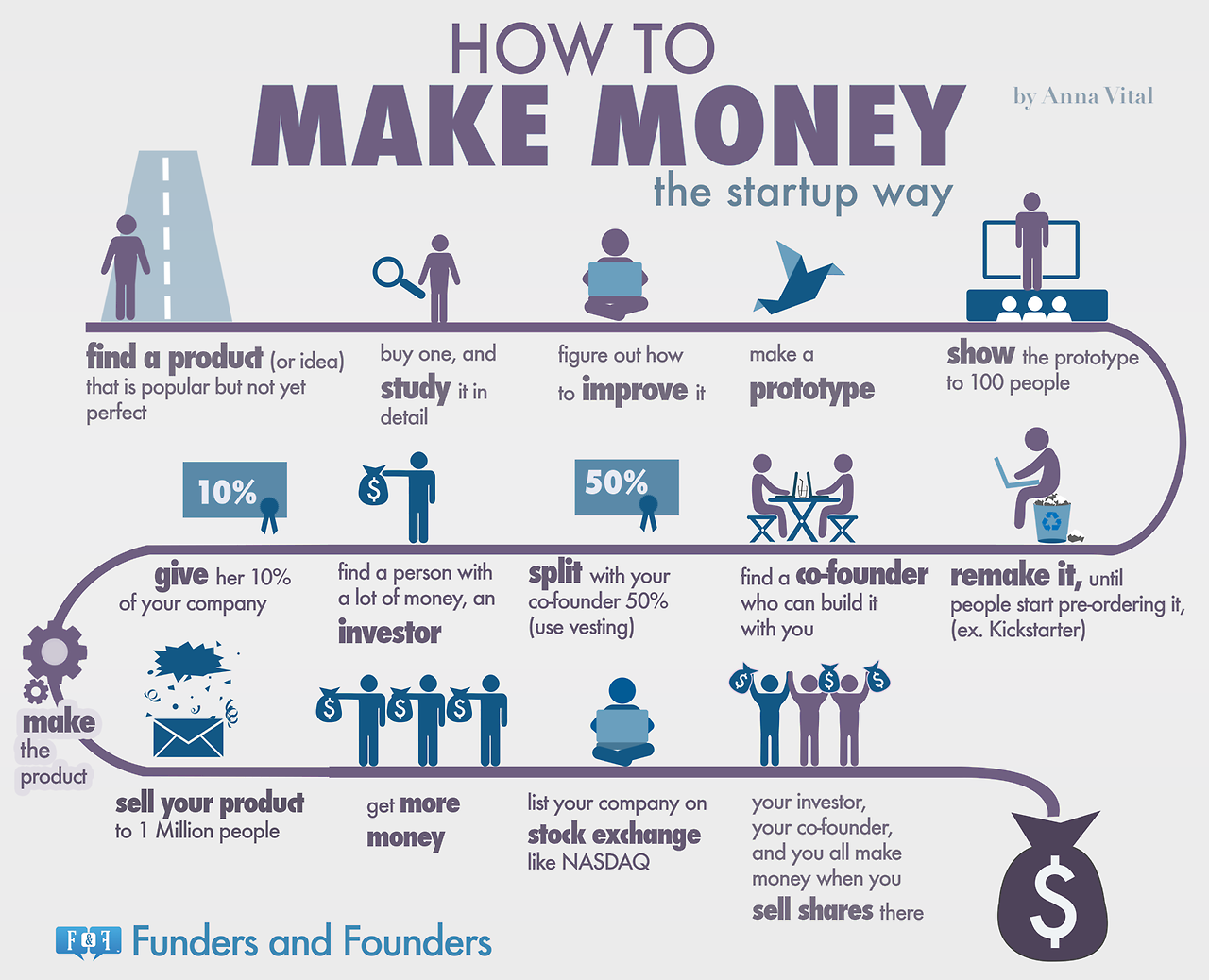
The Producer Mindset and Value Creation
Most people view the economy through the lens of consumption—what they can buy with what they earn. High-wealth individuals view the economy through the lens of production—what value they can provide to the marketplace. Money is essentially a ledger of value exchanged. To attract significant capital, you must solve problems for a large number of people or solve a very significant problem for a high-value group. This is the law of compensation: your income is directly proportional to the need for what you do, your ability to do it, and the difficulty of replacing you.
Financial Literacy and the Gap
Financial literacy is the language of the wealthy. It involves understanding the difference between an asset and a liability. While this sounds elementary, the misidentification of liabilities (such as a primary residence or luxury vehicles) as assets is the most common reason for financial stagnation. Wealth is built in the “gap”—the space between what you earn and what you spend. Widening this gap through aggressive frugality during the accumulation phase allows for the creation of an “investment engine” that eventually out-earns your labor.
The Role of Delayed Gratification
The primary barrier to significant wealth is the desire for the appearance of wealth. Lifestyle creep—the tendency for expenses to rise alongside income—traps high earners in a golden cage. Strategic wealth creation requires the discipline to maintain a modest lifestyle while your net worth grows, ensuring that your capital remains at work rather than being liquidated for depreciating consumer goods.
2. Developing High-Income Skills and Scalable Business Models
Active income is the fuel for your investment engine. To maximize this fuel, you must master skills that are in high demand but low supply. In the digital age, the most lucrative skills are those that offer “leverage.”
Mastering High-Value Skills
Not all work is created equal. A “High-Income Skill” is a trade or ability that can earn you at least $10,000 per month without requiring a traditional degree. Examples include high-ticket sales, software development, copywriting, digital marketing strategy, and financial analysis. These skills are valuable because they directly correlate to revenue generation for businesses. By mastering these, you ensure a high baseline of income that provides the surplus capital necessary for large-scale investing.
The Power of Scalability and Leverage
To move from “comfortable” to “wealthy,” you must decouple your time from your income. This is achieved through leverage. There are four primary forms of leverage:
- Labor: Having people work for you (the oldest form of leverage).
- Capital: Having money work for you (the most efficient form).
- Code: Creating software that works while you sleep.
- Content/Media: Creating assets (books, videos, courses) that can be consumed by millions without additional effort from you.
Code and media are particularly powerful because they have a “zero marginal cost of replication.” Once created, they can be sold or consumed infinitely, allowing for exponential wealth growth.
Solving High-Ticket Problems
The most direct path to making a lot of money is to identify “bleeding neck” problems in the marketplace. When a business is losing millions due to an inefficiency, they will gladly pay six or seven figures to someone who can provide a solution. Whether through a specialized consultancy or a B2B (Business-to-Business) SaaS (Software as a Service) company, focusing on high-ticket problems ensures that each transaction contributes significantly to your wealth goals.
3. Wealth Multiplication: Investing and Asset Allocation
Earning money is only half the battle; keeping and multiplying it is where true wealth is forged. Investing is the process of converting your active income into passive assets that grow independently of your labor.

The Eighth Wonder: Compound Interest
Albert Einstein reportedly called compound interest the eighth wonder of the world. The math is simple but profound: if you reinvest your returns, your wealth grows exponentially rather than linearly. The key to making “a lot of money” through investing is time and consistency. By starting early and resisting the urge to “touch” the principal, you allow the snowball effect to take over.
Strategic Asset Allocation
A professional approach to wealth involves diversifying across different asset classes to balance risk and reward.
- Equities (Stocks): Ownership in companies. Historically, the stock market (specifically index funds) has been a reliable wealth creator over long periods.
- Real Estate: A favorite of the wealthy due to its tangibility, tax advantages, and the ability to use “other people’s money” (leverage via mortgages) to acquire assets.
- Private Equity and Venture Capital: For those with higher risk tolerances, investing in startups or private businesses can yield 10x or 100x returns, though the risk of loss is higher.
- Fixed Income and Commodities: Used primarily for wealth preservation and hedging against inflation.
Understanding Risk vs. Volatility
Most people confuse volatility (the price going up and down) with risk (the permanent loss of capital). To make significant money in the markets, one must develop the emotional fortitude to withstand volatility. Market downturns are not “losses” unless you sell; in fact, for the strategic investor, they are “sales” where assets can be acquired at a discount.
4. Diversification and the Creation of Passive Income Streams
Once you have established a strong active income and a baseline of traditional investments, the next step in making a lot of money is creating multiple, overlapping streams of income. This provides both security and acceleration.
The Myth and Reality of Passive Income
True “passive” income is rare; most streams require upfront work (sweat equity) or significant capital. However, once established, these streams require minimal maintenance. The goal is to build a portfolio of “money machines” that operate 24/7.
Digital Assets and Intellectual Property
In the 21st century, some of the highest-margin businesses are built on intellectual property. Creating an online course, writing an e-book, or building a membership site allows you to monetize your expertise repeatedly. Unlike a physical product, digital assets don’t require inventory, shipping, or physical storefronts, making the profit margins exceptionally high.
Rental Income and Syndications
Real estate remains a cornerstone of wealth. For those who do not want to manage properties themselves, “Real Estate Syndications” allow individuals to pool their money with professional developers. This provides the benefits of real estate (cash flow and appreciation) without the “tenants and toilets” headache.
5. Risk Management and Long-Term Wealth Preservation
The faster you make money, the more vulnerable you become to losing it. Wealth preservation is a distinct skill set from wealth creation. To remain wealthy, you must protect your assets from taxes, inflation, and litigation.
Tax Optimization Strategies
Taxes are the single largest expense for any high-earner. Understanding tax law—or hiring professionals who do—is essential. This includes utilizing tax-advantaged accounts (like 401ks or IRAs), understanding capital gains vs. ordinary income, and potentially relocating to tax-friendly jurisdictions. Every dollar saved in taxes is a dollar that can be reinvested to compound further.
Inflation Protection
Inflation erodes the purchasing power of cash. To make sure your “lot of money” stays valuable, you must hold assets that appreciate at a rate higher than inflation. This typically includes stocks, real estate, and occasionally “hard assets” like gold or Bitcoin. Holding too much cash is a silent risk that can deplete wealth over decades.
Asset Protection and Insurance
As your net worth grows, you become a target for litigation. Professional wealth management involves setting up legal structures—such as Trusts or LLCs—to shield personal assets from business liabilities. Furthermore, appropriate insurance (umbrella policies, life insurance, and disability insurance) acts as a safety net that prevents a single catastrophic event from wiping out years of financial progress.

Conclusion
Making a lot of money is not a mystery; it is a discipline. It begins with a psychological commitment to value creation and is realized through the mastery of high-leverage skills. By widening the gap between income and expenses, and aggressively funneling that surplus into compounding assets, anyone can build a significant financial fortress. The path requires patience, a commitment to continuous learning, and the courage to take calculated risks. In the end, wealth is not just about the numbers in a bank account—it is about the freedom and options that those numbers provide.
aViewFromTheCave is a participant in the Amazon Services LLC Associates Program, an affiliate advertising program designed to provide a means for sites to earn advertising fees by advertising and linking to Amazon.com. Amazon, the Amazon logo, AmazonSupply, and the AmazonSupply logo are trademarks of Amazon.com, Inc. or its affiliates. As an Amazon Associate we earn affiliate commissions from qualifying purchases.