
Understanding your potential income in retirement is a critical component of sound financial planning. It’s a question that plagues many individuals approaching their golden years, and one that requires a nuanced approach, factoring in a multitude of variables from savings and investments to government benefits and personal spending habits. There isn’t a single, universal answer, but rather a personalized projection built upon strategic decisions made throughout your working life.
The Pillars of Your Retirement Income Portfolio
Your retirement income will likely be a mosaic of different sources, each contributing a piece to your overall financial picture. Identifying and understanding these pillars is the first step toward projecting your future earnings.

Social Security Benefits
For many, Social Security forms the bedrock of retirement income. The amount you receive is based on your highest 35 years of earnings, adjusted for inflation. While it provides a predictable income stream, it’s generally not sufficient to maintain your pre-retirement lifestyle alone. The average monthly benefit for retired workers in recent years has been modest, underscoring the need for supplementary income. Your claiming age significantly impacts your monthly benefit: claiming early (as young as 62) results in a permanently reduced benefit, while delaying past your Full Retirement Age (FRA, typically 66 or 67 depending on birth year) can increase your monthly payment by up to 8% per year until age 70. Strategic timing of when to claim Social Security is a crucial decision that can have a lasting impact on your overall retirement income.
Employer-Sponsored Retirement Plans
These plans, primarily 401(k)s for private sector employees and 403(b)s for non-profits and public schools, are typically funded through pre-tax contributions from your paycheck, often with an employer match. These contributions grow tax-deferred until retirement. Pensions, once common, are now rarer but provide a guaranteed income stream for life based on years of service and salary. The accumulated balance in your 401(k) or 403(b) will be a significant source of income, with withdrawal strategies designed to make your savings last throughout retirement. The amount you “make” from these will depend directly on how much you’ve contributed, the investment growth over decades, and your chosen withdrawal rate.
Individual Retirement Accounts (IRAs)
Beyond employer plans, IRAs offer another powerful avenue for retirement savings.
Traditional IRAs
These allow pre-tax contributions that can be tax-deductible, with earnings growing tax-deferred. Withdrawals in retirement are taxed as ordinary income.
Roth IRAs
Funded with after-tax dollars, Roth IRAs offer tax-free growth and tax-free withdrawals in retirement, provided certain conditions are met. This tax-free income can be incredibly valuable, especially for those who anticipate being in a higher tax bracket during retirement than in their working years. The choice between a Traditional and Roth IRA, or contributing to both, depends on your current and projected future tax situation.
Taxable Investment Accounts
These include brokerage accounts where you hold stocks, bonds, mutual funds, or exchange-traded funds (ETFs) that aren’t specifically for retirement. While they don’t offer the same tax advantages as 401(k)s or IRAs, they provide liquidity and flexibility. Income from these accounts comes from capital gains when you sell assets, dividends, and interest. This income is subject to capital gains tax rates, which can be preferential compared to ordinary income tax rates, depending on your holding period. These accounts can serve as a bridge to retirement or provide funds for specific large expenses, complementing your tax-advantaged savings.
Other Income Streams
Diversifying your income sources can significantly enhance your retirement security.
Rental Properties
Owning income-generating real estate can provide a consistent cash flow through rent, along with potential for property value appreciation. Managing properties can require effort, but the income can be substantial.
Annuities
These are contracts with an insurance company where you pay a lump sum or a series of payments in exchange for regular disbursements in the future, often for life. They can provide a guaranteed income stream, mitigating longevity risk, but their complexity and fees require careful consideration.
Part-Time Work or Side Gigs
Many retirees choose to work part-time, either for enjoyment, to stay engaged, or to supplement their income. This could involve consulting, pursuing a passion project, or taking on flexible hourly work.
Projecting Your Retirement Income Needs
Before you can estimate what you’ll make, you must first determine what you’ll need. This often involves a deep dive into your expected post-retirement lifestyle and expenses.
Estimating Your Expenses in Retirement
A common rule of thumb suggests you’ll need 70-80% of your pre-retirement income to maintain your lifestyle. However, this is a broad generalization. Your actual needs could be higher or lower. Consider:
-
Reduced Expenses: Commuting costs, professional wardrobe expenses, and contributions to retirement accounts will likely disappear. Your mortgage might be paid off.
-
Increased Expenses: Healthcare costs tend to rise significantly in retirement. You might also have increased spending on travel, hobbies, or leisure activities.
-
Inflation: The purchasing power of your money diminishes over time. A dollar today will buy less in 20 or 30 years. Your income plan must account for this erosion.
Create a detailed post-retirement budget, accounting for housing, food, transportation, healthcare, entertainment, and discretionary spending. This realistic assessment forms the basis of your income target.
The Role of Withdrawal Strategies
Once you know your target income, you need a strategy for withdrawing funds from your various accounts. The “4% Rule” is a widely cited guideline, suggesting that you can safely withdraw 4% of your initial portfolio value in your first year of retirement, adjusting for inflation in subsequent years, with a high probability of your money lasting 30 years. While a good starting point, this rule is not absolute and should be adapted to individual circumstances, market conditions, and personal risk tolerance. Other strategies involve dynamic withdrawal rates that adjust based on market performance or the “bucket strategy,” which allocates assets to different “buckets” for short-term, medium-term, and long-term spending.
Calculating Your Potential Income
Bringing all these elements together allows you to create a projected income statement for retirement.
Step-by-Step Calculation
-
Estimate Social Security: Use the Social Security Administration’s website to get your personalized estimated benefits based on your earnings record and chosen claiming age.
-
Project Employer Plan Withdrawals: Based on your current balance, expected contributions, and assumed investment growth until retirement, calculate the potential annual income from your 401(k)/403(b) using a safe withdrawal rate (e.g., 4%). Online calculators or a financial advisor can help with these projections.
-
Project IRA Withdrawals: Similarly, estimate annual income from your Traditional and Roth IRAs based on their projected balances and a withdrawal strategy.
-
Forecast Taxable Account Contributions: If you plan to draw from taxable accounts, factor in expected dividends, interest, and capital gains from selling appreciated assets.
-
Add Other Income: Include any projected income from pensions, rental properties, annuities, or part-time work.
-
Account for Taxes: Remember that most retirement income (Social Security, Traditional IRA/401(k) withdrawals, taxable account gains) is subject to income tax. Roth IRA withdrawals are typically tax-free. Your overall tax liability will significantly impact your net income.
Utilizing Financial Tools and Professionals
Numerous online retirement calculators can help you run these projections, often allowing you to input variables like inflation, life expectancy, and investment returns. However, for a truly personalized and robust plan, consulting a certified financial planner (CFP) is invaluable. A CFP can help you:
-
Refine your expense estimates.
-
Optimize your Social Security claiming strategy.
-
Develop a tailored investment and withdrawal strategy.
-
Create a tax-efficient retirement income plan.
-
Plan for contingencies like long-term care or unexpected expenses.
Strategies to Maximize Your Retirement Income
It’s never too late to enhance your future retirement income.
Maximize Contributions
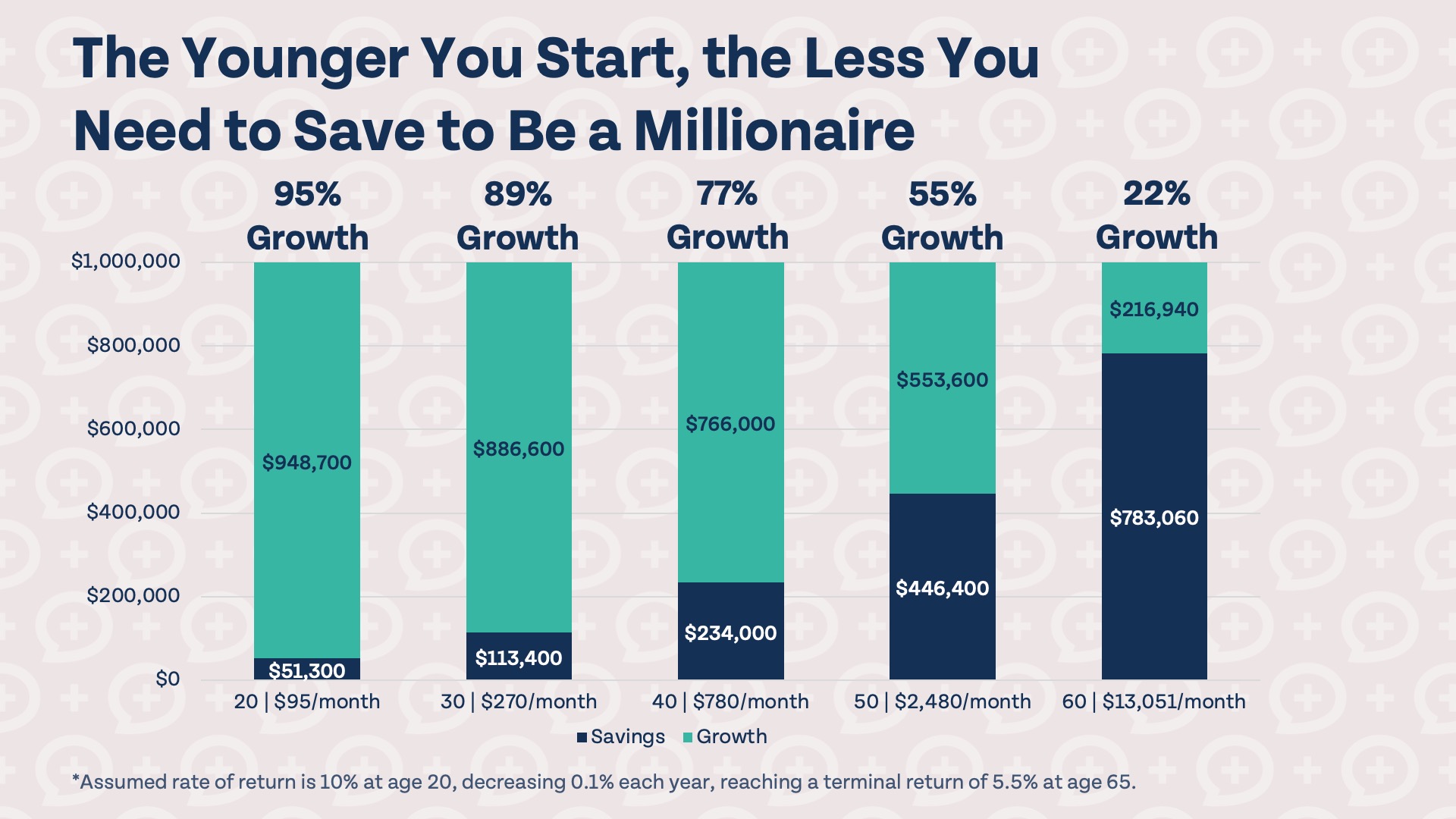
The single most impactful action is to contribute as much as you can, as early as you can, to tax-advantaged retirement accounts. Take full advantage of employer matches, and if possible, contribute the maximum allowable amount to your 401(k) and IRAs each year. The power of compound interest works wonders over decades.
Diversify Investments Wisely
Ensure your retirement portfolio is well-diversified across different asset classes (stocks, bonds, real estate) and geographies. This helps mitigate risk and enhance returns. Periodically rebalance your portfolio to maintain your desired risk level as you approach and enter retirement.
Optimize Tax Strategy
Understand the tax implications of your various retirement accounts. A mix of pre-tax (401(k), Traditional IRA) and after-tax (Roth IRA) accounts provides flexibility in managing your tax bracket in retirement. Consider strategies like Roth conversions if you anticipate lower income years before claiming Social Security.
Consider Working Longer or Part-Time
If your savings fall short or you simply enjoy your work, delaying retirement by a few years can significantly boost your income. Not only do you add more money to your savings, but your existing investments have more time to grow, and you can delay claiming Social Security, leading to higher monthly benefits. Part-time work in retirement also offers a flexible way to supplement income without drawing down your savings as rapidly.

Plan for Healthcare Costs
Healthcare is often the largest unpredictable expense in retirement. Factor in Medicare premiums, deductibles, co-pays, and potential out-of-pocket costs for prescription drugs and services not fully covered. Consider long-term care insurance as a way to mitigate the potentially catastrophic costs of extended care needs.
Ultimately, the question of “how much will I make when I retire” is about securing your financial independence and desired lifestyle. It requires ongoing attention, adaptability, and proactive planning. By understanding your income sources, carefully projecting your needs, and strategically managing your investments and withdrawals, you can build a robust retirement income plan that provides peace of mind for your golden years.
aViewFromTheCave is a participant in the Amazon Services LLC Associates Program, an affiliate advertising program designed to provide a means for sites to earn advertising fees by advertising and linking to Amazon.com. Amazon, the Amazon logo, AmazonSupply, and the AmazonSupply logo are trademarks of Amazon.com, Inc. or its affiliates. As an Amazon Associate we earn affiliate commissions from qualifying purchases.