
In an increasingly data-driven world, managing personal health has transcended traditional methods, embracing sophisticated digital tools designed to optimize well-being. Among these, the “how much water a day calculator” stands out as a prevalent and evolving piece of health technology. Far from being a simple mathematical formula, these digital hydration assistants represent a convergence of user interface design, algorithmic precision, data integration, and cloud computing, all aimed at providing personalized physiological guidance. Understanding the technological underpinnings of these calculators reveals their true value and potential in promoting consistent hydration habits.
The Algorithmic Core: Deciphering Daily Hydration Needs
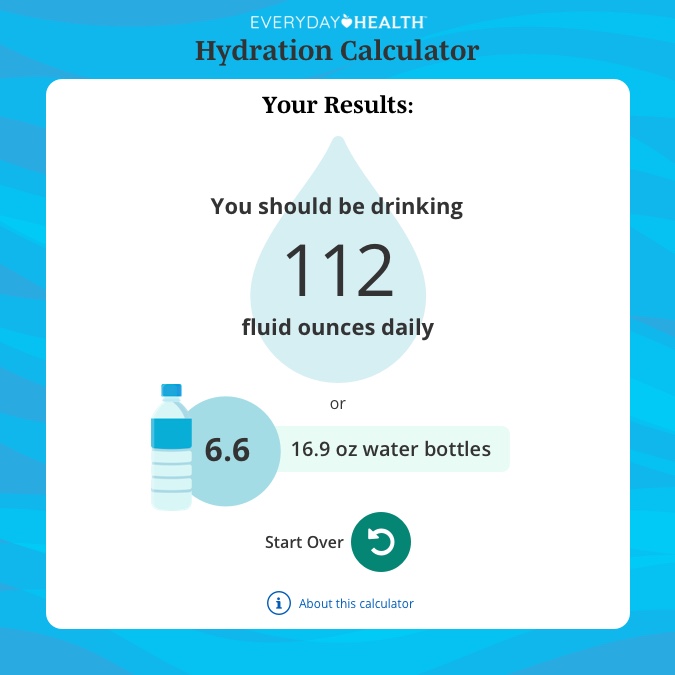
At the heart of any effective water intake calculator is a complex algorithm designed to translate various individual parameters into a recommended daily fluid intake. These are not static tools, but rather dynamic software applications built to process and interpret a range of inputs to generate personalized recommendations. The accuracy and sophistication of the underlying algorithms are paramount to their utility.
User Input and Data Parameters
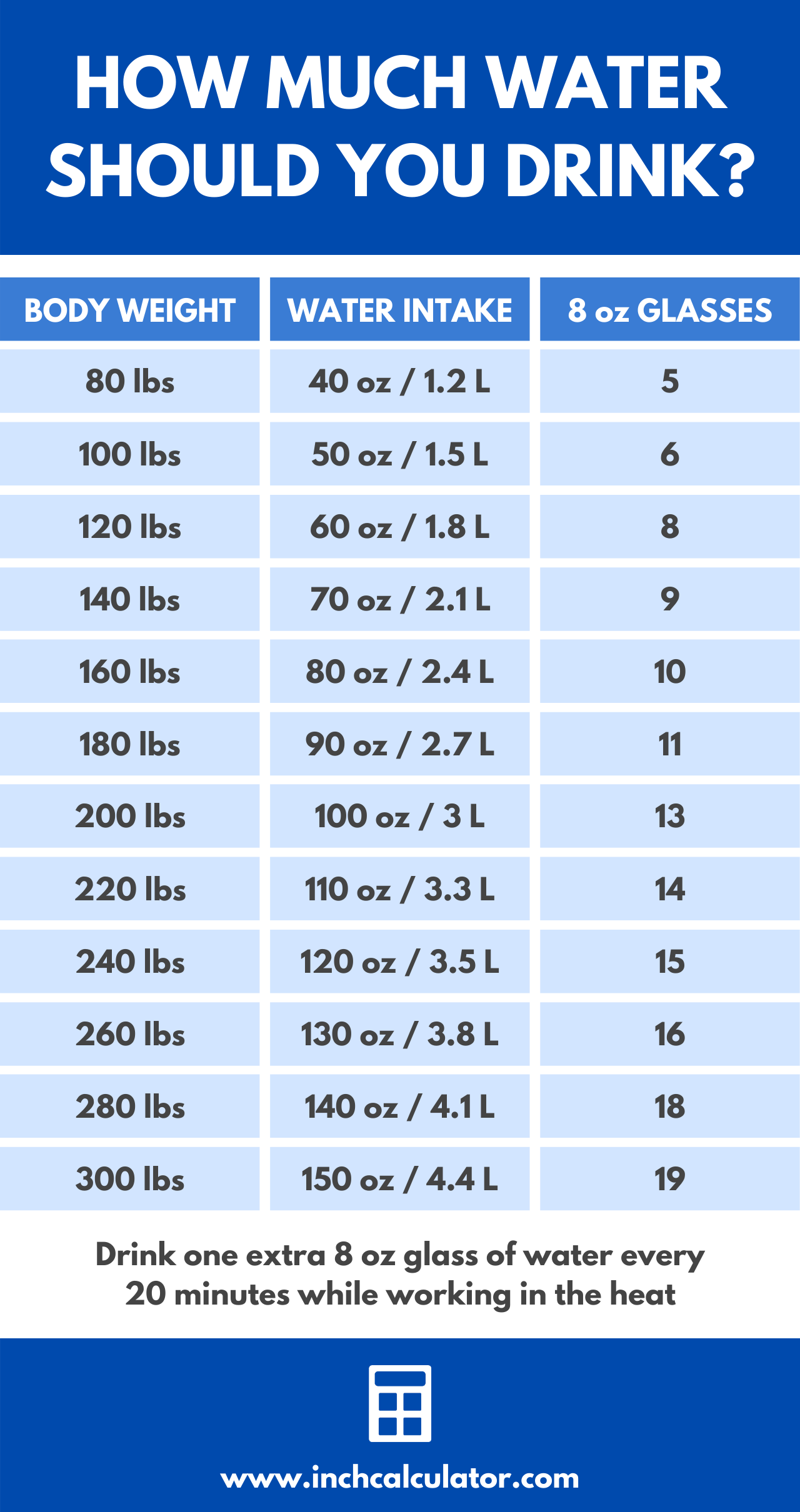
The foundation of any hydration calculation begins with user-provided data. Basic calculators might only request age and weight. However, more advanced applications integrate a broader spectrum of information, making their recommendations significantly more tailored. Typical input parameters include:
-
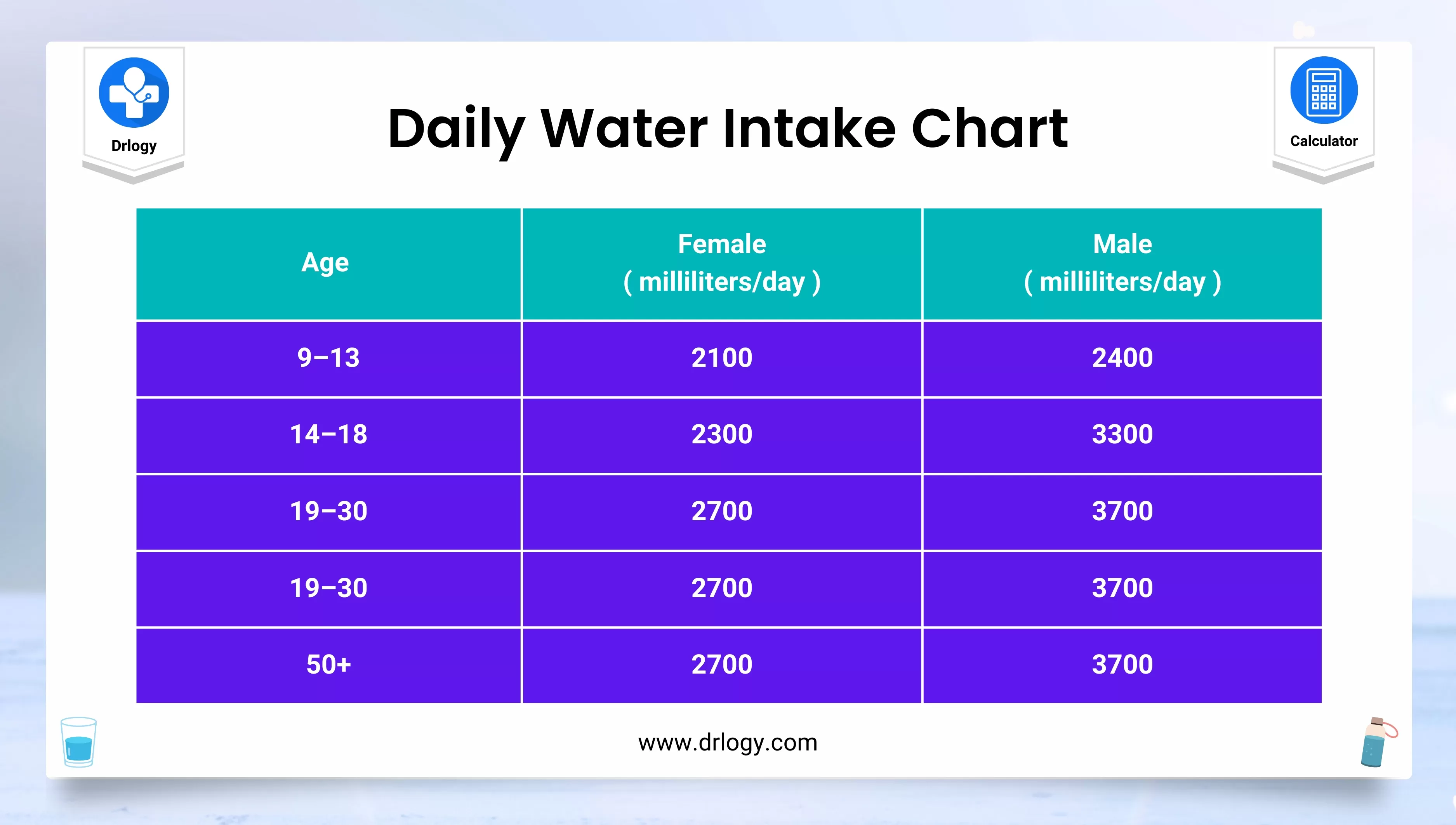
Age: Metabolic rates and physiological water needs can vary across different age groups.
-
Weight/BMI: Body mass is a primary determinant of overall fluid volume requirements.
-
Sex: Men generally have a higher muscle mass and thus often a higher water requirement than women.
-
Activity Level: Sedentary individuals require less water than those engaged in moderate or intense physical activity, where significant fluid loss occurs through perspiration. Users might select from predefined levels (e.g., light, moderate, active) or, in more advanced apps, allow for integration with fitness trackers that automatically log activity.
-
Climate/Environment: Hot, humid, or dry climates, as well as high altitudes, increase fluid loss through evaporation and respiration, necessitating higher intake.
-
Health Conditions: Certain medical conditions (e.g., kidney disease, heart failure, diabetes) or medications can alter fluid balance, requiring specific recommendations. Pregnancy and lactation also significantly increase fluid needs.
The application’s backend processes these inputs, often applying established scientific guidelines and formulas (like the commonly cited 35ml per kg of body weight, adjusted for various factors) to derive an initial baseline.
Beyond Basic Formulas: Factors Influencing Calculation
Modern calculators move beyond simple static formulas by incorporating real-time or frequently updated data. This involves not just the initial user input but also the dynamic interpretation of environmental and personal health data. For instance, some apps can integrate with weather APIs to adjust recommendations based on local temperature and humidity. Future iterations might leverage sensor data from smart homes or workplaces to infer environmental conditions more precisely. The ability of the software to continuously adapt its output based on changing external factors or updated user information is what differentiates a basic tool from a truly intelligent hydration assistant.
Anatomy of a Hydration Tracking Application
Moving beyond the core calculation, a comprehensive water intake calculator often manifests as a mobile application or a web-based portal, offering a suite of features designed to facilitate consistent hydration, track progress, and provide actionable insights. These applications are engineered for seamless user interaction and effective data management.
Essential Features and Functionalities
A robust hydration app typically includes several key technological components:
-
Personalized Goal Setting: Based on the algorithmic calculation, the app sets a daily water intake target unique to the user. This target can often be manually adjusted by the user, providing flexibility.
-
Logging Mechanism: A primary feature is the ability for users to log their water intake throughout the day. This can be done via simple taps on pre-set volumes (e.g., 200ml, 500ml) or custom entries. The user interface is designed for quick and intuitive logging to minimize friction.
-
Reminders and Notifications: Crucial for habit formation, these apps employ scheduled notifications to prompt users to drink water at regular intervals. These reminders are often customizable, allowing users to set preferred times or adjust frequency. The underlying technology manages these recurring alerts, even when the app is in the background.
-
Progress Tracking and Visualization: The application displays daily, weekly, and monthly progress through intuitive charts and graphs. This data visualization helps users understand their hydration patterns, identify trends, and stay motivated. The backend database stores historical data for this purpose.
-
Customizable Drink Options: While primarily focused on water, many apps allow logging of other hydrating beverages, adjusting their contribution to the daily goal based on their water content. This requires an internal database of beverage properties.
Wearable Integration and IoT Synergy
A significant advancement in hydration technology is the integration with wearable devices and the broader Internet of Things (IoT ecosystem). Fitness trackers, smartwatches, and even smart water bottles can feed data directly into the hydration calculator application:
-
Activity Data: Wearables accurately track physical activity levels, heart rate, and even sweat loss, providing real-time data to refine the daily water intake recommendation. The app’s API (Application Programming Interface) allows it to securely exchange data with these external devices.
-
Automated Logging: Smart water bottles equipped with sensors can automatically log water consumption, eliminating the need for manual entry and dramatically improving data accuracy and user convenience. These devices typically connect via Bluetooth or Wi-Fi.
-
Environmental Sensors: Future integrations could involve smart home systems or personal environmental sensors that detect ambient temperature and humidity, automatically feeding this data into the calculator for dynamic adjustments.
This level of integration transforms the calculator from a static tool into a dynamic, responsive health companion, constantly adapting to the user’s changing physiological and environmental context.
User Experience and Interface Design for Habit Formation
The technical brilliance of a hydration calculator would be moot without an exceptional user experience (UX) and intuitive user interface (UI). UI/UX designers employ principles of behavioral psychology to make the act of tracking water intake engaging and sustainable.
-
Simplicity and Clarity: The interface must be clean, easy to navigate, and visually appealing. Key information, like current intake vs. goal, should be immediately apparent.
-
Gamification: Many apps incorporate elements like streaks, badges, or progress bars to reward consistent behavior and make the process more enjoyable and motivating.
-
Personalization Options: Custom themes, sounds for notifications, and choice of unit measurements contribute to a personalized experience, enhancing user loyalty.
-
Accessibility: Ensuring the app is usable by individuals with various needs, including those with visual impairments or motor difficulties, is a critical design consideration.
The careful design of these elements plays a vital role in transforming a raw data processing tool into a successful digital health intervention that genuinely helps users form and maintain healthy hydration habits.
The Technology Powering Personalized Recommendations
The cutting edge of hydration calculators lies in their ability to move beyond fixed formulas and offer truly adaptive, personalized recommendations. This evolution is largely driven by advancements in artificial intelligence and machine learning, coupled with robust data security protocols.
Leveraging AI and Machine Learning for Dynamic Adjustments
Artificial Intelligence (AI) and Machine Learning (ML) algorithms are increasingly being deployed to enhance the accuracy and relevance of water intake recommendations. Instead of relying solely on predefined rules, ML models can learn from aggregated user data and individual patterns.
-
Predictive Analytics: AI can analyze a user’s historical hydration patterns, activity levels, and even sleep cycles (if integrated with other health apps) to predict their future hydration needs. For instance, if the AI detects that a user consistently falls short of their goal on specific days or after certain activities, it can proactively adjust reminders or suggest increased intake for similar future scenarios.
-
Personalized Reminders: Beyond simple time-based notifications, AI can learn the optimal times to send reminders that are most likely to result in actual intake. This might involve considering a user’s typical schedule, response to previous reminders, or even their location data (e.g., not sending a reminder during a known meeting time).
-
Anomaly Detection: ML models can identify unusual intake patterns, potentially signaling a change in activity, health, or even a technical issue with a connected device, prompting the user to review their data.
-
Physiological Modeling: Advanced AI could, in the future, build a dynamic physiological model of the individual, taking into account factors like metabolic rate fluctuations, specific dietary inputs, and even genetic predispositions (if integrated with genomic data, with appropriate consent) to provide incredibly precise, real-time hydration advice.
This shift towards AI-driven dynamic adjustments transforms the calculator from a reactive tracker to a proactive, intelligent health coach.
Data Security and Privacy in Health Tech
With the increasing collection of personal health data, the technological architecture of hydration calculators must prioritize data security and user privacy. This is a critical concern, as breaches can have significant implications.
-
Encryption: All data, both in transit (when communicating between the app and servers) and at rest (when stored on servers), must be encrypted using industry-standard protocols (e.g., TLS/SSL for transit, AES-256 for rest).
-
Secure Cloud Infrastructure: Applications rely on secure cloud service providers (AWS, Azure, Google Cloud) that offer robust security features, including access controls, intrusion detection, and regular security audits.
-
Anonymization and Aggregation: For research and improving algorithms, data is often anonymized and aggregated, stripping identifying information to protect individual privacy while still allowing for pattern recognition.
-
Compliance with Regulations: Developers must adhere to global and regional data privacy regulations such as GDPR (General Data Protection Regulation) in Europe and HIPAA (Health Insurance Portability and Accountability Act) in the United States, which mandate strict controls over personal health information.
-
User Consent and Control: Users must be provided with clear, understandable policies regarding how their data is collected, used, and shared, with options to manage their data and revoke consent.
-
Regular Security Audits: Applications should undergo regular penetration testing and security audits by third-party experts to identify and rectify vulnerabilities before they can be exploited.
Robust security measures are not merely an add-on; they are an integral part of the trust users place in these digital health tools, ensuring that the benefits of personalized hydration do not come at the cost of personal data compromise.
Choosing and Utilizing Your Digital Hydration Assistant
Selecting the right water intake calculator involves evaluating its technological features, reliability, and security practices. For users to truly benefit, understanding how to leverage these tools effectively is key.
Evaluating App Performance and Reliability
When choosing a hydration calculator, consider several technical aspects that contribute to its overall performance and reliability:
-
Accuracy of Algorithms: While difficult for a layperson to verify directly, reputable apps often cite scientific sources or collaborate with health professionals, indicating a more credible algorithmic basis.
-
Integration Capabilities: Assess its compatibility with your existing wearables (smartwatches, fitness trackers) and other health apps (e.g., Apple Health, Google Fit) for a more holistic data ecosystem.
-
User Interface and Experience: A well-designed, intuitive UI/UX is crucial for long-term adherence. Check for ease of logging, clear data visualization, and customizable reminder options.
-
App Stability and Updates: Look for apps with regular updates, indicating active development, bug fixes, and feature enhancements. Read reviews for reports of crashes or inconsistent performance.
-
Battery Consumption: Some apps, particularly those with constant background tracking or frequent notifications, can drain battery life. Monitor this during your initial usage.
A reliable app will seamlessly integrate into your daily routine, providing consistent and accurate guidance without becoming a burden.
The Future Landscape of Smart Hydration Tools
The trajectory of hydration calculators points towards even greater sophistication and integration. Future trends in this health tech niche include:
-
Personalized Electrolyte Management: Beyond just water, future tools might monitor and recommend electrolyte intake based on activity, sweat analysis (via smart patches), and dietary inputs, moving towards a more comprehensive fluid balance approach.
-
Predictive Hydration for Athletes: Highly specialized apps could use advanced biometric data, weather forecasts, and training schedules to create real-time, adaptive hydration plans for elite athletes, optimizing performance and preventing dehydration.
-
Integration with Smart Home Appliances: Imagine your smart refrigerator suggesting you grab a glass of water, or your smart faucet dispensing the exact amount needed for your daily goal, driven by your hydration app.
-
AI-driven Lifestyle Coaching: Hydration calculators will likely become components of broader AI-powered lifestyle coaching platforms, where fluid intake is correlated with sleep quality, stress levels, and cognitive performance for a truly holistic view of well-being.
-
Non-invasive Hydration Monitoring: The development of non-invasive sensors (e.g., skin patches, breath analyzers) could provide continuous, real-time hydration status, eliminating the need for manual logging and making recommendations even more precise.
The “how much water a day calculator” is evolving from a simple utility into a sophisticated piece of health technology, promising an even more personalized and integrated approach to managing one of the body’s most fundamental needs. By understanding the technological mechanisms at play, users can make informed choices and unlock the full potential of these digital health assistants.
aViewFromTheCave is a participant in the Amazon Services LLC Associates Program, an affiliate advertising program designed to provide a means for sites to earn advertising fees by advertising and linking to Amazon.com. Amazon, the Amazon logo, AmazonSupply, and the AmazonSupply logo are trademarks of Amazon.com, Inc. or its affiliates. As an Amazon Associate we earn affiliate commissions from qualifying purchases.