
In an increasingly health-conscious world, the quest for optimal well-being often begins with understanding our fundamental energy needs. The seemingly simple question, “how many calories do I need a day?”, has propelled a fascinating technological evolution, giving rise to sophisticated digital tools designed to provide personalized answers. Far beyond rudimentary charts, today’s calorie calculators are prime examples of how technology, from algorithms to AI, is transforming personal health management. This article delves into the technological underpinnings, advanced features, and broader implications of these essential digital tools within the burgeoning tech landscape of health and wellness.
The Digital Revolution in Dietary Planning
The journey from a general understanding of nutrition to precise, personalized dietary recommendations has been significantly accelerated by digital innovation. What was once a realm of complex scientific formulas and manual tracking has been democratized and made accessible through the ubiquitous “how many calories do I need a day calculator.” These tools are not just mathematical engines; they are critical interfaces in the digital health ecosystem, embodying a fusion of scientific principles and cutting-edge software design.
From Manual Calculations to Automated Insights
Historically, determining one’s daily caloric needs involved consulting nutrition textbooks, performing intricate manual calculations based on formulas like the Harris-Benedict equation, or relying on generalized dietary guidelines. This process was often cumbersome, prone to error, and lacked the dynamic adaptability required for individual variability. The advent of personal computers and, subsequently, the internet, marked a pivotal shift. Early online calculators simplified the input process, automating the underlying equations. This automation was a game-changer, removing barriers to access and making personalized caloric estimates available to a wider audience. Today, these tools have evolved into highly intuitive applications, often integrated into broader health platforms, offering instant insights that would have once required extensive effort or professional consultation.
The Core Functionality of Calorie Calculators
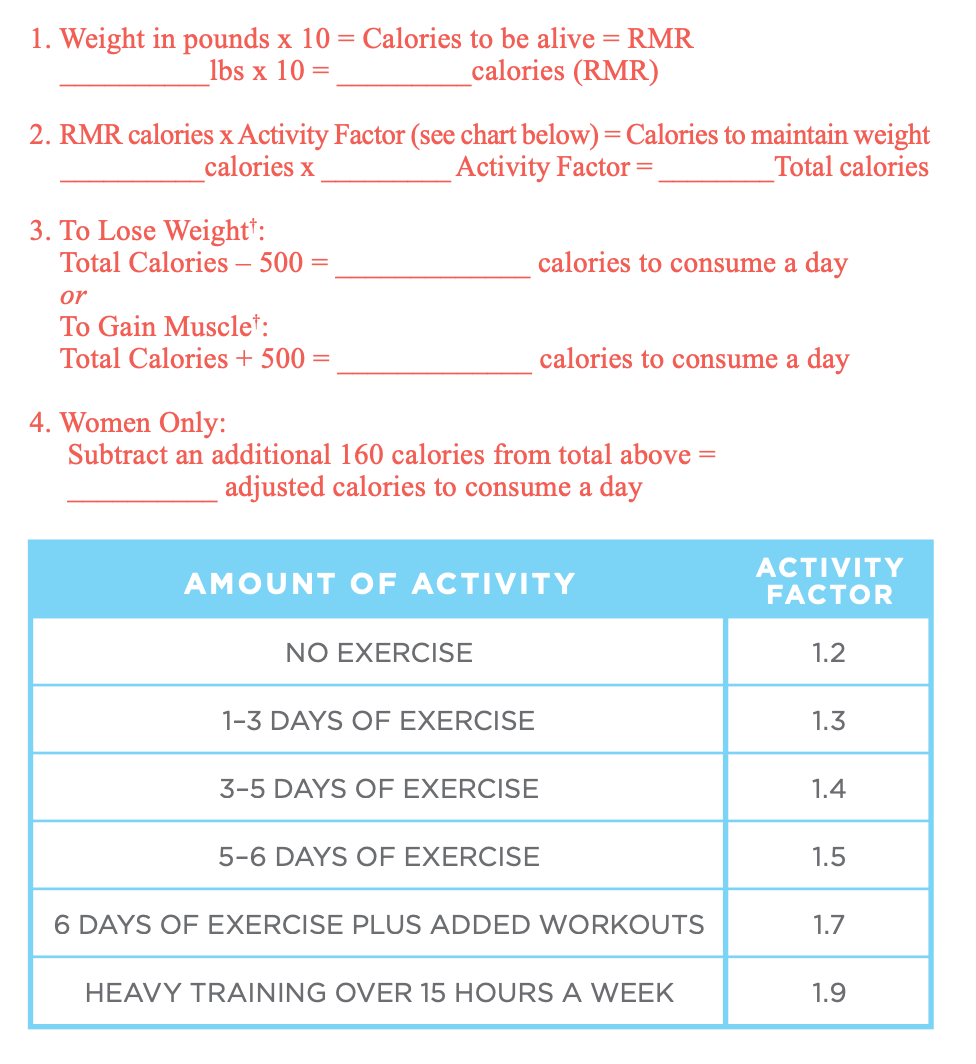
At its heart, a calorie calculator is a software application designed to estimate an individual’s Basal Metabolic Rate (BMR) and Total Daily Energy Expenditure (TDEE). BMR represents the calories burned at rest to maintain basic bodily functions, while TDEE accounts for physical activity. The core functionality involves taking user-supplied data – typically age, gender, weight, height, and activity level – and applying established scientific algorithms to produce an estimated caloric requirement. The simplicity of the user interface often belies the computational complexity beneath, which processes these inputs through validated equations to provide a numerical output. This basic utility forms the foundation upon which more advanced features and integrations are built, transforming a simple calculation into a comprehensive dietary planning aid.
User Experience as a Key Design Principle
For any digital tool to gain widespread adoption and be truly effective, the user experience (UX) must be paramount. Calorie calculators are no exception. The most successful applications in this space are not just accurate; they are intuitive, engaging, and easy to use. Thoughtful UI/UX design ensures that users can effortlessly input their data, understand the results, and interact with additional features without feeling overwhelmed. This includes clear visual feedback, logical navigation, and perhaps even explanatory tooltips that demystify the science. A well-designed user interface minimizes friction, encourages consistent use, and helps users interpret complex nutritional information in an actionable format, thereby maximizing the tool’s impact on their health journey.
Deconstructing the Technology Behind Calorie Calculators
The apparent simplicity of inputting a few data points and receiving a caloric estimate belies a sophisticated technological framework. Behind every “how many calories do I need a day calculator” lies a carefully engineered system of algorithms, data processing, and increasingly, integration capabilities that leverage the broader digital health ecosystem. Understanding this technological anatomy reveals why these tools are so powerful and what makes them reliable.
The Algorithms Underpinning Energy Needs
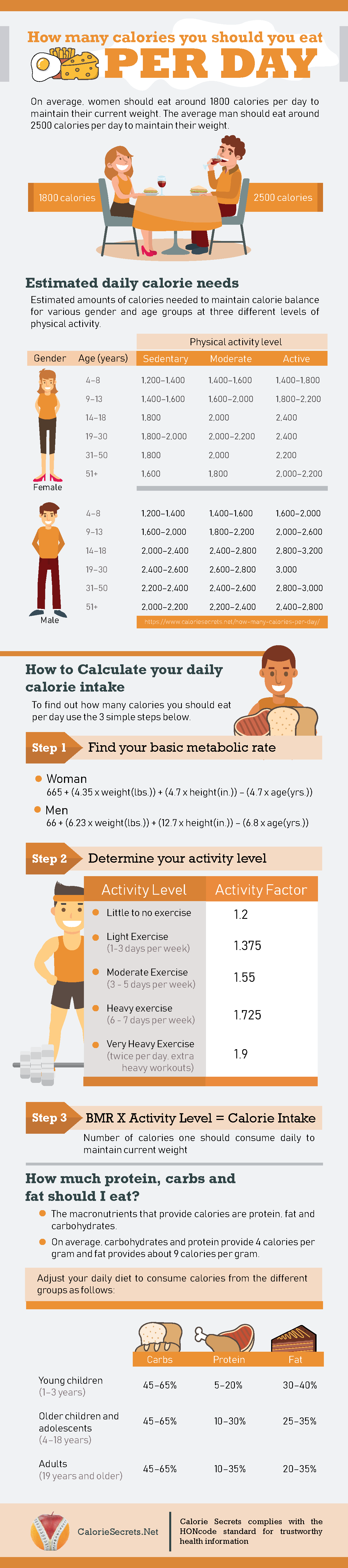
The computational backbone of any calorie calculator is a set of scientifically validated algorithms designed to estimate BMR and TDEE. The most commonly employed formulas include:
-
Mifflin-St Jeor Equation: Widely considered one of the most accurate for estimating BMR for most adults, it factors in age, gender, weight, and height.
-
For Men: (10 × weight in kg) + (6.25 × height in cm) – (5 × age in years) + 5
-
For Women: (10 × weight in kg) + (6.25 × height in cm) – (5 × age in years) – 161
-
-
Harris-Benedict Equation: An older but still frequently used formula, also considering age, gender, weight, and height, but often considered less accurate than Mifflin-St Jeor for modern populations.
-
Katch-McArdle Formula: This equation is unique in that it requires an estimate of lean body mass (LBM), making it potentially more accurate for individuals with varying body compositions, especially athletes.
Once BMR is calculated, these tools then apply an “activity multiplier” to determine TDEE. These multipliers range from 1.2 (sedentary) to 1.9 (extremely active), scaling the BMR based on the user’s reported physical activity level. The selection and implementation of these algorithms are critical for the calculator’s foundational accuracy.
Data Input and Parameterization
The effectiveness of a calorie calculator hinges on the quality and specificity of the data it receives. Users are typically prompted to provide:
-
Age: Influences metabolic rate, which generally declines with age.
-
Gender: Men typically have a higher metabolic rate than women due due to differences in muscle mass and body composition.
-
Weight (in kg or lbs): A primary factor in BMR calculation.
-
Height (in cm or inches): Another crucial factor for BMR.
-
Activity Level: This parameter, often chosen from a predefined scale (sedentary, light, moderate, heavy, extra active), is used to apply the activity multiplier to the BMR, yielding TDEE.
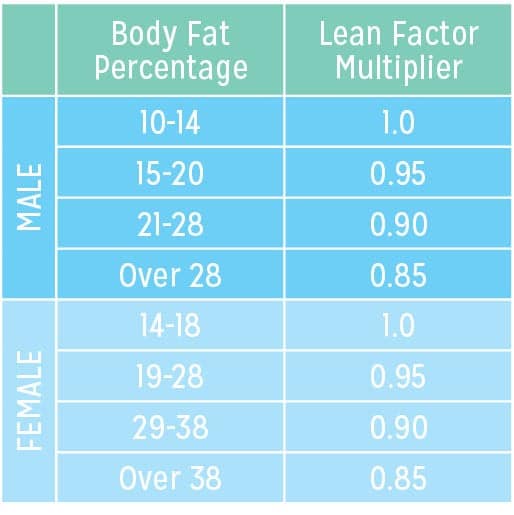
Advanced calculators might also ask for body fat percentage (for Katch-McArdle) or specific fitness goals (weight loss, maintenance, gain) to further refine the recommendations. The software’s ability to accurately capture and correctly parameterize this diverse input data is fundamental to its utility.
Integration with Wearable Tech and Health Platforms
A significant leap in the accuracy and convenience of calorie calculators comes from their integration with wearable technology and broader health platforms. Modern applications often leverage Application Programming Interfaces (APIs) to seamlessly connect with devices such as:
-
Fitness Trackers (e.g., Apple Watch, Fitbit, Garmin): These devices can provide real-time or accumulated data on steps taken, heart rate, estimated calories burned through exercise, and even sleep patterns. By pulling this data, a calorie calculator can dynamically adjust TDEE estimates, offering a more precise reflection of daily energy expenditure than a static activity level input.
-
Smart Scales: These scales can automatically record weight and body composition metrics (like body fat percentage) and sync them to the calculator application, removing the need for manual entry and enhancing the accuracy of formulas like Katch-McArdle.
-
Other Health Apps: Integration with apps for food logging, workout tracking, or sleep monitoring creates a holistic data ecosystem. This interoperability allows the calorie calculator to operate within a richer context, providing more insightful and tailored recommendations based on a broader spectrum of user health data.
This ability to synchronize and interpret data from multiple sources transforms a standalone calculator into an intelligent, adaptive component of a personal health management system, moving beyond static estimates to dynamic, responsive guidance.
Advanced Features and Emerging Technologies
The evolution of calorie calculators doesn’t stop at accurate estimations and seamless integrations. The application of advanced technological paradigms, particularly in the realm of Artificial Intelligence and Machine Learning, is pushing these tools towards unprecedented levels of personalization and predictive capability. These innovations are transforming simple calculators into sophisticated digital health coaches.
AI and Machine Learning for Predictive Nutrition
The most exciting frontier for calorie calculators lies in the integration of Artificial Intelligence (AI) and Machine Learning (ML). While traditional calculators rely on static formulas, AI/ML models can:
-
Analyze Longitudinal Data: By tracking a user’s intake, expenditure, and weight changes over time, AI can identify individual metabolic responses and adapt recommendations beyond general formulas. It can learn how an individual’s body responds to specific caloric deficits or surpluses.
-
Identify Patterns and Predict Outcomes: ML algorithms can detect subtle patterns in a user’s activity, food preferences, and weight fluctuations that might be missed by human observation or simpler algorithms. This allows for more accurate predictions of how certain dietary changes will impact weight and health goals.
-
Personalized Feedback Loops: Instead of just providing a number, AI-powered calculators can offer smart suggestions, nudges, and adaptive caloric targets that evolve as the user progresses or faces plateaus. This moves from a “one-size-fits-all” formula to a truly personalized, data-driven approach. For instance, if an individual consistently consumes slightly more calories than recommended but still loses weight, AI could learn their unique metabolic efficiency.
Personalization and Dynamic Adjustments
Beyond just calorie targets, advanced calculators offer deep personalization:
-
Goal-Based Tracking: Users can set specific goals (e.g., lose 1 lb per week, gain muscle mass, maintain weight), and the calculator will adjust the caloric recommendations accordingly, creating a targeted caloric deficit or surplus.
-
Macronutrient Breakdowns: Many calculators go beyond total calories to provide macronutrient (protein, fat, carbohydrates) recommendations, often allowing users to customize ratios based on their dietary preferences or specific fitness objectives (e.g., high-protein for muscle building).
-
Real-time Adjustments: As mentioned with wearable integration, the best tools can dynamically adjust calorie targets throughout the day based on actual activity levels. If a user has a particularly strenuous workout, the calculator might increase the recommended intake for that day to prevent excessive deficits.
Gamification and Motivational Design
To ensure sustained engagement, developers employ gamification techniques within these applications. These aren’t just technical features but psychological motivators embedded through clever tech design:
-
Progress Visualization: Interactive charts and graphs that show caloric intake vs. expenditure, weight trends, and goal proximity keep users informed and motivated.
-
Streaks and Achievements: Earning badges for consistent logging, reaching milestones, or maintaining a caloric target taps into users’ intrinsic desire for accomplishment.
-
Reminders and Nudges: Push notifications, strategically designed to be helpful rather than intrusive, prompt users to log meals or stay on track.
These elements leverage behavioral science and user interface design to foster healthy habits, making the journey towards nutritional goals more interactive and rewarding.
Choosing the Right Calorie Calculator: A Tech User’s Guide
For anyone looking to leverage technology for better health, selecting the appropriate calorie calculator is a crucial step. It’s not just about finding a tool that does the math; it’s about identifying a robust, reliable, and user-friendly piece of software that integrates seamlessly into one’s digital life and supports long-term health goals.
Key Features to Look For
When evaluating different calorie calculator applications, consider the following technological and functional aspects:
-
Accuracy of Algorithms: While most use standard equations, look for transparency regarding which formulas are employed. Some tools might offer more advanced options like BMR calculations based on lean body mass.
-
User Interface (UI) and User Experience (UX): Prioritize apps with an intuitive, clean, and engaging design that makes data input and results interpretation straightforward. A cluttered or confusing interface can quickly lead to abandonment.
-
Integration Capabilities: Assess its ability to connect with other devices and apps you use. Does it sync with your fitness tracker, smart scale, or other health apps? Seamless data flow is a significant convenience and accuracy booster.
-
Data Privacy and Security: Since you’ll be inputting personal health data, understand the app’s privacy policy. How is your data stored? Is it anonymized? Is it shared with third parties? Robust security measures are paramount.
-
Platform Availability: Is it available on your preferred devices (web, iOS, Android)? Cross-platform syncing can be very useful for a consistent experience.
-
Advanced Features: Does it offer macronutrient breakdowns, goal tracking, AI-powered adjustments, or food logging capabilities? These extra features can turn a basic calculator into a comprehensive dietary management tool.
Understanding the Limitations of the Technology
Despite their sophistication, it’s vital to recognize that calorie calculators are technological tools providing estimates, not definitive medical diagnoses or perfect prescriptions.
-
Individual Variability: While algorithms are scientifically derived, human metabolism is incredibly complex and varies from person to person. Factors like genetics, gut microbiome, hormonal balance, and specific health conditions can influence actual caloric needs beyond what a standard formula can account for.
-
Estimation, Not Precision: The results are always estimates. Activity level inputs are subjective, and even the most advanced wearables have a margin of error in estimating calorie expenditure.
-
Not a Substitute for Professional Advice: These tools should complement, not replace, guidance from healthcare professionals, registered dietitians, or nutritionists, especially for individuals with specific health concerns or complex dietary needs. The technology empowers individuals with data, but professional interpretation and personalized advice remain invaluable.
The Future of Digital Dietary Tools
The trajectory of calorie calculators points towards even greater personalization and integration. We can anticipate:
-
Hyper-Personalization: Leveraging genetic data (nutrigenomics) to provide dietary recommendations tailored to an individual’s unique genetic predispositions.
-
Seamless Integration with Smart Environments: Imagine smart refrigerators suggesting meal plans based on your caloric goals and available ingredients, or kitchen appliances automatically tracking food intake.
-
Advanced Biometric Feedback: Continuous glucose monitoring (CGM) and other emerging wearable biometrics could feed into calculators for real-time, highly accurate metabolic insights.
-
Ethical AI in Nutrition: Further development of AI will need to be coupled with robust ethical frameworks to ensure data privacy, prevent algorithmic bias, and deliver responsible health guidance.
Impact on Digital Health and Wellness Ecosystems
The “how many calories do I need a day calculator” is more than a standalone tool; it’s a vital component within the broader digital health and wellness ecosystem. Its technological advancements contribute significantly to empowering individuals and shaping the future of personalized health management.
Empowering User Autonomy through Data
One of the most profound impacts of these calculators is the empowerment of the individual. By providing accessible, understandable data about their own energy needs, these tools shift the locus of control. Users are no longer passively receiving generic advice but actively engaging with their own physiological data. This data-driven autonomy allows individuals to make informed decisions about their diet, experiment with different approaches, and take a more proactive role in managing their health and fitness goals. The technology translates complex science into actionable insights, making health self-management more attainable for the everyday user.
Interoperability and the Connected Health Journey
Calorie calculators exemplify the trend towards interoperability in digital health. As discussed, their ability to integrate with wearables, smart scales, and other health applications creates a “connected health journey.” They act as a central hub for understanding one critical aspect of wellness, which then feeds into or draws from other aspects like activity, sleep, and stress management. This holistic approach, facilitated by robust APIs and data synchronization protocols, paints a more complete picture of an individual’s health, moving away from siloed data towards a comprehensive, interconnected ecosystem that supports overall well-being.
Ethical Considerations in Health Tech
As calorie calculators and other health tech tools become more sophisticated, ethical considerations become increasingly important. Developers and users alike must contend with:
-
Data Privacy: The collection of highly personal health data necessitates stringent privacy policies and robust cybersecurity measures to protect user information from breaches or misuse.
-
Accuracy Claims and Misinformation: The responsibility lies with developers to ensure that the algorithms are scientifically sound and that claims about accuracy are realistic, managing user expectations about the inherent limitations of estimations.
-
Responsible Use of AI: As AI takes on a more prominent role, ensuring that its recommendations are unbiased, transparent, and do not inadvertently promote unhealthy behaviors (e.g., excessively restrictive diets) is critical. The technology should be a tool for empowerment, not a source of potential harm.
In conclusion, the “how many calories do I need a day calculator” stands as a testament to the transformative power of technology in personal health. From simple automated calculations to AI-driven predictive insights, these tools are continually evolving, empowering individuals with data, fostering connected health ecosystems, and shaping the future of personalized nutrition. As technology advances, so too will our ability to precisely understand and manage our caloric needs, making the journey towards optimal health more accessible, insightful, and engaging than ever before.
aViewFromTheCave is a participant in the Amazon Services LLC Associates Program, an affiliate advertising program designed to provide a means for sites to earn advertising fees by advertising and linking to Amazon.com. Amazon, the Amazon logo, AmazonSupply, and the AmazonSupply logo are trademarks of Amazon.com, Inc. or its affiliates. As an Amazon Associate we earn affiliate commissions from qualifying purchases.