
Social Security is a cornerstone of financial security for millions of Americans, providing essential income during retirement, disability, or in the event of a wage earner’s death. Understanding the duration of these benefits is crucial for effective personal financial planning. While often perceived as a lifetime benefit, the length of time you receive Social Security payments can vary significantly based on the type of benefit, your age, work history, and life circumstances. Navigating these nuances requires a clear grasp of Social Security Administration (SSA) rules and regulations.
Understanding the Landscape of Social Security Benefits
Before delving into the specifics of benefit duration, it’s essential to appreciate the various forms Social Security takes and the basic principles governing its existence. This foundation helps to contextualize why certain benefits last longer than others.
What is Social Security?
Social Security is a federal insurance program primarily funded through payroll taxes. Workers pay into the system throughout their careers, and these contributions, along with those from employers, fund current beneficiaries. It’s not a savings account in the traditional sense; rather, it’s a pay-as-you-go system designed to provide financial protection. The benefits are calculated based on a worker’s lifetime earnings, specifically their highest 35 years of indexed earnings.
Types of Benefits
The duration of Social Security payments is directly tied to the type of benefit being received. The SSA administers three primary categories:
-
Retirement Benefits: These are the most common, paid to eligible workers who have reached a certain age and accumulated enough work credits. Spouses and divorced spouses may also qualify for benefits based on their spouse’s or ex-spouse’s work record.
-
Disability Benefits: Social Security Disability Insurance (SSDI) provides income to individuals who are unable to work due to a severe medical condition expected to last at least a year or result in death.
-
Survivor Benefits: These benefits are paid to eligible family members (spouses, children, or dependent parents) of a deceased worker who had earned enough Social Security credits.
Eligibility Requirements and Work Credits
To qualify for Social Security benefits, individuals must accumulate a certain number of “work credits.” You can earn up to four work credits each year. In 2024, one credit is earned for every $1,730 of earnings, meaning you need to earn $6,920 to get the maximum four credits for the year. Most people need 40 credits, earned over at least 10 years, to be fully insured for retirement benefits. For disability benefits, the number of required credits varies by age at the time of disability, and some survivor benefits may require fewer credits. The earning of these credits sets the initial stage for if you receive benefits; the duration is determined by other factors.
The Lifespan of Retirement Benefits
For most retirees, the question of “how long do you receive Social Security” directly pertains to their retirement payments. The general answer is for the remainder of your life, but with important considerations regarding when you start receiving them and specific circumstances that might affect that duration.
When Do Benefits Start?
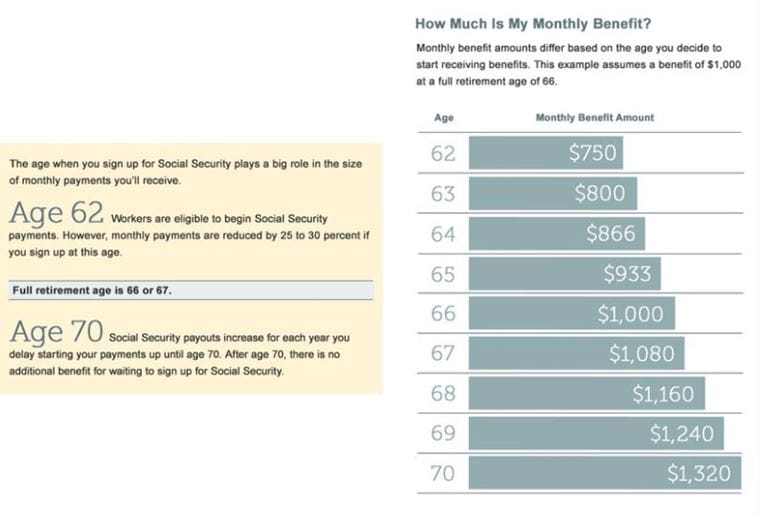
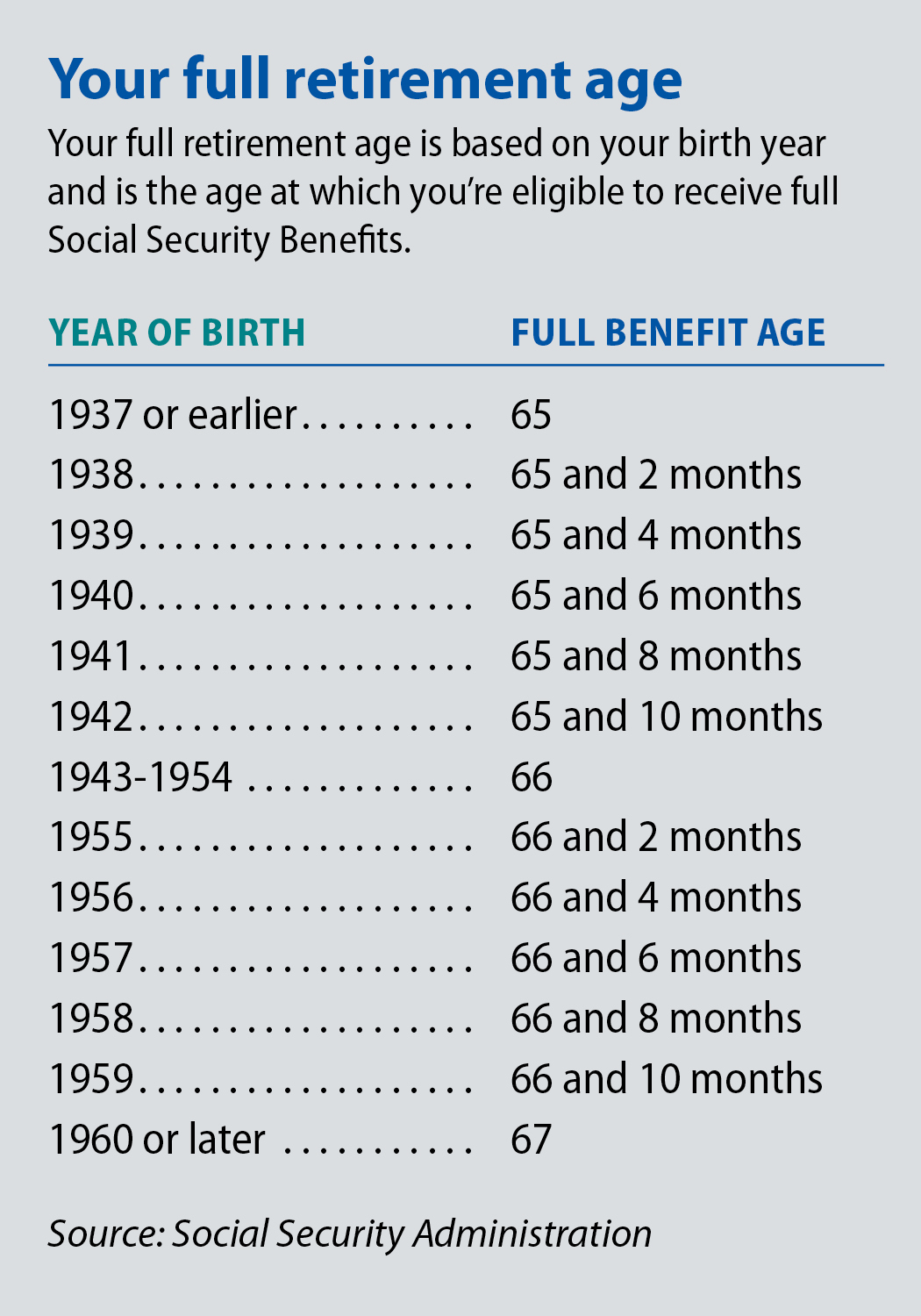
The earliest you can begin receiving retirement benefits is age 62, though your monthly payment will be permanently reduced if you file before your Full Retirement Age (FRA). Your FRA depends on your birth year; for most individuals born in 1960 or later, it is 67. Delaying benefits beyond your FRA, up to age 70, can result in a significant increase in your monthly payment due to delayed retirement credits. The choice of when to start benefits directly impacts your annual income, but generally, not the length of time you receive them, save for the decision to delay past life expectancy.
How Long Do They Last?
Once you begin receiving retirement benefits, they are generally paid for the rest of your life. This holds true whether you start at age 62, your FRA, or age 70. The payments will continue monthly until your death. There are very few exceptions where retirement benefits would cease prior to death, such as if you were determined to have committed fraud in claiming them, or if, in extremely rare cases, you became subject to certain legal disqualifications (e.g., specific federal crimes). For practical financial planning purposes, assume your retirement benefits are lifelong once initiated.
Impact of Life Expectancy
While benefits are paid for life, the total dollar amount you receive over your lifetime is heavily influenced by your life expectancy. If you live a long life, delaying benefits until age 70 can result in a significantly higher total payout than claiming at age 62, despite receiving fewer payments overall. Conversely, if you have a shorter-than-average life expectancy, claiming earlier might result in a higher total payout. This is a critical personal finance decision that requires careful consideration of health, family history, and other income sources.
Spousal and Survivor Benefits
-
Spousal Benefits: An eligible spouse can receive up to 50% of the primary earner’s full retirement benefit. These benefits typically last as long as the primary earner lives (if the spouse is alive) and continue for the spouse’s lifetime if they are eligible. A divorced spouse may also qualify, and their benefits do not impact the primary earner’s or new spouse’s benefits.
-
Survivor Benefits: A surviving spouse can claim benefits based on their deceased spouse’s record. A widow or widower can start receiving benefits as early as age 60 (or 50 if disabled) and continue for life, provided they do not remarry before age 60 (or age 50 if disabled). If they remarry after age 60, their survivor benefits may continue. Unmarried dependent children under age 18 (or 19 if still in high school) can also receive survivor benefits, which cease when they reach the age limit or complete high school. Disabled adult children who became disabled before age 22 may receive benefits for life.
Duration of Disability and Survivor Benefits
The duration of disability and survivor benefits has specific rules and conditions that differ from standard retirement benefits. These are often tied to ongoing eligibility reviews or age limitations.
Social Security Disability Insurance (SSDI)
SSDI benefits are designed for individuals who cannot engage in substantial gainful activity due to a severe medical condition. Unlike retirement benefits, SSDI payments are not automatically for life. The SSA conducts periodic reviews of your medical condition to determine if you are still disabled.
-
Medical Improvement: If your medical condition improves to the point where you are able to work again, your SSDI benefits will eventually cease. The frequency of these reviews depends on the likelihood of medical improvement (e.g., every 6-18 months for expected improvement, every 3 years for possible improvement, every 7 years for no improvement expected).
-
Return to Work: The SSA has “work incentives” to encourage beneficiaries to attempt returning to work. These include a “Trial Work Period” where you can work and earn unlimited income for nine months without affecting your benefits. After this period, if you continue to work and earn above a certain threshold (Substantial Gainful Activity level), your benefits may stop, though an extended period of eligibility often applies.
-
Conversion to Retirement: A significant point is that SSDI benefits automatically convert to retirement benefits when you reach your Full Retirement Age (FRA). The benefit amount typically remains the same, but it is reclassified from disability to retirement. At this point, the reviews for medical improvement cease, and the benefits become lifelong, similar to regular retirement benefits.
Supplemental Security Income (SSI)
SSI is a needs-based program that provides financial assistance to low-income individuals who are aged, blind, or disabled. Unlike SSDI, eligibility for SSI is based on limited income and resources, not solely on work history.
-
Ongoing Eligibility: SSI benefits are subject to ongoing re-evaluations of both your medical condition (if disabled) and your financial situation. If your income or resources exceed the program’s limits, your SSI benefits will stop.
-
Duration: As long as you continue to meet the income, resource, and disability/age requirements, SSI benefits can continue indefinitely. However, recipients must regularly report changes in their living situation, income, or resources, as these can impact benefit amounts or eligibility.
Survivor Benefits for Dependents
The duration of survivor benefits for children and dependent parents is tied to specific age and dependency criteria:
-
Children: Unmarried children generally receive benefits until they turn 18. If they are still attending high school full-time, benefits can continue until they graduate or turn 19, whichever comes first. Disabled adult children who became disabled before age 22 can receive benefits for life, as long as they remain disabled and unmarried (or marry another Social Security beneficiary).
-
Dependent Parents: Parents aged 62 or older who were dependent on the deceased worker for at least half of their support can receive benefits for life.
Factors Affecting Benefit Duration and Amount
While the primary duration rules are well-defined, various factors can influence how long you actually receive benefits, or at least the amount you receive, which effectively impacts its financial longevity.
Earning Limits
If you claim Social Security retirement benefits before your Full Retirement Age (FRA) and continue to work, your benefits may be reduced if your earnings exceed certain annual limits. For instance, in 2024, if you are under FRA, the SSA deducts $1 from your benefits for every $2 you earn above $22,320. In the year you reach FRA, the deduction is $1 for every $3 earned above a higher limit ($59,520 in 2024) until the month you reach FRA. Once you reach FRA, there are no longer any earning limits, and you can earn as much as you want without affecting your benefits. Any benefits withheld due to these limits are not lost; they contribute to a higher monthly benefit once you reach FRA.
Changes in Eligibility
Changes in personal circumstances can directly affect the duration of benefits for dependents:
-
Remarriage: A surviving spouse who remarries before age 60 (or 50 if disabled) typically loses eligibility for survivor benefits from the deceased spouse’s record. Remarrying after these ages usually does not affect eligibility.
-
Children Aging Out: As mentioned, children’s benefits cease when they reach specific age or educational milestones.
-
Disability Improvement: For SSDI recipients, a medical improvement that allows for substantial gainful activity will lead to the cessation of benefits after a trial work period and extended period of eligibility.
Cost-of-Living Adjustments (COLA)
While not directly impacting duration, Cost-of-Living Adjustments (COLAs) significantly affect the purchasing power and effective “duration” of your benefits over time. Social Security benefits are typically adjusted annually to keep pace with inflation. This ensures that the value of your monthly payments does not erode due to rising costs, thus making your benefits financially sustainable for the full period you receive them.
Future of Social Security
Concerns about the long-term solvency of the Social Security trust funds are frequently discussed. While projections indicate that the program can pay full benefits for several more decades, potential future reforms (e.g., changes to retirement age, benefit formulas, or tax rates) could impact future beneficiaries. However, for current beneficiaries, there is generally strong political will to ensure benefits continue as promised. The program has faced similar challenges in the past and has been adjusted to remain solvent.
Strategic Planning for Your Social Security Income
Integrating Social Security into your overall financial strategy is key to maximizing its value and ensuring it supports you for as long as you need it.
Maximizing Your Lifetime Benefits
For retirement benefits, the decision of when to claim is arguably the most impactful financial planning choice related to Social Security. Delaying benefits past your Full Retirement Age, up to age 70, can increase your monthly payment by 8% for each year you defer. This strategy is particularly powerful for individuals with good health and other sufficient income sources in early retirement, as it provides a higher, inflation-adjusted income stream for the rest of their lives. Spousal coordination strategies, where one spouse claims early and the other delays, can also optimize total household lifetime benefits.
Integrating Social Security into Your Retirement Plan
Think of Social Security as one pillar of your retirement income, alongside personal savings (401(k)s, IRAs), pensions, and other investments. Understanding its guaranteed, inflation-adjusted nature makes it an excellent foundation upon which to build the rest of your financial plan. By knowing approximately how much you’ll receive and for how long, you can better determine how much you need to save and invest to cover your remaining expenses.

When to Seek Professional Advice
Given the complexities and the significant impact on your long-term financial well-being, consulting with a qualified financial advisor is often beneficial. An advisor can help you understand your specific Social Security benefit amounts, evaluate different claiming strategies based on your personal circumstances (health, marital status, other assets), and integrate your Social Security income into a comprehensive retirement plan. The Social Security Administration’s website and services also provide valuable information and tools to help you estimate your benefits.
In summary, while Social Security retirement benefits are largely lifelong once initiated, the duration of disability and survivor benefits is conditional and subject to review. Making informed decisions about when to claim and understanding the specific rules for each benefit type are fundamental steps in securing your financial future.
aViewFromTheCave is a participant in the Amazon Services LLC Associates Program, an affiliate advertising program designed to provide a means for sites to earn advertising fees by advertising and linking to Amazon.com. Amazon, the Amazon logo, AmazonSupply, and the AmazonSupply logo are trademarks of Amazon.com, Inc. or its affiliates. As an Amazon Associate we earn affiliate commissions from qualifying purchases.