
In the contemporary financial landscape, the concept of a “single source of income” is rapidly becoming an outdated relic of the 20th century. With inflationary pressures, shifting job markets, and the increasing accessibility of global digital platforms, the pursuit of extra money is no longer just a hobby for the ambitious; it has become a fundamental strategy for financial resilience and wealth building. Whether the goal is to accelerate debt repayment, fund a significant life event, or achieve long-term financial independence, understanding the mechanics of diverse income streams is essential.
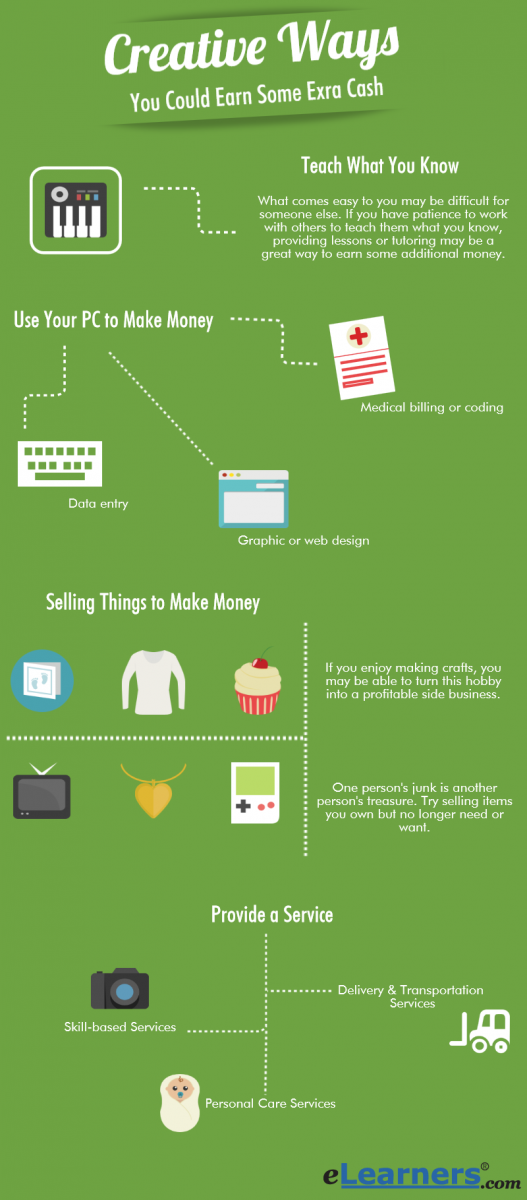
Generating extra money requires a strategic blend of leveraging existing skills, optimizing underutilized assets, and deploying capital into passive vehicles. This guide explores the multifaceted approaches to increasing your cash flow, categorized by the level of involvement and the nature of the returns.
Leveraging the Freelance Economy for Immediate Returns
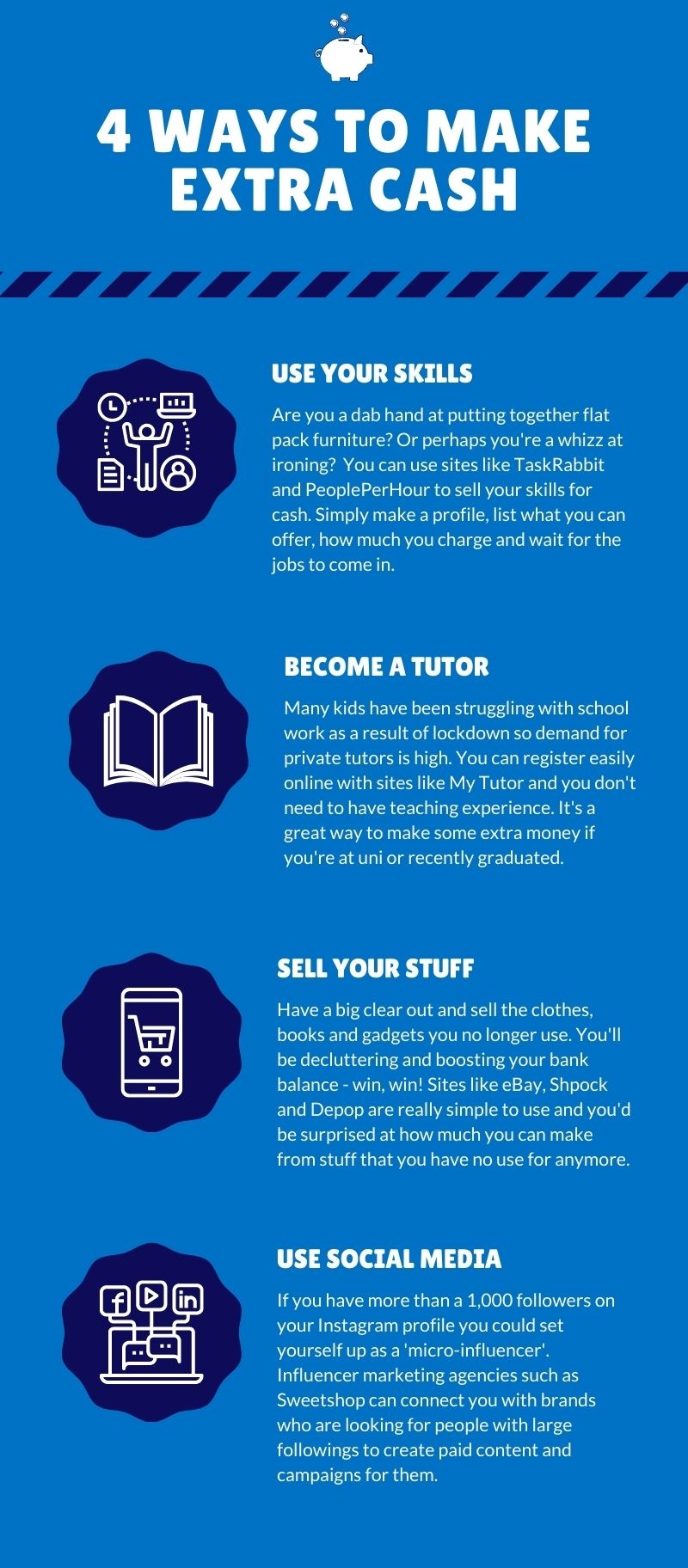
The most direct path to generating extra money is through the “active income” model—trading your time and expertise for a fee. The rise of the gig economy has democratized access to global markets, allowing individuals to monetize specific skill sets without the overhead of a traditional business.
Skill-Based Consulting and the Remote Work Revolution
For professionals with established expertise in fields such as software development, graphic design, digital marketing, or financial analysis, high-value freelancing offers the highest hourly return on investment. Platforms like Upwork, Turo, and LinkedIn ProFinder have bridged the gap between independent contractors and corporate clients.
To maximize income in this sector, one must move beyond generalist services. Specialization—for instance, focusing on “Python automation for fintech” rather than just “programming”—allows you to command premium rates. The key to success here is building a robust portfolio and a reputation for reliability. Unlike traditional employment, freelancing allows for “income stacking,” where you can manage multiple short-term projects simultaneously, significantly outearning a standard salary during peak demand periods.
Micro-Tasking and Administrative Support Services
If you lack a specialized technical niche, the “on-demand” economy provides opportunities through administrative and logistical support. Virtual assistant roles have seen a surge in demand as entrepreneurs seek to outsource routine tasks like email management, scheduling, and basic data entry.
While the per-task pay in the micro-tasking world (such as through Amazon Mechanical Turk or Rev for transcription) may be lower, these options offer unparalleled flexibility. They serve as an excellent “entry-level” method for generating extra money during downtime—commuting, evenings, or weekends—without the need for long-term commitments or significant upfront training.
Creating Scalable Digital Assets and E-commerce Ventures
While active income is effective, it is ultimately limited by the number of hours in a day. To truly scale your financial growth, you must look toward “scalable” income—systems where the effort is decoupled from the time spent. Digital assets represent the modern frontier of this model.
The Power of Information Products and Digital Downloads
In the “knowledge economy,” what you know is often more valuable than what you do. Creating digital products such as e-books, online courses, or specialized templates (like Excel models or Notion dashboards) allows you to package your knowledge once and sell it indefinitely.
Platforms like Teachable, Gumroad, and Etsy have made it possible to reach niche audiences with zero distribution costs. The beauty of digital downloads is the high profit margin. Once the initial production time is invested, every subsequent sale is almost 100% profit. For instance, a middle-school teacher might create lesson plans and sell them on Teachers Pay Teachers, turning their daily work product into a recurring source of extra money.
Navigating Content Monetization and Affiliate Marketing
Content creation—via blogging, YouTube, or podcasting—has evolved from a creative outlet into a sophisticated revenue engine. By building an audience around a specific topic, you create “digital real estate” that can be monetized through advertising and affiliate marketing.
Affiliate marketing, in particular, is a powerful tool for generating extra money. By recommending products or services and earning a commission on sales made through your unique link, you act as a bridge between the consumer and the brand. This requires no inventory and no customer service responsibility. However, the professional approach to this niche requires a focus on “trust-based marketing.” Providing genuine value and honest reviews ensures long-term audience retention, which is the foundation of consistent monthly revenue.
Strategic Investing for Sustainable Passive Income
For those who already have some savings, the most efficient way to get extra money is to let your existing capital do the work. This is the transition from “working for money” to “money working for you.”
Building a Dividend-Growth Portfolio
Investing in dividend-paying stocks is one of the oldest and most reliable methods of generating passive cash flow. When you buy shares in established, profitable companies, they often distribute a portion of their earnings to shareholders in the form of dividends.
The professional strategy involves “dividend growth investing”—selecting companies that not only pay dividends but consistently increase them year after year. Over time, the yield on your original investment can grow significantly. By reinvesting these dividends during the early stages, you benefit from compound interest, eventually creating a “snowball effect” where the extra money generated from dividends can cover a significant portion of your living expenses.
Exploring Alternative Investments and Real Estate
Beyond the stock market, alternative investments offer diverse ways to generate yield. Real Estate Investment Trusts (REITs) allow individuals to invest in large-scale commercial or residential real estate without the need to manage properties directly. REITs are legally required to distribute at least 90% of their taxable income to shareholders, making them excellent vehicles for extra monthly or quarterly income.
Furthermore, the rise of fintech has introduced peer-to-peer (P2P) lending and fractional real estate platforms. These allow you to act as the “bank,” lending small amounts of capital to individuals or small businesses in exchange for interest payments. While these carry higher risks than government bonds, they often provide significantly higher returns, serving as a potent supplement to a traditional investment portfolio.
Monetizing Tangible Assets and Optimizing Cash Flow
Sometimes, the best way to get extra money is to look at what you already own or what you are already spending. Asset optimization focuses on turning “dead” assets into “productive” ones.
Transforming Underutilized Assets into Revenue Streams
The “sharing economy” is built on the principle of asset utilization. If you have a spare bedroom, a car that sits idle during the workweek, or even high-end photography equipment, you have the potential for extra income.
Platforms like Airbnb (for lodging), Turo (for vehicles), and Fat Llama (for equipment rentals) provide the infrastructure and insurance necessary to rent your belongings to others. This turns a liability—something that costs you money in maintenance and depreciation—into a cash-producing asset. For many, the income generated from renting out a basement apartment or a spare car can completely offset the cost of their mortgage or auto loan, effectively “found” money that can be redirected toward savings or investments.
Strategic Financial Optimization and Reward Systems
While technically “money saved” rather than “money earned,” optimizing your financial outflows functions identically to receiving a raise. This includes the strategic use of cashback credit cards, high-yield savings accounts (HYSAs), and sign-up bonuses.
Professional “churning”—the practice of opening accounts to capture promotional bonuses—can result in thousands of dollars of extra money annually for those who are disciplined and organized. Additionally, moving an emergency fund from a standard bank (paying 0.01% interest) to a high-yield account (paying 4.00% or more) can generate hundreds of dollars in passive interest with zero risk. When combined with cashback apps and browser extensions that aggregate discounts, these optimizations ensure that you are capturing every possible cent from your existing economic activity.

Conclusion: Developing a Multi-Stream Mindset
The journey to getting extra money is not about finding a single “magic bullet” but about building a diversified ecosystem of income streams. By combining the immediate cash flow of freelancing, the scalability of digital assets, the compounding power of investments, and the efficiency of asset optimization, you create a robust financial foundation.
In a world where economic certainty is rare, the most valuable asset you can possess is the ability to generate income independently. Starting small—perhaps with a single freelance client or a modest dividend portfolio—builds the momentum necessary for larger ventures. Over time, these “extra” amounts coalesce, providing the freedom to make life choices based on passion and purpose rather than financial necessity.
aViewFromTheCave is a participant in the Amazon Services LLC Associates Program, an affiliate advertising program designed to provide a means for sites to earn advertising fees by advertising and linking to Amazon.com. Amazon, the Amazon logo, AmazonSupply, and the AmazonSupply logo are trademarks of Amazon.com, Inc. or its affiliates. As an Amazon Associate we earn affiliate commissions from qualifying purchases.