
The question, “How much income do I truly need?” is perhaps one of the most fundamental yet elusive queries in personal finance. It’s a question that resonates with everyone, from recent graduates embarking on their careers to seasoned professionals contemplating retirement, and entrepreneurs striving to scale their ventures. Far from a simple numerical answer, the ideal income is a deeply personal figure, shaped by a complex interplay of essential expenses, lifestyle aspirations, geographic location, and long-term financial goals.
In an age saturated with social media showcasing aspirational lifestyles and the constant pressure to “keep up,” it’s easy to lose sight of what genuine financial well-being looks like for you. This article will delve into the multifaceted nature of income requirements, moving beyond mere survival to explore how to calculate, strategize for, and ultimately achieve the income level that supports your desired life, not just your basic needs. We will examine the critical distinctions between needs and wants, the profound impact of environment and personal choices, and the proactive strategies for building a robust financial future. Understanding “how much income” isn’t just about a number on a pay stub; it’s about defining and pursuing your version of financial freedom and peace of mind.
Defining Your Financial Baseline: Needs vs. Wants
Before we can even begin to answer how much income you need, it’s crucial to establish a clear understanding of your current and projected expenses. This involves a rigorous distinction between absolute necessities – the things you cannot live without – and discretionary spending – the things that enhance your life but aren’t strictly essential for survival. This foundational exercise is the bedrock of any sound financial plan.
The Core Pillars of Essential Spending
At its most fundamental level, essential spending covers the non-negotiable costs of living. These are the expenses that, regardless of your lifestyle choices, must be met to maintain a basic standard of living. Accurately assessing these costs is the first step in calculating your minimum viable income.
-
Housing: This is often the largest single expense for most individuals and families. Whether it’s rent or a mortgage payment, property taxes, or homeowners’ insurance, housing costs are typically fixed and recurring. The cost varies dramatically by location, property size, and amenities, making it a critical factor in your overall income needs.
-
Food: While there’s flexibility in food choices, basic nutrition is a necessity. This includes groceries for home cooking, which is generally more cost-effective than dining out. Accounting for a realistic and healthy food budget is essential.
-
Transportation: Getting to work, school, and fulfilling daily responsibilities requires reliable transportation. This could involve car payments, insurance, fuel, maintenance, public transport fares, or ride-sharing services. The chosen mode of transport and daily commute distance significantly impact this category.
-
Healthcare: Even with robust insurance, out-of-pocket expenses such as co-pays, deductibles, prescription medications, and dental/vision care are unavoidable. For those without employer-sponsored plans, the cost of health insurance premiums themselves can be substantial.
-
Utilities: Essential household services like electricity, water, gas, internet, and sometimes sewage and trash collection are ongoing costs that keep a home functional and comfortable. These can fluctuate based on usage and seasonality.
-
Debt Minimums: While the goal is often to eliminate debt, minimum payments on credit cards, student loans, or personal loans are contractual obligations that must be met to avoid penalties and preserve credit scores. These are immediate necessities even if they represent past spending.
-
Insurance: Beyond health insurance, other forms like auto, renters/homeowners, and potentially life or disability insurance provide crucial financial protection against unforeseen events. These premiums are typically recurring and essential for risk management.
-
Personal Care & Basic Supplies: This category includes toiletries, cleaning supplies, and other non-discretionary items needed for hygiene and household maintenance.
Beyond Survival: Incorporating Basic Comforts and Future Security
Once essential needs are covered, the next layer of “required” income accounts for basic comforts and the beginnings of financial security. This moves beyond mere subsistence to allow for a sustainable, less stressful life, and lays the groundwork for future stability.
-
Modest Entertainment & Leisure: A purely survival-based budget is unsustainable mentally and emotionally. Incorporating a small allowance for stress relief, social interaction, and simple pleasures – like streaming services, an occasional meal out, or a hobby – contributes significantly to overall well-being.
-
Emergency Savings: This is not a want; it is a critical need. Building an emergency fund, typically covering 3-6 months of essential living expenses, provides a vital safety net against unexpected job loss, medical emergencies, or large unplanned repairs. Allocating a portion of income to this fund should be a non-negotiable budget item.
-
Retirement Contributions: Even modest contributions to a retirement account (like a 401(k) or IRA) from an early age can yield substantial returns over time due to compounding. Delaying this indefinitely puts future financial security at severe risk. Starting small and consistently is far better than waiting.
-
Education & Skill Development: Investing in oneself through continuous learning, whether it’s online courses, certifications, or professional development, can enhance earning potential and career mobility. A small budget for this can be seen as an investment rather than an expense.
By meticulously itemizing these categories, you can arrive at a realistic figure for your baseline income needs, which serves as your financial floor.
The Influence of Lifestyle and Location on Income Requirements
Once the foundational needs are established, the true variability in income requirements emerges when considering lifestyle choices and geographic location. These two factors can dramatically inflate or reduce the income needed to live comfortably, transforming a baseline figure into a highly personalized target.
Geographic Disparities: The Cost of Living Index
Where you choose to live is arguably one of the most significant determinants of your income needs. The cost of living varies wildly across different regions, cities, and even neighborhoods within the same metropolitan area.
-
Urban vs. Rural: Major metropolitan areas, especially global hubs, are synonymous with high costs. Housing, in particular, can be astronomically expensive in cities like New York, San Francisco, London, or Tokyo. This drives up not just rent/mortgage but also the cost of goods, services, and even transportation within a dense urban environment. Conversely, rural or smaller suburban areas often boast significantly lower housing costs, leading to a much lower overall cost of living.
-
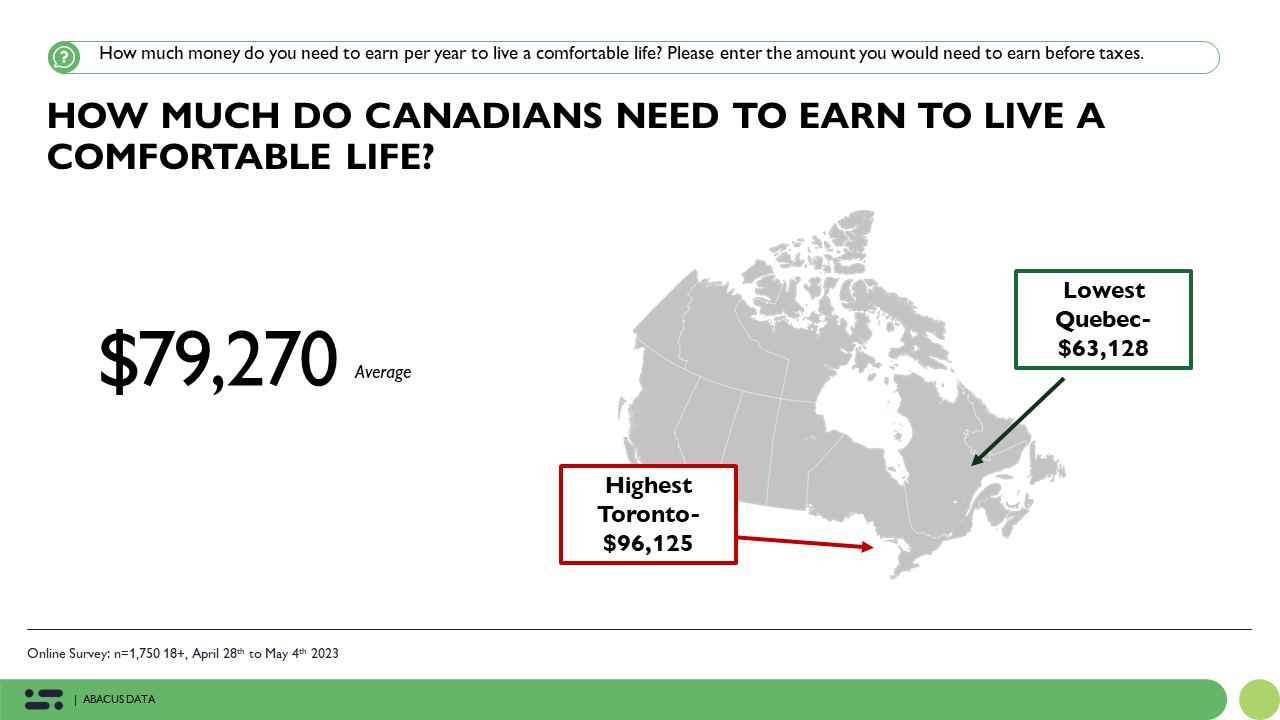
Different Countries/Regions: Relocating internationally introduces an even greater spectrum of cost-of-living differences. An income that affords a luxurious lifestyle in a developing nation might barely cover rent in a Western European capital. Even within countries, regional economic disparities mean that an average income in one state or province could be insufficient in another.
-
Impact on Housing, Transportation, and Services: Beyond housing, the cost of basic services like childcare, healthcare (especially out-of-pocket costs), groceries, and public utilities can fluctuate considerably. For instance, car insurance rates often vary by zip code, and public transport options (and their associated costs) differ dramatically between cities. Understanding the specific economic landscape of your chosen location is paramount. Tools like cost of living calculators can offer valuable insights, comparing your current location to potential new ones.
Lifestyle Choices: From Minimalism to Luxury
Beyond location, your personal choices regarding how you live, what you value, and what comforts you deem necessary have a profound impact on the income required to support your desired lifestyle. There’s no right or wrong answer here, only personal preferences that translate into financial implications.
-
Travel Frequency and Style: For some, regular international travel is a non-negotiable part of life, requiring a substantial travel budget for flights, accommodation, and experiences. For others, a yearly domestic trip or weekend getaways suffice, demanding a much smaller allocation. The choice between budget hostels and five-star resorts directly correlates with income needs.
-
Dining Habits: Regularly dining out, especially at high-end restaurants, can quickly consume a significant portion of income. Conversely, cooking at home, meal prepping, and mindful grocery shopping drastically reduce food-related expenses. The preference for organic produce, specialty foods, or convenience meals also plays a role.
-
Brand Preferences and Shopping Habits: Whether you prioritize designer labels or value brands, buy new or embrace second-hand, or indulge in frequent impulse purchases versus thoughtful, planned acquisitions all contribute to your expenditure. The desire for the latest gadgets, fashion, or luxury goods necessitates a higher disposable income.
-
Hobbies and Leisure Activities: Expensive hobbies like sailing, skiing, collecting art, or gourmet cooking require specific financial outlays for equipment, lessons, memberships, or materials. Simpler hobbies like hiking, reading, or gardening are far less demanding financially.
-
Family Size and Aspirations: The number of dependents, whether children or elderly relatives, significantly increases income needs. Beyond basic care, aspirations like private schooling, extracurricular activities, college savings, or providing financial support to family members necessitate a higher income level to achieve.
Ultimately, your desired income is a function of aligning your financial resources with your chosen environment and lifestyle. It’s about consciously designing a life that brings you satisfaction and security, rather than passively allowing external factors to dictate your financial targets.
Strategic Income Growth: Beyond the Paycheck
Once you understand your income needs – encompassing both necessities and desired lifestyle elements – the next critical step is to strategize for income growth. Relying solely on a single primary paycheck can leave individuals vulnerable to economic downturns or career stagnation. A proactive approach to expanding and diversifying income streams is essential for long-term financial resilience and achieving higher financial goals.
Diversifying Income Streams
The adage “don’t put all your eggs in one basket” holds profound truth in personal finance. Diversifying income reduces risk and provides multiple avenues for wealth accumulation.
-
Side Hustles and the Gig Economy: The rise of the gig economy has democratized income generation outside of traditional employment. Freelancing (writing, graphic design, web development), consulting, tutoring, ridesharing, delivery services, or selling handmade goods online are just a few examples. These activities allow individuals to leverage existing skills or develop new ones, generating supplementary income that can be used for savings, debt repayment, or discretionary spending. A successful side hustle can even evolve into a primary income source or a full-fledged business.
-
Passive Income Generation: The holy grail for many, passive income involves earning money with minimal ongoing effort after an initial investment of time or capital. Examples include:
-
Investments: Dividends from stocks, interest from bonds or high-yield savings accounts, and capital gains from appreciating assets.
-
Rental Properties: Income generated from tenants after covering mortgage and maintenance costs.
-
Royalties: Earning from creative works like books, music, or patents.
-
Online Ventures: Affiliate marketing, creating digital products (e-books, courses), or advertising revenue from blogs/YouTube channels, once established, can generate income with reduced ongoing effort.
-
-
Business Ventures: For those with an entrepreneurial spirit, starting a small business can be a powerful way to control income potential. While demanding, a successful business can offer significant returns and provide a platform for substantial wealth creation. This could range from an e-commerce store to a local service business.
The Power of Financial Planning and Investment
Generating income is one half of the equation; effectively managing and growing that income is the other. Strategic financial planning and intelligent investing are crucial for translating income into lasting wealth and security.
-
Budgeting and Expense Tracking: Understanding where your money goes is foundational. A well-constructed budget allows you to allocate funds intentionally, prioritize spending, identify areas for reduction, and ensure that income aligns with your financial goals. Tools and apps can simplify this process.
-
Goal Setting (Short-term, Long-term): Financial planning is driven by clear objectives. Whether it’s saving for a down payment on a house (short-term), funding a child’s education, or achieving early retirement (long-term), specific goals provide direction and motivation for your income strategy.
-
Understanding Inflation’s Impact: A crucial aspect of financial planning is recognizing that the purchasing power of money erodes over time due to inflation. An income that is adequate today may not be sufficient in 10 or 20 years. Investments must aim to outpace inflation to preserve and grow real wealth.
-
Compounding Returns: Often called the “eighth wonder of the world,” compounding allows your investments to earn returns not only on the initial principal but also on the accumulated interest or gains. Starting early, investing consistently, and allowing time for compounding to work its magic is key to significant wealth growth.
-
Risk Management: Protecting your assets and income is vital. This includes adequate insurance coverage (health, life, disability, property), diversifying investment portfolios to mitigate market volatility, and maintaining an emergency fund to handle unexpected financial shocks without derailing your long-term plans.
By actively pursuing diversified income streams and rigorously applying sound financial planning principles, individuals can move beyond merely earning enough to cover current expenses and instead build a robust financial future that supports their evolving needs and aspirations.
The Psychological Dimension: Income and Well-being
While a certain income level is undeniably necessary to cover basic needs and desired comforts, the relationship between income and overall well-being is more nuanced than often portrayed. Beyond a critical threshold, simply earning more doesn’t always equate to more happiness or satisfaction. Understanding this psychological dimension is key to defining true financial well-being.
Income vs. Happiness: The Hedonic Treadmill
Research suggests that there is a point of diminishing returns when it comes to income and happiness. Once basic needs are met and a reasonable level of financial security is achieved, additional income tends to have a progressively smaller impact on day-to-day emotional well-being.
-
The Threshold of Security: Studies often cite figures (though they vary by location and research methodology) around $75,000 to $95,000 annually per individual in many developed countries as the income level at which most people report experiencing maximum emotional well-being and life satisfaction. Below this, financial stress and worries about meeting basic needs significantly detract from happiness.
-
Beyond the Threshold: Once this threshold is crossed, increases in income may still lead to higher life evaluation (how you perceive your life’s success) but not necessarily greater emotional well-being (your daily feelings of joy, contentment, or sadness). People adapt to their new income level, and what was once a luxury quickly becomes the new normal – a phenomenon known as the hedonic treadmill. The desire for more simply shifts to a higher plane.
-
The Role of Financial Security in Reducing Stress: A significant portion of the “happiness” derived from income is actually the reduction of stress and anxiety related to financial insecurity. Having enough to cover emergencies, save for the future, and enjoy some discretionary spending provides a sense of control and peace of mind, which is a powerful contributor to mental well-being.
Financial Freedom and Autonomy
Ultimately, for many, the goal isn’t just a high number on a bank statement, but the freedom and autonomy that income can afford. This is about leveraging income to buy choices, not just goods.
-
Time Freedom: Sufficient income can enable individuals to work fewer hours, take sabbaticals, or pursue passions that may not be immediately lucrative. This ability to reclaim time is a priceless commodity in a demanding world.
-
Location Independence: For those who crave travel or wish to live in different parts of the world, adequate income, especially from diversified and potentially remote sources, can provide the flexibility to choose where and how they live, unbound by a physical office.
-
Meaningful Work and Purpose: Financial security can empower individuals to leave unfulfilling jobs and pursue careers or ventures that align more closely with their values, even if they initially offer lower financial returns. This pursuit of purpose is a significant driver of long-term satisfaction.
-
Generosity and Impact: For some, having “enough” income also means having the capacity to contribute to causes they care about, support family, or engage in philanthropy. The ability to make a positive impact is a profound source of meaning and well-being.
Therefore, “how much income” you truly need is a holistic question that extends beyond mere numbers. It encompasses not just meeting your financial obligations and desires but also cultivating a sense of security, peace, and the freedom to design a life that aligns with your deepest values and brings you lasting well-being.
Conclusion: Your Evolving Income Journey
The question of “how much income do you truly need?” is not a one-time calculation but an evolving inquiry that changes with your life stages, aspirations, and economic realities. There is no universal magic number that applies to everyone, nor is there a static figure that remains constant throughout your life. Instead, it is a dynamic journey of self-reflection, strategic planning, and continuous adjustment.
We’ve explored how a clear understanding of your essential needs forms the bedrock of your financial baseline, while your chosen lifestyle and geographic location act as significant multipliers on that figure. Furthermore, the discussion on strategic income growth underscores the importance of diversifying your earnings and employing robust financial planning to not only meet but exceed your financial targets, securing your future. Finally, the psychological dimension reminds us that true financial well-being extends beyond monetary figures, touching upon the profound sense of security, autonomy, and purpose that a well-managed income can provide.
Ultimately, defining “how much income” you need is about empowering yourself with knowledge and agency. It’s about consciously designing a financial life that supports your values, reduces stress, and opens doors to the opportunities you envision. Take the time to assess your unique situation, articulate your dreams, and implement the strategies discussed here. Your ideal income is the one that empowers you to live a life of purpose, security, and genuine fulfillment. The journey to discover and achieve that income is a personal and rewarding one, worthy of your diligent attention.
aViewFromTheCave is a participant in the Amazon Services LLC Associates Program, an affiliate advertising program designed to provide a means for sites to earn advertising fees by advertising and linking to Amazon.com. Amazon, the Amazon logo, AmazonSupply, and the AmazonSupply logo are trademarks of Amazon.com, Inc. or its affiliates. As an Amazon Associate we earn affiliate commissions from qualifying purchases.