
Strategic Sourcing: Beyond Price Tags in Personal Finance
The ubiquitous question, “where can I buy it?”, has evolved beyond a simple inquiry about location. In the modern financial landscape, it embodies a complex decision-making process for consumers, impacting personal budgets, long-term value, and overall financial well-being. Strategic sourcing for individuals involves a nuanced understanding of market dynamics, channel advantages, and the true cost of acquisition.
The Evolving Consumer Landscape
Today’s consumer faces an unprecedented array of options for nearly every product or service. From global e-commerce giants to niche online storefronts, local boutiques, and sprawling physical retail chains, the choices are overwhelming. Financially savvy individuals recognize that each channel presents distinct advantages and disadvantages regarding price, convenience, return policies, warranty support, and even ethical considerations. The decision of where to buy is no longer just about availability; it’s about optimizing financial outlay for maximum utility and satisfaction. Price comparison websites, user reviews, and product aggregators have become indispensable tools, allowing consumers to conduct extensive due diligence before committing their capital.
Assessing Value Beyond Cost
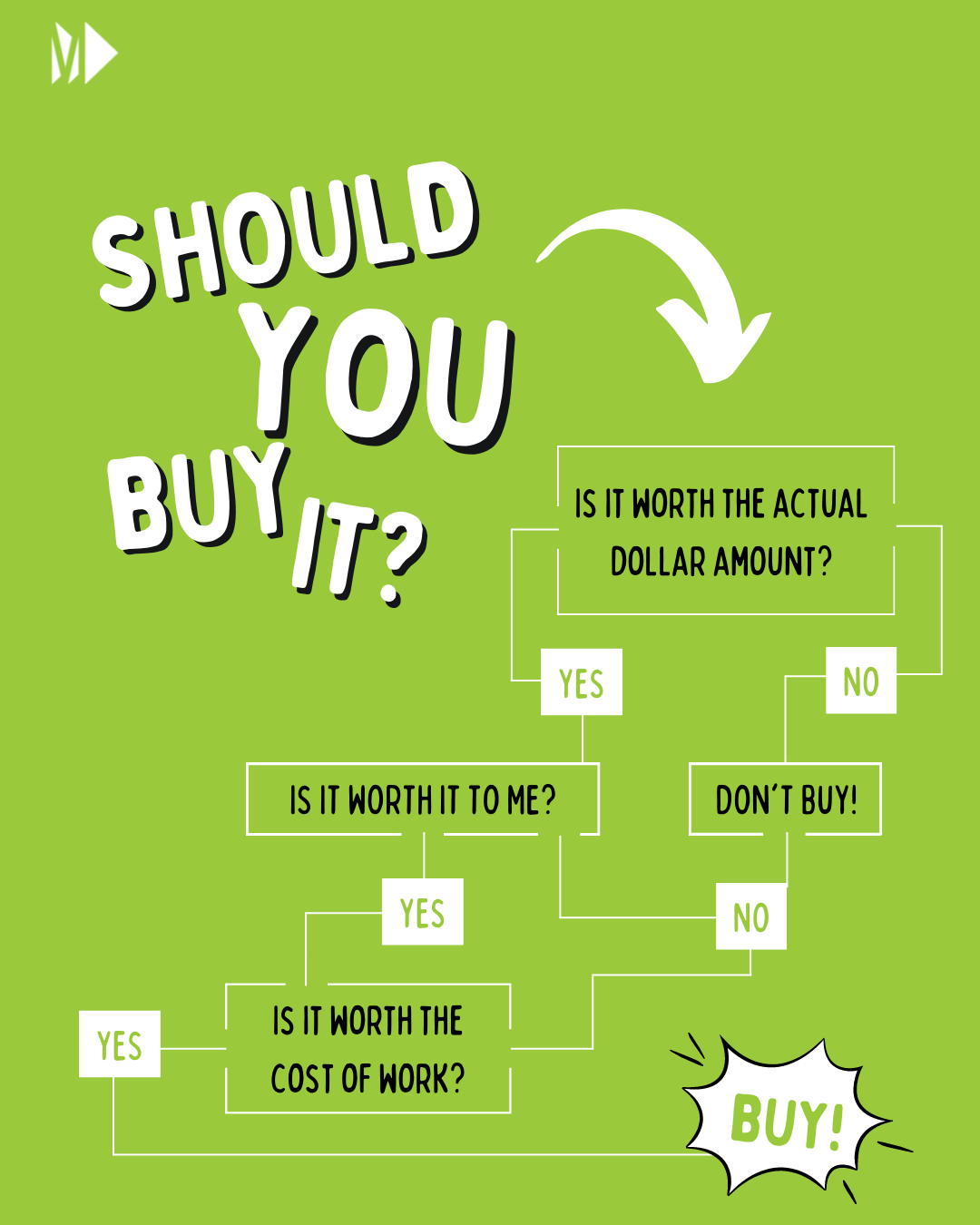
While price is a primary driver, a truly strategic financial approach to buying extends beyond the lowest sticker price. Value encompasses durability, quality, brand reputation (which can impact resale value), post-purchase support, and the longevity of the item. For example, investing in a slightly more expensive appliance with a superior warranty and higher energy efficiency ratings can result in significant long-term savings through reduced maintenance costs and lower utility bills. Similarly, purchasing durable goods from reputable sellers, even if it means a slightly higher upfront cost, often mitigates the financial risk of frequent replacements or costly repairs. Understanding the total cost of ownership (TCO) is paramount for making financially sound personal buying decisions.
Direct-to-Consumer (DTC) vs. Retailers
The rise of Direct-to-Consumer (DTC) brands has fundamentally reshaped where consumers can buy various products, particularly in categories like apparel, home goods, and specialty foods. DTC models often promise competitive pricing by cutting out intermediaries, offering a direct link between the manufacturer and the end-user. This can translate to better value for the consumer and a more streamlined purchasing experience. However, traditional retailers still offer advantages such as immediate gratification, the ability to physically inspect products, and easier returns. Financially, consumers must weigh the potential cost savings of DTC against the convenience and immediacy offered by brick-and-mortar or multi-brand online retailers. Furthermore, local retailers often contribute directly to the local economy, a consideration for those focused on community financial health.
The Rise of Secondary Markets
For many products, particularly electronics, luxury goods, and collectibles, secondary markets like eBay, Craigslist, and specialized consignment stores offer significant financial opportunities. Buying used can dramatically reduce the initial capital outlay, providing access to premium items at a fraction of their new price. Selling on these platforms can also generate income, turning depreciating assets into liquid cash. However, these markets come with inherent financial risks, including the potential for scams, faulty products, or misrepresentations. Astute buyers use secure payment methods, inspect items thoroughly, and understand seller ratings to mitigate these financial exposures, turning secondary markets into a viable and often profitable buying channel.
Optimizing Business Procurement: A Financial Imperative
For businesses, the question of “where can I buy it?” transcends individual preferences, becoming a critical strategic function deeply intertwined with financial health, operational efficiency, and competitive advantage. Procurement, in a business context, is not merely purchasing; it’s a sophisticated process of sourcing, negotiating, and acquiring goods, services, and works from external sources, all with a relentless focus on financial optimization.

The Strategic Role of Procurement
Effective procurement directly impacts a company’s bottom line by controlling costs, ensuring supply chain resilience, and influencing product quality. Strategic procurement involves identifying the best suppliers, negotiating favorable terms, managing contracts, and mitigating risks. The financial implications are enormous: even a small percentage saving on raw materials or operational services can translate into significant profit improvements. Moreover, strategic sourcing can unlock innovation by partnering with suppliers who offer cutting-edge solutions, contributing to a company’s long-term financial growth and market position.
Cost-Efficiency and Risk Mitigation
Businesses evaluate potential suppliers not just on price, but on a holistic assessment of cost-efficiency and risk. This includes analyzing the total cost of ownership (TCO) for goods, which factors in acquisition cost, inventory holding costs, maintenance, and disposal. Furthermore, supply chain resilience is a critical financial consideration. Companies strategically diversify their supplier base (“where to buy it” from multiple sources) to reduce dependency and mitigate risks associated with geopolitical events, natural disasters, or supplier insolvency, all of which can have devastating financial consequences if not managed proactively. Financial stability checks on potential suppliers are also a standard practice to ensure long-term reliability and avoid disruptions that could lead to costly delays or production halts.
Supplier Relationship Management (SRM)
Beyond transactional purchases, companies invest in robust Supplier Relationship Management (SRM). This strategic approach builds stronger, more collaborative relationships with key suppliers, leading to mutual financial benefits. Long-term partnerships can secure better pricing, preferential access to new technologies, and more flexible payment terms. SRM can also facilitate joint innovation, where suppliers contribute to product development or process improvements, ultimately driving down costs or enhancing value for the business and its customers. The financial return on investment in SRM often comes from reduced procurement cycles, improved quality, and stronger bargaining power.
Leveraging Technology in Business Buying
Modern procurement departments heavily rely on financial tools and technology to optimize their buying decisions. Enterprise Resource Planning (ERP) systems, e-procurement platforms, and spend analytics software provide unprecedented visibility into purchasing patterns, supplier performance, and expenditure. These tools enable businesses to identify areas for cost savings, streamline the requisition-to-pay process, and enforce compliance with financial policies. Automated invoice processing and payment systems further reduce administrative costs and improve cash flow management, demonstrating how technological solutions are integral to answering “where can I buy it” most efficiently and profitably in a business context.
The Investment Landscape: Acquiring Financial Growth
For investors, “where i can buy it” refers to the platforms and vehicles used to acquire financial assets, a process central to wealth accumulation and long-term financial security. The choice of where to invest is as critical as what to invest in, influencing transaction costs, access to markets, and the overall management of an investment portfolio.
Diversifying Your Portfolio
A fundamental principle of sound financial management is portfolio diversification, spreading investments across various asset classes to mitigate risk. This means investors often need access to multiple markets and platforms. For instance, an individual might acquire stocks and bonds through a traditional brokerage, invest in real estate through a crowdfunding platform or REITs (Real Estate Investment Trusts), buy commodities via futures contracts or exchange-traded funds (ETFs), and venture into alternative assets like cryptocurrency through specialized exchanges. Each asset class typically has its own primary marketplaces, and understanding these distinct “buying” channels is crucial for constructing a balanced and resilient financial portfolio.
Navigating Brokerage Platforms
The primary gateway for most investors into public markets (stocks, bonds, mutual funds, ETFs) is a brokerage platform. These range from full-service brokers offering personalized advice and managed accounts to discount brokers providing self-directed trading. The choice of brokerage fundamentally impacts transaction costs (commissions, fees), available investment products, research tools, and customer support. For sophisticated investors, direct market access (DMA) might be an option, while novices often benefit from platforms with robust educational resources and simplified interfaces. Selecting the right brokerage involves a careful financial assessment of one’s investment goals, trading frequency, and desired level of support.
Understanding Asset Acquisition Costs
Beyond the price of the asset itself, investors must consider the various costs associated with acquiring and holding investments. These include brokerage commissions, trading fees, expense ratios for mutual funds and ETFs, and potential advisory fees. For real estate, costs might involve agent commissions, legal fees, and closing costs. Cryptocurrency transactions often incur network fees and exchange trading fees. These seemingly small costs can significantly erode returns over time, particularly for frequent traders or small account sizes. Astute investors carefully evaluate the total financial impact of acquisition costs when deciding where and how to purchase financial assets, seeking platforms that offer competitive fee structures aligned with their investment strategy.
Leveraging Financial Tools for Informed Decisions
In an increasingly complex marketplace, both individuals and businesses can make financially superior decisions by leveraging an array of digital tools. These resources empower users to compare, budget, secure, and ultimately optimize their acquisition strategies, answering “where i can buy it” with greater financial intelligence.
Budgeting and Expense Tracking Applications
Personal finance apps like Mint, YNAB, or PocketGuard offer invaluable insights into spending habits, allowing individuals to track where their money goes in real-time. By categorizing expenses, setting budgets, and visualizing cash flow, users can identify areas of overspending and make more informed decisions about future purchases. For businesses, advanced accounting software and ERP systems serve a similar purpose, providing detailed financial analytics that guide procurement choices and ensure adherence to departmental budgets. These tools transform raw financial data into actionable intelligence, ensuring every “where can I buy it” decision aligns with broader financial goals.
Price Comparison and Deal Aggregator Platforms
For consumers, platforms like Google Shopping, CamelCamelCamel, or Honey are indispensable for finding the best prices across various retailers. These tools automate the process of comparing prices, tracking historical price trends, and applying coupons, saving users significant amounts of money. They empower individuals to make financially optimal purchase decisions by revealing the most cost-effective channels. For businesses, specialized B2B e-procurement platforms and supplier marketplaces facilitate competitive bidding and contract management, ensuring that organizations secure the best possible terms and prices for their bulk purchases and services.

Secure Payment Solutions and Credit Strategies
The “where” of buying also heavily involves the “how” of paying, with significant financial implications. Secure payment solutions like encrypted online transactions, digital wallets, and peer-to-peer payment services protect against fraud and financial data breaches. Strategically using credit cards can offer benefits such as cash-back rewards, travel points, extended warranties, and purchase protection, effectively reducing the net cost of an item or providing added financial security. However, this must be balanced against the risk of accruing high-interest debt. Businesses utilize secure B2B payment gateways and robust financial controls to manage large transactions, ensure vendor compliance, and optimize cash flow, transforming the payment process itself into a financial strategic lever.
aViewFromTheCave is a participant in the Amazon Services LLC Associates Program, an affiliate advertising program designed to provide a means for sites to earn advertising fees by advertising and linking to Amazon.com. Amazon, the Amazon logo, AmazonSupply, and the AmazonSupply logo are trademarks of Amazon.com, Inc. or its affiliates. As an Amazon Associate we earn affiliate commissions from qualifying purchases.