
In today’s digital age, subscription services have become an integral part of daily life, offering convenience and a plethora of benefits at our fingertips. Among these, Amazon Prime stands out as a colossal player, promising everything from expedited shipping to a vast library of entertainment. For seniors navigating their finances, understanding the true cost and value of such a service is paramount. This article delves into the financial intricacies of Amazon Prime specifically for the senior demographic, exploring standard pricing, potential discounts, and ultimately, whether the investment aligns with individual financial goals and lifestyle.

The decision to subscribe to Amazon Prime is not merely about a monthly or annual fee; it’s a comprehensive financial calculation that weighs direct costs against potential savings, convenience, and access to a diverse ecosystem of services. For seniors, who often operate on fixed incomes and may prioritize value and practicality, a detailed financial assessment is indispensable. This guide aims to provide that clarity, enabling an informed decision that supports sound personal finance.
The Standard Price Tag: Amazon Prime’s Regular Membership Fees
Before exploring any specialized discounts, it’s essential to grasp the baseline cost of Amazon Prime. Understanding the standard pricing model provides a benchmark against which any potential savings can be measured, offering a clearer picture of the financial commitment involved.
Annual vs. Monthly Subscriptions: A Financial Comparison
Amazon Prime typically offers two primary payment structures for its standard membership: an annual subscription and a monthly subscription. As with many services, opting for the annual plan generally results in a lower overall cost compared to paying month-to-month.
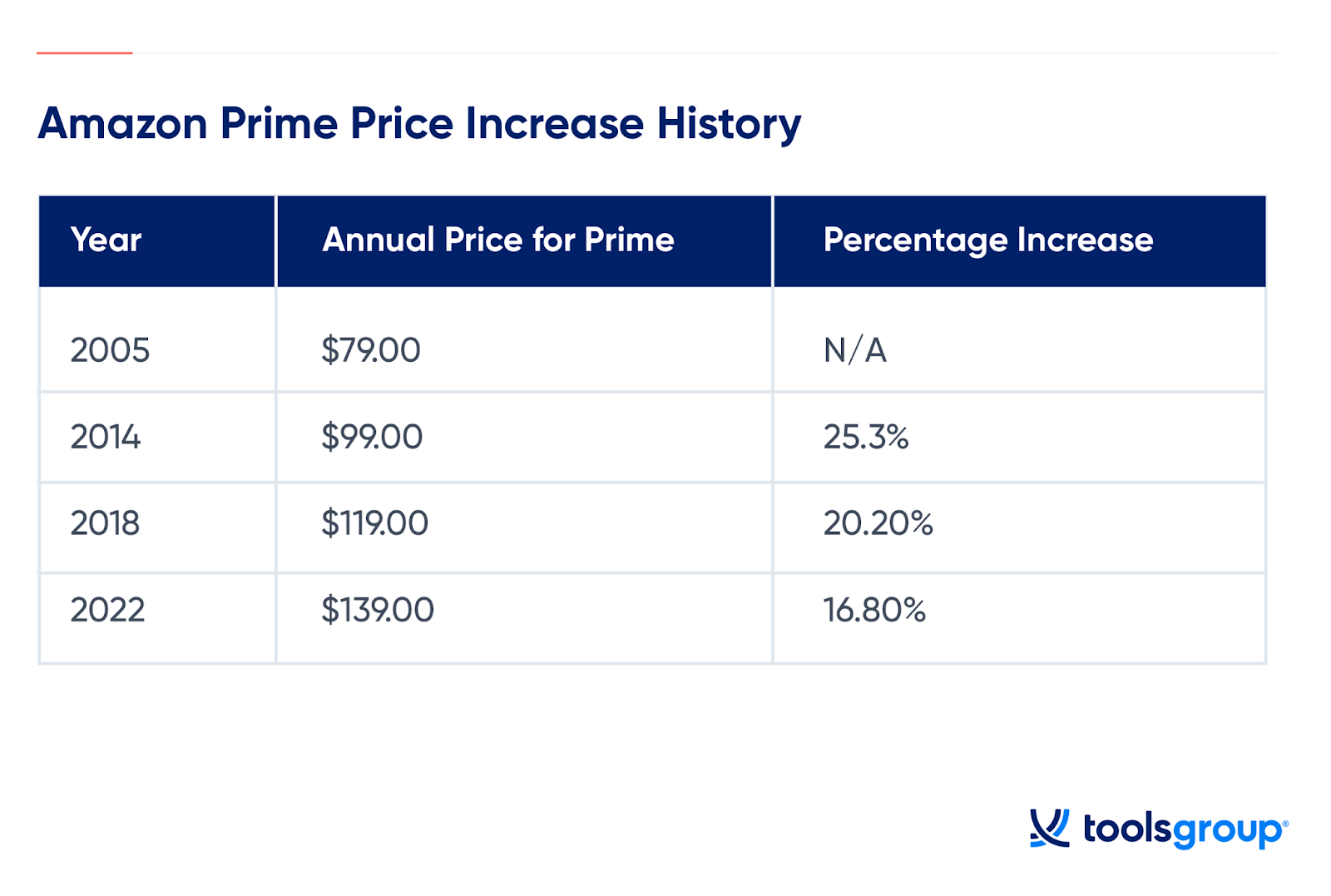
Currently, the standard Amazon Prime annual membership costs approximately $139 per year. If a senior opts for the monthly payment plan, the cost is around $14.99 per month. A quick calculation reveals the financial advantage of the annual plan: $14.99/month * 12 months = $179.88 per year. This means subscribers save approximately $40.88 annually by choosing the yearly upfront payment. For seniors managing a budget, this nearly $41 difference can be significant, making the annual subscription a more financially prudent choice if commitment is certain.
Understanding the Full Suite of Prime Benefits (Beyond Just Shipping)
The sticker price of Amazon Prime might seem substantial, but it’s crucial to understand what that cost encompasses. The value proposition extends far beyond just free two-day shipping, although that remains a cornerstone benefit. For seniors, many of these additional services can translate into substantial indirect financial savings and lifestyle enhancements.
-
Expedited Shipping: Free standard shipping, often two-day or even one-day, on millions of eligible items. This saves on individual shipping fees, which can quickly accumulate.
-
Prime Video: Access to a vast library of movies, TV shows, and Amazon Originals. This can significantly reduce or eliminate the need for other paid streaming services, saving entertainment costs.
-
Prime Music: Ad-free access to millions of songs and thousands of stations. Similar to video, this can replace other music streaming subscriptions.
-
Prime Reading: A rotating selection of free eBooks, magazines, and comics. For avid readers, this can cut down on book purchases.
-
Whole Foods Market Savings: Exclusive discounts and 5% back on select purchases at Whole Foods Market, a benefit that can add up for those who shop there regularly.
-
Amazon Fresh/Prime Pantry: Free grocery delivery for eligible orders in select areas, saving on gas and time for grocery runs.
-
Amazon Photos: Unlimited full-resolution photo storage, a valuable service for preserving memories without additional cloud storage costs.
-
Prime Gaming: Free games, in-game content, and a free Twitch channel subscription. While perhaps less universally appealing to all seniors, it offers value to those who game.
By leveraging these benefits, seniors can potentially offset the membership cost through direct savings on shipping, entertainment, and even groceries.
Tax Implications and Payment Methods
From a tax perspective, Amazon Prime membership fees are generally considered a personal expense and are not tax-deductible for most individuals. However, if a senior uses Prime predominantly for a legitimate home-based business, a portion might be deductible as a business expense. Consulting with a tax professional is always advisable for personalized guidance.
Regarding payment, Amazon Prime accepts various methods, including major credit cards, debit cards, and Amazon gift cards. For seniors aiming to manage cash flow, using a credit card that offers rewards or cashback on subscription services can provide an additional minor financial benefit, effectively reducing the net cost of the membership.
Exclusive Savings: Amazon Prime Discounts for Qualifying Seniors
While Amazon does not offer a specific “senior discount” for Prime membership across the board, it does provide a significant discount program that many seniors, particularly those on fixed or limited incomes, may qualify for. This program is a critical consideration for financial planning.
The EBT/Medicaid Discounted Prime Membership
Amazon offers a reduced-price Prime membership for individuals who receive qualifying government assistance. This includes recipients of Electronic Benefits Transfer (EBT), Medicaid, and other programs like SSI and SNAP. For eligible seniors, this discount slashes the monthly cost of Prime to approximately $6.99 per month.
Comparing this to the standard monthly rate of $14.99, the EBT/Medicaid discount represents a savings of $8 per month, or $96 annually. This is a substantial reduction, making Prime’s extensive benefits far more accessible to seniors for whom the standard cost might be prohibitive. The availability of this program underscores Amazon’s recognition of varying financial capacities and its commitment to broader accessibility.
Eligibility Requirements: Who Qualifies and How to Apply
To qualify for the discounted Prime membership, applicants must provide proof of participation in one of the following government assistance programs:
-
EBT cards: Recipients of SNAP (Supplemental Nutrition Assistance Program), TANF (Temporary Assistance for Needy Families), WIC (Special Supplemental Nutrition Program for Women, Infants, and Children), or other EBT cash benefits.
-
Medicaid: Individuals enrolled in the state or federal Medicaid program.
-
Other qualifying programs: This can include SSI (Supplemental Security Income), TANF, and other state-specific programs.
The application process is designed to be straightforward. Seniors (or their caregivers) can visit the Amazon Prime EBT/Medicaid discount page. They will need to:
-
Verify their eligibility by providing an image of their EBT card or a valid Medicaid card/letter.
-
Input personal details as requested to confirm their identity.
-
Once approved, the discounted rate of $6.99/month will be applied to their Prime membership.
It’s important to note that this discounted membership is typically offered on a month-to-month basis and can be renewed up to four times for a total of 48 months, after which re-verification of eligibility might be required. This monthly structure provides flexibility, allowing seniors to cancel or pause their membership without the commitment of an annual fee if their financial situation or usage habits change.
Verifying Your Eligibility: The Application Process
The verification process is typically handled securely online. Amazon uses third-party services to confirm eligibility for government assistance programs. This usually involves:
-
Uploading a clear image of your EBT card or Medicaid document.
-
Entering your EBT card number or Medicaid ID for verification purposes.
Amazon states that the verification process is usually quick, and applicants are informed of their status promptly. Maintaining active eligibility for one of the qualifying programs is crucial for continued access to the discounted rate. Should eligibility lapse, the membership will revert to the standard monthly or annual price. This process ensures that the financial benefits are directed to those who genuinely qualify based on their income and assistance status.
Beyond the Sticker Price: Evaluating Prime’s Financial Value for Seniors
Understanding the upfront cost, whether standard or discounted, is only half the financial equation. The true value of Amazon Prime for seniors lies in the tangible and intangible savings it can generate over time. A comprehensive financial analysis goes beyond the monthly fee to assess the return on investment (ROI) derived from utilizing Prime’s extensive features.
Calculating Savings on Shipping and Delivery
One of the most immediate and quantifiable financial benefits of Prime is free and expedited shipping. Consider a senior who places several orders a month from Amazon. Without Prime, each order might incur a shipping fee, potentially ranging from $5 to $10 or more, depending on the item and shipping speed.
-
If a senior places just two orders a month and saves an average of $6 per shipment, that’s $12 in shipping savings monthly, totaling $144 annually.
-
For the standard $139 annual Prime fee, this alone almost covers the cost. For the $6.99/month discounted rate, it far exceeds the membership fee.

Beyond direct shipping costs, there are indirect savings. Free grocery delivery (Amazon Fresh or Whole Foods) saves on gas money and wear-and-tear on a vehicle, not to mention the value of time and physical effort saved, which can be particularly important for seniors with mobility challenges.
Entertainment Savings: Streaming, Music, and Books
Prime Video and Prime Music can offer significant savings by reducing or eliminating the need for other entertainment subscriptions.
-
If a senior currently pays for a separate movie streaming service (e.g., Netflix at $15/month) and a music streaming service (e.g., Spotify Premium at $11/month), consolidating these needs with Prime Video and Prime Music could save $26 per month, or $312 annually. Even if Prime doesn’t fully replace all services, it can drastically reduce the number of external subscriptions.
-
Prime Reading and free eBooks can save money on purchasing new books, especially for avid readers. A typical paperback might cost $10-$15. Reading just one free Prime book a month could save $120-$180 annually.
These entertainment savings alone can easily surpass the cost of even a full-price Prime membership, making it a highly valuable financial tool for leisure and recreation.
The Convenience Factor: Time as a Financial Asset
While not a direct monetary saving, the convenience offered by Amazon Prime holds significant financial weight, especially for seniors. Time and effort saved can be priceless.
-
Reduced Travel: Shopping online from home minimizes trips to brick-and-mortar stores, saving gas, parking fees, and the physical exertion of navigating crowded aisles. This is particularly beneficial for those with limited mobility or who live in rural areas.
-
Ease of Access: Having essentials delivered directly to the doorstep, often within a day or two, simplifies errands and ensures timely access to necessities. This peace of mind and reduced stress contribute to overall well-being, which has indirect financial benefits by potentially reducing health-related costs associated with stress or fatigue.
-
Health and Safety: Avoiding unnecessary trips out, especially during inclement weather or health concerns, contributes to safety and well-being, preventing potential costs associated with accidents or illness.
Treating time and convenience as valuable assets in a personal finance equation highlights Prime’s broader financial contribution to a senior’s quality of life.
Potential Pitfalls: Avoiding Unnecessary Spending
While Prime offers numerous benefits, it’s crucial for seniors to be mindful of its potential pitfalls, primarily the temptation for increased spending. The ease of one-click ordering and free shipping can lead to impulsive purchases or buying items that aren’t truly needed.
-
Budget Adherence: It’s vital to stick to a budget and only purchase items that are genuinely required or provide substantial value.
-
Comparison Shopping: Even with Prime, always compare prices with other retailers. Prime’s convenience shouldn’t override the financial discipline of seeking the best deal.
-
Subscription Overload: Be wary of signing up for additional Amazon services (e.g., specific channel subscriptions on Prime Video) without thoroughly evaluating their necessity and cost.
Responsible financial behavior is key to maximizing Prime’s benefits while minimizing its potential to encourage discretionary spending beyond one’s means.
Making an Informed Financial Decision: Is Prime Worth It for You?
The decision to subscribe to Amazon Prime, whether at the standard or discounted rate, should always stem from a personalized financial assessment. There’s no one-size-fits-all answer; what constitutes “worth” depends entirely on individual spending habits, lifestyle, and financial priorities.
Assessing Your Usage Habits
The first step is to honestly evaluate how frequently you would utilize Prime’s benefits.
-
How often do you order from Amazon? If it’s less than once a month, the shipping savings might not justify the cost, especially at the standard rate.
-
Do you watch a lot of movies/TV or listen to music? If you already have several other streaming subscriptions, Prime’s offerings might replace some of them, leading to savings. If you rarely consume digital entertainment, this benefit holds less financial weight.
-
Do you shop at Whole Foods or use grocery delivery? If these are part of your regular routine, the discounts and convenience become more valuable.
-
Do you read eBooks? The Prime Reading library can be a significant money-saver for avid readers.
Creating a mental or actual tally of how much you’d save from each benefit category over a year will provide a clear picture of the monetary offset against the membership fee.
Comparing Prime to Other Subscription Services and Retailers
Before committing, consider alternatives.
-
Other Retailers: Many retailers offer free shipping once a certain spending threshold is met (e.g., Walmart, Target). If your purchases are infrequent but large, these options might be more cost-effective.
-
Other Streaming Services: If Prime Video’s content library isn’t appealing, a cheaper, more focused streaming service might be a better fit for your entertainment budget.
-
Local Libraries: For books and movies, your local library remains an invaluable, free resource that Prime Reading or Video might not fully replace but can complement.
-
Walmart+: This is a direct competitor, offering free shipping, grocery delivery, and fuel discounts. Comparing its features and cost ($98/year or $12.95/month) against Prime is a crucial step for seniors who frequently shop at Walmart.
A comparative cost-benefit analysis will ensure you’re choosing the service that provides the most value for your specific needs and financial constraints.
Trial Periods and Cancellation Policies: Smart Financial Planning
Amazon Prime offers a 30-day free trial for new members. This is an excellent financial planning tool for seniors.
-
Utilize the Free Trial: Sign up, actively use the shipping, video, music, and other features. Keep track of how much you “save” in shipping fees and how often you engage with the entertainment.
-
Set a Reminder: Before the trial ends, set a calendar reminder to review your usage and make an informed decision.
-
Understand Cancellation: Amazon’s cancellation policy is straightforward. You can cancel your membership at any time. If you cancel during a paid period, you may be eligible for a pro-rata refund based on how much you’ve used the service, or a full refund if no Prime benefits have been used.
Leveraging these features allows for a risk-free evaluation, ensuring that the financial commitment is made only after you are confident in Prime’s value proposition.
Alternative Strategies for Senior Savings Without Prime
For some seniors, even with the discounted rate, Amazon Prime might not align with their financial situation or usage patterns. This doesn’t mean they can’t access similar benefits or achieve significant savings. Several alternative financial strategies exist for budget-conscious seniors.
Leveraging Free Shipping Thresholds
Many online retailers, including Amazon itself for non-Prime members, offer free standard shipping once a minimum purchase amount is met.
-
Consolidate Purchases: Instead of buying small items frequently, consolidate your needs into larger orders to meet the free shipping threshold.
-
Plan Ahead: Anticipate future needs and add items to your cart over time, then place one large order when you have enough items to qualify for free shipping.
-
Look for Special Promotions: Many retailers periodically offer “no minimum purchase” free shipping days, especially around holidays. Keep an eye out for these opportunities.
This approach requires more planning but can entirely negate shipping costs without the subscription fee.
Utilizing Local Libraries and Community Resources
For entertainment and reading, local libraries are invaluable and free resources.
-
Books and Magazines: Access an extensive collection of physical and digital books (eBooks, audiobooks), magazines, and newspapers.
-
Movies and Music: Many libraries offer free rentals of DVDs, Blu-rays, and even music CDs. They often have partnerships with digital lending apps (like Libby or Hoopla) for streaming content.
-
Community Programs: Libraries and senior centers frequently host free events, workshops, and social gatherings, providing entertainment and social engagement without financial outlay.
Embracing these community resources can provide a wealth of benefits that might otherwise be sought through paid subscriptions like Prime Video, Prime Music, or Prime Reading.
Exploring Other Senior Discount Programs
While Amazon Prime itself lacks a universal “senior discount,” many other businesses and services do offer them.
-
AARP Membership: For a modest annual fee, AARP provides a vast array of discounts on travel, dining, prescriptions, insurance, and more, which can lead to significant annual savings.
-
Retailer-Specific Senior Discounts: Many grocery stores, pharmacies, and department stores offer specific senior discount days or programs. It’s always worth asking at the checkout.
-
Government and Local Programs: Beyond EBT/Medicaid, investigate local and state programs that offer assistance or discounts on utilities, transportation, and other essential services.
Proactively seeking out and utilizing these various discounts is a fundamental component of effective personal finance for seniors, maximizing savings across the board.
Ultimately, the decision regarding the cost of Amazon Prime for seniors boils down to a thorough, personalized financial analysis. By understanding the standard costs, exploring valuable discounts, assessing true financial value, and considering alternative strategies, seniors can make an informed choice that best supports their budget, lifestyle, and overall financial well-being.
aViewFromTheCave is a participant in the Amazon Services LLC Associates Program, an affiliate advertising program designed to provide a means for sites to earn advertising fees by advertising and linking to Amazon.com. Amazon, the Amazon logo, AmazonSupply, and the AmazonSupply logo are trademarks of Amazon.com, Inc. or its affiliates. As an Amazon Associate we earn affiliate commissions from qualifying purchases.